Can a mini excavator be used for stadium construction? This is a question that often comes up when planning large – scale construction projects like stadiums. As a supplier of mini excavators, I’ve had many discussions with construction professionals about the feasibility and advantages of using these compact machines in stadium building.
The Role of Mini Excavators in Stadium Construction
Stadium construction is a complex and multi – faceted project that involves various stages, from site preparation to the final touches. Mini excavators can play a significant role in several of these phases.
Site Preparation
The first step in stadium construction is site preparation, which includes clearing the land, grading, and digging trenches for utilities. Mini excavators are well – suited for this task. Their compact size allows them to maneuver easily in tight spaces, which is often the case when the stadium site is located in an urban area or has limited access. For example, if there are existing buildings or obstacles nearby, a mini excavator can work around them without causing damage.
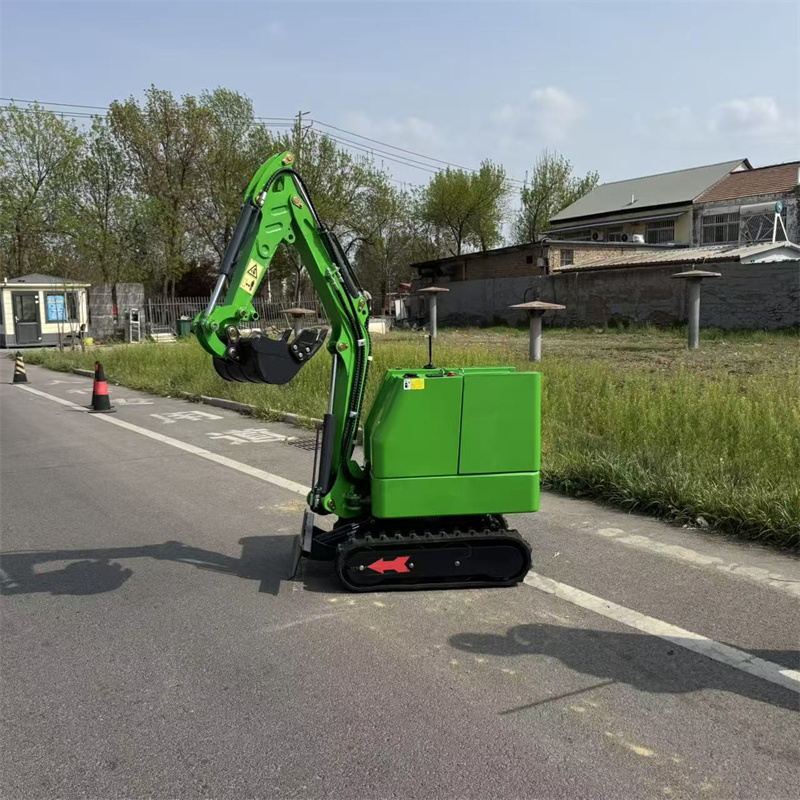
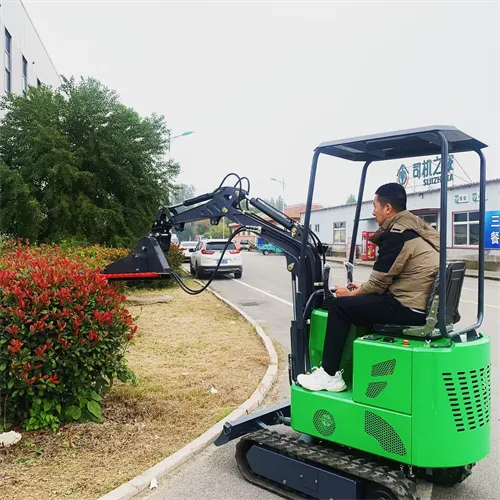
Moreover, mini excavators can be equipped with different attachments to perform various functions. The Electric Excavator With Hedge Cutter can be used to clear vegetation on the site. This attachment combines the digging power of an excavator with the ability to cut through thick hedges and bushes, making it an efficient tool for initial site clearing.
Foundation Work
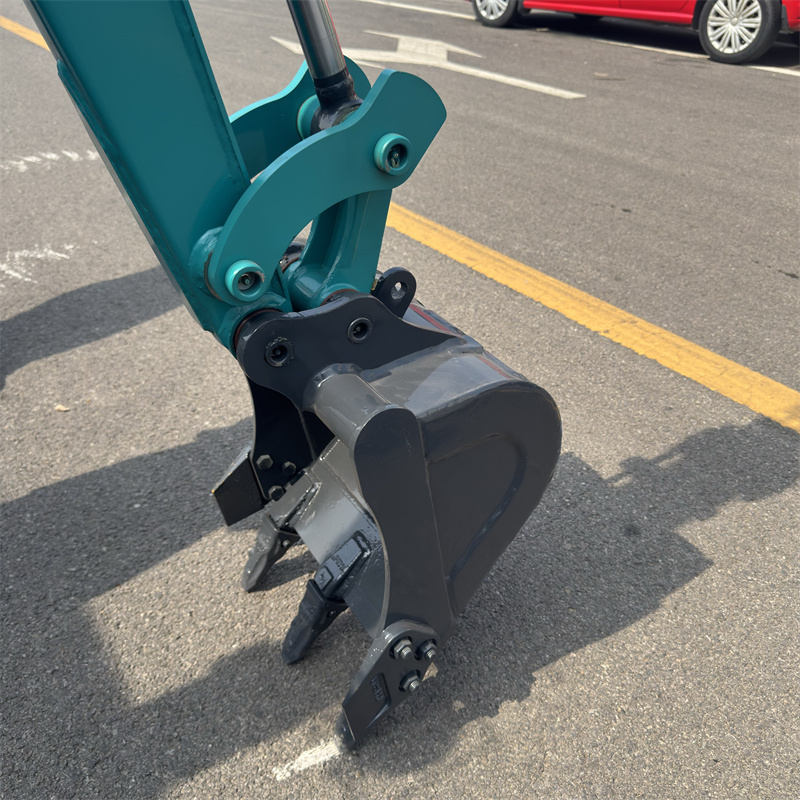
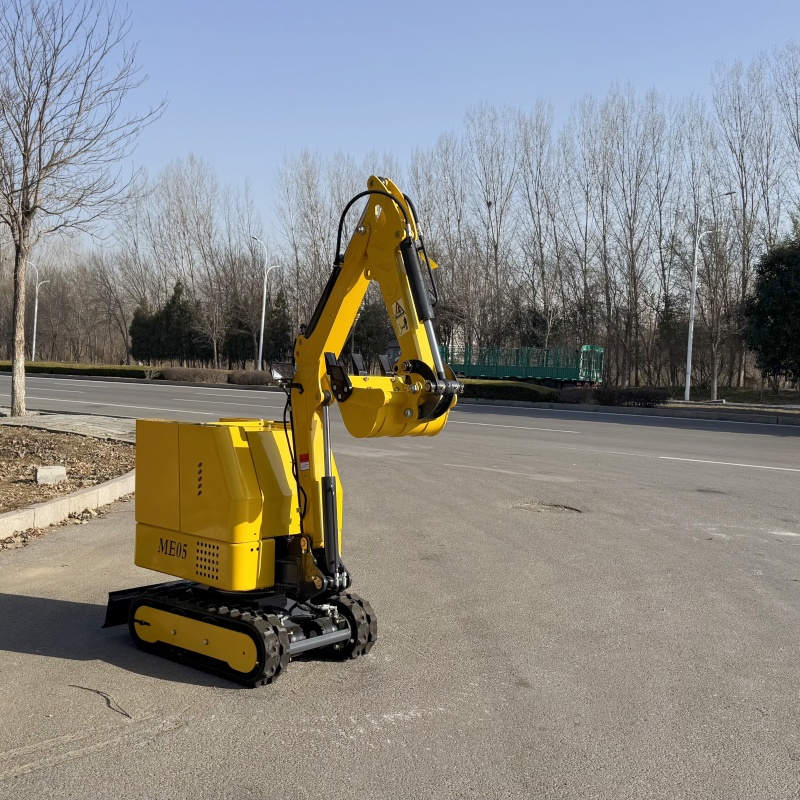
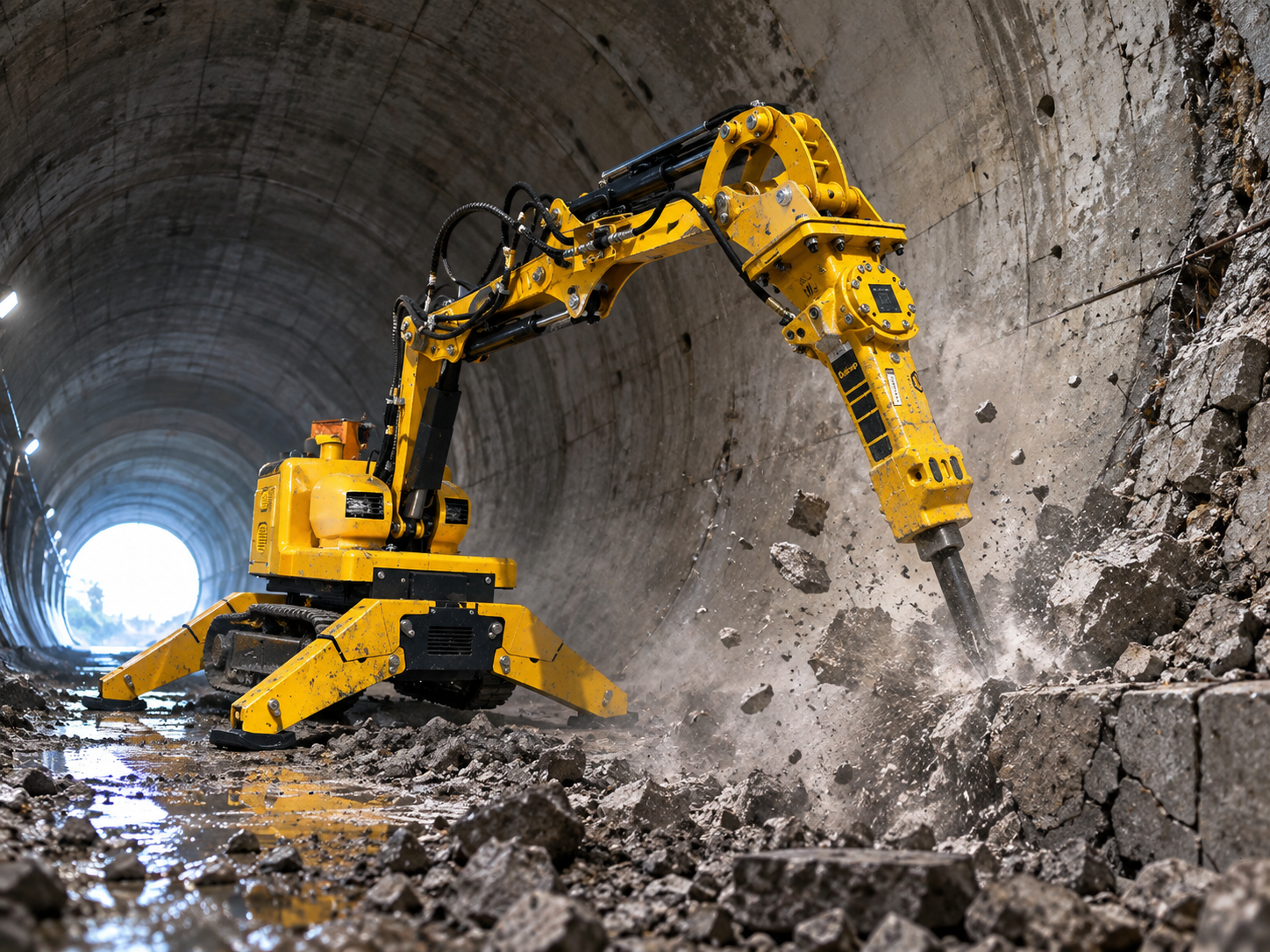
Building a solid foundation is crucial for any stadium. Mini excavators can be used to dig foundation pits with precision. Their smaller size means they can dig more accurately, especially in areas where large excavators might over – dig or cause unnecessary soil disturbance. This is particularly important when the stadium design requires a complex foundation system, such as a pile foundation. The ME05 Custom Tunnel Crusher can be used in foundation work as well. It can break up rocks and concrete on the site, preparing the ground for the foundation construction.
Utility Installation
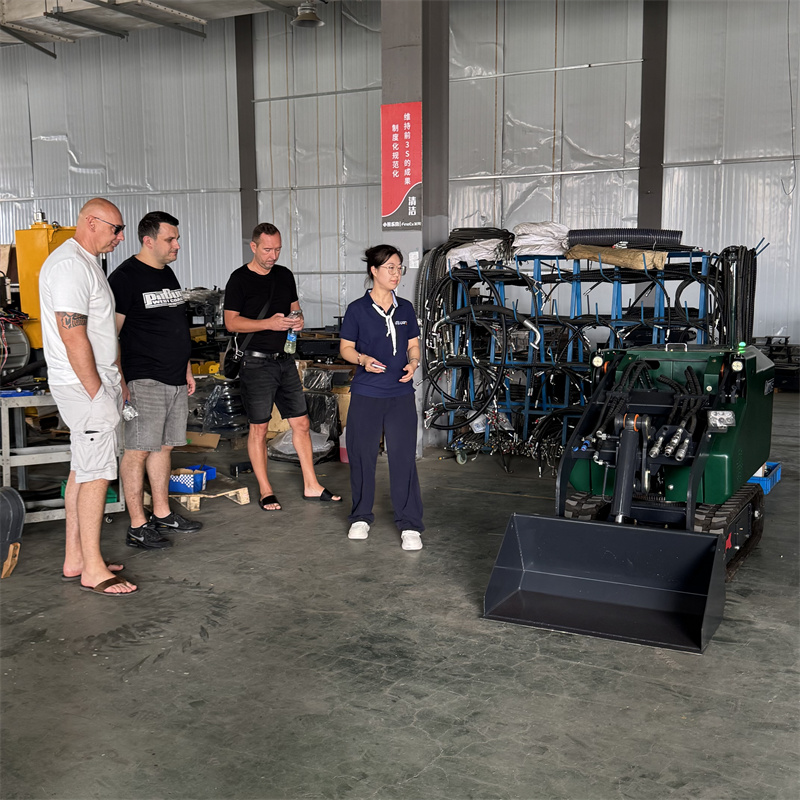
Stadiums require a comprehensive network of utilities, including water pipes, sewer lines, and electrical cables. Mini excavators are ideal for digging trenches for these utilities. They can dig narrow and shallow trenches with minimal disruption to the surrounding area. The Hydraulic Electric Compact Loader can also be used in utility installation. It can transport materials such as pipes and cables around the site, making the installation process more efficient.
Advantages of Using Mini Excavators in Stadium Construction
Cost – Effectiveness
One of the main advantages of using mini excavators in stadium construction is cost – effectiveness. Mini excavators are generally less expensive to purchase and operate compared to large excavators. They consume less fuel, which reduces operating costs over the long term. Additionally, their lower purchase price means that construction companies can save on equipment acquisition costs, especially if they only need to use the excavator for specific tasks during the stadium construction project.
Environmental Friendliness
Many modern mini excavators are designed to be more environmentally friendly. Electric – powered mini excavators produce zero emissions at the point of use, which is beneficial for stadium construction projects that aim to be sustainable. They also produce less noise compared to diesel – powered excavators, which is important when the stadium is located in a populated area or when construction needs to be carried out during restricted hours.
Flexibility
Mini excavators offer a high degree of flexibility. They can be easily transported from one location to another on a trailer, which is convenient for stadium construction projects that may involve work in different areas of the site. Their ability to use a wide range of attachments also makes them versatile. For example, a single mini excavator can be used for digging, grading, and material handling by simply changing the attachment.
Challenges and Limitations
While mini excavators have many advantages in stadium construction, there are also some challenges and limitations.
Limited Digging Depth and Reach
Compared to large excavators, mini excavators have a limited digging depth and reach. In some cases, where the stadium design requires deep foundations or large – scale earthmoving, a mini excavator may not be sufficient. However, this can be mitigated by using a combination of mini and large excavators. Mini excavators can be used for the initial work and in areas where precision is required, while large excavators can be used for the more extensive earthmoving tasks.
Load – Carrying Capacity
Mini excavators have a relatively low load – carrying capacity. This means that they may not be suitable for transporting large amounts of materials over long distances. However, as mentioned earlier, the Hydraulic Electric Compact Loader can be used in conjunction with the mini excavator to handle material transportation on the site.
Conclusion
In conclusion, mini excavators can indeed be used for stadium construction. They offer many advantages, including cost – effectiveness, environmental friendliness, and flexibility. While they have some limitations, these can be overcome by using a combination of equipment and strategic planning.
If you are involved in a stadium construction project and are considering using mini excavators, I encourage you to reach out for a detailed discussion. Our team of experts can provide you with more information about our range of mini excavators and how they can be tailored to your specific needs. Whether it’s the Electric Excavator With Hedge Cutter, the ME05 Custom Tunnel Crusher, or the Hydraulic Electric Compact Loader, we have the right equipment to support your project. Contact us today to start the procurement process and ensure the success of your stadium construction project.
References
Construction Equipment Handbook, 2023 Edition
Stadium Design and Construction Best Practices, published by the International Stadium Council
Research on the Application of Mini Excavators in Large – Scale Construction Projects, Journal of Construction Engineering