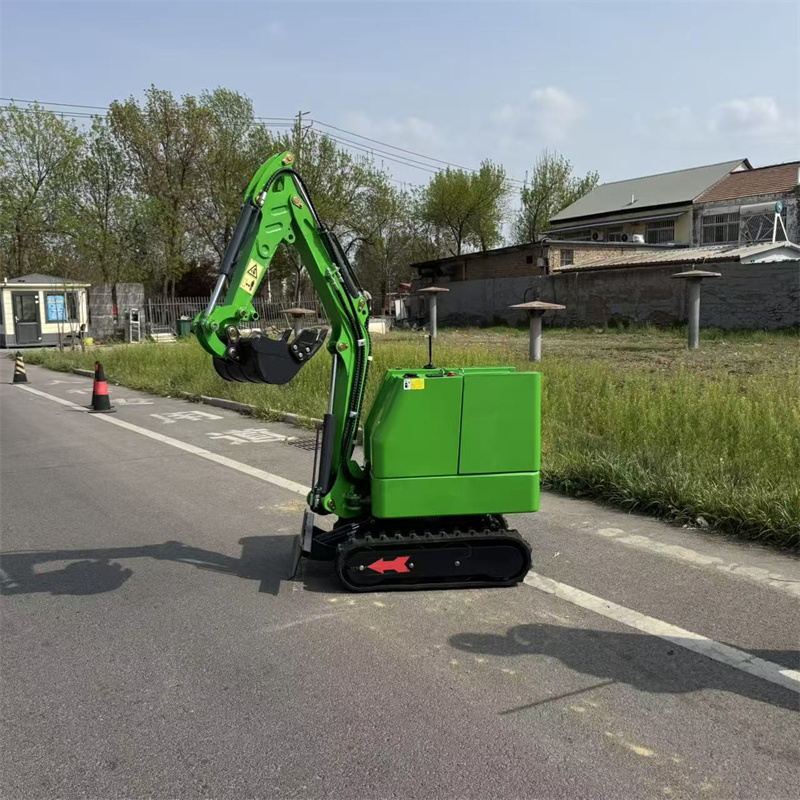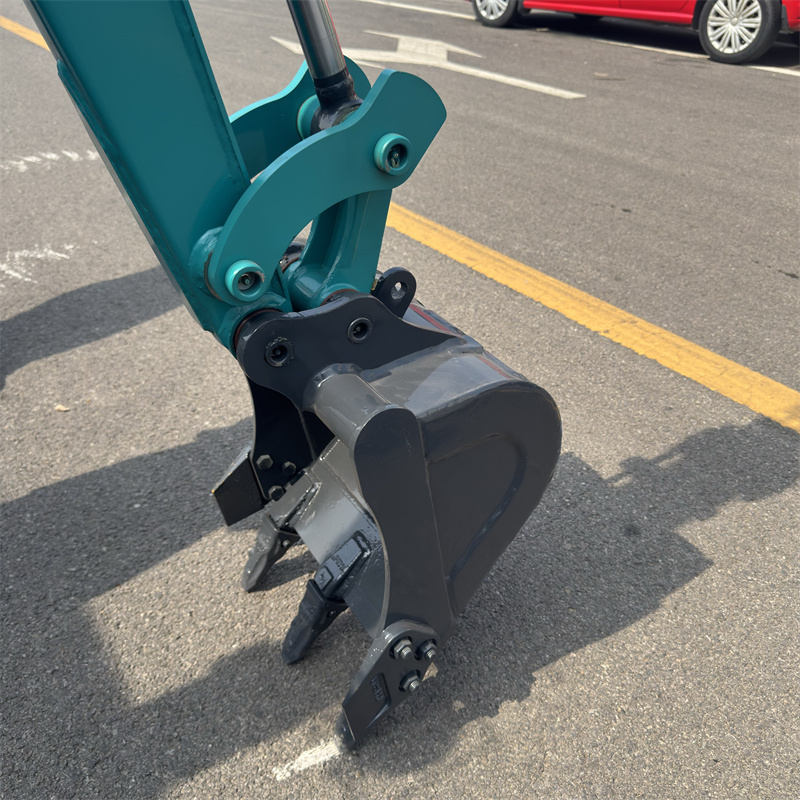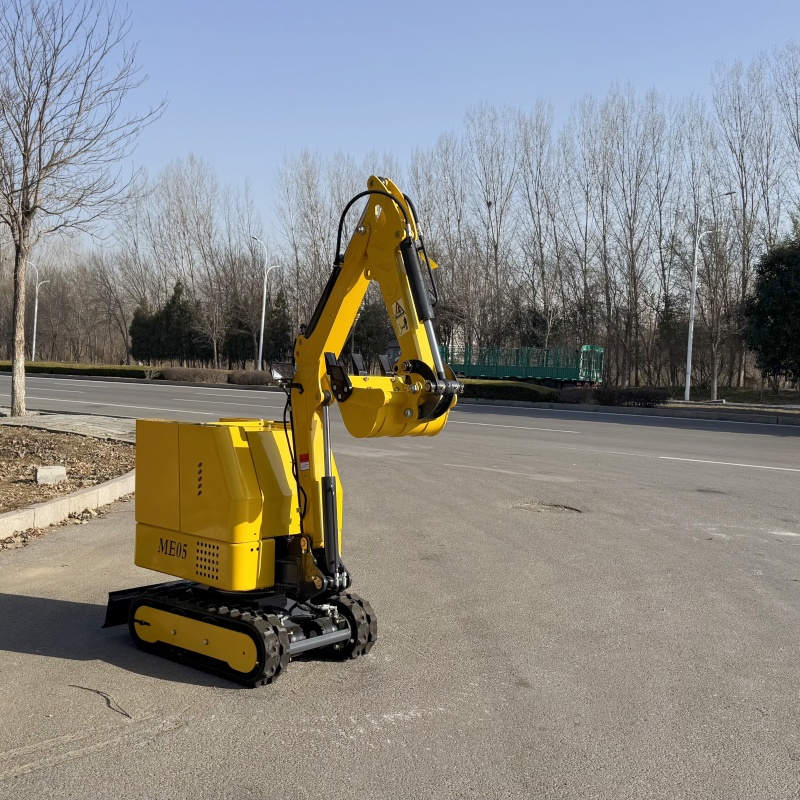
Hey there! As a supplier of Electric Mini Diggers, I’ve seen firsthand how important it is to maintain the hydraulic system of these machines. A well – maintained hydraulic system not only ensures the smooth operation of your Electric Mini Digger but also extends its lifespan. In this blog, I’ll share some tips on how to maintain the hydraulic system of an electric mini digger.
Understanding the Hydraulic System in an Electric Mini Digger
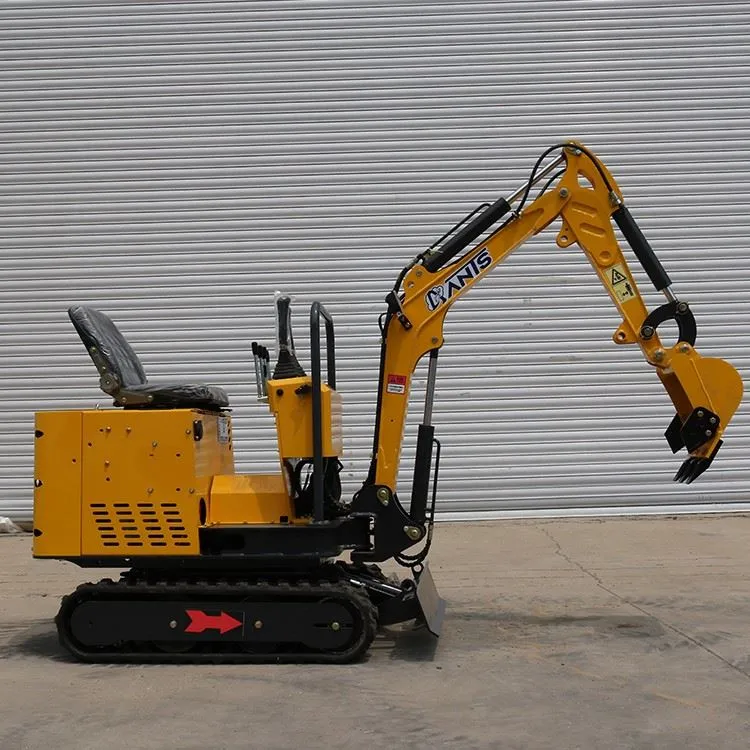
Before we jump into maintenance, let’s quickly understand what the hydraulic system in an electric mini digger does. The hydraulic system is responsible for powering the various moving parts of the digger, like the boom, arm, and bucket. It uses hydraulic fluid to transfer power from the electric motor to these components. This fluid is stored in a reservoir and circulated through a network of hoses, valves, and cylinders.
Regular Fluid Checks and Changes
One of the most crucial aspects of maintaining the hydraulic system is keeping an eye on the hydraulic fluid. The fluid acts as a lubricant, coolant, and power – transfer medium. Over time, it can get contaminated with dirt, debris, and moisture, which can lead to wear and tear of the system components.
Check the Fluid Level: You should check the hydraulic fluid level regularly, preferably before each use. Most electric mini diggers have a sight glass or a dipstick that allows you to easily check the fluid level. If the level is low, you need to add the recommended hydraulic fluid. Make sure to use the fluid specified by the manufacturer, as different diggers may require different types of hydraulic fluid.
Inspect the Fluid Quality: Besides checking the level, you also need to inspect the quality of the fluid. Look for signs of contamination, such as a milky appearance (which may indicate the presence of water), or a dark, dirty color (which could mean there’s a lot of debris in the fluid). If the fluid looks contaminated, it’s time to change it.
Change the Fluid: The frequency of fluid changes depends on the usage of the digger and the manufacturer’s recommendations. Generally, it’s a good idea to change the hydraulic fluid every 1000 – 2000 hours of operation. When changing the fluid, make sure to drain the old fluid completely from the reservoir, hoses, and cylinders. Then, fill the system with fresh, clean hydraulic fluid.
Filter Maintenance
Filters play a vital role in the hydraulic system by trapping dirt and debris before they can damage the system components. There are usually two types of filters in an electric mini digger’s hydraulic system: suction filters and pressure filters.
Suction Filters: These filters are located at the inlet of the hydraulic pump. They prevent large particles from entering the pump, which could cause it to fail. You should check the suction filter regularly and clean or replace it if it’s clogged. A clogged suction filter can restrict the flow of fluid to the pump, leading to reduced performance and potential damage.
Pressure Filters: Pressure filters are installed in the high – pressure lines of the hydraulic system. They remove smaller particles from the fluid after it has been pressurized by the pump. Similar to suction filters, pressure filters also need to be checked and replaced periodically. Most manufacturers recommend replacing the pressure filter every 500 – 1000 hours of operation.
Hose and Fitting Inspections
The hoses and fittings in the hydraulic system are prone to wear and tear due to the high pressure and constant movement. A damaged hose or fitting can cause hydraulic fluid leaks, which not only waste fluid but also pose a safety hazard.
Visual Inspections: Regularly inspect the hoses for signs of damage, such as cracks, cuts, bulges, or abrasions. Check the fittings for any signs of looseness or leakage. If you notice any damage, replace the hose or fitting immediately.
Tighten Fittings: Over time, the fittings can loosen due to vibration. You should periodically check and tighten all the hydraulic fittings to prevent leaks. However, be careful not to over – tighten them, as this can damage the fittings.
Temperature Management
The hydraulic system in an electric mini digger generates heat during operation. Excessive heat can cause the hydraulic fluid to break down, reducing its effectiveness and potentially damaging the system components.
Monitor the Temperature: Most electric mini diggers are equipped with a temperature gauge that allows you to monitor the temperature of the hydraulic fluid. Keep an eye on the temperature and make sure it stays within the recommended range. If the temperature gets too high, stop the digger and let it cool down.
Check the Cooling System: The cooling system, usually a radiator or a cooler, helps to dissipate the heat generated by the hydraulic system. Make sure the cooling system is clean and functioning properly. Check for any blockages in the radiator fins or cooler tubes and clean them if necessary.
Component Maintenance
The various components of the hydraulic system, such as the pump, valves, and cylinders, also need to be maintained to ensure optimal performance.
Pump Maintenance: The hydraulic pump is the heart of the system. It needs to be inspected regularly for signs of wear and damage. Listen for any unusual noises coming from the pump, which could indicate a problem. If the pump is not functioning properly, it may need to be repaired or replaced.
Valve Maintenance: Valves control the flow and direction of the hydraulic fluid. Check the valves for proper operation and make sure they are not stuck or leaking. If a valve is malfunctioning, it can affect the performance of the entire hydraulic system.
Cylinder Maintenance: The cylinders are responsible for moving the boom, arm, and bucket. Inspect the cylinders for leaks, rod damage, and proper operation. If there are any signs of leakage or damage, the cylinder may need to be repaired or replaced.
Keeping the Work Environment Clean
The work environment can have a significant impact on the hydraulic system of an electric mini digger. Dirt, dust, and debris can easily enter the system if the digger is operated in a dirty environment.
Clean the Digger: After each use, clean the digger thoroughly, especially around the hydraulic components. Use a soft brush or compressed air to remove dirt and debris from the hoses, filters, and fittings.
Store the Digger Properly: When not in use, store the digger in a clean, dry place. Cover it to protect it from dust and moisture.
Conclusion
Maintaining the hydraulic system of an electric mini digger is essential for its performance, reliability, and longevity. By following these tips, you can ensure that your digger’s hydraulic system stays in top – notch condition.
If you’re in the market for a high – quality Electric Mini Digger, we’ve got you covered. We offer a range of models, including the Battery Mini Excavator, Battery – powered Mini Excavator, and Noiseless Tracked Electric Mini Excavator. These machines are designed with advanced hydraulic systems for maximum efficiency and durability.
If you’re interested in learning more about our products or have any questions regarding the maintenance of electric mini diggers, feel free to reach out to us. We’re always happy to assist you in making the right choice for your construction or excavation needs.
References
Manufacturer’s manuals for electric mini diggers
Industry standards for hydraulic system maintenance