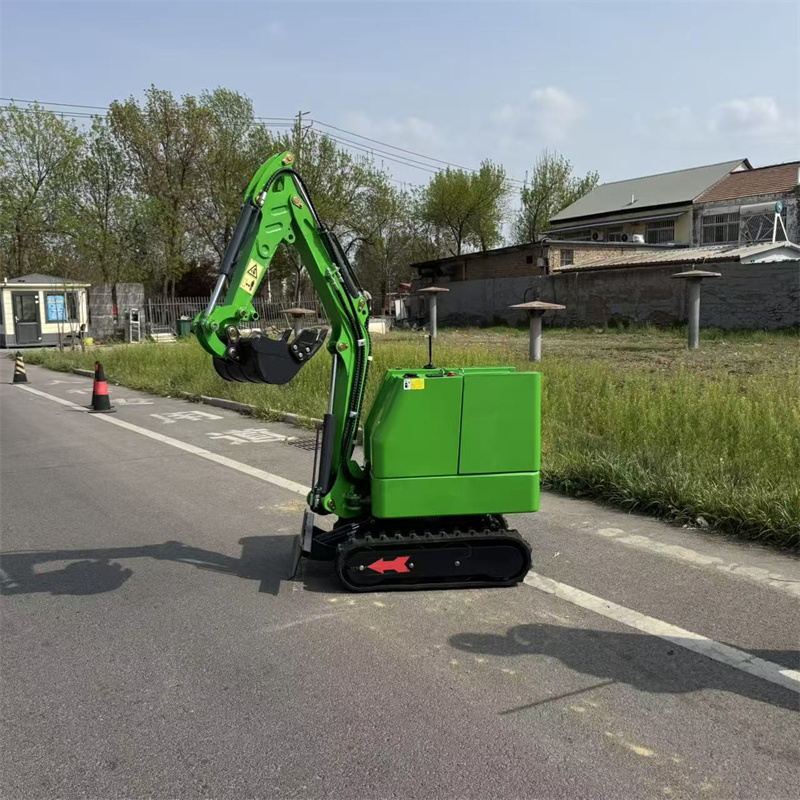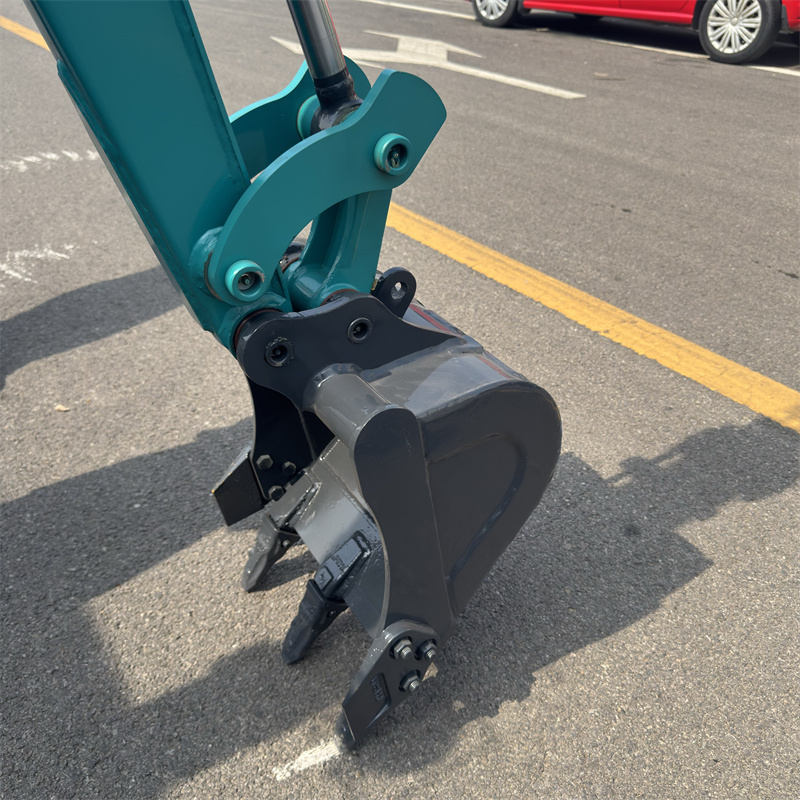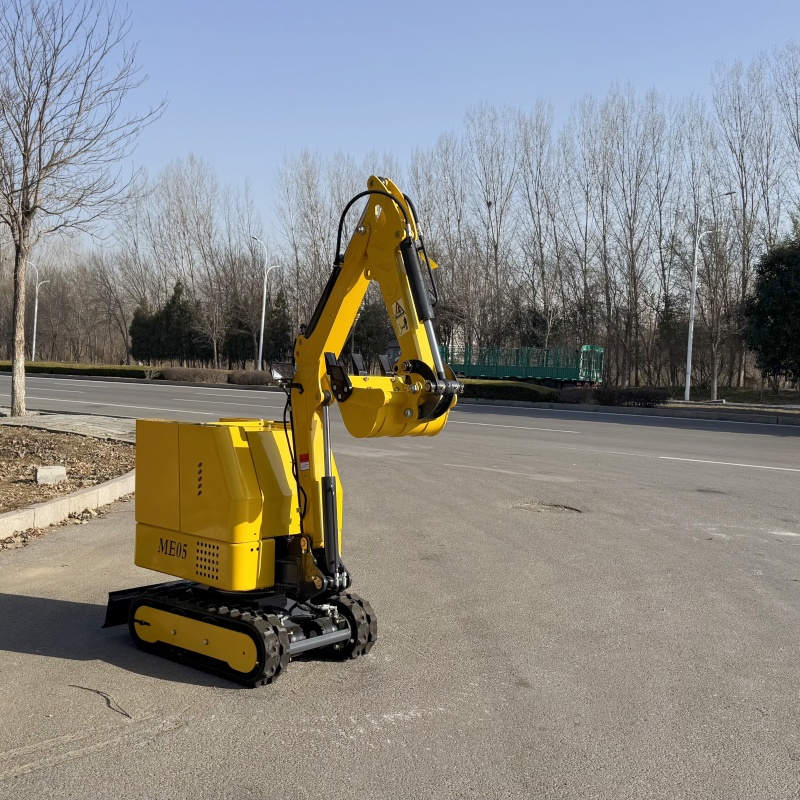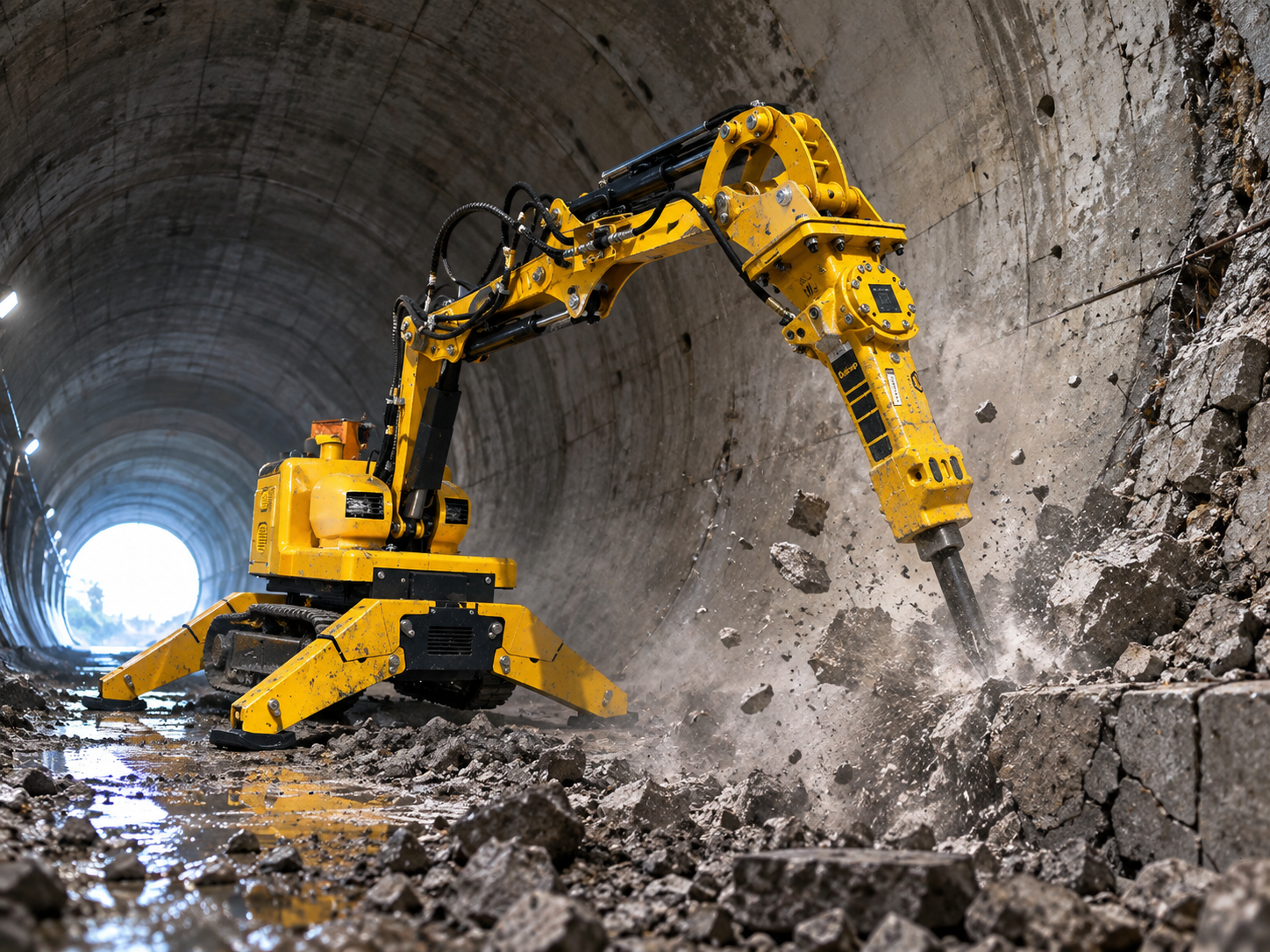
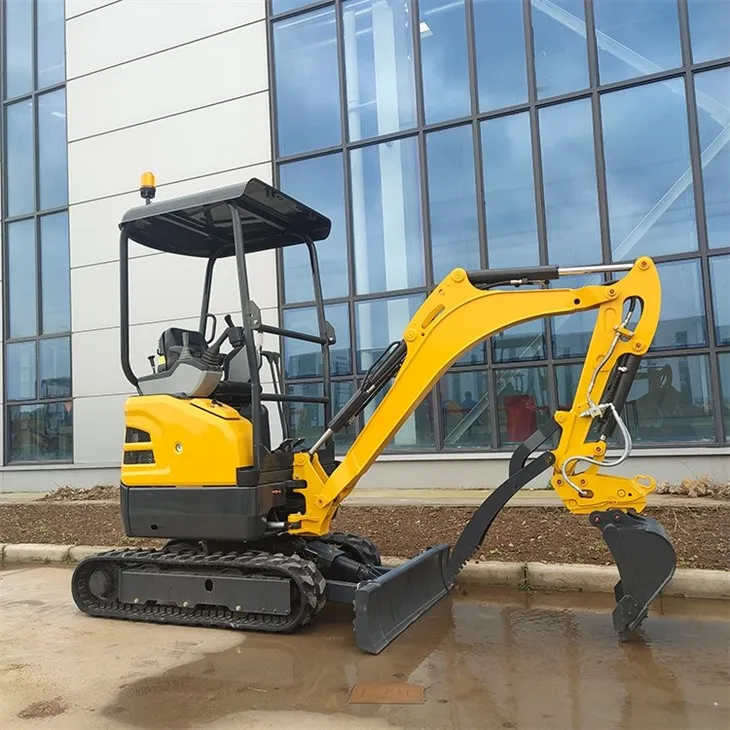
In the construction and excavation industry, the choice between an electric mini digger and a gas – powered one is a significant decision that can impact both the bottom line and the overall efficiency of operations. As a supplier of electric mini diggers, I’ve witnessed firsthand the growing interest in electric alternatives. In this blog, I’ll delve into a detailed comparison of the running costs between electric and gas – powered mini diggers.
Fuel and Energy Costs
One of the most obvious areas to compare is the cost of fuel or energy. Gas – powered mini diggers rely on gasoline or diesel, the prices of which can be volatile. Over the past few years, fuel prices have fluctuated widely due to geopolitical events, supply – demand imbalances, and changes in global oil production. For instance, a sudden increase in tensions in major oil – producing regions can lead to a spike in fuel prices, significantly increasing the operating costs of gas – powered equipment.
On the other hand, electric mini diggers are powered by electricity. The cost of electricity is generally more stable compared to fuel prices. In many regions, off – peak electricity rates are available, which can further reduce the cost of charging the digger’s batteries. For example, if a construction company operates its electric mini digger during the day and charges it overnight when electricity rates are lower, they can take advantage of these cost – saving opportunities.
Let’s consider a practical example. A gas – powered mini digger with a fuel consumption rate of 2 gallons per hour, and assuming a fuel price of $3 per gallon, will cost $6 per hour to operate just on fuel. In contrast, an electric mini digger might consume around 10 kWh of electricity per hour. If the electricity rate is $0.15 per kWh, the cost per hour of operation is only $1.5. Over a 40 – hour workweek, the gas – powered digger would cost $240 in fuel, while the electric one would cost only $60.
Maintenance Costs
Maintenance is another crucial factor in the overall running cost. Gas – powered engines are complex mechanical systems with many moving parts. These parts are subject to wear and tear, and regular maintenance is required to keep the engine running smoothly. Tasks such as oil changes, filter replacements, spark plug replacements, and tune – ups are necessary at regular intervals. The cost of these maintenance items, along with the labor required to perform them, can add up over time.
Electric mini diggers, on the other hand, have fewer moving parts. The electric motor is relatively simple compared to a gas engine, with no need for oil changes, spark plugs, or complex fuel injection systems. This means that the maintenance requirements are significantly reduced. For example, the main maintenance tasks for an electric mini digger might include checking the battery health, inspecting the electrical connections, and lubricating the moving parts that are not related to the power source. These tasks are generally less frequent and less expensive than the maintenance required for a gas – powered digger.
A study by a leading construction equipment research firm found that the annual maintenance cost for a gas – powered mini digger can be up to three times higher than that of an electric mini digger. This is a substantial difference that can have a long – term impact on the profitability of a construction project.
Emission – related Costs
In today’s environmentally conscious world, emissions from construction equipment are coming under increasing scrutiny. Gas – powered mini diggers emit pollutants such as carbon monoxide, nitrogen oxides, and particulate matter. Many regions have strict environmental regulations regarding emissions from construction equipment. Companies that operate gas – powered diggers may be required to pay emission – related fees or fines if their equipment does not meet the required standards.
In addition, some construction sites, especially indoor or urban locations, have specific emission requirements. For example, Mini Excavator for Indoor Use must have low or zero emissions to ensure the safety of workers and the surrounding environment. Electric mini diggers produce zero emissions at the point of use, which means they can operate in these restricted areas without any emission – related concerns. This can save companies from potential fines and also open up new business opportunities in areas where gas – powered equipment is not allowed.
Battery Costs (for Electric Mini Diggers)
While electric mini diggers have many cost advantages, it’s important to consider the battery costs. The initial cost of the battery is a significant investment. However, the cost of batteries has been decreasing steadily over the years due to technological advancements and economies of scale.
Moreover, the lifespan of modern batteries is quite long. With proper charging and maintenance, a battery can last for several years. Some of our Battery Mini Excavator models come with high – quality batteries that are designed to provide reliable performance over a long period. When factoring in the long – term savings on fuel and maintenance, the initial battery cost can be offset over time.
Resale Value
Resale value is also an important aspect of the overall cost of ownership. As the demand for environmentally friendly and cost – effective equipment grows, electric mini diggers are likely to hold their value better than gas – powered ones. Buyers are increasingly looking for equipment that is energy – efficient and has lower operating costs. A well – maintained electric mini digger, such as our Electric Mini Digger 1 Ton, can command a higher resale price compared to a similar gas – powered model.
Conclusion
In conclusion, when comparing the running costs of an electric mini digger and a gas – powered one, it’s clear that electric mini diggers offer significant advantages. The lower fuel and energy costs, reduced maintenance requirements, absence of emission – related costs, and potentially higher resale value make them a more cost – effective choice in the long run.
If you’re in the market for a mini digger and want to learn more about the benefits of electric models, I encourage you to reach out to us. We can provide you with detailed information about our products, including specifications, pricing, and how they can fit into your construction projects. Contact us to start a procurement discussion and see how an electric mini digger can improve your bottom line and contribute to a more sustainable construction industry.
References
Construction Equipment Research Report on Operating Costs, [Research Firm Name], 20XX
Energy Price Analysis by [Energy Research Institute], 20XX
Environmental Regulations for Construction Equipment in [Region], [Regulatory Body], 20XX