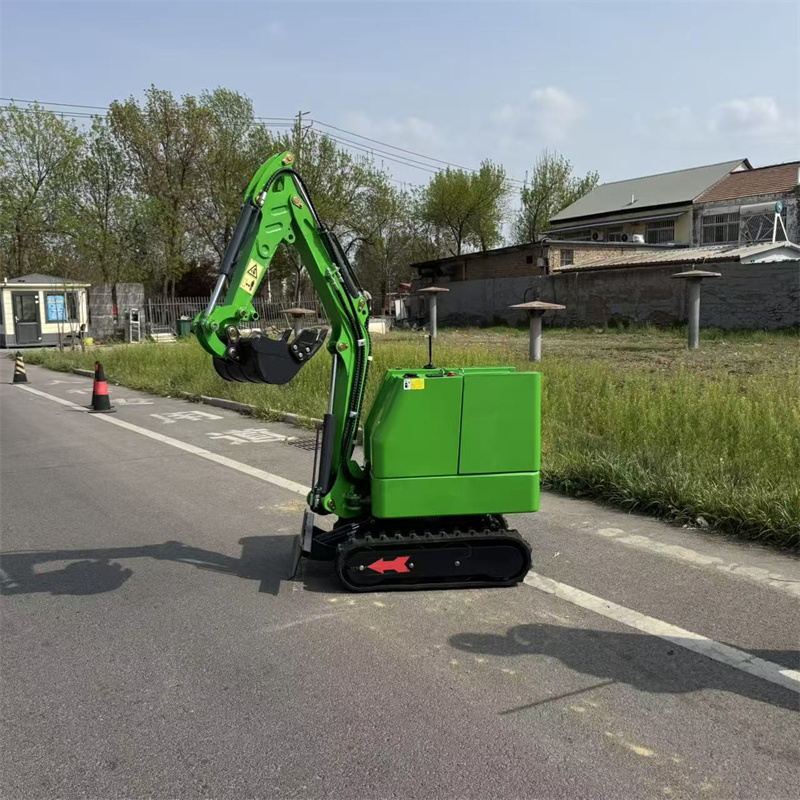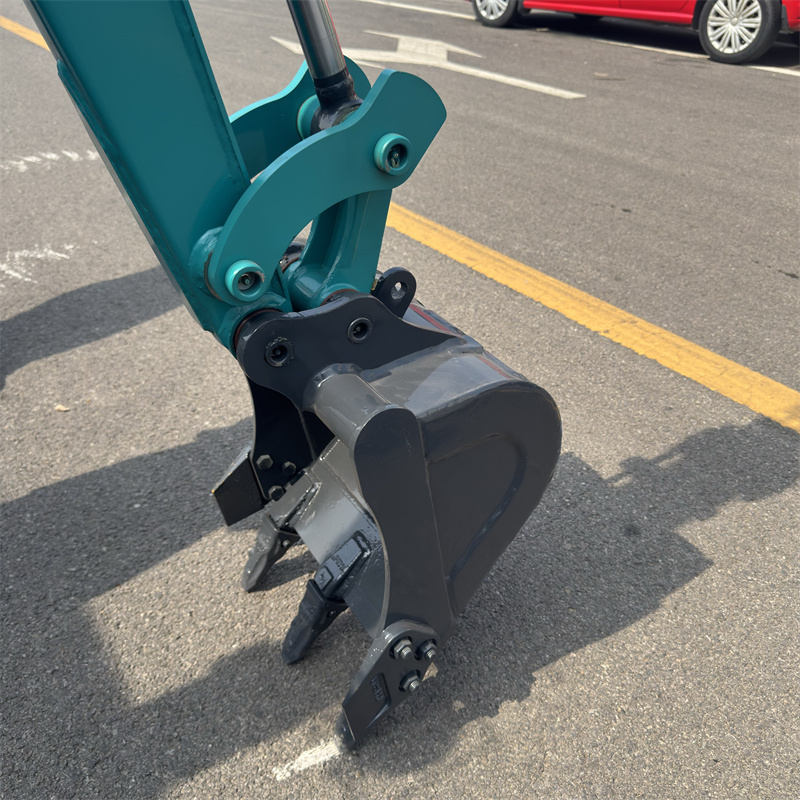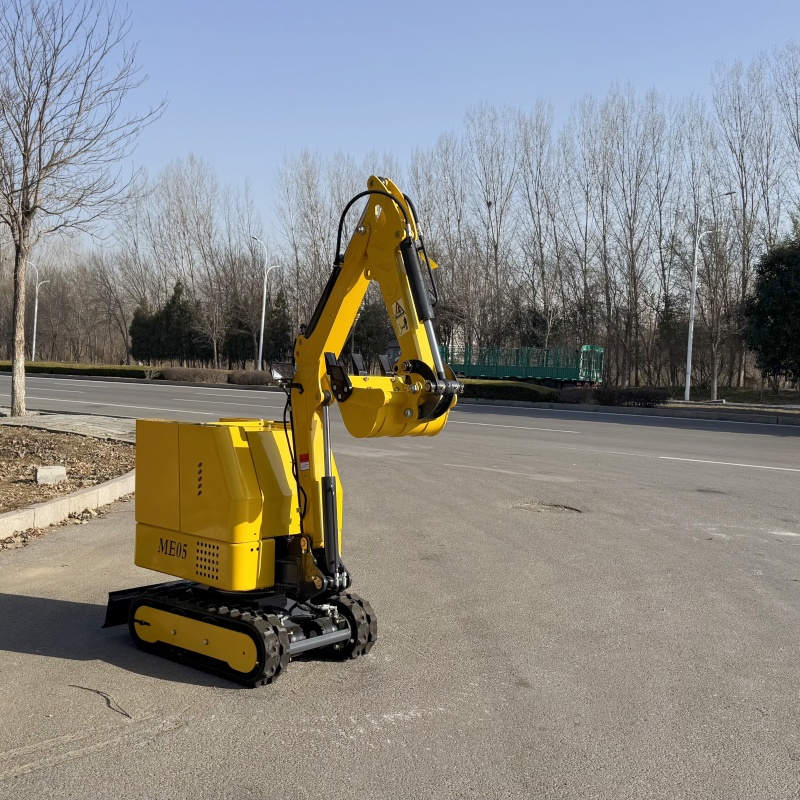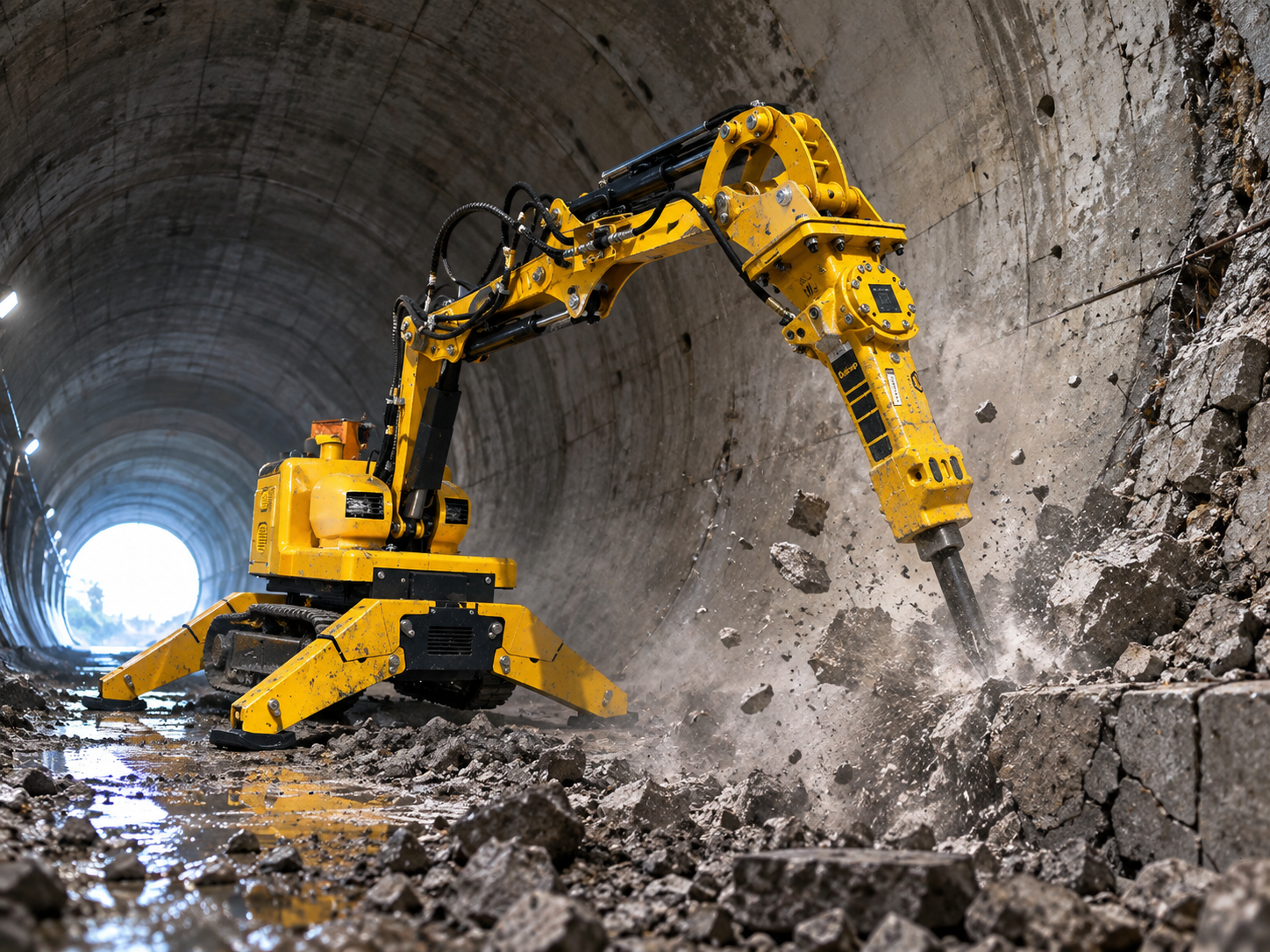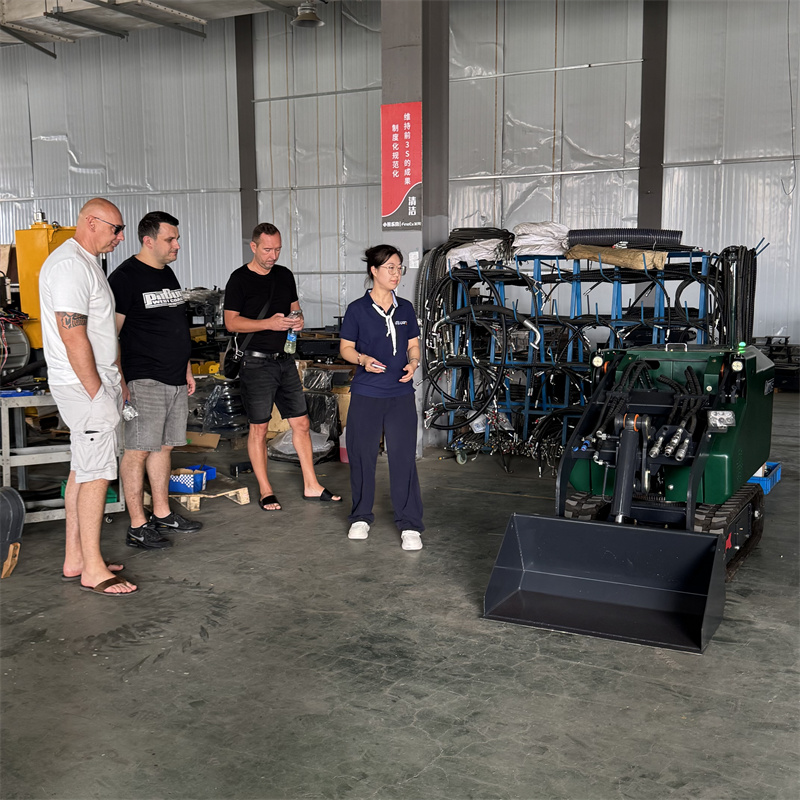
The durability of paint on a Mini Crawler Dumper is a crucial aspect that both suppliers and buyers need to consider. As a supplier of Mini Crawler Dumpers, I’ve encountered numerous inquiries about how long the paint finish can last. In this blog, I’ll delve into the factors that influence the paint’s longevity and provide some insights based on industry knowledge and practical experience.
Factors Affecting Paint Longevity
1. Quality of the Paint
The type and quality of paint used on a Mini Crawler Dumper play a significant role in determining its lifespan. High – quality industrial paints are formulated to withstand harsh environmental conditions, abrasion, and chemical exposure. These paints often contain additives that enhance their resistance to UV rays, which can cause fading and cracking over time.
For example, epoxy – based paints are known for their excellent adhesion and durability. They form a tough, protective layer on the dumper’s surface, preventing rust and corrosion. On the other hand, lower – quality paints may start to chip, peel, or fade within a relatively short period, even under normal operating conditions.
2. Environmental Conditions
The environment in which the Mini Crawler Dumper operates has a major impact on the paint’s durability. If the dumper is used in a coastal area, it will be exposed to saltwater spray, which is highly corrosive. Salt can penetrate the paint layer and cause rust to form on the metal surface beneath. In such cases, the paint may need to be reapplied more frequently, perhaps every 1 – 2 years.
In industrial settings where the dumper is exposed to chemicals, such as acids or alkalis, the paint can also be damaged. Chemical spills or fumes can eat away at the paint, reducing its protective properties. Similarly, extreme temperatures, whether very hot or very cold, can cause the paint to expand and contract, leading to cracking and peeling.
3. Usage and Maintenance
How the Mini Crawler Dumper is used and maintained also affects the paint’s lifespan. If the dumper is frequently used for heavy – duty tasks, such as transporting sharp or abrasive materials, the paint is more likely to be scratched or chipped. These scratches can expose the underlying metal to the elements, increasing the risk of rust.
Regular maintenance, including cleaning and inspection, can significantly extend the paint’s life. Washing the dumper regularly to remove dirt, debris, and corrosive substances can prevent them from building up on the paint surface. Additionally, touching up any minor scratches or chips as soon as they are noticed can prevent further damage.
Average Lifespan of Paint on a Mini Crawler Dumper
Under normal operating conditions, which include a relatively clean environment and regular maintenance, the paint on a Mini Crawler Dumper can last anywhere from 3 to 5 years. However, this is just an average estimate, and the actual lifespan can vary widely depending on the factors mentioned above.
In a well – maintained indoor environment with minimal exposure to harsh elements, the paint may last up to 5 years or even longer. On the other hand, in a harsh outdoor environment with heavy use and limited maintenance, the paint may start to show signs of wear and tear within 1 – 2 years.
Extending the Paint’s Lifespan
As a supplier, I always recommend several measures to our customers to extend the lifespan of the paint on their Mini Crawler Dumpers.
1. Protective Coatings
Applying a clear protective coating over the paint can add an extra layer of protection. These coatings are designed to resist UV rays, abrasion, and chemical damage. They can be easily applied and can significantly enhance the durability of the paint.
2. Regular Inspections
Encouraging customers to conduct regular inspections of their dumpers is essential. By checking for any signs of paint damage, such as scratches, chips, or rust spots, they can address the issues promptly. Minor scratches can be touched up with matching paint, while larger areas of damage may require professional repainting.
3. Proper Storage
When the Mini Crawler Dumper is not in use, it should be stored in a dry, covered area. This protects the dumper from the elements, such as rain, snow, and direct sunlight, which can all damage the paint.
Comparison with Other Equipment
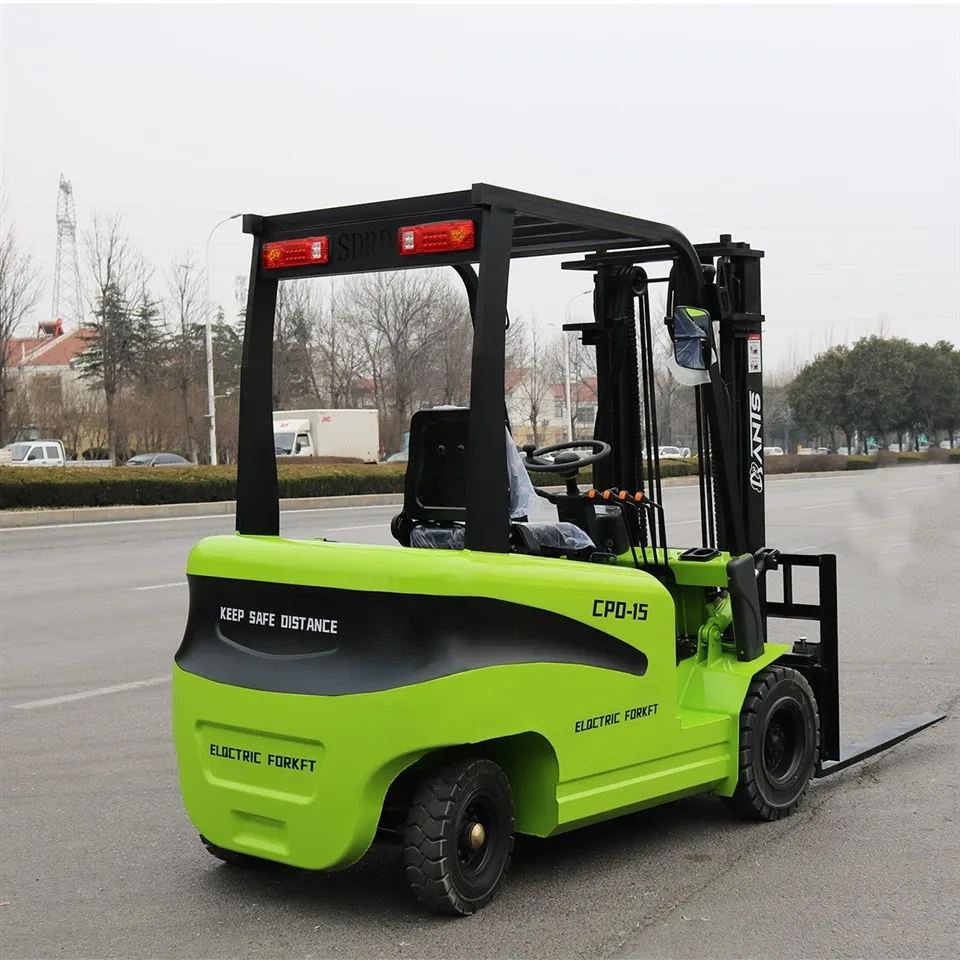
It’s interesting to compare the paint durability of Mini Crawler Dumpers with other similar equipment, such as Electric Pallet Forklift and Electric Forklift.
Electric pallet forklifts and electric forklifts are often used in indoor warehouse environments. These environments are generally cleaner and less exposed to harsh elements compared to the outdoor environments where Mini Crawler Dumpers are commonly used. As a result, the paint on electric forklifts and pallet forklifts may last longer, typically around 5 – 7 years under normal conditions. However, if these forklifts are used in industrial areas with chemical exposure or heavy – duty use, the paint lifespan can also be reduced.
Conclusion
In conclusion, the lifespan of the paint on a Mini Crawler Dumper is influenced by multiple factors, including paint quality, environmental conditions, usage, and maintenance. While the average lifespan is around 3 – 5 years, it can vary significantly depending on the specific circumstances. As a supplier, I’m committed to providing high – quality dumpers with durable paint finishes and offering advice to our customers on how to extend the paint’s lifespan.
If you’re interested in purchasing a Mini Crawler Dumper or have any questions about paint durability or other aspects of our products, we welcome you to contact us for further discussion and procurement negotiations. We’re here to help you make the best decision for your needs.
References
“Industrial Paint Technology” – A comprehensive guide on industrial paint types and their applications.
“Corrosion Prevention in Heavy Equipment” – Research on preventing corrosion in heavy machinery, including crawler dumpers.
“Maintenance Best Practices for Construction Equipment” – A collection of best practices for maintaining the appearance and functionality of construction equipment.