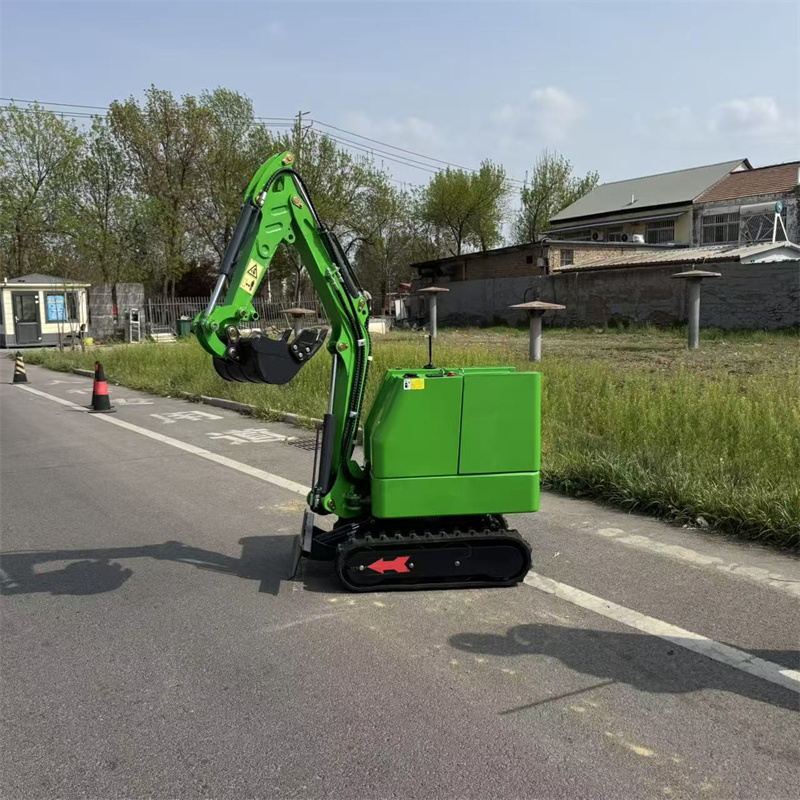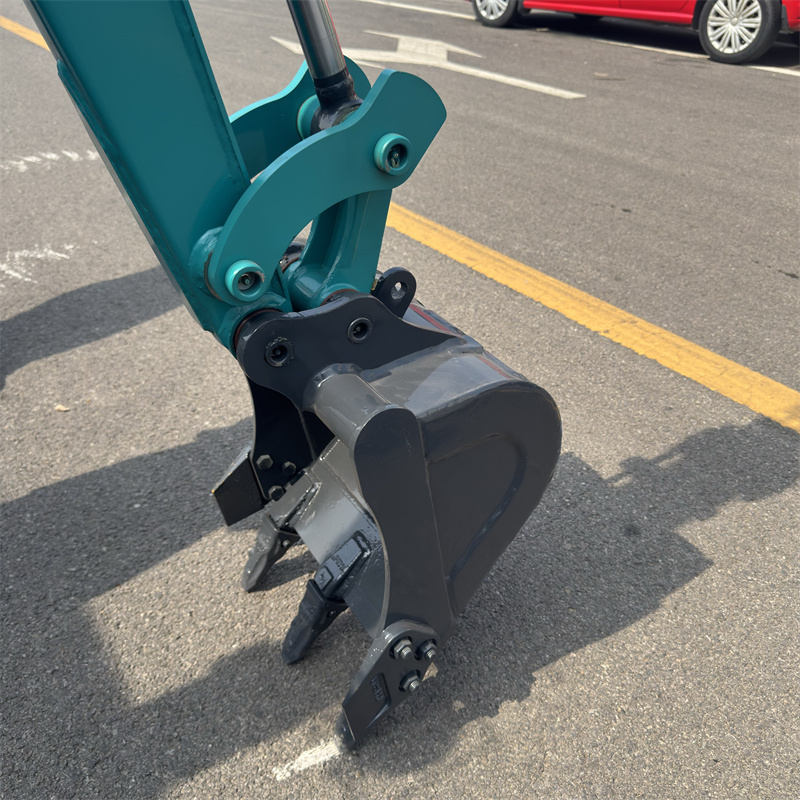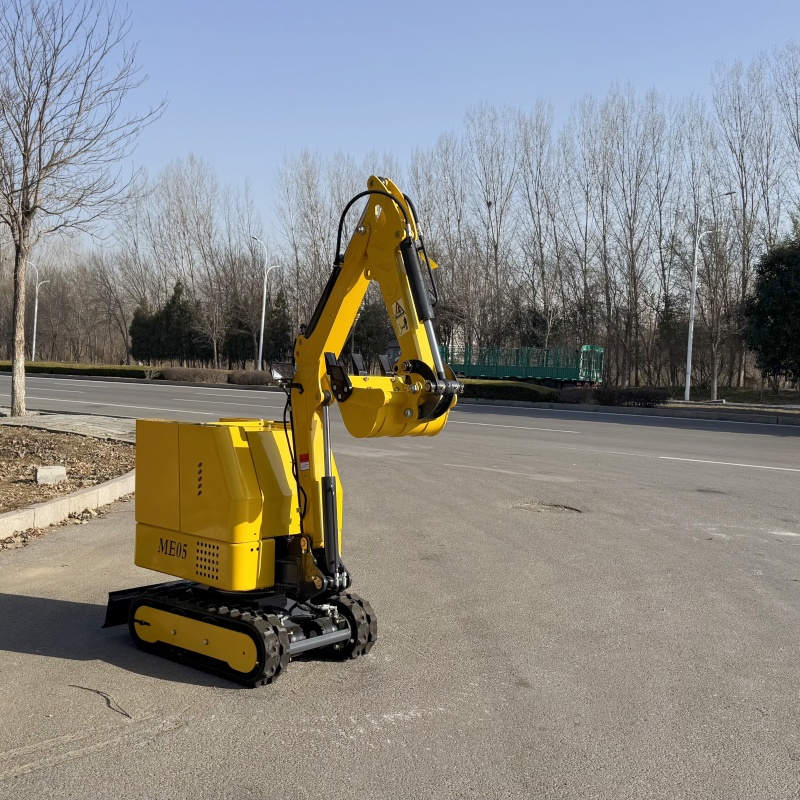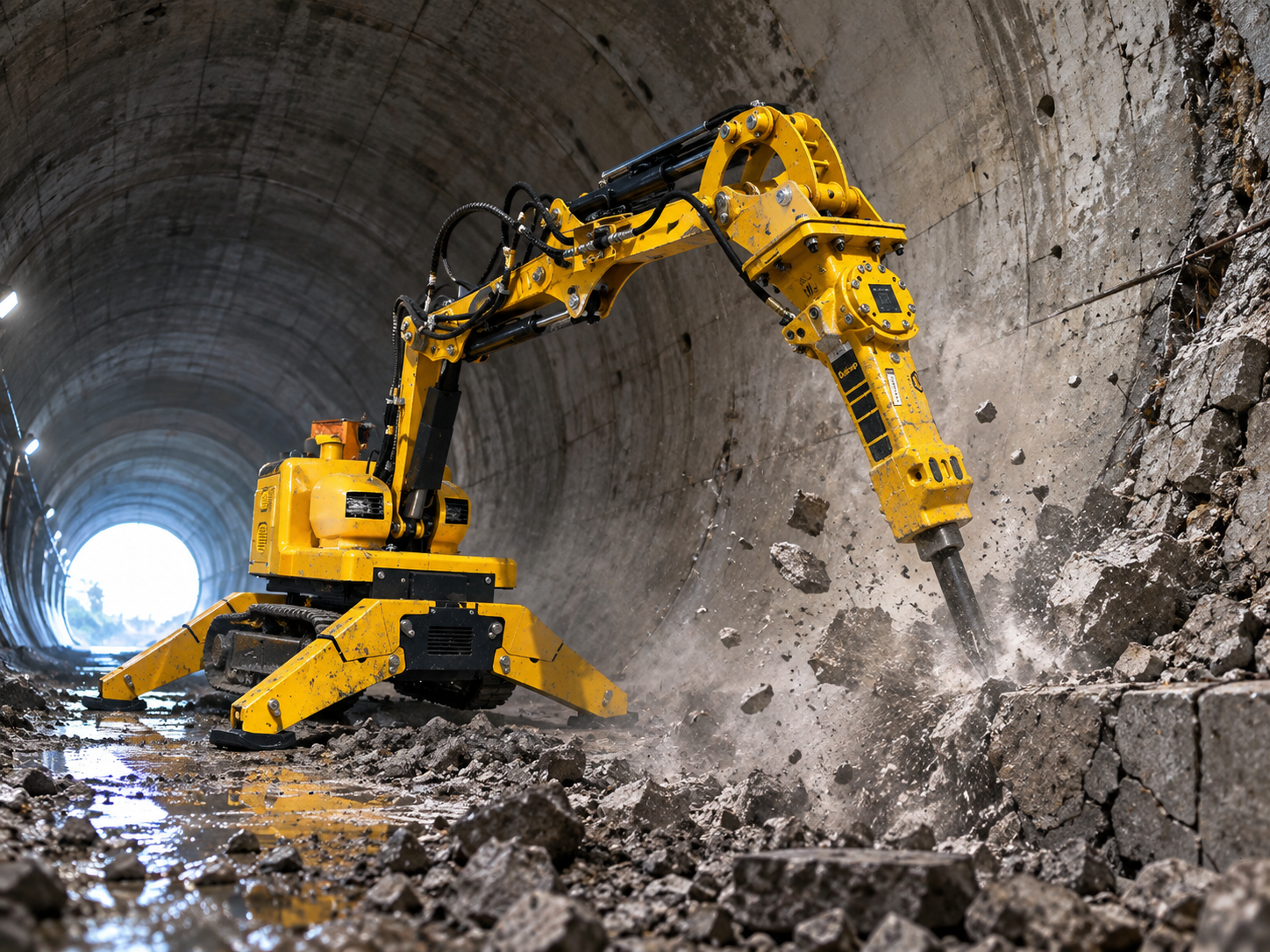
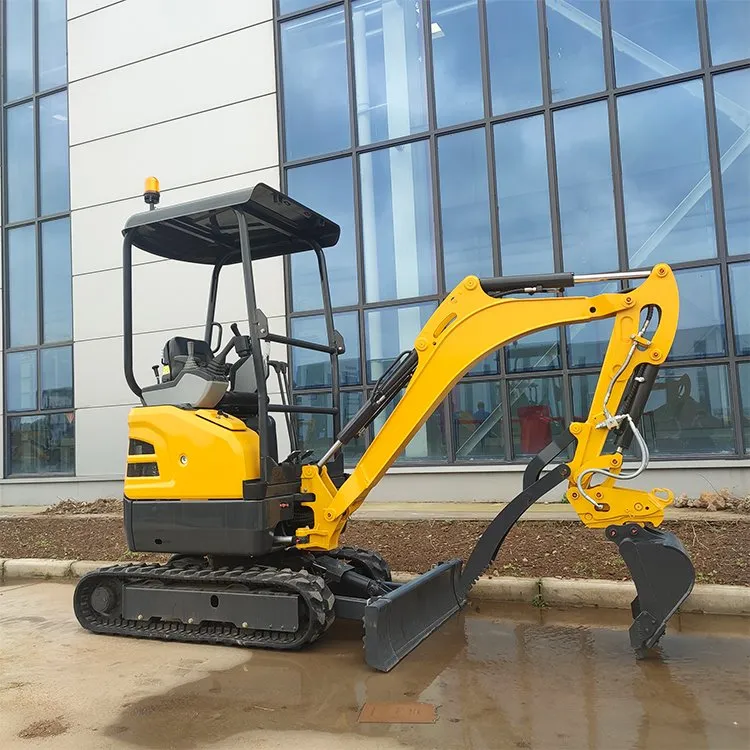
Hey there, fellow construction enthusiasts! I’m [Your Name], and I work as a supplier for [Generic Business Area] related to construction equipment. Today, I’m super stoked to chat with you about one of our amazing products: the Mini Small Excavator. And more specifically, I’ll be walking you through how to adjust the hydraulic pressure of this bad boy.
First off, why is it important to know how to adjust the hydraulic pressure in a mini small excavator? Well, the hydraulic system is the heart and soul of these machines. It’s responsible for powering the movement of the boom, arm, bucket, and other attachments. If the hydraulic pressure isn’t just right, you’re gonna notice a significant drop in performance. You might experience slow operation, uneven movement, or even risk damaging the components over time. So, getting that pressure dialed in is crucial for keeping your excavator running smoothly and efficiently.
Let’s start with the basics. Before you even think about adjusting the hydraulic pressure, there are a few things you gotta do. Safety first, guys! Make sure the excavator is parked on a flat, stable surface and turn off the engine. This will prevent any accidental movement while you’re working on the hydraulic system. Once that’s done, release any pressure that’s built up in the system. You can usually do this by slowly cycling the controls a few times until they stop moving.
Now, let’s talk about where you’ll find the hydraulic pressure adjustment components. Most mini small excavators, like our ME20 Excavator and Mini Crawer Hydraulic Excavator, have a hydraulic control valve block. This is where all the magic happens. The valve block contains the pressure relief valves, which are the key components when it comes to adjusting the hydraulic pressure.
To make the adjustment, you’ll need a few tools. A pressure gauge is an absolute must. This will help you measure the current pressure and make sure you’re making the right adjustments. You’ll also need a set of wrenches to loosen and tighten the nuts and bolts on the pressure relief valves.
Once you’ve got your tools ready, it’s time to locate the pressure relief valve. It’s usually clearly marked on the valve block. Before you start turning any knobs, take a reading of the current hydraulic pressure using your pressure gauge. This will give you a baseline to work from. Make sure to follow the manufacturer’s instructions on how to connect the pressure gauge properly.
Now, here’s the tricky part. To increase the hydraulic pressure, you’ll need to turn the adjustment screw on the pressure relief valve clockwise. Keep in mind that you should make small adjustments, like a quarter or half – turn at a time. After each adjustment, start the engine and check the pressure again using the gauge. Keep repeating this process until you reach the recommended pressure level specified in the excavator’s manual.
Conversely, if you need to decrease the hydraulic pressure, turn the adjustment screw counter – clockwise. Again, make small adjustments and check the pressure frequently. It’s important not to over – adjust, as this can lead to serious problems.
While you’re making these adjustments, pay close attention to how the excavator is performing. If you notice any strange noises, vibrations, or leaks, stop immediately. These could be signs of a more serious issue, and you don’t want to cause further damage by continuing to adjust the pressure.
Another thing to keep in mind is the temperature of the hydraulic fluid. The pressure can vary depending on whether the fluid is cold or hot. So, it’s best to make the adjustments when the fluid is at its normal operating temperature. This usually means letting the excavator run for a little while before you start the adjustment process.
Once you’ve got the hydraulic pressure set to the right level, double – check everything. Make sure all the nuts and bolts are tightened properly, and the pressure gauge shows a stable reading. Run the excavator through its full range of motions to make sure everything is working smoothly.
In addition to regular pressure adjustments, it’s also important to perform routine maintenance on your mini small excavator’s hydraulic system. This includes checking the fluid level, changing the hydraulic filter at the recommended intervals, and inspecting the hoses and connections for any signs of wear or damage.
Well, there you have it, folks! That’s a basic overview of how to adjust the hydraulic pressure of a mini small excavator. We’re really proud of our lineup of Mini Small Excavators, and we’re confident that with a little know – how, you’ll be able to keep them running at their best.
If you’re in the market for a new mini small excavator or have any questions about the hydraulic adjustment process, don’t hesitate to reach out. We’re here to help you make the right choice and ensure that your equipment performs at its peak. Whether you’re a seasoned pro or just starting out in the construction game, our team of experts is ready to assist you with all your excavator needs. So, let’s start a conversation and see how we can work together to get you the best equipment for your projects!
References
Manufacturer’s manual for Mini Small Excavator
Industry best practices for hydraulic system maintenance