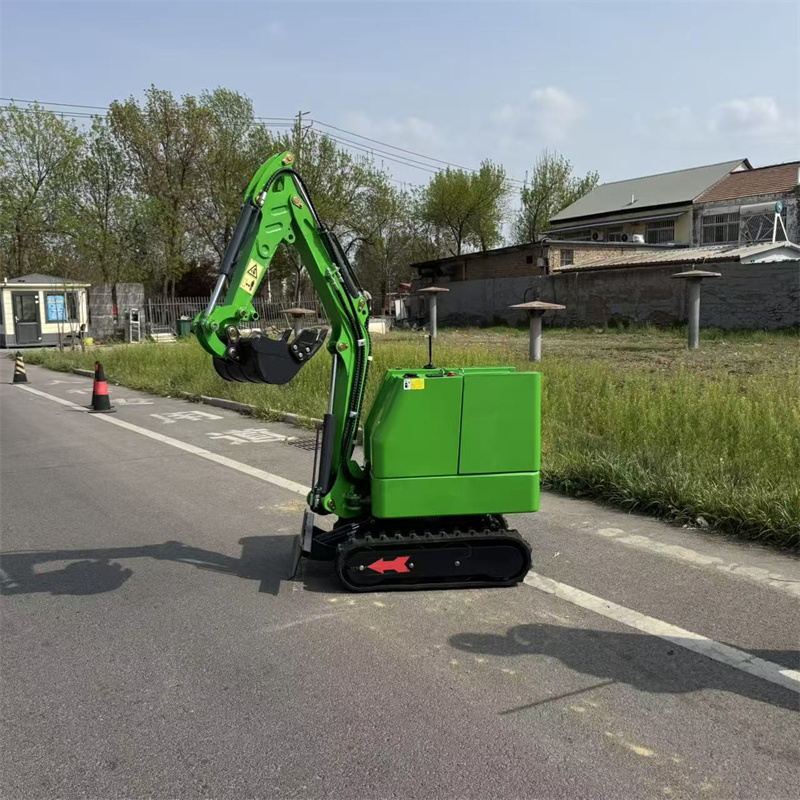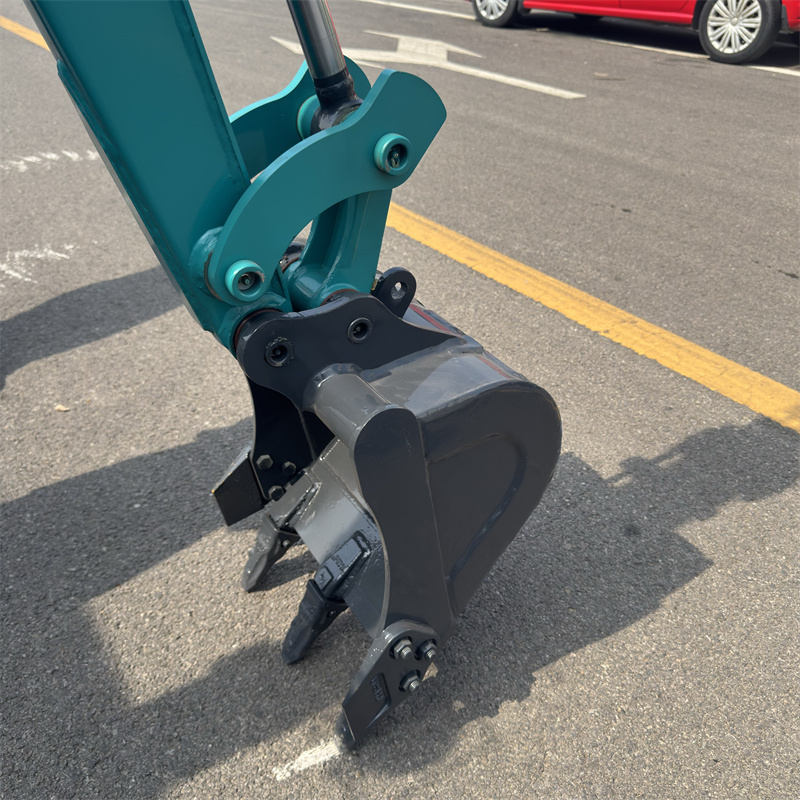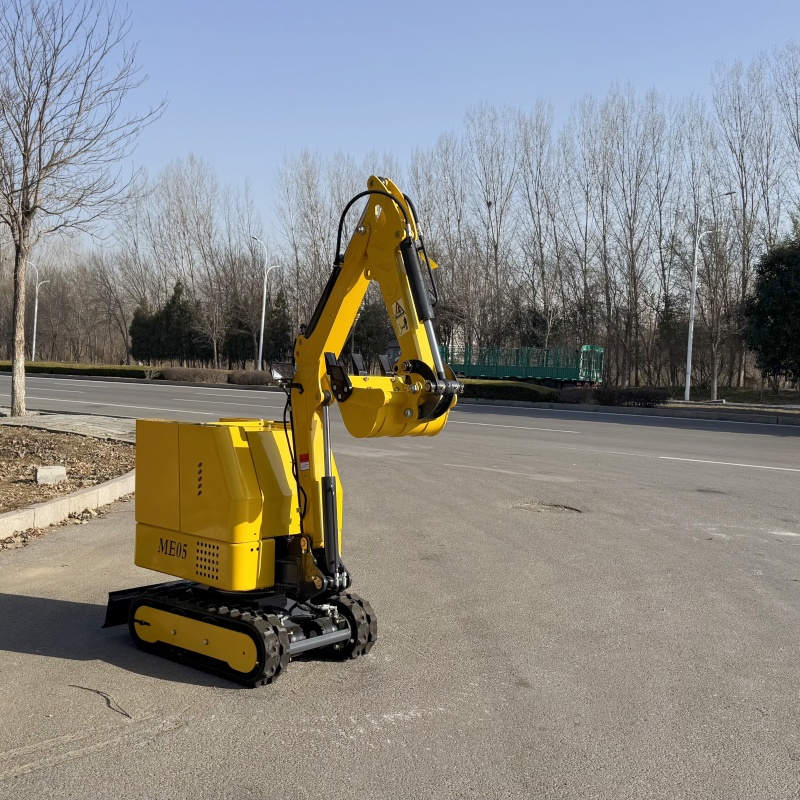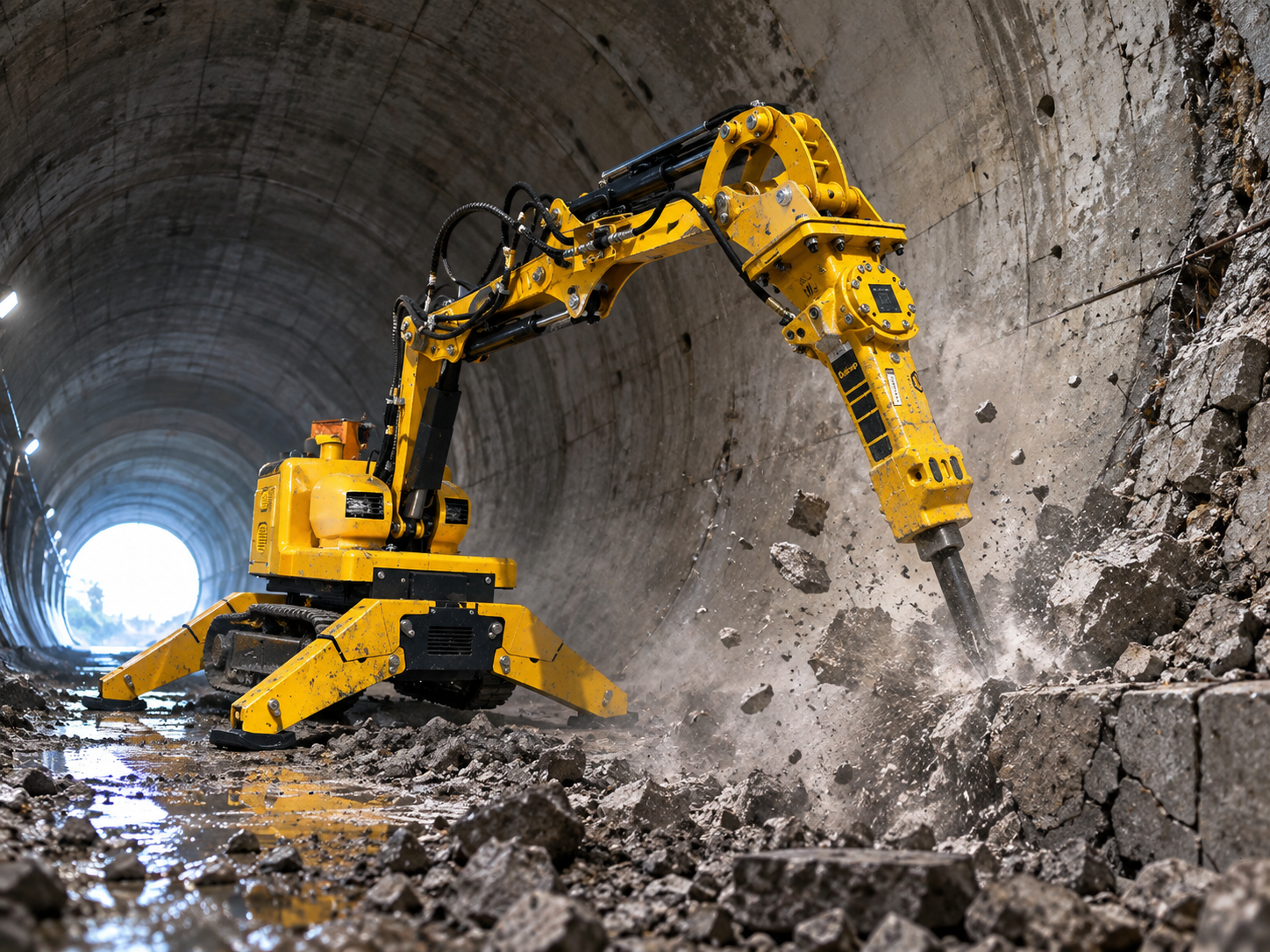
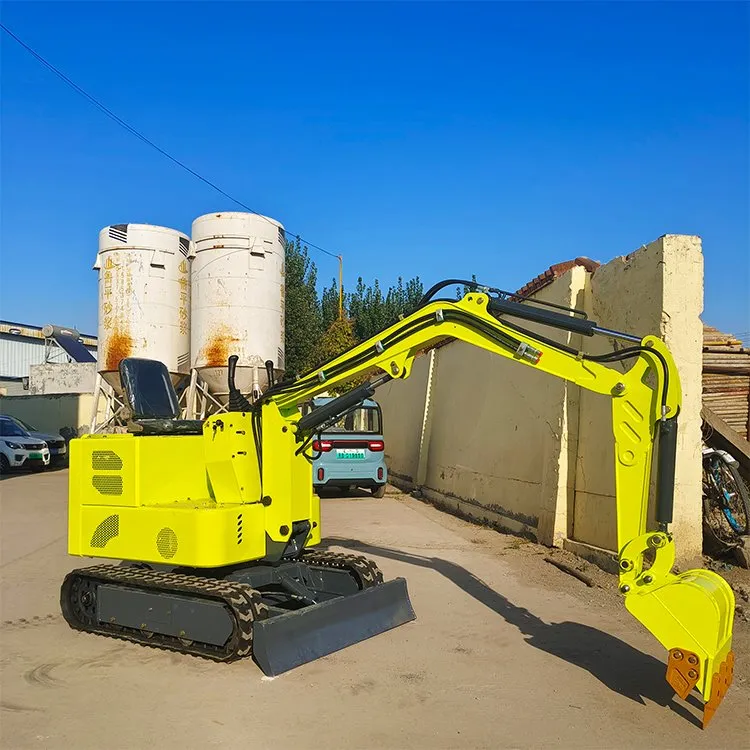
Proper lubrication of a mini excavator’s digging mechanisms is crucial for its smooth operation, longevity, and overall performance. As a supplier of Mini Excavator Digging equipment, I’ve seen firsthand how important it is to keep these parts well – lubricated. In this blog, I’ll share some tips on how to ensure the proper lubrication of a mini excavator’s digging mechanisms.
Understanding the Importance of Lubrication
Before we get into the how – to, let’s talk about why lubrication is so important. The digging mechanisms of a mini excavator, like the boom, arm, and bucket, are subject to a lot of friction and wear. Without proper lubrication, these parts can overheat, wear out quickly, and even break down. Lubricants reduce friction between moving parts, which not only extends the lifespan of the components but also improves the efficiency of the excavator. It also helps to prevent corrosion and rust, especially in harsh working environments.
Choosing the Right Lubricant
The first step in ensuring proper lubrication is choosing the right lubricant. Different parts of the digging mechanisms may require different types of lubricants. For example, the pins and bushings in the boom and arm usually need a high – quality grease. Grease has good adhesion properties, which means it stays in place and provides long – lasting lubrication.
When selecting a grease, look for one that has good load – carrying capacity, as the digging mechanisms of a mini excavator are often under heavy stress. It should also have good water resistance, as the equipment may be exposed to moisture during operation.
For hydraulic systems, which are also an important part of the digging mechanism, use a hydraulic fluid that meets the manufacturer’s specifications. Hydraulic fluids not only lubricate the components in the hydraulic system but also transfer power and control the movement of the boom, arm, and bucket.
Lubrication Schedule
Establishing a regular lubrication schedule is essential. The frequency of lubrication depends on several factors, such as the operating conditions, the type of work the excavator is doing, and the manufacturer’s recommendations.
In general, the pins and bushings should be greased daily or after every 8 – 10 hours of operation. This ensures that there is always a fresh layer of grease to reduce friction. For hydraulic systems, the fluid should be checked regularly, and a complete fluid change may be required every 1000 – 2000 hours of operation, depending on the quality of the fluid and the usage of the equipment.
Lubrication Procedure
Now, let’s talk about how to actually lubricate the digging mechanisms.
Greasing the Pins and Bushings
Clean the Fittings: Before applying grease, clean the grease fittings to remove any dirt, debris, or old grease. This prevents contaminants from entering the pin and bushing assembly.
Use the Right Tool: A good quality grease gun is essential. Make sure it’s in good working condition and filled with the appropriate grease.
Apply Grease: Attach the grease gun to the fitting and pump grease until you see fresh grease coming out from the sides of the bushing. This indicates that the old grease has been pushed out and the new grease has filled the space.
Wipe Off Excess Grease: After greasing, wipe off any excess grease from the fittings and surrounding areas. This helps to keep the area clean and reduces the risk of attracting dirt.
Maintaining the Hydraulic System
Check the Fluid Level: Regularly check the hydraulic fluid level in the reservoir. The level should be between the minimum and maximum marks on the dipstick or sight glass.
Inspect for Leaks: Look for any signs of hydraulic fluid leaks around the hoses, fittings, and cylinders. Leaks can not only lead to a loss of fluid but also cause damage to other components.
Change the Filter: The hydraulic filter helps to remove contaminants from the fluid. Replace the filter at the recommended intervals to ensure the cleanliness of the hydraulic fluid.
Monitoring and Inspection
In addition to following a regular lubrication schedule, it’s important to monitor and inspect the digging mechanisms for signs of wear and proper lubrication.
Check the pins and bushings for any signs of excessive wear, such as play or abnormal noise. If you notice any issues, it may be a sign that the lubrication is not sufficient or that there is a problem with the components themselves.
For the hydraulic system, pay attention to the performance of the excavator. If you notice a decrease in power, slow operation, or erratic movement, it could be due to a problem with the hydraulic fluid or the system.
Storage and Handling of Lubricants
Proper storage and handling of lubricants are also important. Store lubricants in a cool, dry place away from direct sunlight and heat sources. This helps to maintain the quality of the lubricants.
When handling lubricants, make sure to use clean containers and tools to prevent contamination. Contaminated lubricants can cause damage to the components of the digging mechanisms.
Conclusion
Ensuring the proper lubrication of a mini excavator’s digging mechanisms is not a difficult task, but it requires attention to detail and a commitment to regular maintenance. By choosing the right lubricants, following a proper lubrication schedule, and monitoring the equipment, you can keep your mini excavator running smoothly and efficiently for years to come.
If you’re in the market for a mini excavator, we offer a range of high – quality products, including the Home Use Mini Excavator with Rubber Track, Crawler Electric Excavator, and Excavator 1.5 Ton. If you have any questions or are interested in purchasing our products, feel free to reach out to us for a procurement discussion.
References
Manufacturer’s manuals for mini excavators
Industry standards for lubrication of construction equipment