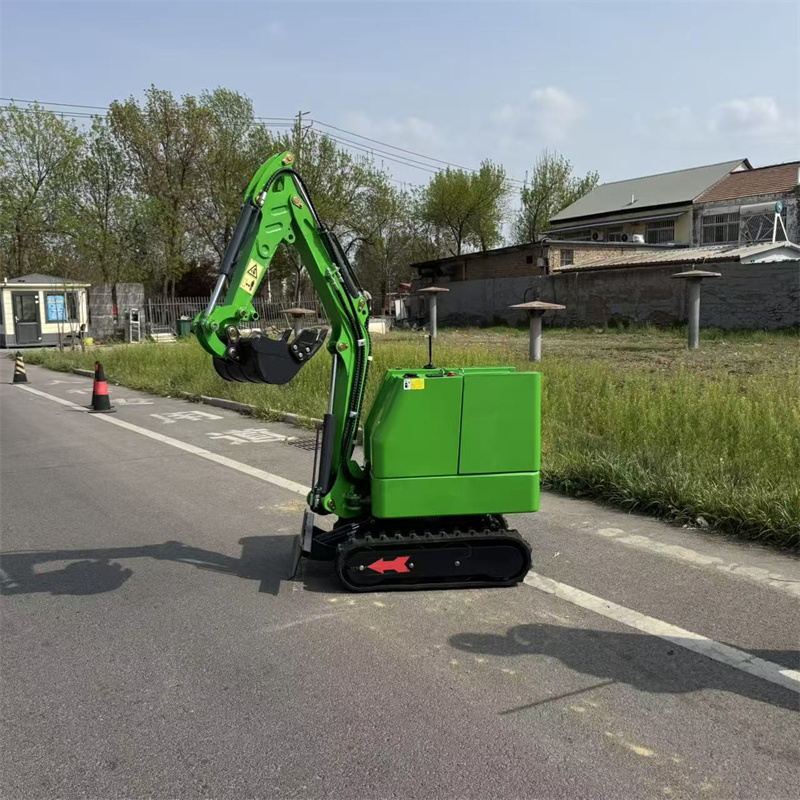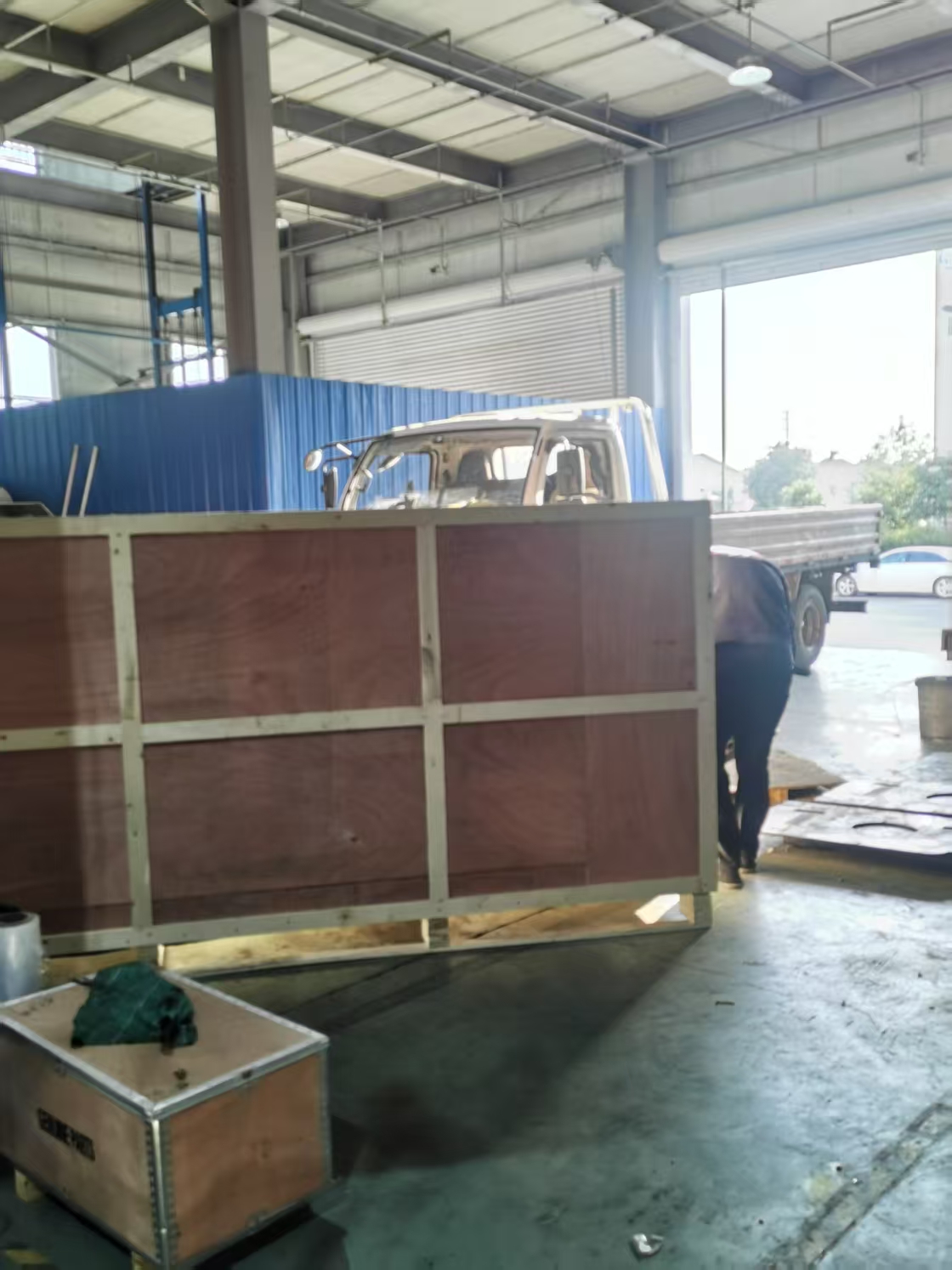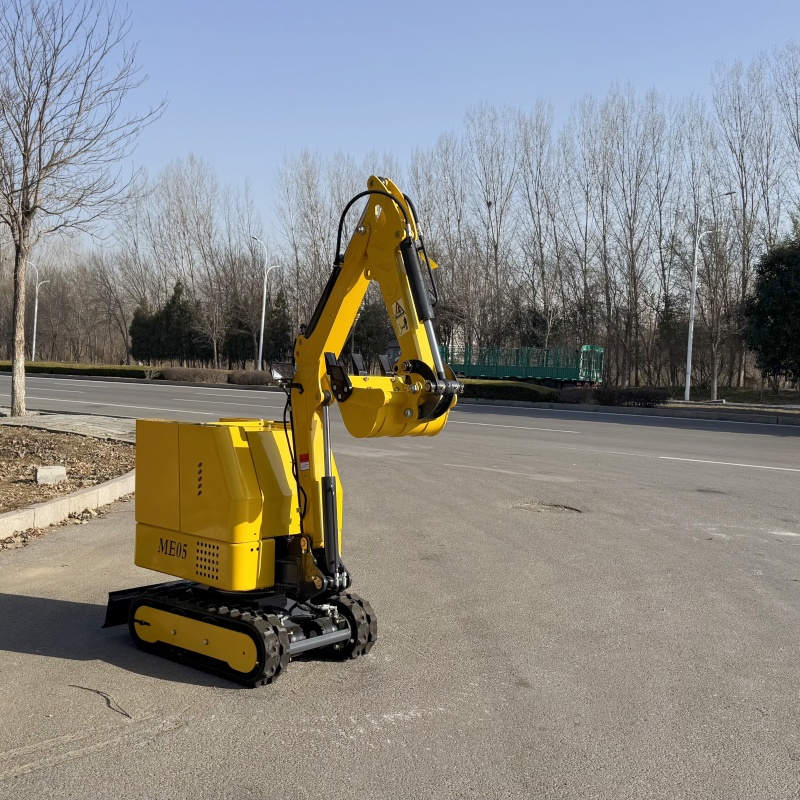
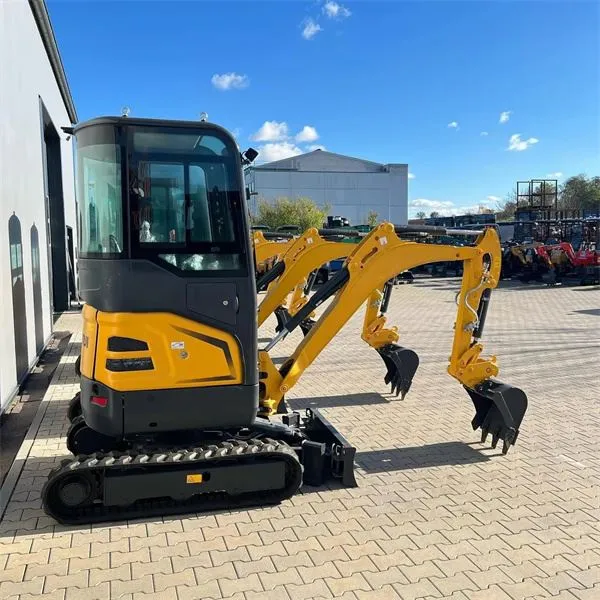
Hey there! I’m a supplier of 2 Ton Mini Excavators, and I often get asked about how to transport these little powerhouses. It’s not as straightforward as you might think, so I’m here to share some tips and tricks based on my experience.
First off, let’s talk about why you’d want to transport a 2 Ton Mini Excavator in the first place. These machines are super versatile and can be used in a variety of construction, landscaping, and utility projects. But since they’re not exactly portable like a hand – held tool, you’ll need to figure out the best way to move them from one job site to another.
Choosing the Right Transport Method
There are a few different ways to transport a 2 Ton Mini Excavator, and the choice depends on several factors like distance, cost, and available equipment.
Trailers
One of the most common ways is by using a trailer. A flatbed trailer is a great option as it provides a stable platform for the excavator. You can find trailers specifically designed for transporting heavy equipment. When choosing a trailer, make sure it has a sufficient weight capacity. A 2 Ton Mini Excavator weighs around 2 tons, so the trailer should be able to handle at least that much, plus a bit of extra for safety.
Before loading the excavator onto the trailer, you need to prepare the trailer. Check the tires for proper inflation and the brakes to ensure they’re working correctly. Also, make sure the trailer is clean and free of any debris that could damage the excavator.
Loading the excavator onto the trailer requires some skill. You’ll need to use ramps. Make sure the ramps are long enough and have a proper angle. A steep ramp can cause the excavator to tip forward or backward during loading. Slowly drive the excavator up the ramps, keeping it centered on the trailer. Once it’s on the trailer, secure it using heavy – duty straps. Attach the straps to the designated tie – down points on the excavator and the trailer. This will prevent the excavator from shifting during transit.
Trucks
If you’re transporting the excavator over a long distance, a truck with a built – in flatbed might be a better option. Some trucks are specifically designed for hauling heavy equipment. They offer more stability and are often equipped with features like air brakes and advanced suspension systems.
When using a truck, the loading process is similar to using a trailer. However, trucks usually have more space and can be easier to maneuver in some situations. But they also come with a higher cost, both in terms of purchase and operation.
Pre – Transport Checks
Before you start the journey, it’s crucial to perform a series of pre – transport checks on the excavator itself.
Mechanical Checks
Check the engine oil, coolant, and hydraulic fluid levels. Low levels can cause problems during transit or at the destination. Inspect the tracks or wheels for any signs of damage. Worn – out tracks can make the excavator unstable during loading and unloading. Also, check the brakes to ensure they’re functioning properly.
Safety Features
Make sure all the safety features of the excavator are in working order. This includes the seatbelt, lights, and emergency stop button. If any of these are not working, it’s best to fix them before transporting the machine.
Securing Loose Parts
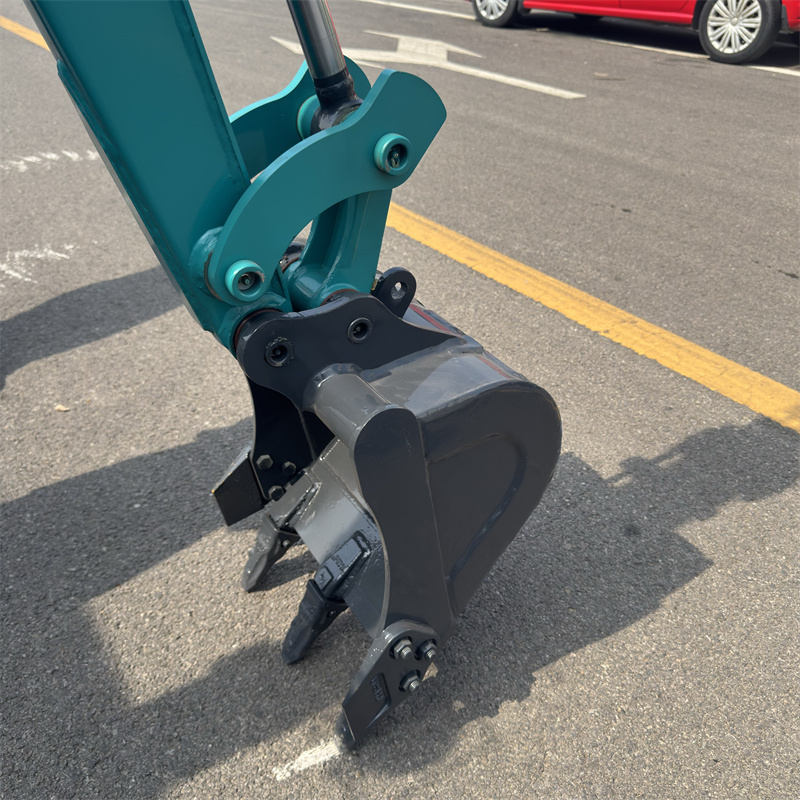
Remove any loose parts from the excavator, such as buckets or attachments. If they can’t be removed, secure them tightly so they don’t fall off during transit.
Legal Requirements
When transporting a 2 Ton Mini Excavator, you need to comply with various legal requirements.
Permits
Depending on the size and weight of the excavator, you may need to obtain a special permit for transportation. This is especially true if you’re crossing state or national borders. Check with your local transportation department to find out what permits are required.
Licensing
The person operating the transport vehicle (trailer or truck) must have the appropriate license. For heavy equipment transportation, a commercial driver’s license (CDL) may be required. Make sure the driver is properly licensed and trained to handle the load.
On – the – Road Considerations
Once you’re on the road, there are a few things to keep in mind to ensure a safe journey.
Speed
Drive at a reasonable speed. A 2 Ton Mini Excavator is a heavy load, and driving too fast can cause the vehicle to become unstable. Also, sudden stops or starts can put stress on the straps and the excavator itself.
Braking
Give yourself plenty of time to brake. The extra weight of the excavator will increase the stopping distance. Anticipate stops well in advance and brake gently.
Weather Conditions
Be extra cautious in adverse weather conditions. Rain, snow, or high winds can make the road surface slippery and the load more difficult to handle. If possible, avoid transporting the excavator during bad weather.
Our 2 Ton Mini Excavator Offerings
We offer a range of 2 Ton Mini Excavators that are not only powerful but also eco – friendly. Check out our Eco – Friendly 2 Ton Digger. It’s designed to reduce emissions and fuel consumption without compromising on performance.
Another great option is our ME25 Electric Excavator. It runs on electricity, which means lower operating costs and a smaller carbon footprint.
If you’re looking for a traditional 2 Ton Mini Excavator, we’ve got you covered with our 2 Ton Mini Excavator. It’s built to last and can handle a variety of tasks.
Conclusion
Transporting a 2 Ton Mini Excavator requires careful planning, proper equipment, and compliance with legal requirements. By following these tips, you can ensure a safe and successful transport. If you’re in the market for a 2 Ton Mini Excavator or have any questions about transportation, don’t hesitate to reach out. We’re here to help you with all your equipment needs and can provide more detailed advice on transporting our machines. Let’s start a conversation about your project and see how our 2 Ton Mini Excavators can fit in.
References
Construction Equipment Handbook
Local Transportation Department Regulations