
Hey there! As a supplier of electric machines, I’ve been deeply involved in the industry for quite some time. One area that’s always fascinated me is the aerospace sector. The requirements for electric machines in aerospace are truly out of this world – literally! Let’s dive into what makes these requirements so special.
Extreme Environmental Conditions
Aerospace is a tough neighborhood for electric machines. First off, we’ve got temperature extremes. Up in the sky, temperatures can drop to well below freezing, and during re – entry or high – speed flight, they can soar to incredibly high levels. Electric machines need to be able to handle these temperature swings without losing their performance.
For example, the insulation materials used in the windings of electric motors have to be carefully selected. They need to remain stable and maintain their electrical properties over a wide temperature range. If the insulation breaks down due to temperature stress, it can lead to short – circuits and motor failure. And you definitely don’t want that happening when you’re thousands of feet in the air!
Another environmental factor is vibration. Aircraft are constantly in motion, and the vibrations can be quite intense. Electric machines need to be designed to withstand these vibrations without coming apart or suffering from loose connections. We use special mounting techniques and vibration – damping materials to ensure that our electric machines can hold up under these conditions.
High Reliability and Safety
In aerospace, reliability is non – negotiable. A single failure in an electric machine can have catastrophic consequences. That’s why we put our electric machines through rigorous testing procedures. We simulate all sorts of real – world scenarios, from normal flight conditions to emergency situations.
Redundancy is also a key concept. Many aerospace systems have backup electric machines or components. If one fails, the backup can take over and keep the system running. This adds an extra layer of safety, but it also means that the electric machines need to be compact and lightweight so that they don’t add too much extra weight to the aircraft.
Safety is also about electrical isolation. Electric machines need to be designed in such a way that there is no risk of electrical shock to the crew or passengers. We use advanced insulation and grounding techniques to ensure that the electrical current stays where it’s supposed to and doesn’t pose a danger.
High Power – to – Weight Ratio
Weight is a major concern in aerospace. Every extra pound of weight means more fuel consumption and less payload capacity. So, electric machines in aerospace need to have a high power – to – weight ratio.
We’re constantly working on improving the efficiency of our electric machines. By using advanced materials like high – strength magnets and lightweight copper alloys, we can increase the power output while reducing the weight. For example, permanent – magnet motors are becoming increasingly popular in aerospace because they offer a high power – to – weight ratio compared to traditional motors.
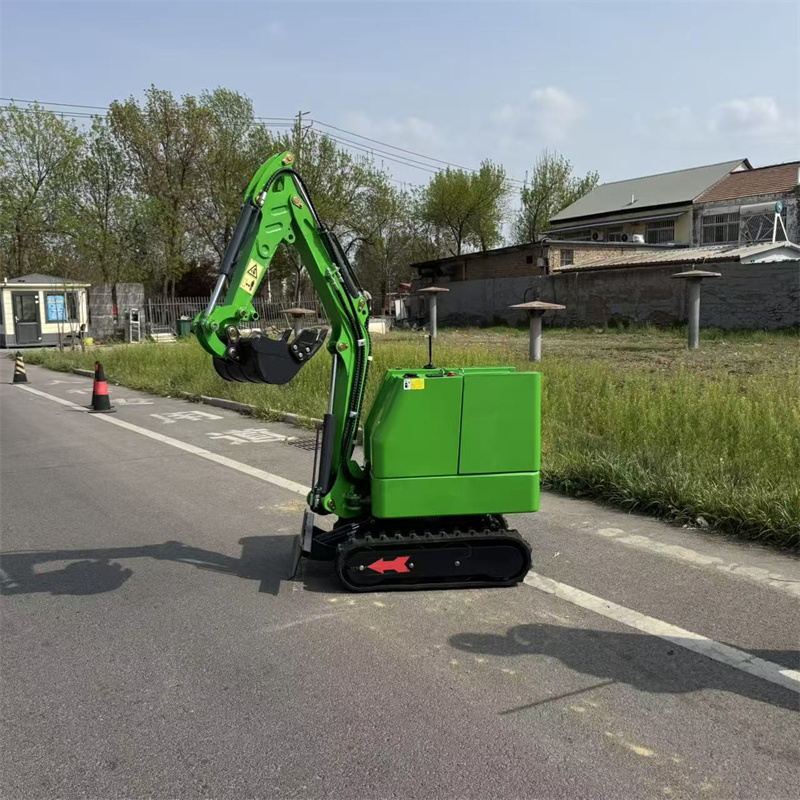
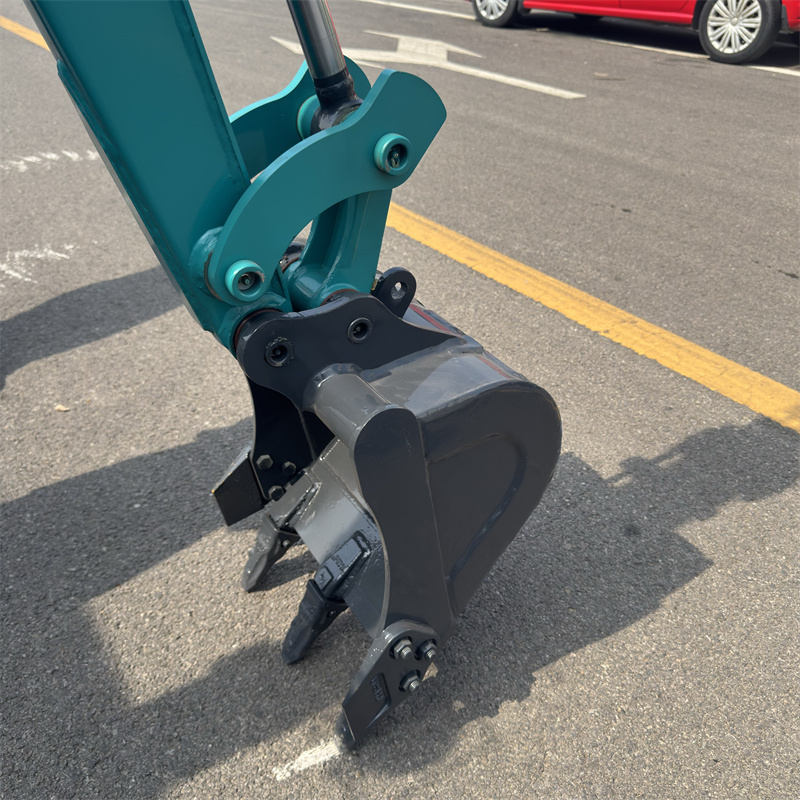
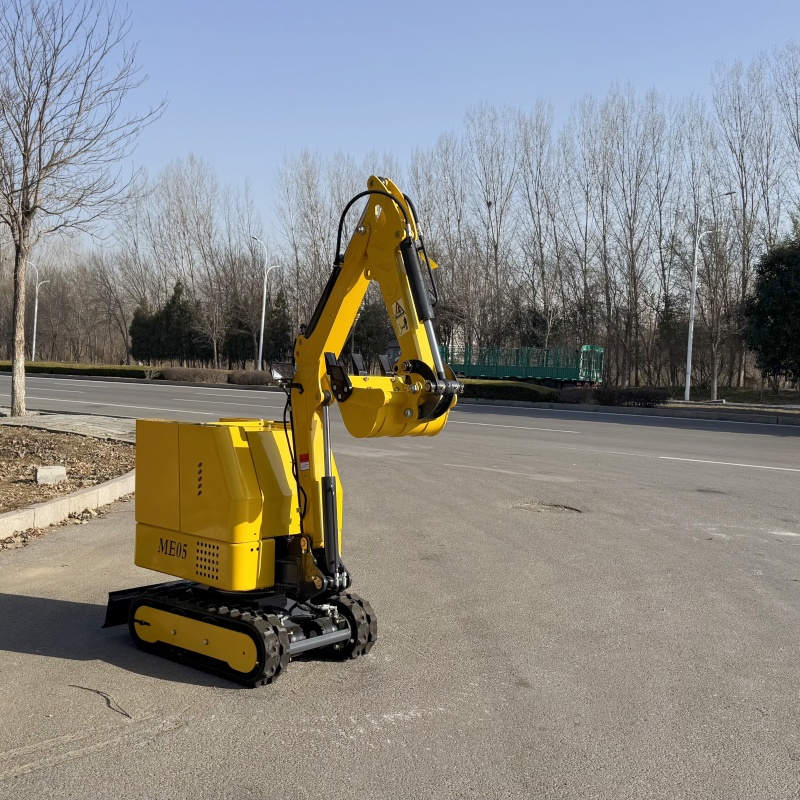
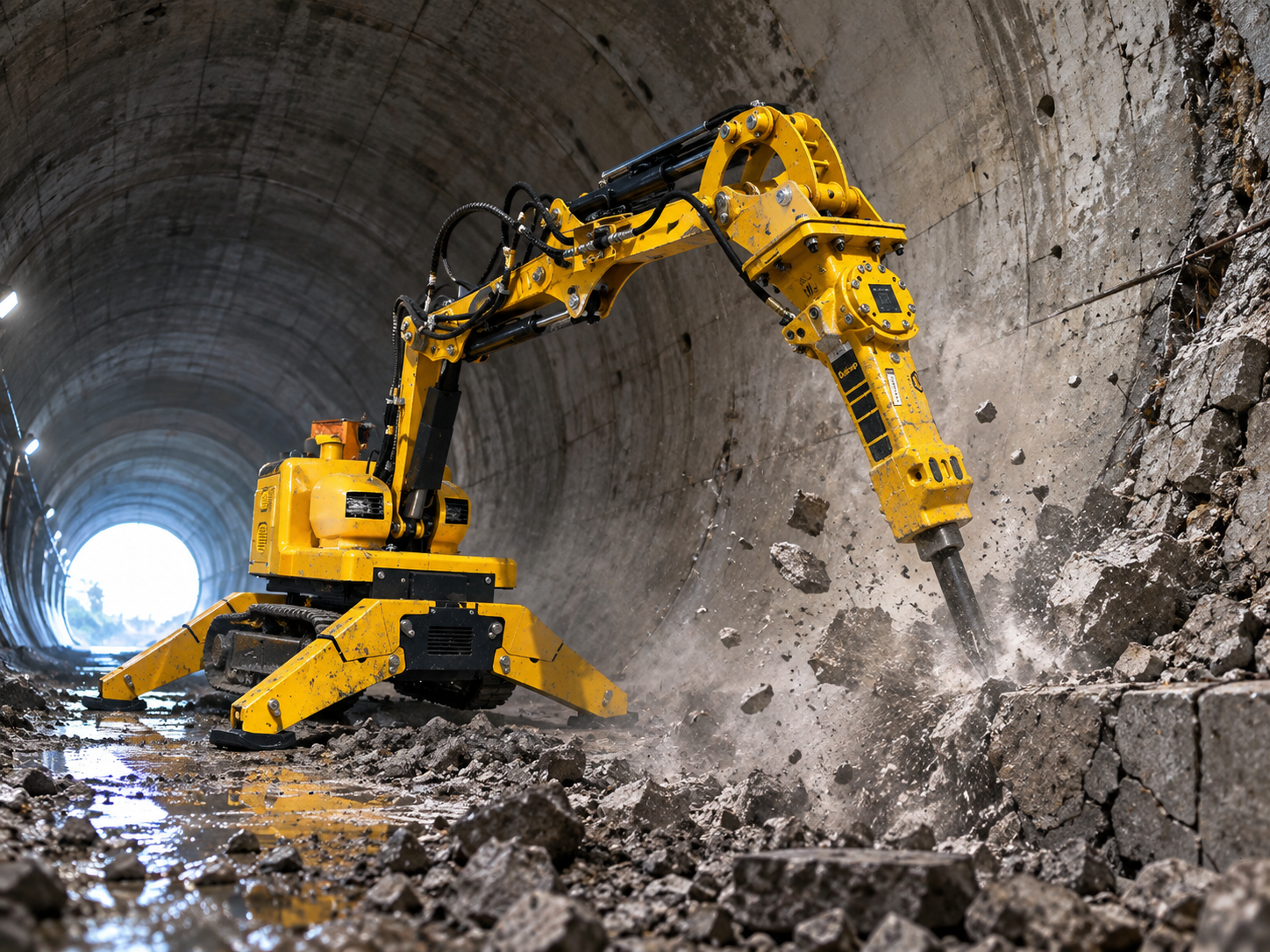
Take a look at some of our products, like the ME08 Lithium Battery Electric Mini Excavator. Although it’s not strictly an aerospace product, it showcases our expertise in designing high – performance electric machines. The same principles of efficiency and power – to – weight ratio apply across different industries.
Precise Control
Aerospace applications often require precise control of electric machines. For example, in flight control systems, the electric motors need to be able to respond quickly and accurately to commands from the pilot or the autopilot.
We use advanced control algorithms and sensors to achieve this level of precision. The sensors can measure things like speed, position, and torque, and the control algorithms can adjust the motor’s performance accordingly. This ensures that the aircraft can maneuver smoothly and safely.
Compatibility with Aerospace Systems
Electric machines in aerospace need to be compatible with the rest of the aircraft’s systems. They need to be able to communicate with the avionics, the power distribution system, and other onboard equipment.
This means that we need to follow strict standards and protocols when designing our electric machines. We work closely with aerospace engineers to ensure that our products fit seamlessly into the overall aircraft design. For example, the electrical interfaces need to be standardized so that the electric machines can be easily integrated into the existing systems.
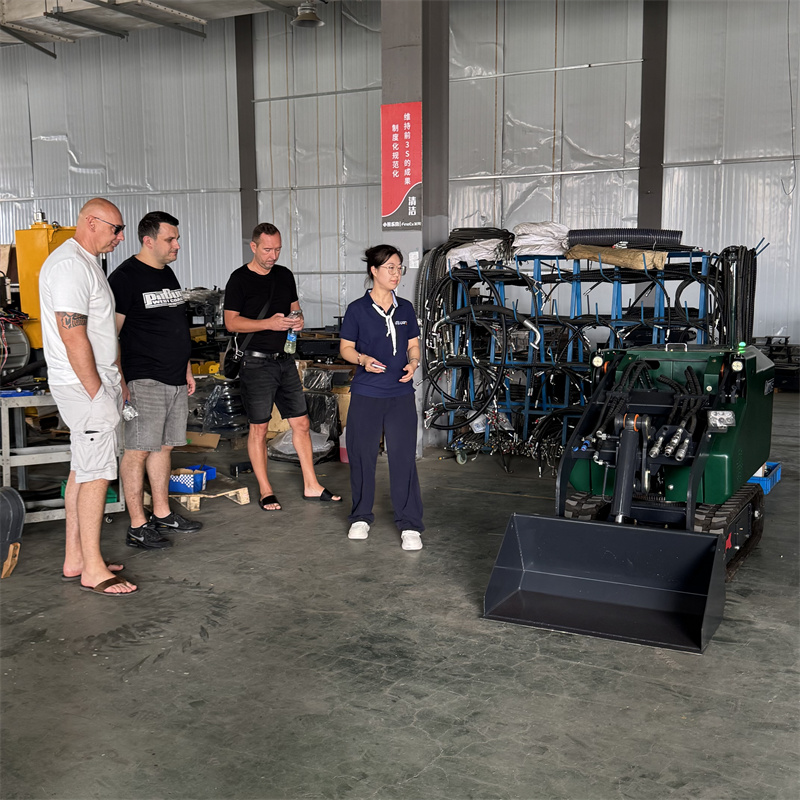
Let’s talk about another one of our great products, the ME08 Mini Battery Excavator. While it’s used in construction, the same attention to detail in terms of compatibility and integration applies to our aerospace – bound electric machines.
EMI and RFI Considerations
Electromagnetic interference (EMI) and radio – frequency interference (RFI) are big issues in aerospace. Electric machines can generate electromagnetic fields that can interfere with other electronic equipment on the aircraft, such as radios, navigation systems, and communication devices.
We use shielding techniques to reduce the EMI and RFI emissions from our electric machines. The shielding materials can block the electromagnetic fields and prevent them from causing interference. This is crucial for maintaining the proper functioning of all the aircraft’s electronic systems.
Low Noise and Acoustic Emissions
Noise can be a problem in aerospace, both for the comfort of the passengers and the crew and for the overall performance of the aircraft. Electric machines can generate noise during operation, and this needs to be minimized.
We design our electric machines with low – noise features. This includes using special bearings, optimizing the motor’s geometry, and using noise – absorbing materials. For example, in an aircraft’s ventilation system, a quiet electric motor can make a big difference in the overall noise level inside the cabin.
Conclusion
So, as you can see, the requirements for electric machines in aerospace are very special. From extreme environmental conditions to high reliability, power – to – weight ratio, precise control, and more, every aspect of the design and manufacturing process needs to be carefully considered.
If you’re in the aerospace industry and are looking for high – quality electric machines that meet these demanding requirements, we’d love to talk to you. Whether you need a motor for a flight control system, a generator for the aircraft’s power supply, or any other electric machine, we’ve got the expertise and the products to meet your needs. Just reach out to us, and let’s start a conversation about how we can work together to take your aerospace projects to new heights.
And if you’re interested in our other products, check out the Mini Excavator for Indoor Use. It’s a great example of our commitment to innovation and quality in the electric machine industry.
References
“Aerospace Electric Machines and Drives” by various authors
Industry standards and guidelines for aerospace electrical systems
Technical papers on high – performance electric machines in aerospace applications