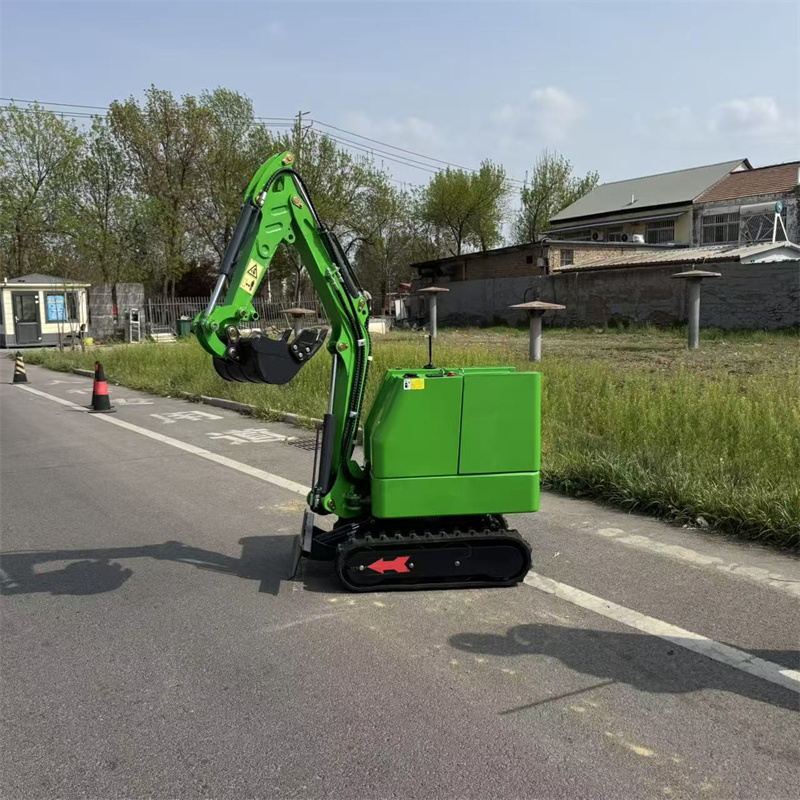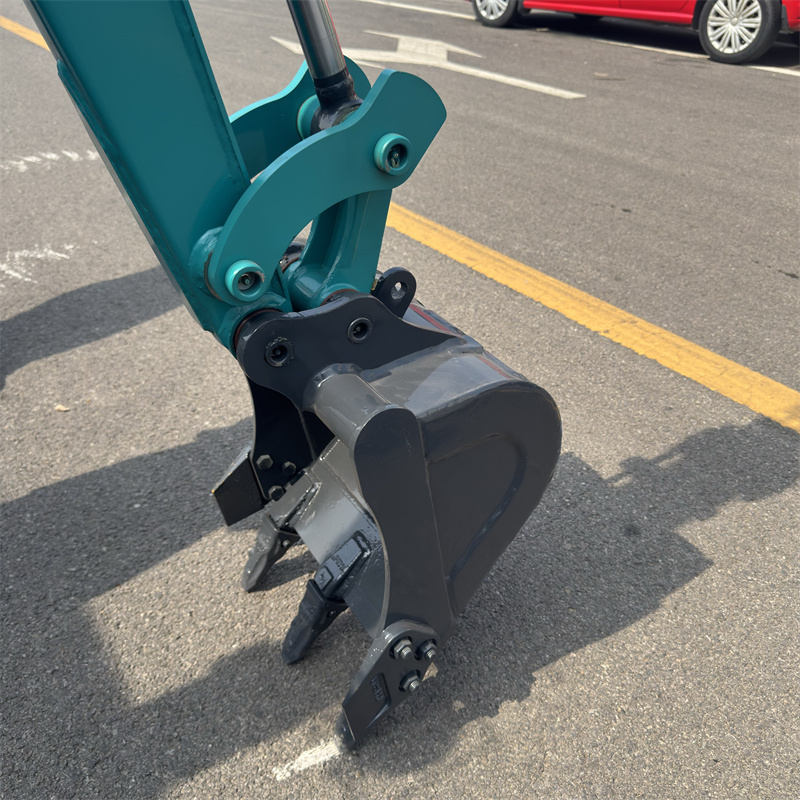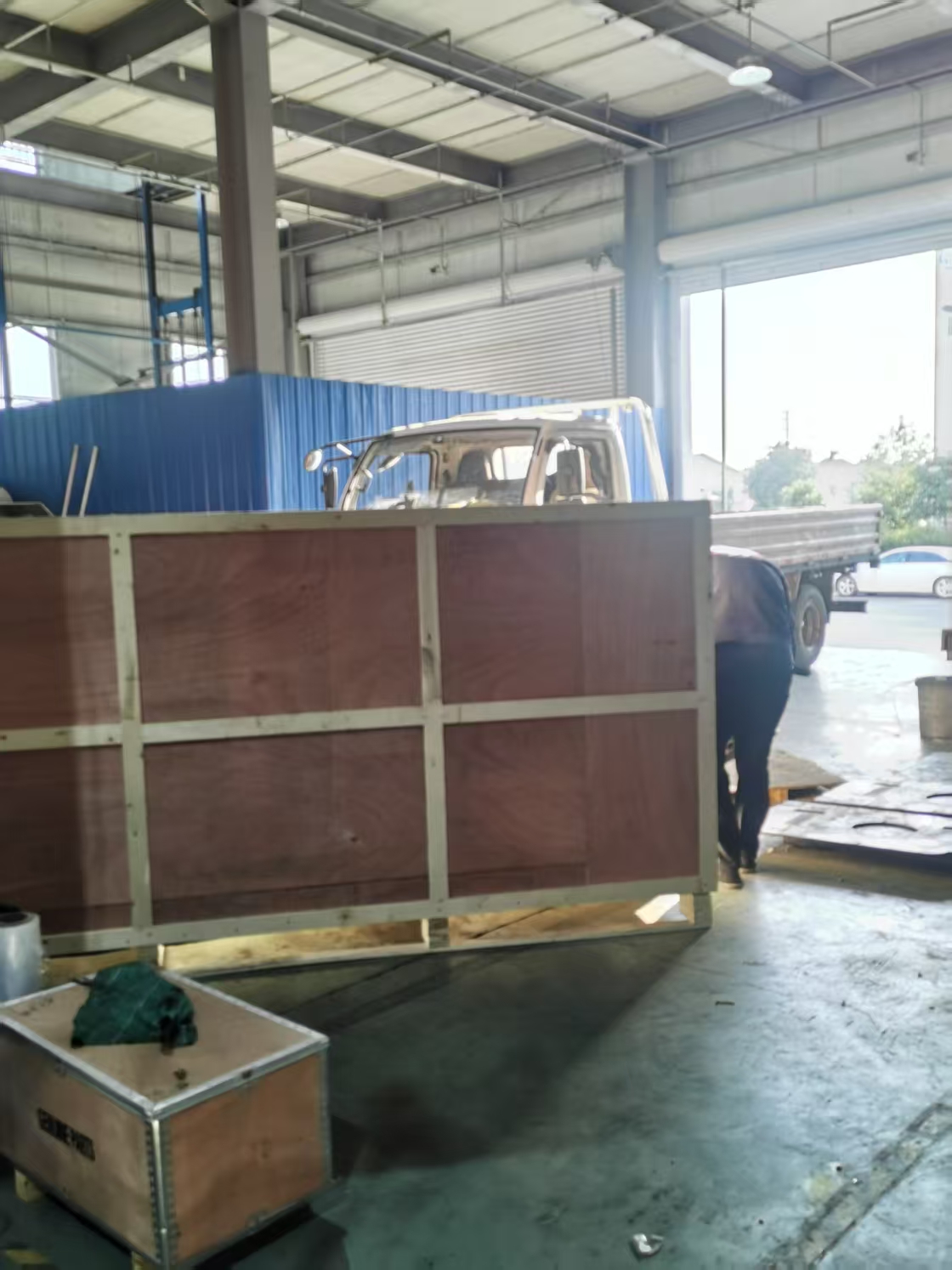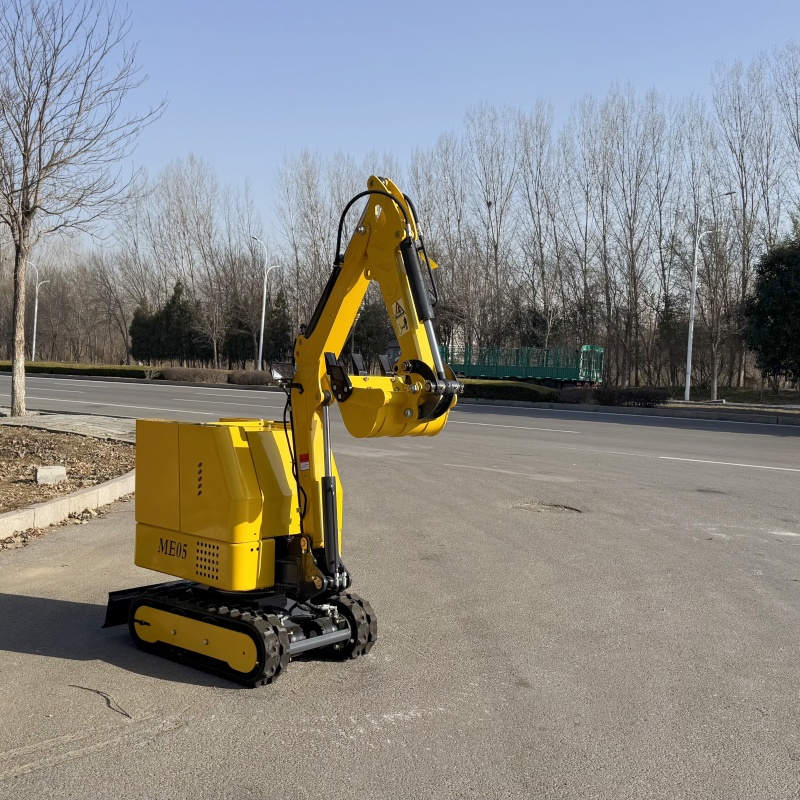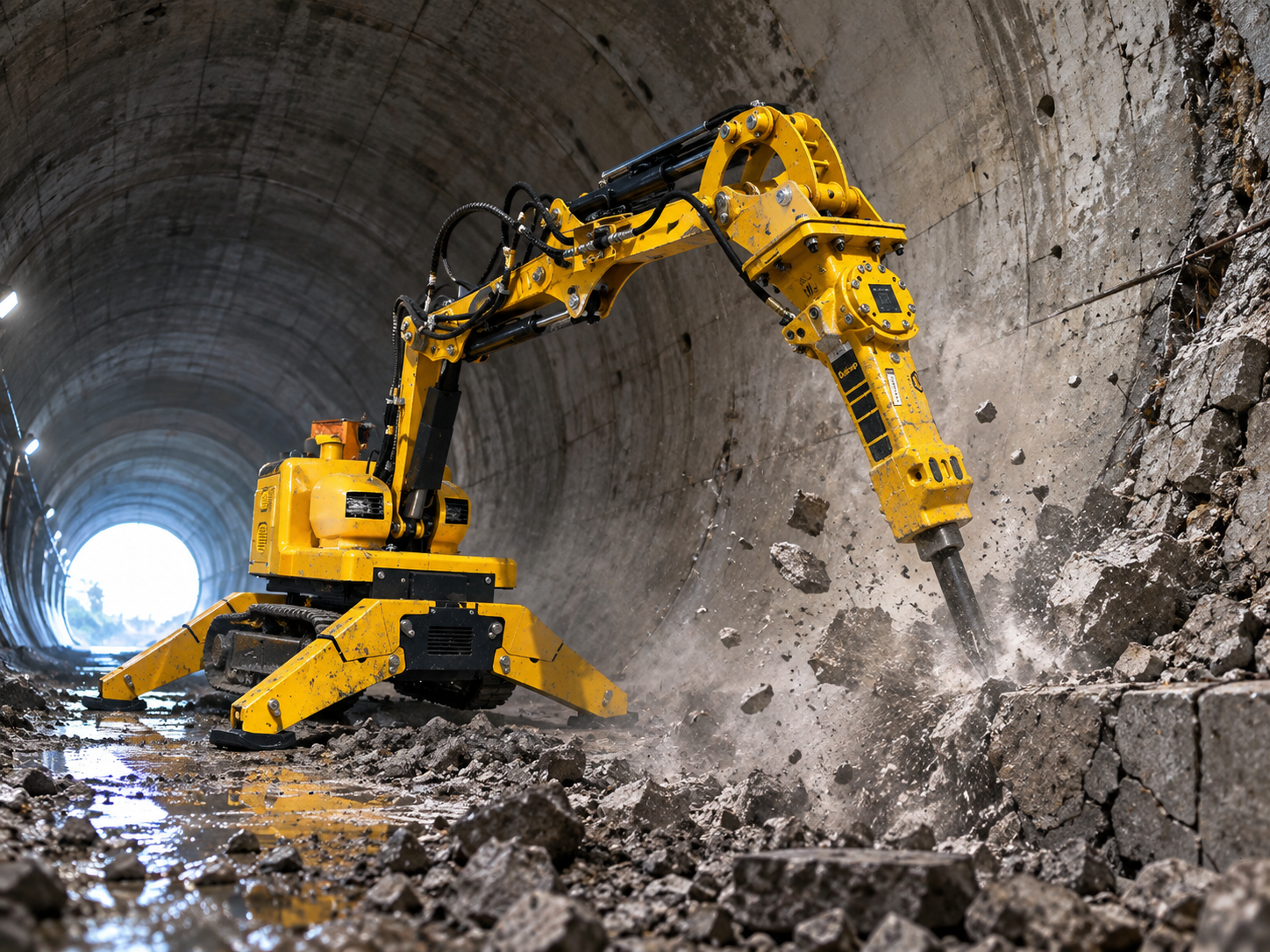
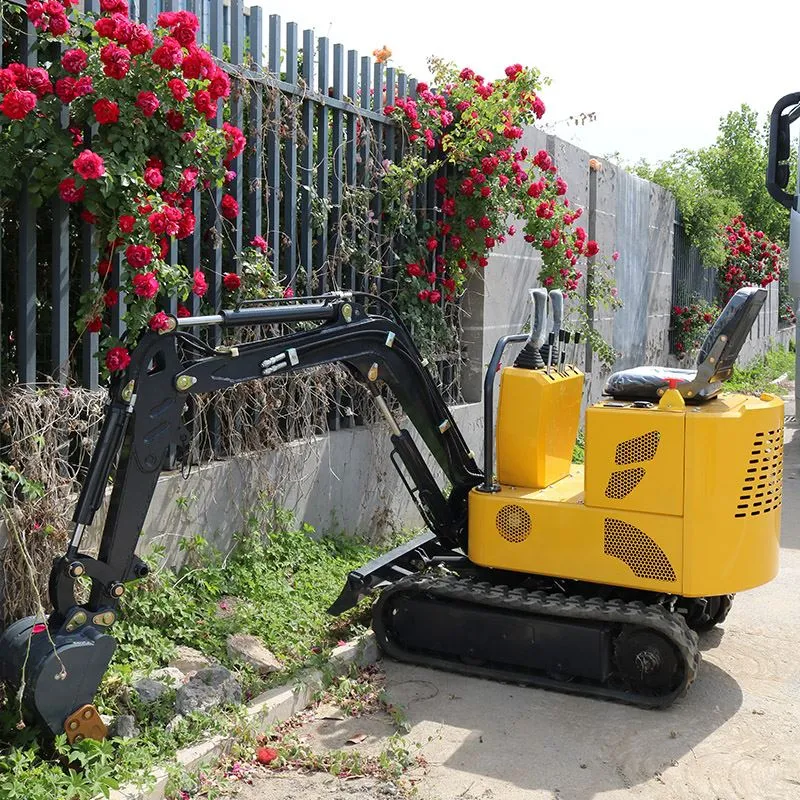
As a seasoned supplier of mini excavators, I understand the importance of proper storage for these valuable machines. Mini excavators are versatile and powerful tools, but they can be vulnerable to damage if not stored correctly. In this blog post, I’ll share the best practices for storing a mini excavator to ensure its longevity and optimal performance.
Pre – storage Preparation
Before storing your mini excavator, a thorough cleaning is essential. Dirt, mud, and debris can accumulate on the machine during operation, which may lead to corrosion over time. Use a high – pressure washer to clean the exterior of the excavator, paying special attention to hard – to – reach areas such as the undercarriage, boom, and bucket.
Next, check the fluid levels. This includes engine oil, hydraulic fluid, coolant, and fuel. If the fluid levels are low, top them up. However, if the fuel has been sitting for a long time, it may be a good idea to drain it and refill with fresh fuel to prevent issues like fuel oxidation and the growth of microorganisms.
Inspect the mini excavator for any signs of wear or damage. Look for loose bolts, damaged hoses, or worn – out parts. Addressing these issues before storage can prevent further damage and costly repairs down the line. Replace any damaged parts and tighten loose bolts.
Indoor Storage
Indoor storage is the ideal option for mini excavators, especially if you plan to store the machine for an extended period. A dry, climate – controlled warehouse or garage can protect the excavator from the elements.
When storing indoors, position the mini excavator on a flat and level surface. This helps prevent uneven stress on the tracks or wheels and the machine’s frame. You can also use wheel chocks to prevent any accidental movement.
To protect the paintwork and prevent scratches, cover the excavator with a breathable cover. This cover should be large enough to fully enclose the machine and made of a material that allows air circulation to prevent moisture buildup.
Outdoor Storage
If indoor storage is not available, outdoor storage can be an alternative. However, it requires additional precautions. First, choose a storage location that is elevated and well – drained to prevent waterlogging. Avoid areas prone to flooding.
Install a canopy or shelter over the mini excavator to protect it from direct sunlight, rain, and snow. The shelter should be sturdy enough to withstand strong winds and heavy snow loads.
Apply a protective coating to the exposed metal parts of the mini excavator. This can be a rust – inhibiting spray or a wax – based product. This coating helps prevent rust and corrosion caused by exposure to the elements.
Battery Storage
The battery is a critical component of the mini excavator. If you’re storing the machine for an extended period, it’s best to remove the battery. Store the battery in a cool, dry place and keep it charged. You can use a battery maintainer to keep the battery at an optimal charge level.
Before reconnecting the battery when you’re ready to use the excavator again, clean the battery terminals with a wire brush to remove any corrosion.
Track and Undercarriage Maintenance
For mini excavators with tracks, proper track maintenance during storage is crucial. Check the track tension and adjust it if necessary. Over – tightened or loose tracks can cause premature wear.
Lift the mini excavator slightly off the ground using jacks to relieve the pressure on the tracks. This helps prevent flat spots from forming on the tracks, which can affect the machine’s performance and maneuverability.
Regular Check – ups
Even during storage, it’s important to perform regular check – ups on the mini excavator. Visit the storage location at least once a month to inspect the machine. Look for signs of damage, leaks, or any other issues.
If the mini excavator is stored outdoors, check the shelter or canopy for any damage. Repair any holes or tears to ensure continued protection from the elements.
Our Mini Excavator Models
At our company, we offer a wide range of high – quality mini excavators, such as the New Mini1.2 Ton Pilot Excavator, the ME10 Mini Farm Garden Home Hydraulic Excavator With CE EPA, and the ME05 500kg Crawler Electric Excavator. These models are built to last and perform well in various applications. By following the proper storage guidelines, you can ensure that your investment in our mini excavators serves you for a long time.
If you’re in the market for a mini excavator or have any questions about storage or maintenance, don’t hesitate to contact us. We’re here to provide you with the best advice and products to meet your needs.
References
Construction Equipment Guide. (2023). Best Practices for Storing Construction Equipment. Retrieved from various industry – related articles on constructionequipmentguide.com.
Manufacturer’s Manuals. (2023). Operating and Maintenance Manuals for Mini Excavators. Different manufacturers’ official manuals.