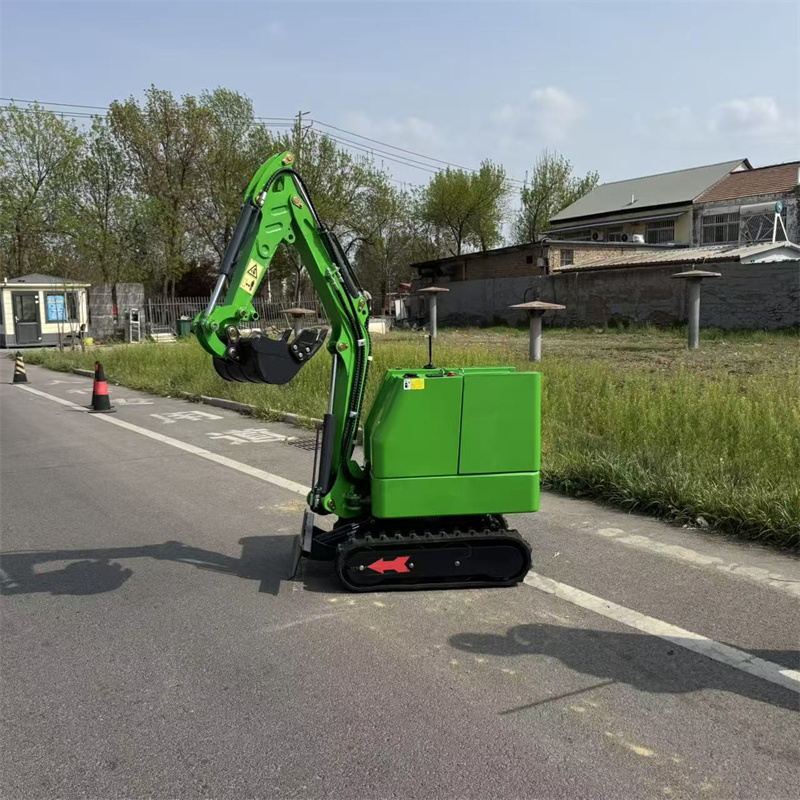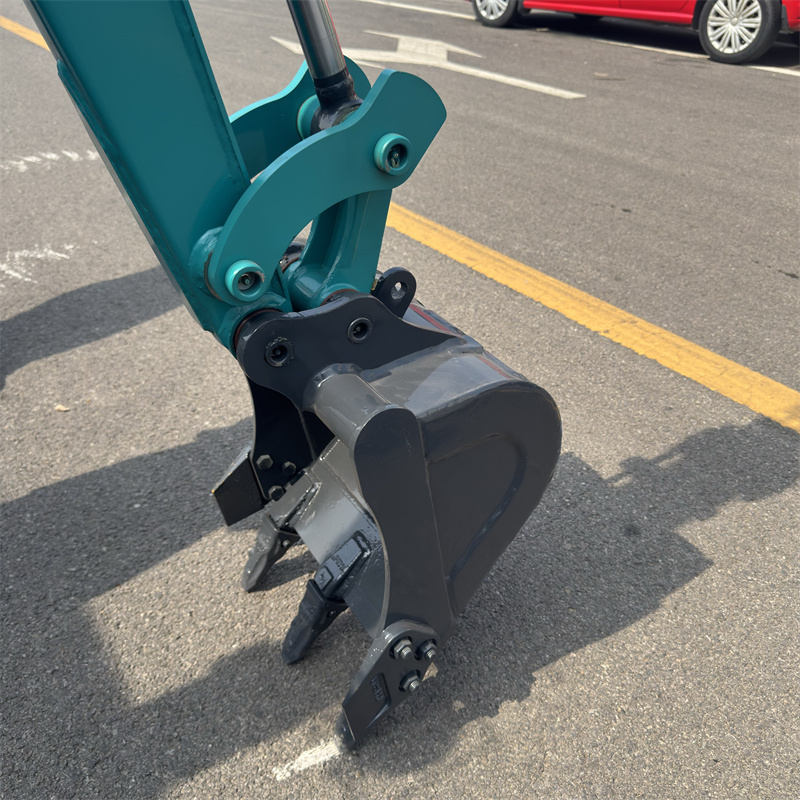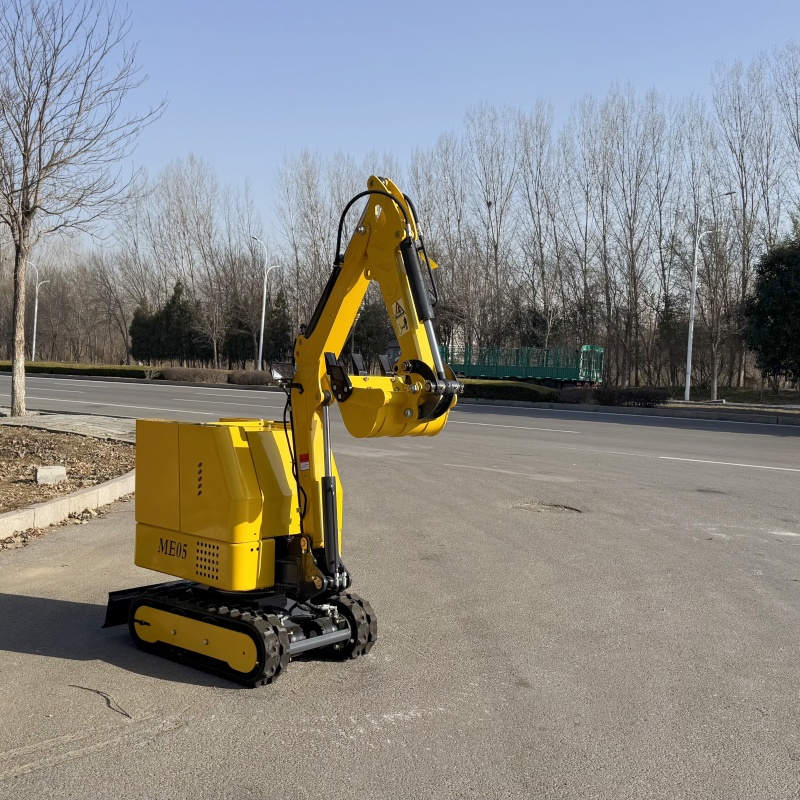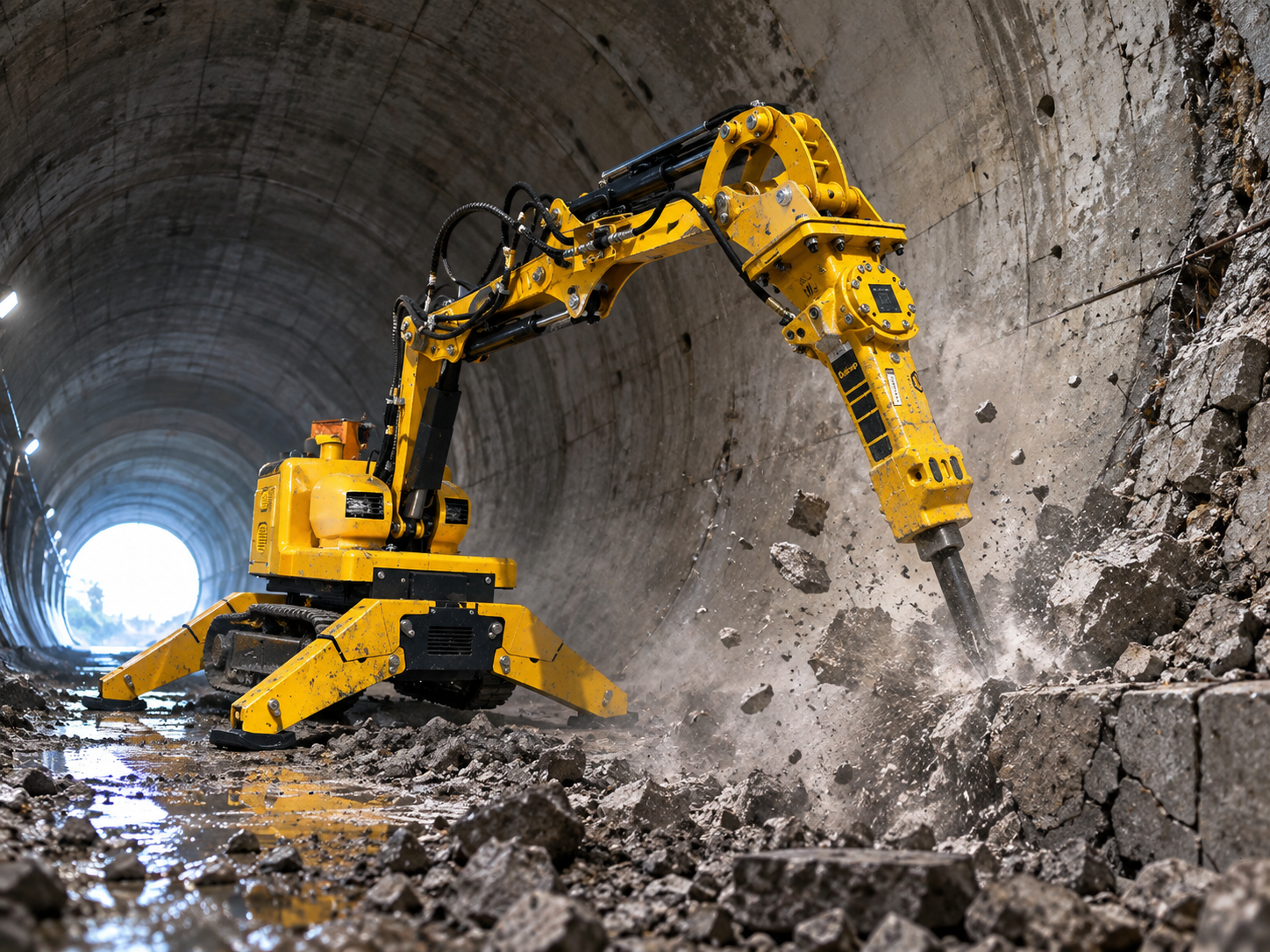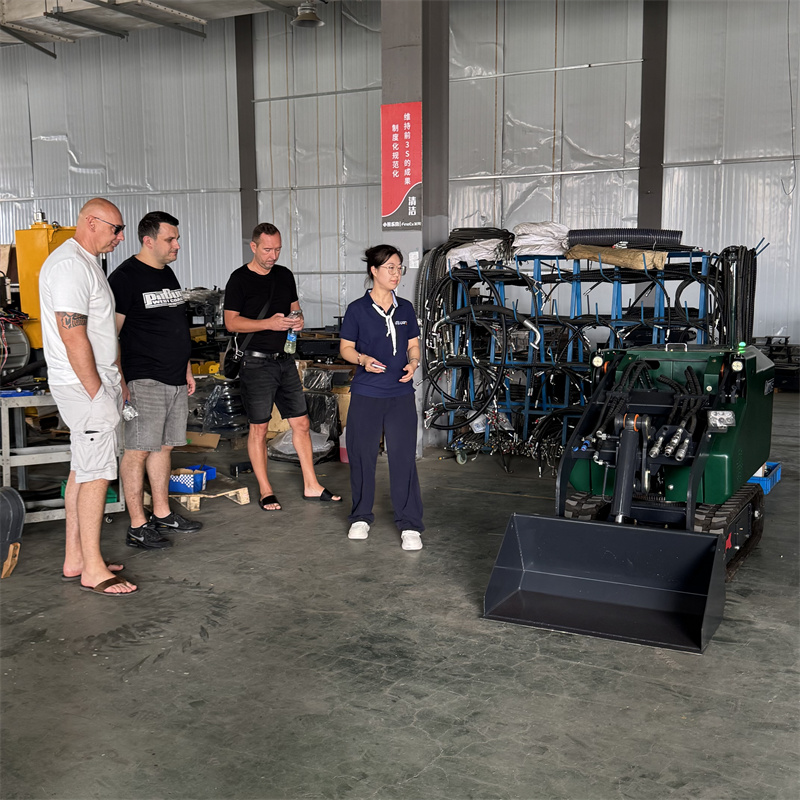
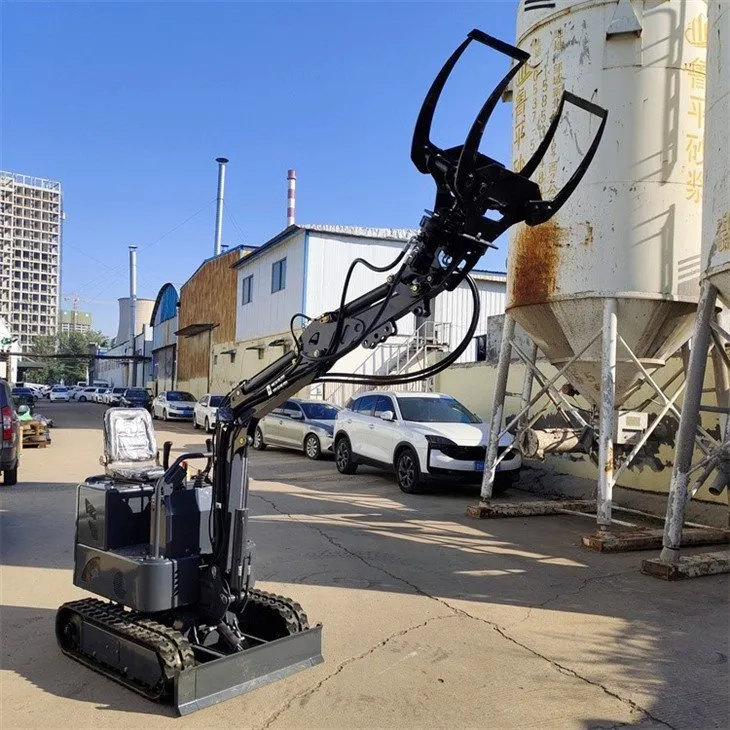
As a supplier of Battery Mini Excavators, I’ve witnessed firsthand the rapid evolution of these remarkable machines. One of the most critical aspects of a battery-powered mini excavator is its battery cooling system. In this blog, we’ll delve into what the cooling system for the battery in a mini excavator is, why it’s essential, and how it works.
Why is a Battery Cooling System Necessary?
Before we explore the cooling system itself, let’s understand why it’s so crucial for the batteries in mini excavators. Lithium-ion batteries, which are commonly used in electric mini excavators, are sensitive to temperature. Operating at high temperatures can significantly reduce the battery’s lifespan and performance. Excessive heat can cause the battery to degrade faster, leading to a shorter overall cycle life. Additionally, high temperatures can increase the risk of thermal runaway, a potentially dangerous situation where the battery overheats and can even catch fire or explode.
On the other hand, extremely low temperatures can also affect the battery’s performance. Cold temperatures can increase the internal resistance of the battery, reducing its ability to deliver power efficiently. This can result in reduced operating time and slower machine performance.
A well-designed cooling system helps maintain the battery within an optimal temperature range, ensuring consistent performance, extending the battery’s lifespan, and enhancing safety.
Types of Battery Cooling Systems
There are several types of cooling systems used in battery-powered mini excavators, each with its own advantages and disadvantages.
Air Cooling
Air cooling is one of the simplest and most cost-effective cooling methods. In an air-cooled system, fans are used to blow air over the battery packs. The moving air absorbs the heat generated by the batteries and carries it away.
Advantages:
Simplicity: Air cooling systems are relatively simple in design and require fewer components compared to other cooling methods. This makes them easier to install, maintain, and repair.
Cost: They are generally less expensive to implement, which can help reduce the overall cost of the mini excavator.
Lightweight: Air cooling systems add less weight to the machine, which can be beneficial for a mini excavator’s overall performance and maneuverability.
Disadvantages:
Limited Cooling Capacity: Air has a relatively low heat capacity, which means it can only absorb and carry away a limited amount of heat. In high-demand situations or in hot environments, air cooling may not be sufficient to keep the batteries at an optimal temperature.
Dependence on Environment: The effectiveness of air cooling is highly dependent on the ambient temperature and humidity. In hot and humid conditions, the cooling efficiency can be significantly reduced.
Liquid Cooling
Liquid cooling systems use a coolant, such as water or a water-glycol mixture, to transfer heat away from the batteries. The coolant circulates through channels or pipes in contact with the battery packs, absorbing the heat and carrying it to a radiator, where it is dissipated into the surrounding air.
Advantages:
High Cooling Capacity: Liquids have a much higher heat capacity than air, which means they can absorb and carry away more heat. This makes liquid cooling more effective in high-demand situations and hot environments.
Precise Temperature Control: Liquid cooling systems can be designed to provide more precise temperature control, ensuring that the batteries are maintained within a narrow temperature range.
Less Affected by Environment: Liquid cooling is less dependent on the ambient temperature and humidity compared to air cooling, making it more reliable in a wider range of conditions.
Disadvantages:
Complexity: Liquid cooling systems are more complex than air cooling systems, requiring additional components such as pumps, radiators, and hoses. This can increase the cost of installation, maintenance, and repair.
Weight: The additional components and coolant add weight to the machine, which can affect its performance and maneuverability.
Risk of Leakage: There is a risk of coolant leakage, which can damage the batteries and other components if not detected and addressed promptly.
Phase Change Material (PCM) Cooling
Phase change materials are substances that can absorb and release large amounts of heat during a phase change, such as from solid to liquid or vice versa. In a PCM cooling system, the PCM is placed in contact with the battery packs. As the batteries generate heat, the PCM absorbs the heat and changes from a solid to a liquid state. When the temperature drops, the PCM releases the heat and changes back to a solid state.
Advantages:
Passive Cooling: PCM cooling systems are passive, which means they do not require additional power to operate. This can help reduce the energy consumption of the mini excavator.
High Heat Storage Capacity: PCMs have a high heat storage capacity, which allows them to absorb and store a large amount of heat without a significant increase in temperature.
Compact Design: PCM cooling systems can be designed to be more compact than other cooling methods, which can save space in the mini excavator.
Disadvantages:
Limited Cooling Rate: The cooling rate of PCM cooling systems is relatively slow compared to air or liquid cooling systems. This means that they may not be able to respond quickly to sudden increases in heat generation.
Cost: PCMs can be relatively expensive, which can increase the overall cost of the cooling system.
Reusability: The number of phase change cycles that a PCM can undergo is limited, which may require periodic replacement of the PCM material.
How the Cooling System Works in a Mini Excavator
The cooling system in a mini excavator is typically integrated with the overall battery management system (BMS). The BMS monitors the temperature of the batteries and controls the operation of the cooling system to maintain the batteries within the optimal temperature range.
When the BMS detects that the battery temperature is rising above the set threshold, it activates the cooling system. In an air-cooled system, the fans are turned on to blow air over the battery packs. In a liquid-cooled system, the pump is activated to circulate the coolant through the channels or pipes in contact with the batteries. The coolant absorbs the heat from the batteries and carries it to the radiator, where it is dissipated into the surrounding air.
Once the battery temperature drops below the set threshold, the BMS deactivates the cooling system to conserve energy. This ensures that the cooling system operates only when necessary, reducing energy consumption and wear on the components.
Our Battery Mini Excavators and Cooling Systems
At our company, we offer a range of Electric Compact Excavator and Electric Mini Digger 1 Ton and Electric Mini Digger 0.5 Ton models, each equipped with a state-of-the-art battery cooling system. We understand the importance of maintaining the batteries at an optimal temperature, and we have invested in research and development to ensure that our cooling systems are efficient, reliable, and cost-effective.
Our engineers carefully select the appropriate cooling system for each model based on factors such as the battery capacity, expected operating conditions, and cost. Whether it’s an air-cooled, liquid-cooled, or PCM cooling system, we ensure that it is designed to provide the best possible performance and protection for the batteries.
Conclusion
The cooling system for the battery in a mini excavator is a critical component that plays a vital role in ensuring the performance, lifespan, and safety of the machine. By maintaining the batteries within the optimal temperature range, the cooling system helps to maximize the efficiency of the mini excavator and reduce the risk of battery-related issues.
As a leading supplier of Battery Mini Excavators, we are committed to providing our customers with high-quality machines that are equipped with the latest and most advanced battery cooling technology. If you are interested in learning more about our products or have any questions about the battery cooling system, please feel free to contact us. We look forward to discussing your needs and helping you find the perfect mini excavator for your project.
References
Smith, J. (2020). “Battery Thermal Management Systems for Electric Vehicles.” Journal of Power Sources, 450, 227550.
Johnson, A. (2019). “Advances in Battery Cooling Technologies for Electric and Hybrid Vehicles.” Energy Storage Materials, 20, 247-260.
Brown, C. (2018). “Thermal Management of Lithium-Ion Batteries in Electric Vehicles.” SAE International Journal of Alternative Powertrains, 7(1), 1-10.