Hey there! As a supplier of mini excavators, I get asked a lot about the differences between small and large mini excavators. So, I thought I’d write this blog to break it down for you all.
Let’s start with the basics. What exactly do we mean by small and large mini excavators? Well, it’s not always cut – and dried, but generally, small mini excavators are those with an operating weight of less than 3 tons. On the other hand, large mini excavators usually weigh between 3 to 6 tons.
Size and Dimensions
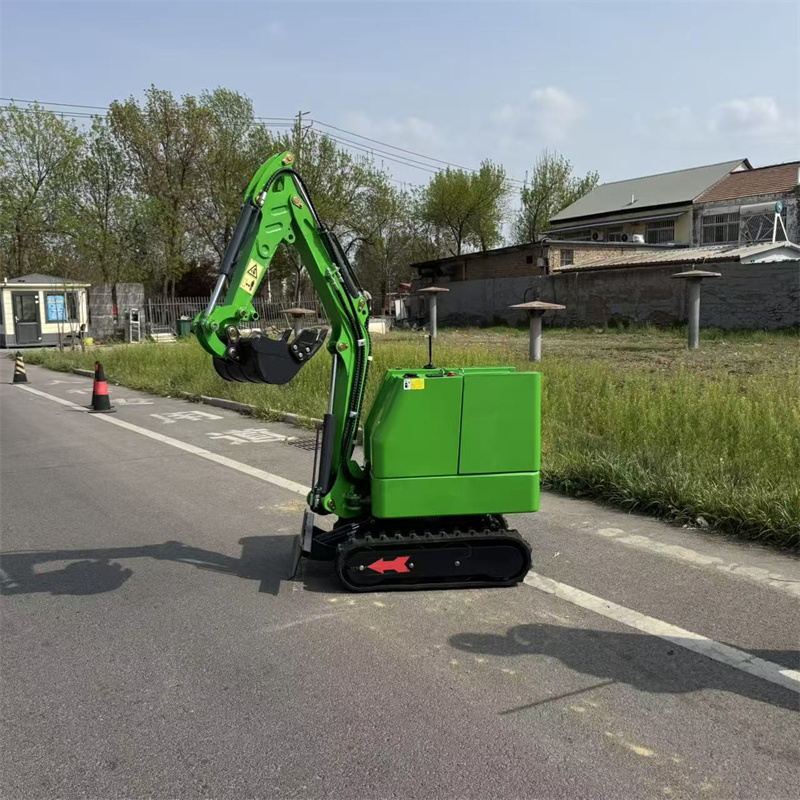
The most obvious difference is, of course, the size. Small mini excavators are, well, small! They’re super compact and can easily fit into tight spaces. For example, if you’re working in a backyard for a landscaping project or in a narrow alley for utility work, a small mini excavator is your best bet. They can navigate through small gates and doorways without any hassle.
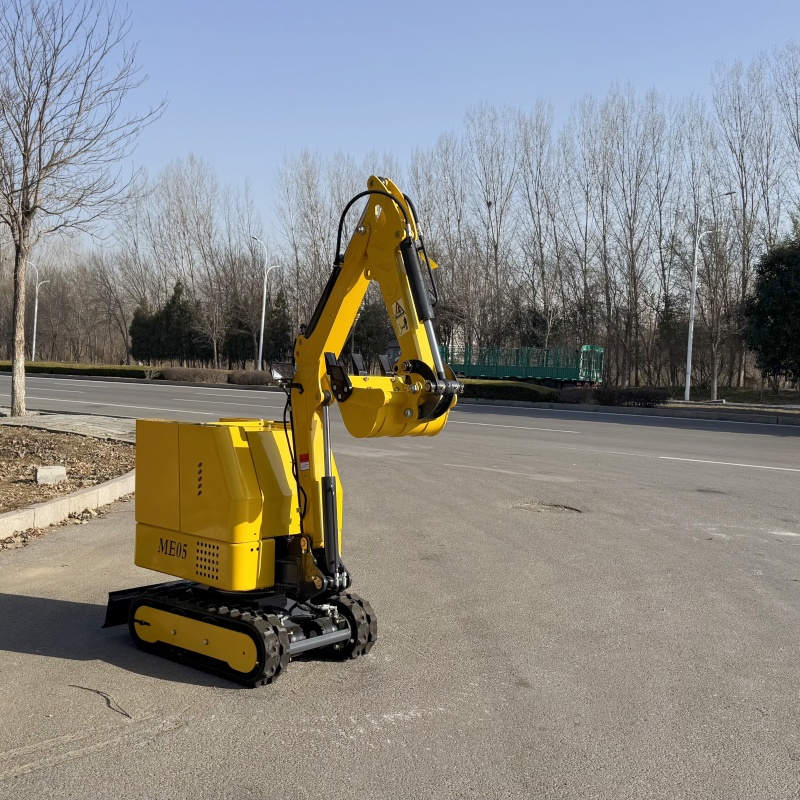
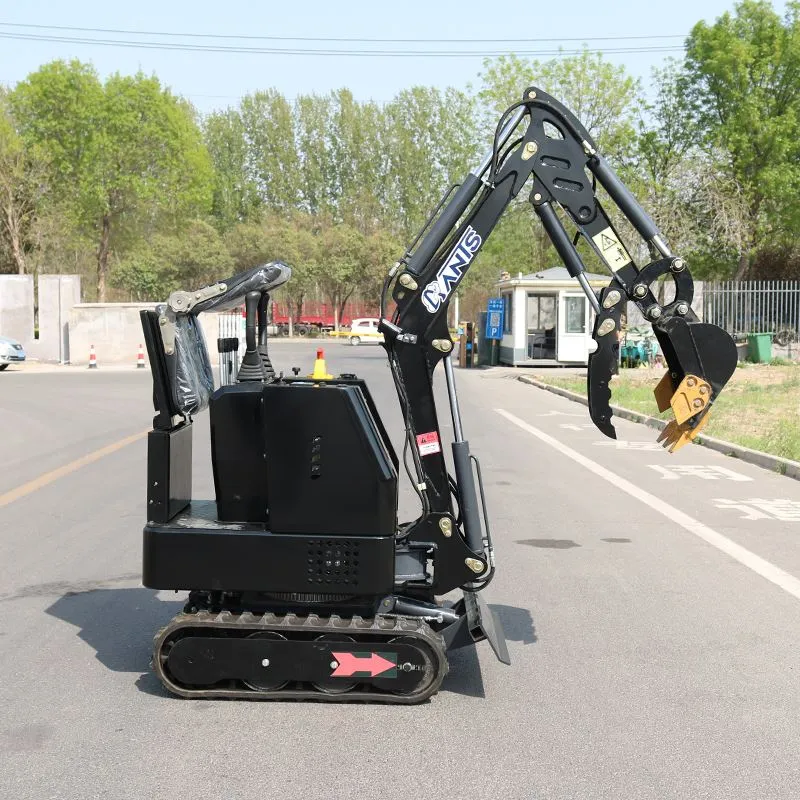
Take our ME05 500kg Crawler Electric Excavator. It’s incredibly small and lightweight, making it perfect for jobs where space is at a premium. Its compact design allows it to access areas that larger machines simply can’t reach.
Large mini excavators, however, are bigger in size. They have a larger footprint and taller stature. This means they might not be as maneuverable in confined spaces, but they offer other advantages. Their larger size allows for more powerful components and a greater reach. If you’re working on a construction site with more open space and need to dig deeper or lift heavier loads, a large mini excavator is the way to go.
Power and Performance
Power is another key difference between the two. Small mini excavators typically have less powerful engines. Their smaller size means they don’t require as much power to operate. They’re great for light – duty tasks such as digging small trenches, moving small amounts of soil, or doing some light demolition work.
The power output of a small mini excavator is usually measured in horsepower, and it can range from around 10 to 20 horsepower. This is sufficient for most small – scale jobs. But if you need to do more heavy – duty work, like large – scale excavation or moving large boulders, you’ll quickly find that a small mini excavator just doesn’t have the oomph.
In contrast, large mini excavators come with more powerful engines. They can have horsepower ratings ranging from 20 to 50 or more. This extra power allows them to handle tougher jobs with ease. They can dig deeper and wider trenches, lift heavier materials, and perform more demanding tasks. For instance, our New Mini1.2 Ton Pilot Excavator has a decent power output that can handle a variety of medium – duty jobs.
Lifting Capacity
Lifting capacity is closely related to power. Small mini excavators have limited lifting capacities. Due to their smaller size and less powerful engines, they can only lift relatively light objects. This is usually in the range of a few hundred kilograms. So, if you need to lift small concrete blocks or some landscaping stones, a small mini excavator can do the job.
Large mini excavators, on the other hand, have much higher lifting capacities. They can lift several tons of material. This makes them ideal for construction projects where you need to move heavy building materials like steel beams or large pre – cast concrete elements. The increased lifting capacity is a result of their more robust hydraulic systems and stronger structural components.
Versatility
Both small and large mini excavators are versatile machines, but in different ways. Small mini excavators are highly versatile in terms of their ability to access different locations. They can be used in a wide range of industries, including landscaping, gardening, and small – scale construction. You can attach various attachments to them, such as buckets, augers, and breakers, to perform different tasks.
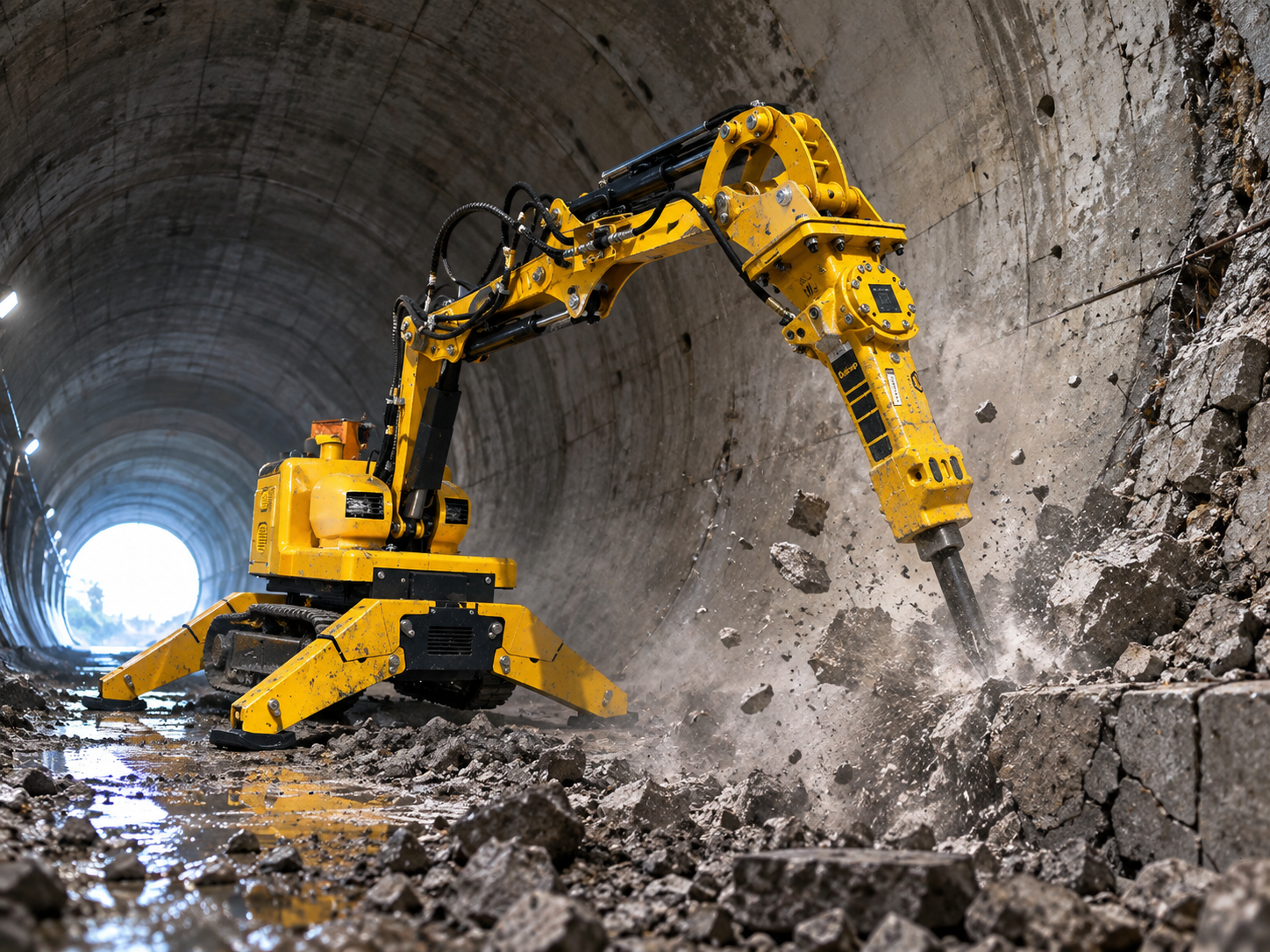
Large mini excavators are also versatile, but they are more focused on larger – scale projects. They can be used in construction sites, road building, and mining operations. They can handle a wider range of heavy – duty attachments, like larger buckets for bulk excavation and heavy – duty breakers for demolishing thick concrete structures.
Cost
Cost is always an important factor when considering which type of mini excavator to buy. Small mini excavators are generally more affordable. They have a lower upfront cost because they are smaller and have less powerful components. Additionally, their operating costs are also lower. They consume less fuel (or electricity in the case of electric models), and maintenance is usually less expensive.
Large mini excavators, on the other hand, are more expensive. The higher price is due to their larger size, more powerful engines, and better – quality components. Their operating costs are also higher, as they consume more fuel and may require more frequent maintenance. However, if you have a large – scale project that requires the capabilities of a large mini excavator, the investment can be well worth it in the long run.
Operator Comfort
Operator comfort might not be the first thing that comes to mind when comparing small and large mini excavators, but it’s an important aspect. Small mini excavators usually have a more basic operator cabin. They are designed to be compact, so there might not be as much space for the operator to move around. However, they are still equipped with the necessary controls and features for the operator to perform the job.
Large mini excavators often come with more comfortable operator cabins. They have more space, better seating, and improved climate control. This is important because operators may spend long hours in the machine, especially on large – scale projects. A comfortable operator is a more productive operator, and large mini excavators take this into account.
Environmental Impact
In today’s world, environmental impact is a crucial consideration. Small mini excavators, especially electric models like our ME05 500kg Crawler Electric Excavator, have a lower environmental impact. They produce zero emissions during operation, which is great for jobs in enclosed spaces or in environmentally sensitive areas.
Large mini excavators, while they are becoming more fuel – efficient, still consume more fuel and produce more emissions compared to small mini excavators. However, many manufacturers are working on improving the environmental performance of large mini excavators by developing more efficient engines and using alternative fuels.
Choosing the Right One for Your Project
So, how do you decide whether a small or large mini excavator is right for your project? First, consider the space available at the job site. If it’s a tight space, a small mini excavator is the obvious choice. Next, think about the type of work you need to do. If it’s light – duty work, a small mini excavator will be sufficient. But if you have heavy – duty tasks, a large mini excavator is necessary.
Also, take into account your budget. If you’re on a tight budget, a small mini excavator might be more affordable in the short and long term. But if you have a large – scale project and can afford the investment, a large mini excavator will provide better performance and productivity.
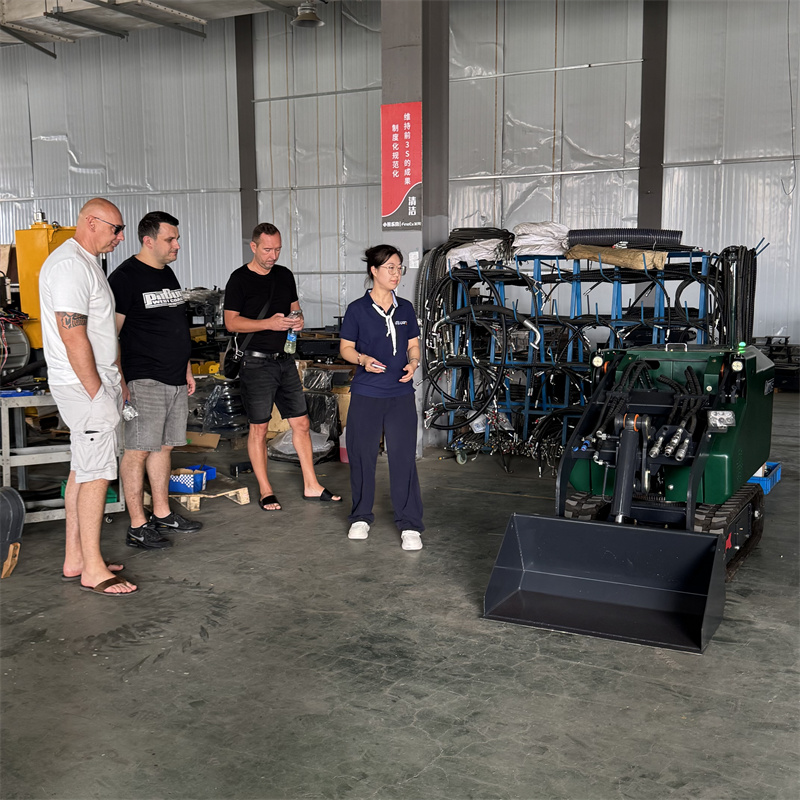
As a mini excavator supplier, I’m here to help you make the right decision. Whether you’re interested in our New Mini1.2 Ton Pilot Excavator, ME05 500kg Crawler Electric Excavator, or our Small Electric Skid Steer Loader, I can provide you with all the information you need.
If you’re thinking about purchasing a mini excavator for your project, don’t hesitate to get in touch. We can have a detailed discussion about your requirements and help you find the perfect machine for the job. Whether it’s a small or large mini excavator, we’ve got you covered.
References
Construction Equipment Magazine: Articles on mini excavator technology and performance.
Industry reports on mini excavator market trends and specifications.