Hey there! As a supplier of 0.8-ton Mini Excavators, I often get asked about the operating weight distribution of these nifty little machines. So, I thought I’d take a deep dive into this topic and share some insights with you all.
First off, let’s talk about why operating weight distribution matters. You see, a well-balanced weight distribution is crucial for the stability, performance, and safety of a mini excavator. When the weight is properly distributed, the machine can operate smoothly, handle different tasks efficiently, and reduce the risk of tipping over.
Now, let’s get into the nitty-gritty of the operating weight distribution of a 0.8-ton Mini Excavator. These compact machines are designed to be lightweight yet powerful, making them ideal for a variety of applications, such as landscaping, construction, and utility work.
The total operating weight of a 0.8-ton Mini Excavator typically ranges from around 750 kg to 850 kg, depending on the specific model and its configuration. This weight includes the machine itself, the operator, the fuel, and any attachments that may be installed.
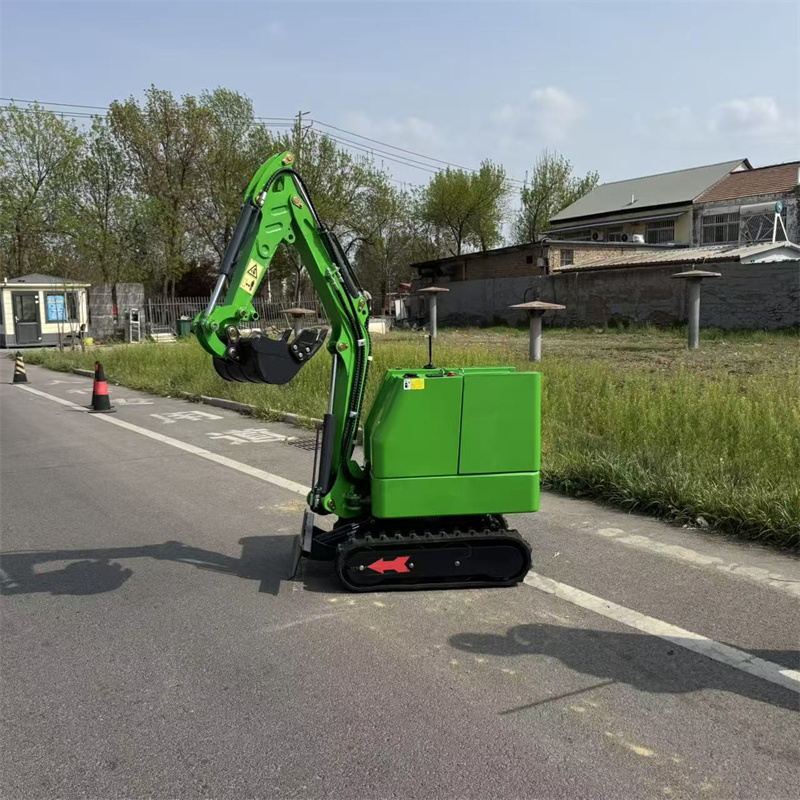
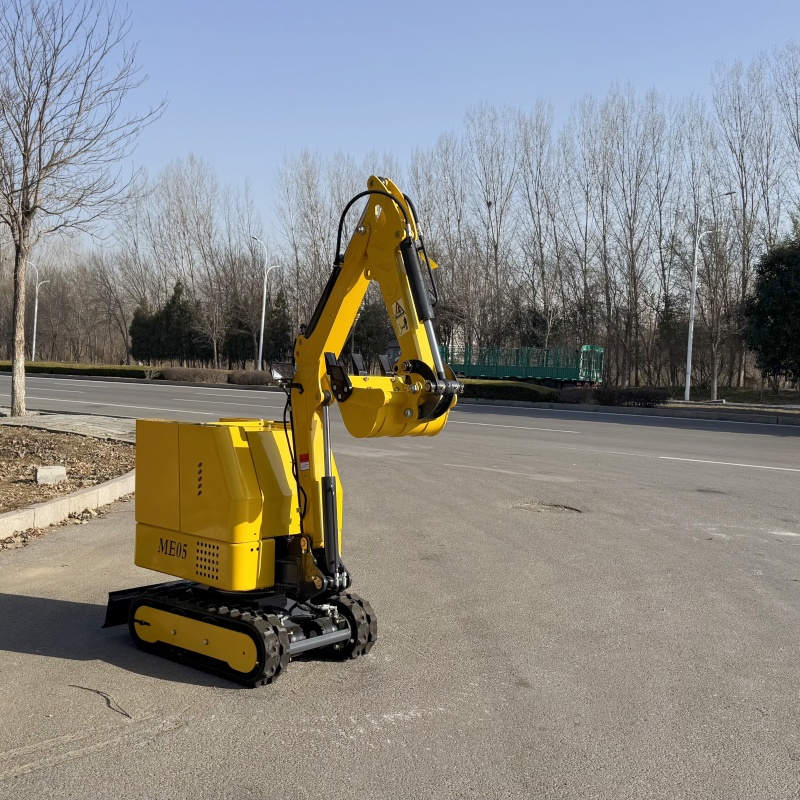
So, how is this weight distributed? Well, the majority of the weight is concentrated in the lower part of the machine, specifically in the undercarriage. The undercarriage consists of the tracks, the rollers, and the final drives, and it provides the stability and traction needed for the excavator to move around.
The engine and the hydraulic system, which are located in the upper part of the machine, also contribute a significant amount of weight. These components are essential for powering the excavator and operating its various functions, such as digging, lifting, and swinging.
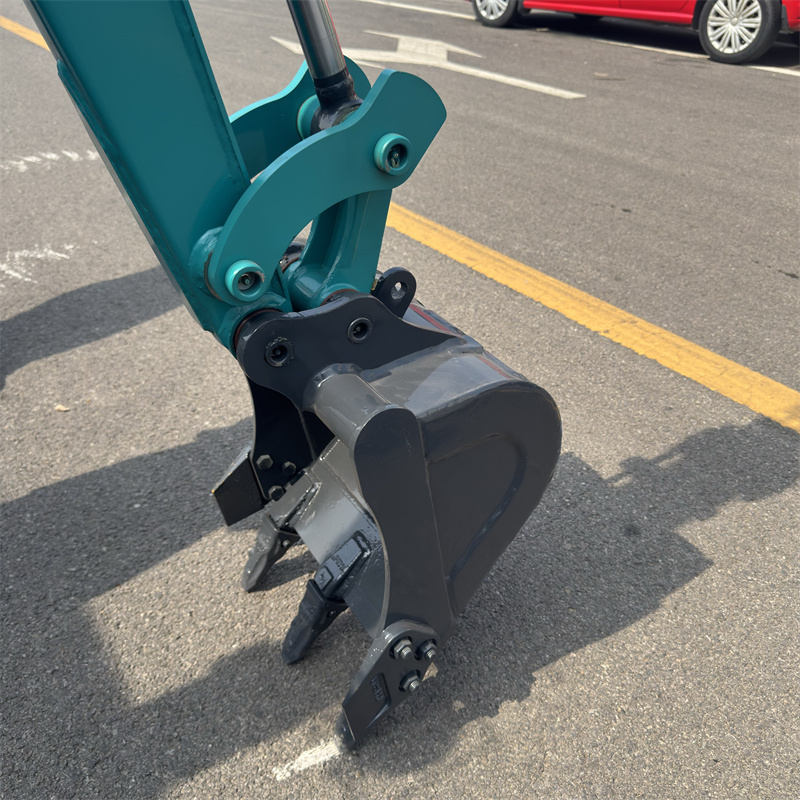
In addition to the undercarriage, engine, and hydraulic system, the weight of the operator and any attachments also affects the overall weight distribution. For example, if the operator is heavier or if a heavy attachment, such as a breaker or a grapple, is installed, the weight distribution may shift slightly.
To ensure optimal weight distribution, manufacturers of 0.8-ton Mini Excavators carefully design and engineer their machines. They use advanced computer simulations and testing techniques to determine the ideal weight distribution for each model, taking into account factors such as the machine’s size, shape, and intended use.
One of the key features that helps to achieve a balanced weight distribution is the use of a counterweight. A counterweight is a heavy object that is placed at the rear of the excavator to offset the weight of the front-mounted attachments and the load being carried. This helps to keep the machine stable and prevent it from tipping forward.
Another important factor in weight distribution is the position of the operator’s cab. The cab is typically located towards the center of the machine, which helps to distribute the weight evenly and provides the operator with a good view of the work area.
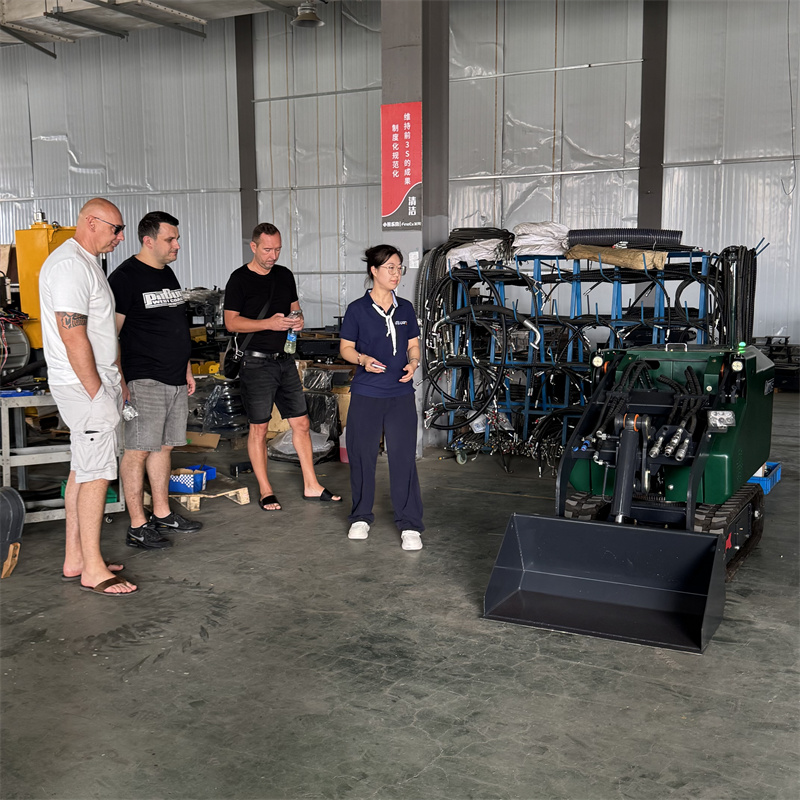
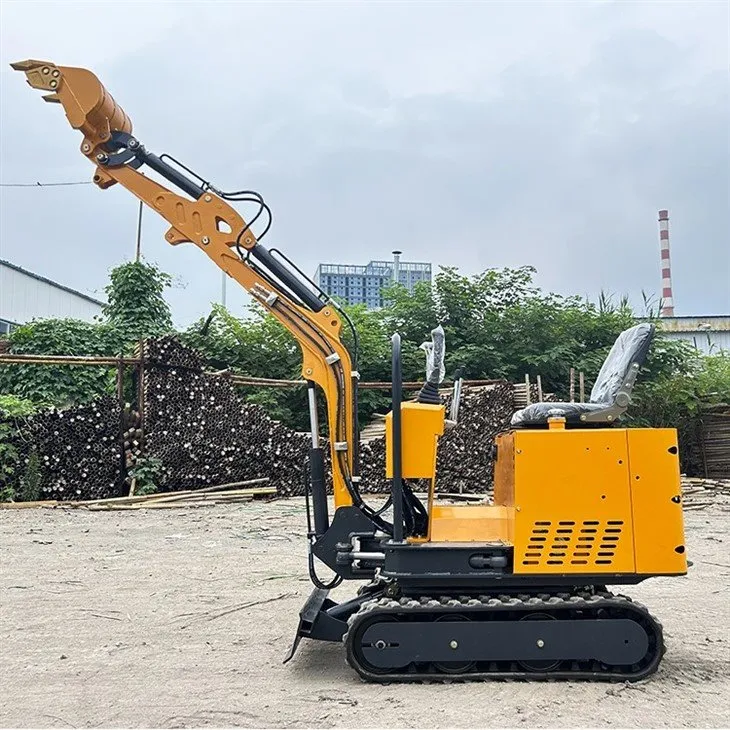
Now, let’s take a look at some of the specific models of 0.8-ton Mini Excavators that we offer. Our Mini Excavator 0.8 Ton is a popular choice among contractors and landscapers. It features a compact design, powerful engine, and advanced hydraulic system, making it suitable for a wide range of applications.
The operating weight of our Mini Excavator 0.8 Ton is approximately 800 kg, with a well-balanced weight distribution that ensures stability and performance. The undercarriage is designed to provide excellent traction and maneuverability, while the counterweight helps to keep the machine balanced during operation.
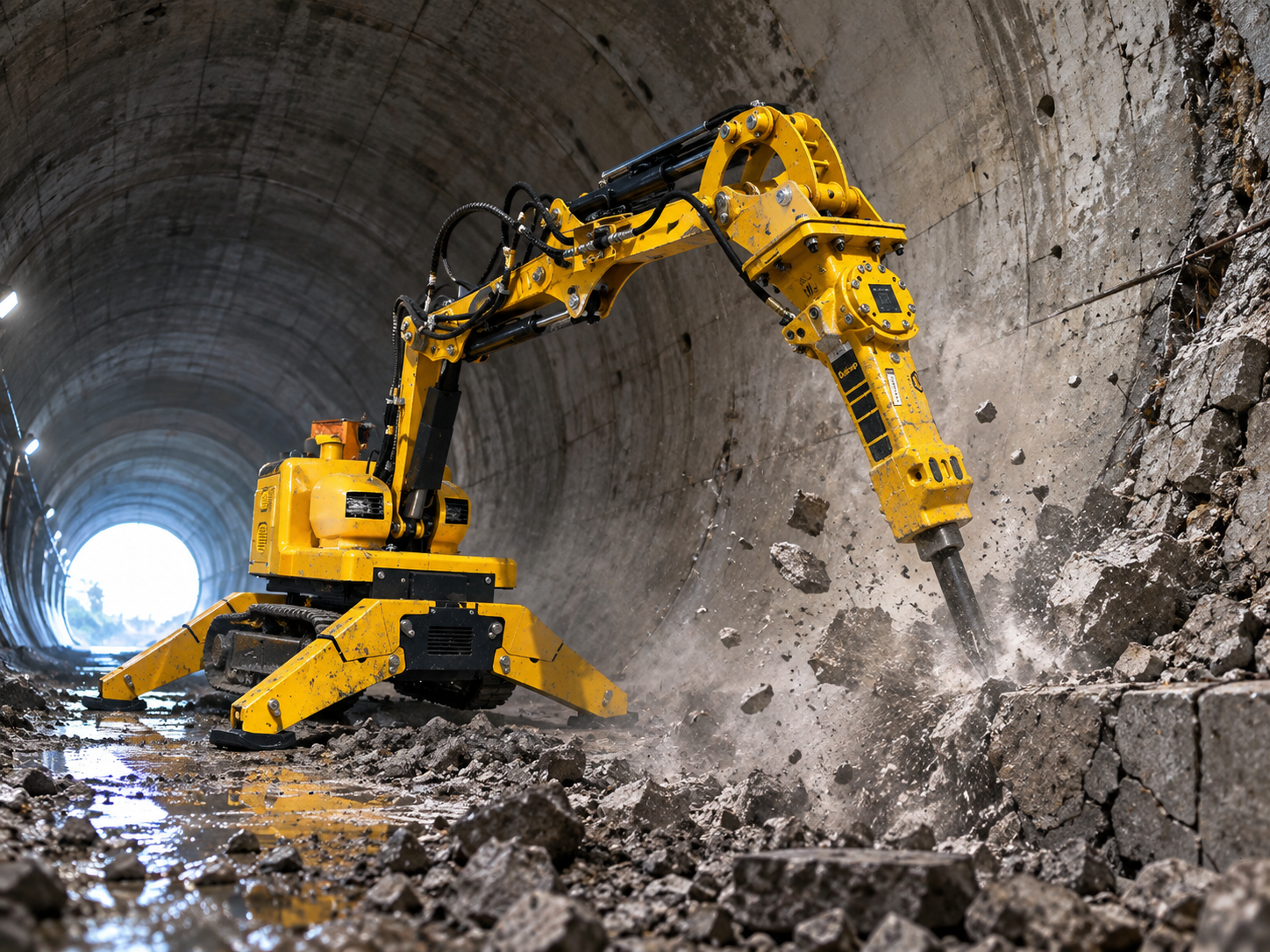
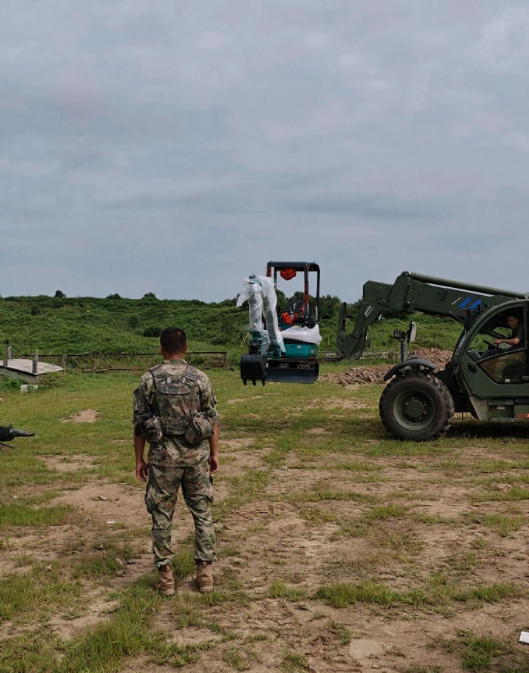
If you’re looking for a more advanced option, our Remote Operated Mini Excavator is the perfect choice. This innovative machine allows you to operate the excavator from a safe distance using a remote control, making it ideal for hazardous or hard-to-reach areas.
The Remote Operated Mini Excavator has a similar operating weight to our standard model, but it features a more advanced control system and additional safety features. The weight distribution is carefully optimized to ensure that the machine can be operated smoothly and safely, even when using the remote control.
For those who need a specialized excavator for wellhead work, we offer the ME08 Wellhead Remote Excavator. This machine is specifically designed for use in oil and gas fields, where it can be used to dig, clean, and maintain wellheads.
The ME08 Wellhead Remote Excavator has a slightly higher operating weight than our other models, due to its additional features and equipment. However, the weight distribution is still carefully balanced to ensure stability and performance in the challenging wellhead environment.
In conclusion, the operating weight distribution of a 0.8-ton Mini Excavator is a critical factor that affects its stability, performance, and safety. By carefully designing and engineering their machines, manufacturers can ensure that the weight is evenly distributed, providing operators with a reliable and efficient tool for their work.
If you’re in the market for a 0.8-ton Mini Excavator, I encourage you to contact us to learn more about our products and how they can meet your needs. We’d be happy to discuss your requirements and provide you with a quote. So, don’t hesitate to reach out and let’s start a conversation!
References:
Manufacturer’s specifications and brochures
Industry research and reports
Personal experience and knowledge as a supplier of 0.8-ton Mini Excavators