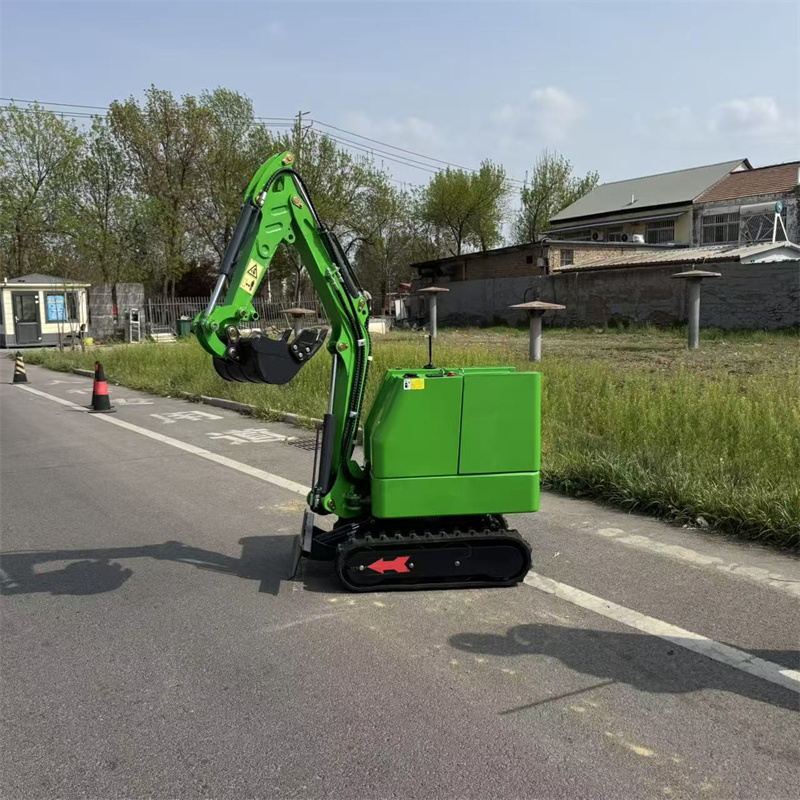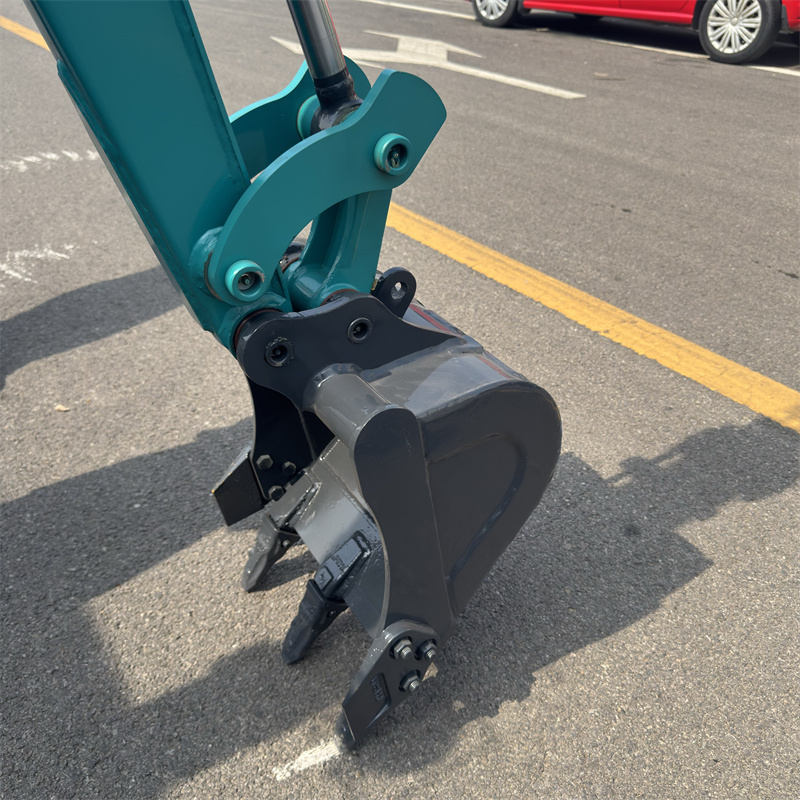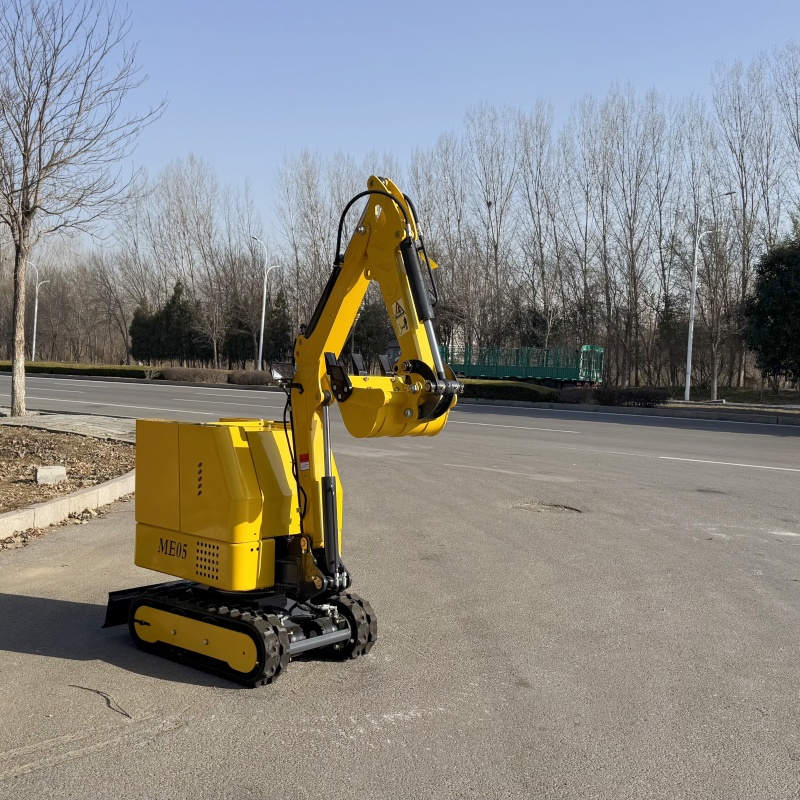
Step 1: After the master arrived at the site, the fault was first reproduced, and after careful observation and testing, the fault was confirmed to be consistent with the description of the machine owner. At the same time, the repairman discovered a slight decrease in the engine’s working power, causing the engine to slow down and hold the car while under load.
Step 2: Through principle analysis, when the engine is in a cold state, there is an adaptive gap between the piston and the cylinder liner. If the gap is too large during operation, the piston will move within its gap range and collide with the cylinder liner wall, causing abnormal knocking sounds.
Step 3: Observe in depth that the working time of the excavator gradually prolongs. As the oil temperature increases, the piston with a higher thermal expansion index (due to material reasons) gradually increases overall, narrowing the fit gap with the cylinder liner. Therefore, the abnormal noise weakens or disappears due to the random temperature increase.
Step 4: The repairman used an infrared thermometer and found that the temperature of one cylinder was lower than that of the other cylinders. For accuracy, the repairman used a cylinder pressure gauge to test the cylinder pressure. The cylinder pressure was very low, and the fault point was basically locked.
Step 5: After careful inspection, it was found that the clearance between the cylinder liner and the piston exceeded 0.35-0.40. After replacing the new part, the sound just now clearly disappeared, and the fault problem was solved here.