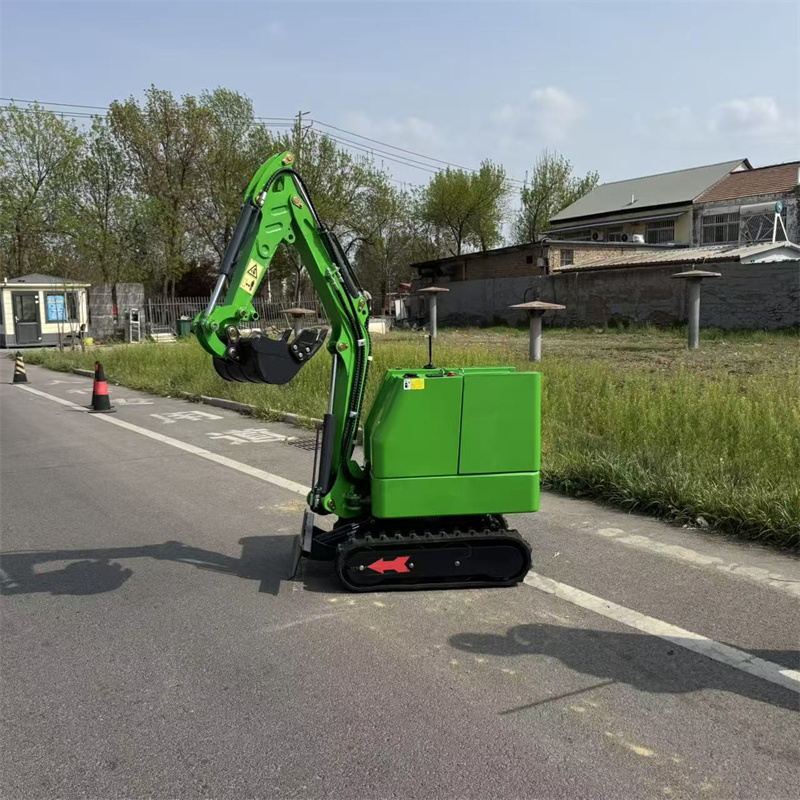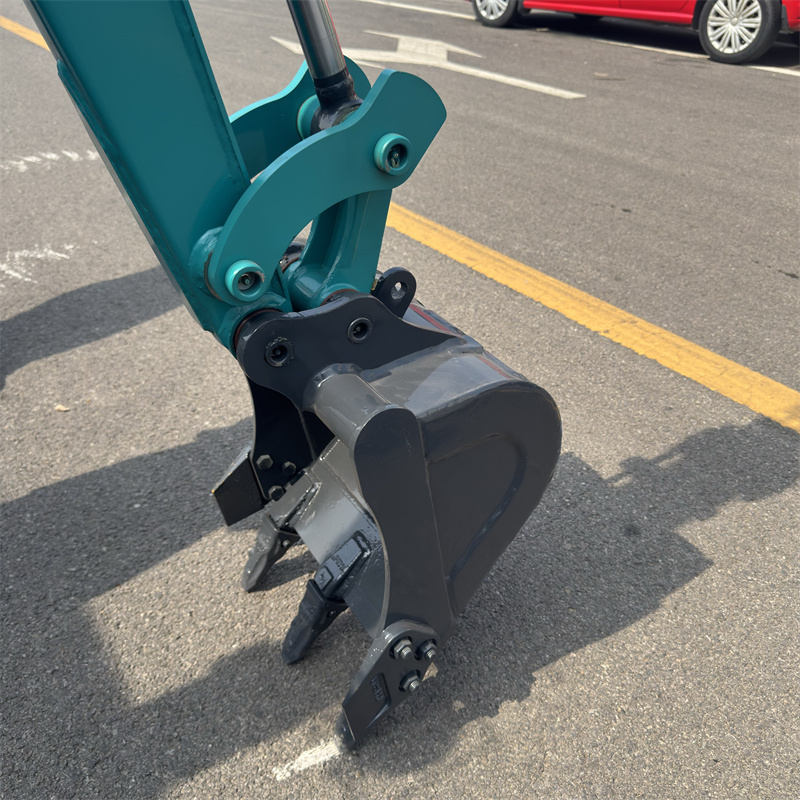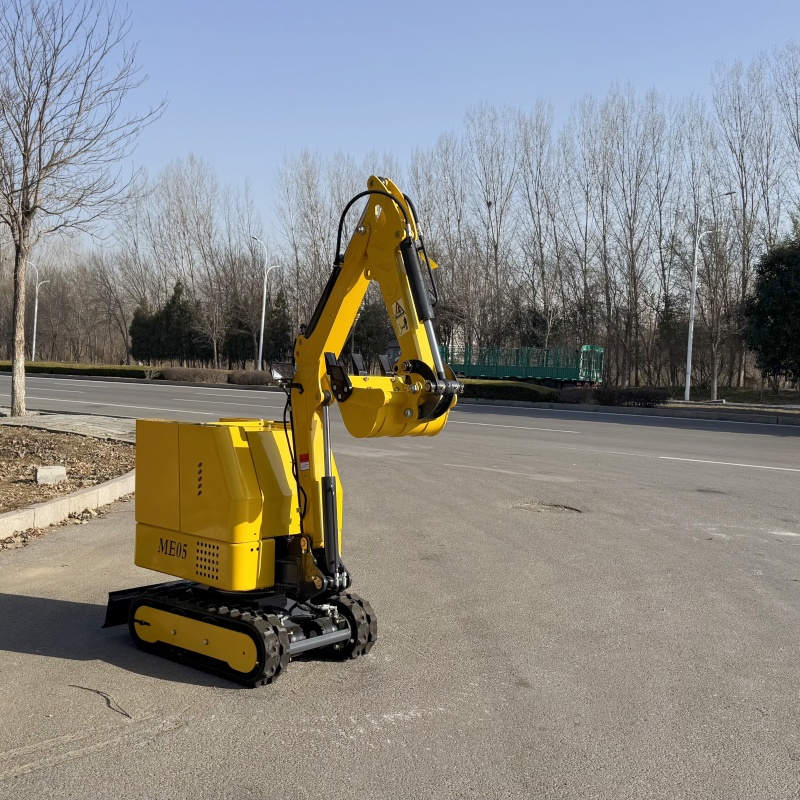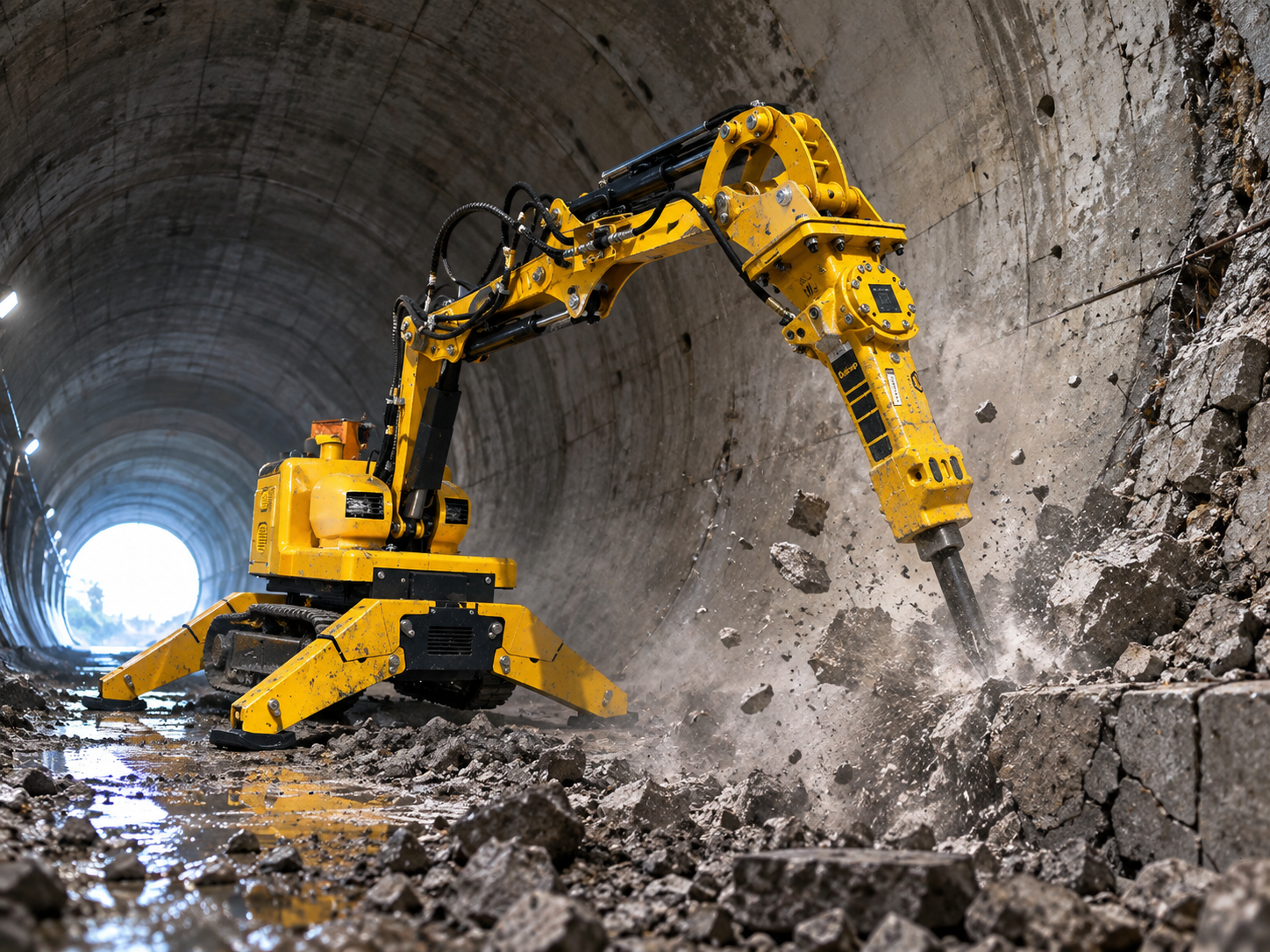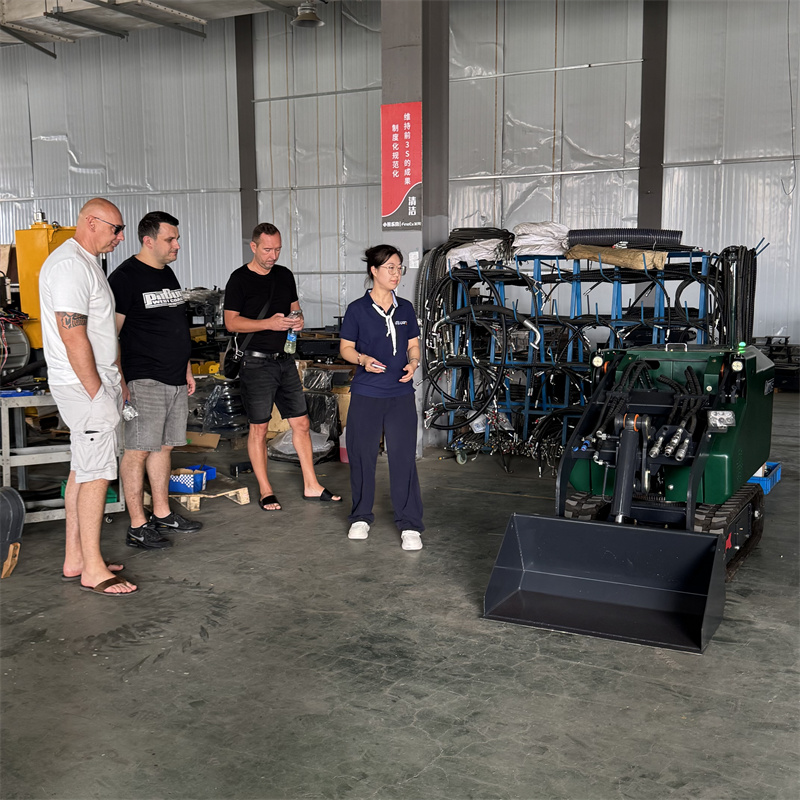
1. Excavators are fixed assets with high economic investment. In order to increase their service life and achieve greater economic benefits, equipment must be equipped with fixed personnel, machines, and positions, and responsibilities must be clearly defined. When it is necessary to transfer positions, equipment disclosure should be carried out.
After the excavator enters the construction site, the driver should first observe the geological conditions of the working face and the surrounding environment. There should be no obstacles within the rotation radius of the excavator to avoid scratching or damage to the vehicle.
3. After the machinery is started, it is prohibited for anyone to stand inside the bucket, on the shovel arm, or on the track to ensure safe production.
4. During the operation of excavators, it is prohibited for anyone to stay or walk within the radius of rotation or under the bucket. Non drivers are not allowed to enter the cab and touch or move around randomly. Drivers are not allowed to be trained to avoid damage to electrical equipment.
5. When moving the excavator, the driver should first observe and sound the horn, and then move it to avoid safety accidents caused by people on the mechanical side. The position after moving should ensure that there are no obstacles in the rotation radius of the excavator, and illegal operations are strictly prohibited.
After the work is completed, the excavator should be moved away from the low-lying area or the edge of the trench (ditch), parked on flat ground, closed doors and windows, and locked.
7. Drivers must do a good job in daily maintenance, repair, and upkeep of equipment, keep daily records of equipment usage, and if any problems are found with the vehicle, they must not work with any problems and report repairs in a timely manner.