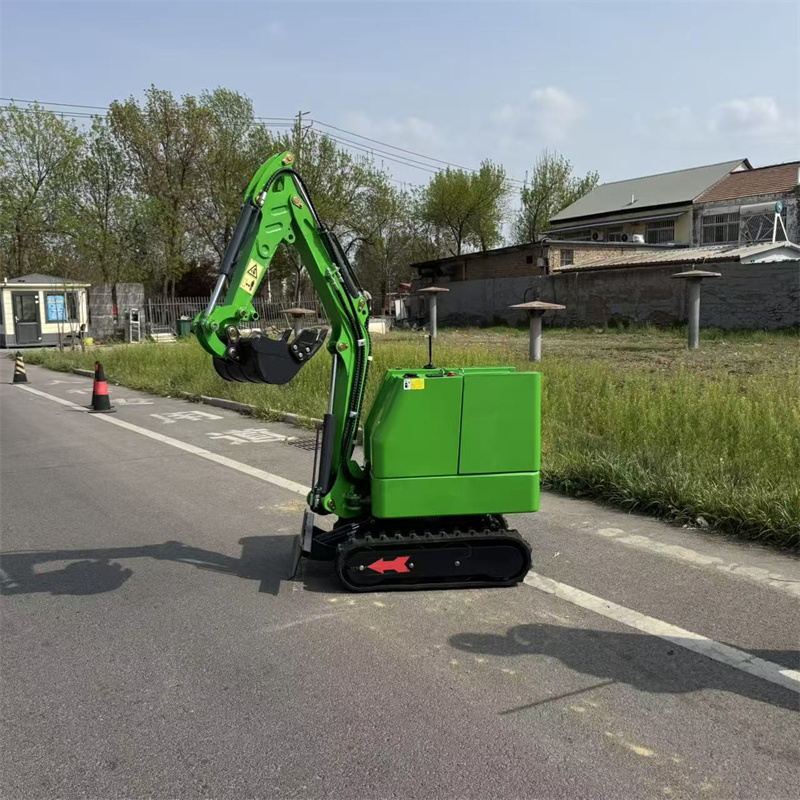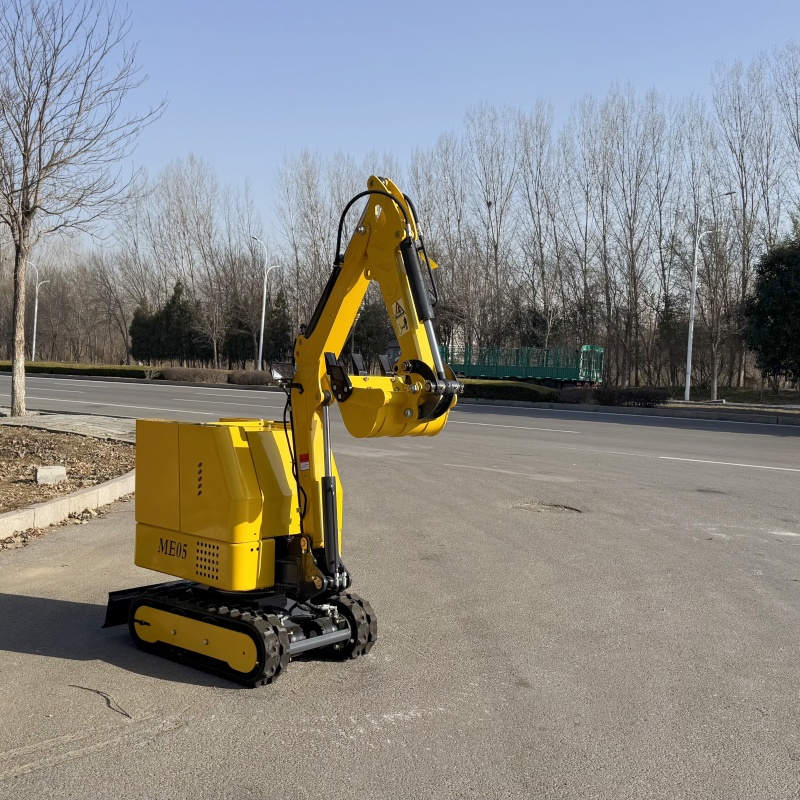
Electric Mini Excavators
Why choose electric?
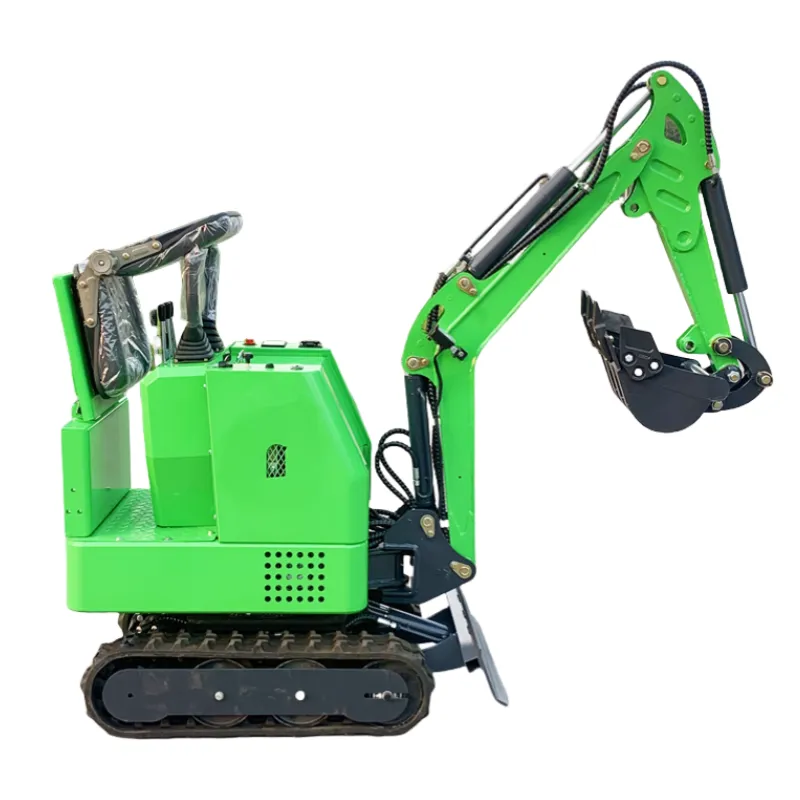
Electric excavators are becoming increasingly popular due to their zero emissions, low noise, and low maintenance costs.
Key Benefits|
Zero emissions, ideal for indoor or urban construction
Very low noise, friendly to residential areas
Lower operating cost than diesel
Fewer moving parts = longer lifespan
Best for|
gardening, urban construction, farms, warehouses, small demolition
Why choose remote control?
Why choose remote control?
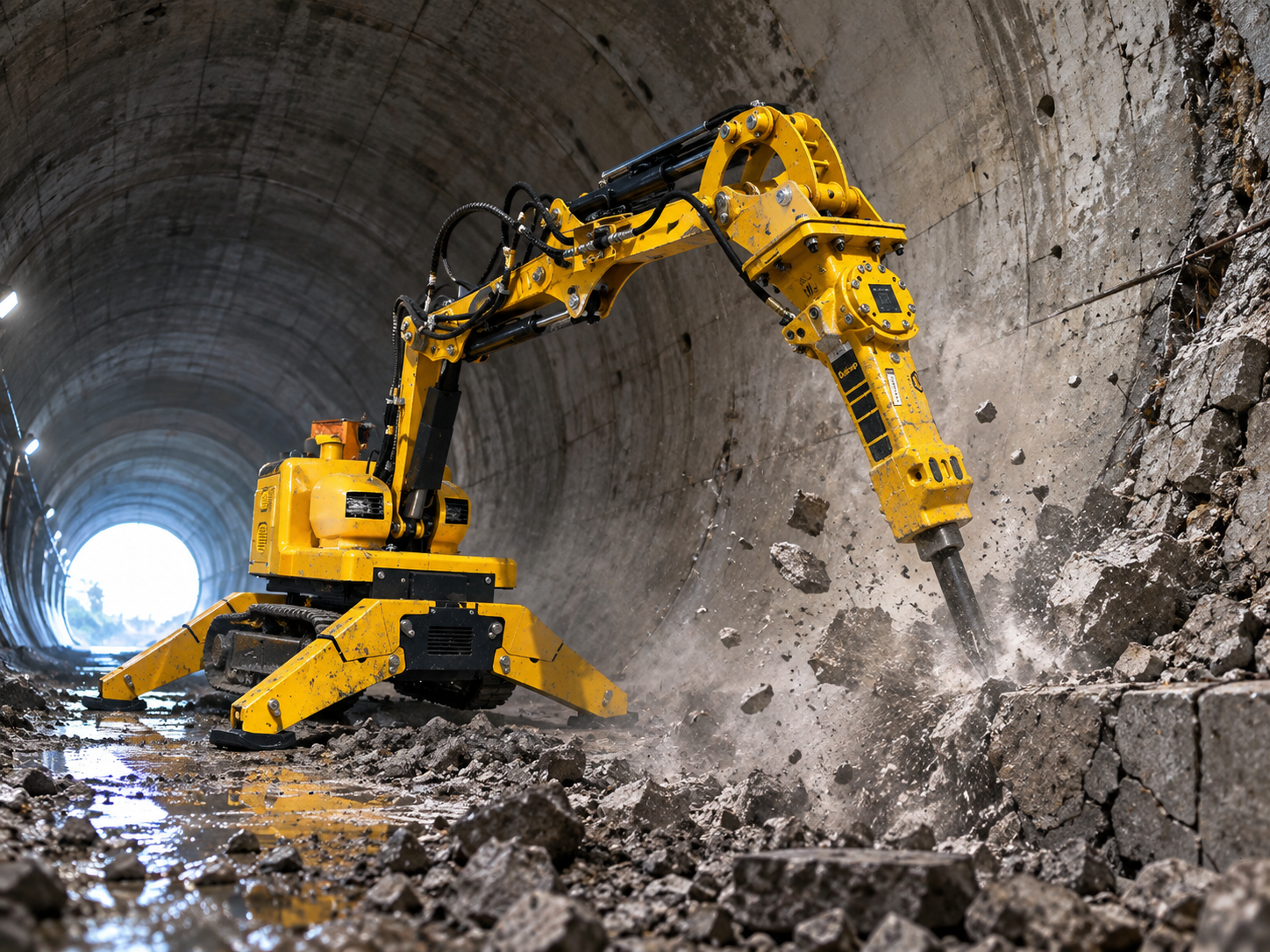
Remote-control electric excavators offer additional safety and convenience-operators can stay away from dangerous environments.
Key Benefits|
Operate from a safe distance
Ideal for slopes, soft ground, hazardous demolition
Electric design = quieter + greener
Reduces labor intensity
Best for|
high-risk demolition, narrow spaces, tunnel work
Understanding Tonnage Differences
Mini excavators typically range from 0.8 ton to 3.5 ton.
01/
0.5–1.0 Ton: Ultra-Compact
Fits narrow spaces, doorways, indoor projects
Easy to transport
Lighter digging force
Best for|
Home gardens, interior renovation, small farms
02/
1.2–1.8 Ton: Balanced & Popular
Stronger digging power
Wide application range
Still compact and easy to maneuver
Best for|
Urban construction, landscaping, drainage work
03/
2.0–2.5 Ton: High Productivity
Larger capacity + deeper digging
More stable on uneven terrain
Best for|
Medium projects, construction sites, material handling
04/
3.0–3.5 Ton: Heavy Mini Class
Close to small hydraulic excavators
Strong power, wider track, better stability
Best for|
Contractors, intensive construction work
01/
4.0–4.5 Ton (Light-Duty Small Excavator Class)
A step up in power and durability. Suitable for heavy trenching, drainage projects, compact roadwork, and more demanding excavation tasks while still remaining relatively compact.
02/
5.0–6.0 Ton (High-Performance Small Excavator Class)
Designed for professional, continuous, and high-power workloads. Excellent for deep foundation digging, larger demolition work, civil engineering projects, and jobs requiring long reach and strong lifting performance. Still small enough for urban job sites, but strong enough for heavy construction tasks.
Key Factors to Consider When Purchasing
✔ Power Type (Electric / Diesel / Remote))
Choose based on working environment and emission requirements.
✔ Working Radius & Digging Depth
Make sure the machine meets your daily work needs.
✔ Body Size & Weight
Narrow passages? Indoor work? Select a compact model.
✔ Battery Capacity (for electric units)
Bigger battery = longer continuous working time.
✔ Customizable Options
Foldable seat
Remote control
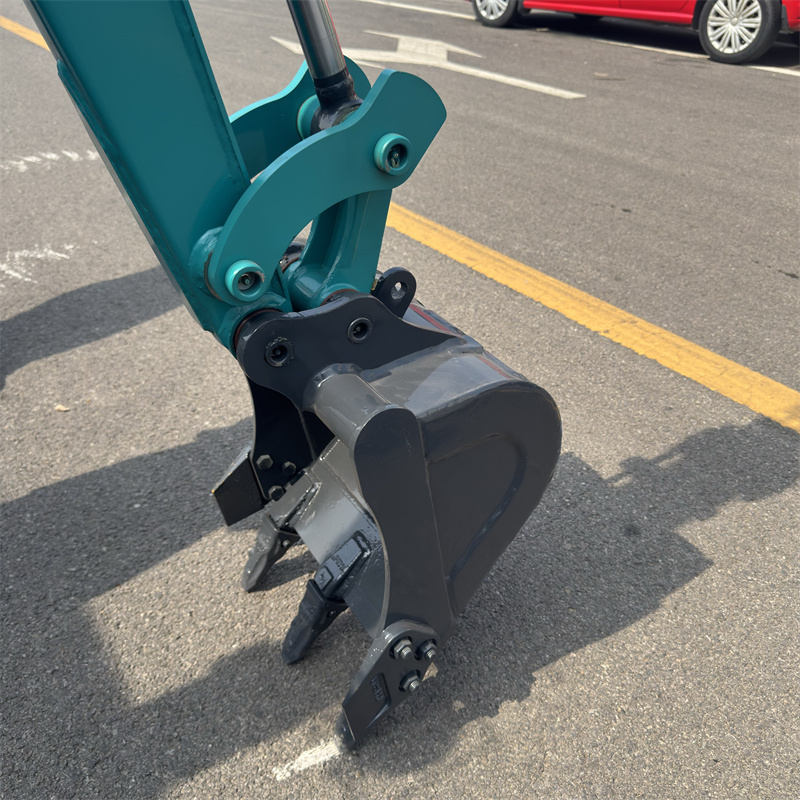
Different buckets / attachments
Rubber track / steel track