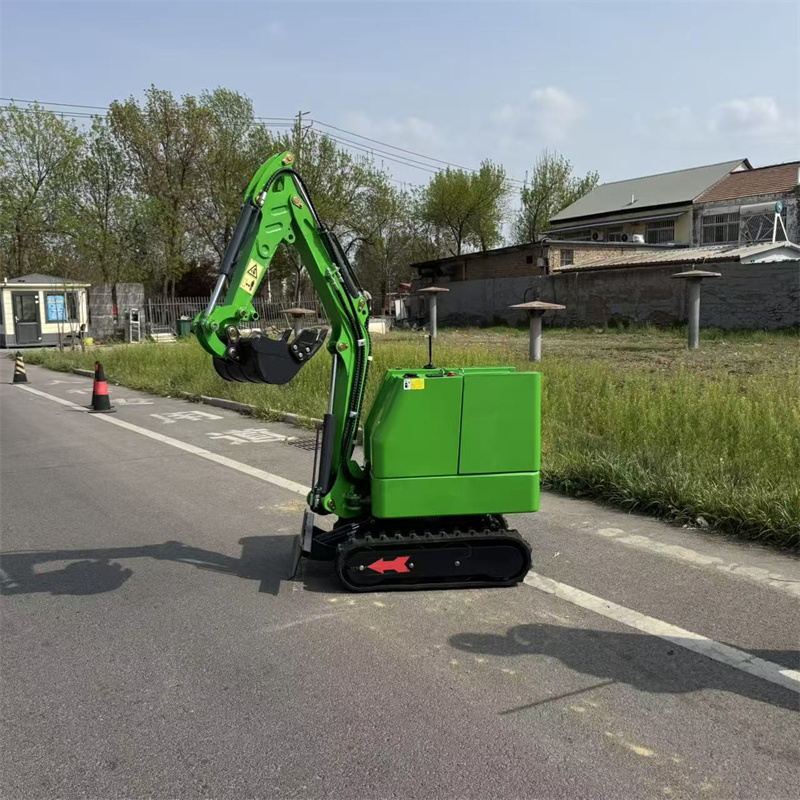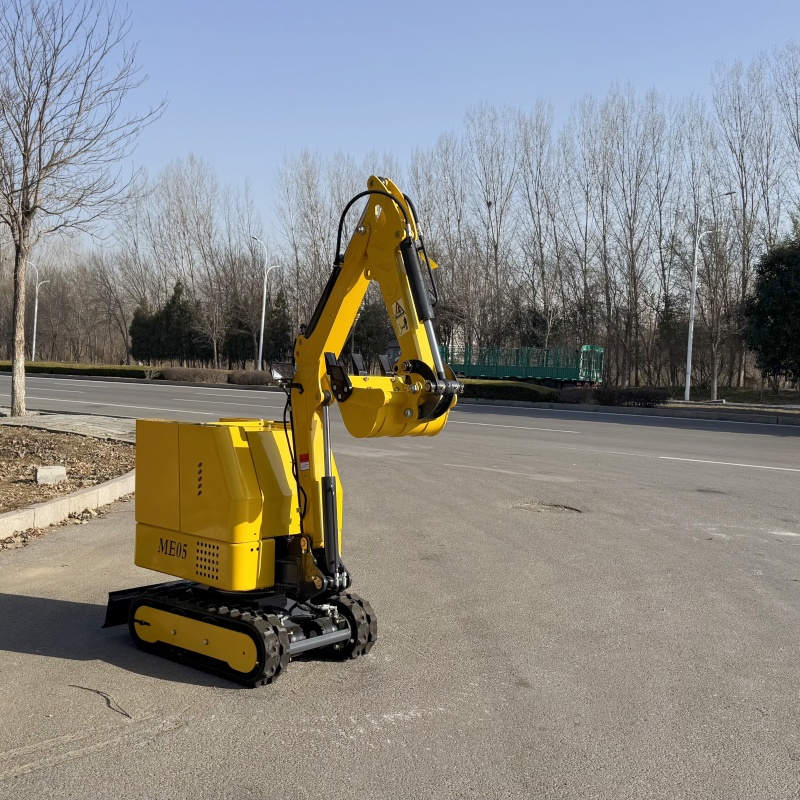
Remote remote control “demolition robot” is on the market!
1. The core purpose of removing robots
Fire rescue and post-disaster disposal
Instead of humans entering high-risk scenarios such as toxic gases, collapsed ruins, and strong radiation, perform tasks such as search, demolition, and obstacle cleaning, such as quickly opening rescue channels after an earthquake and handling nuclear-polluted building residues.
Remotely remove dangerous items at explosions, fires and other sites to avoid threats such as rescue personnel from exposure to chemical leakage.
Industrial facilities maintenance and demolition
It is used in industrial scenarios such as metallurgical furnace slag, silicon bag cleaning, rotary kiln refractory brick removal, and other high-temperature and high-dust environments, reducing the risk of manual operation.
Building and Tunnel Engineering
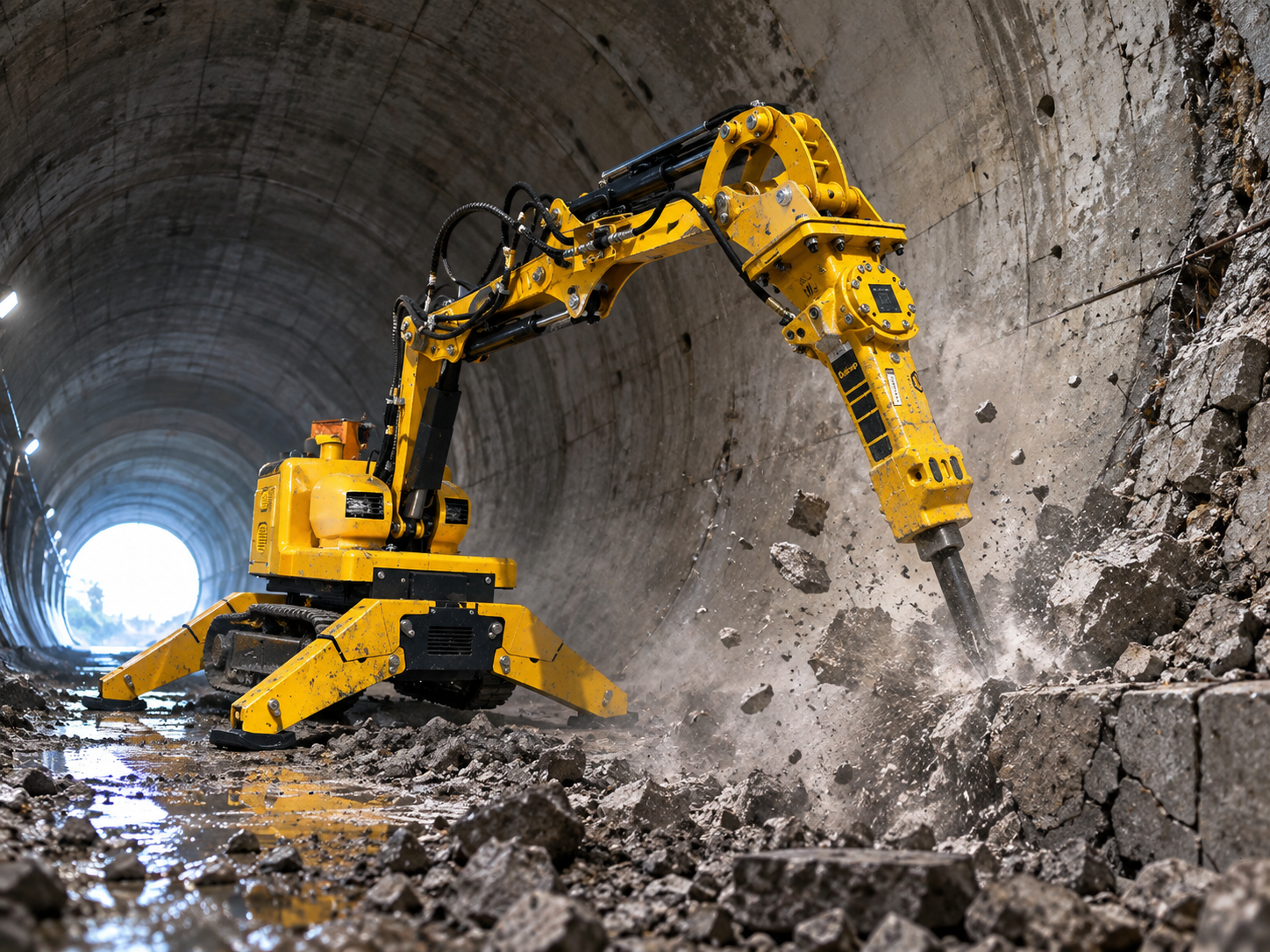
Precise demolition of building structures (such as concrete drilling and cutting, disintegration of dangerous buildings) and tunnel excavation support tasks such as hidden excavation boring and vertical shaft construction under complex terrain.
Replace traditional drilling and explosion methods in tunnel construction to reduce damage to surrounding structures
2. Core use value
Safety Performance Revolution
Through remote control and closed design, personnel are kept away from direct threats such as explosions, landslides, and toxic gases, and the casualty rate in high-risk scenarios is reduced by more than 97%.
Efficiency and cost advantages
Support continuous operations (such as mining silicon bag cleaning and road maintenance) to reduce labor costs and construction stagnation time.
Environmental and sustainable development
Plug-in/lithium battery drive reduces carbon emissions, is suitable for closed space operations, and meets green construction standards.
Multifunctional and complex scenarios
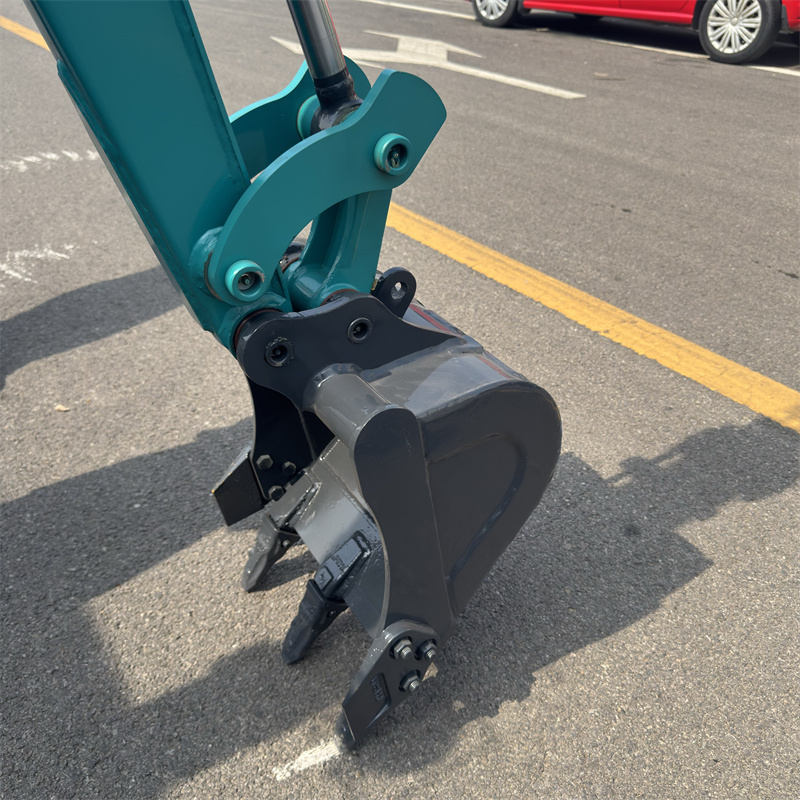
It can switch the equipment such as breaker, pliers, and hole openers to meet the needs of multi-tasks such as removal, cutting, and rescue.
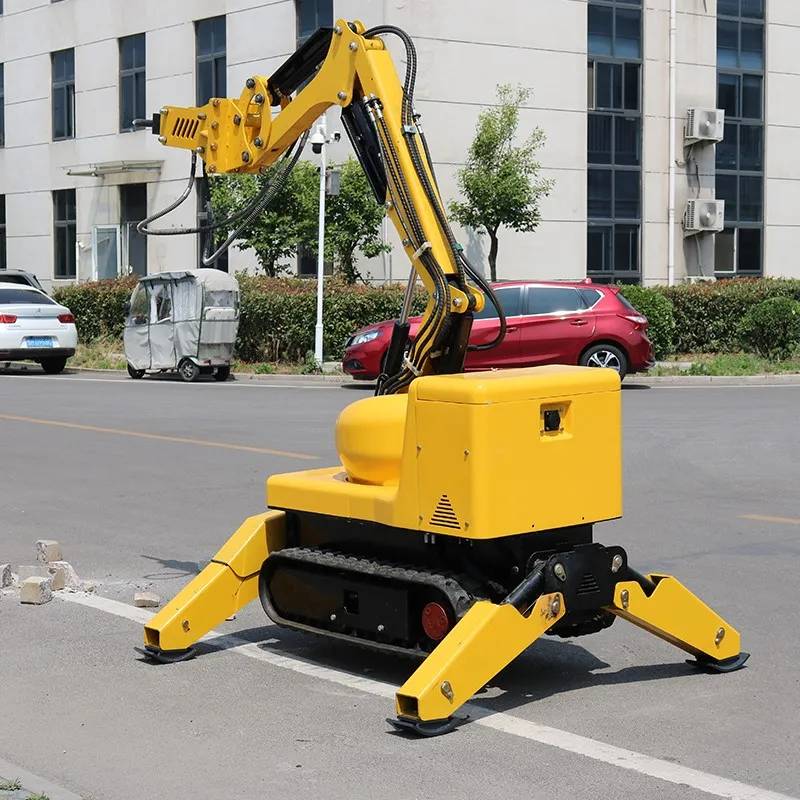
It adopts a crawler-style design, which can climb hills and adapt to complex terrain such as mountains and ruins.