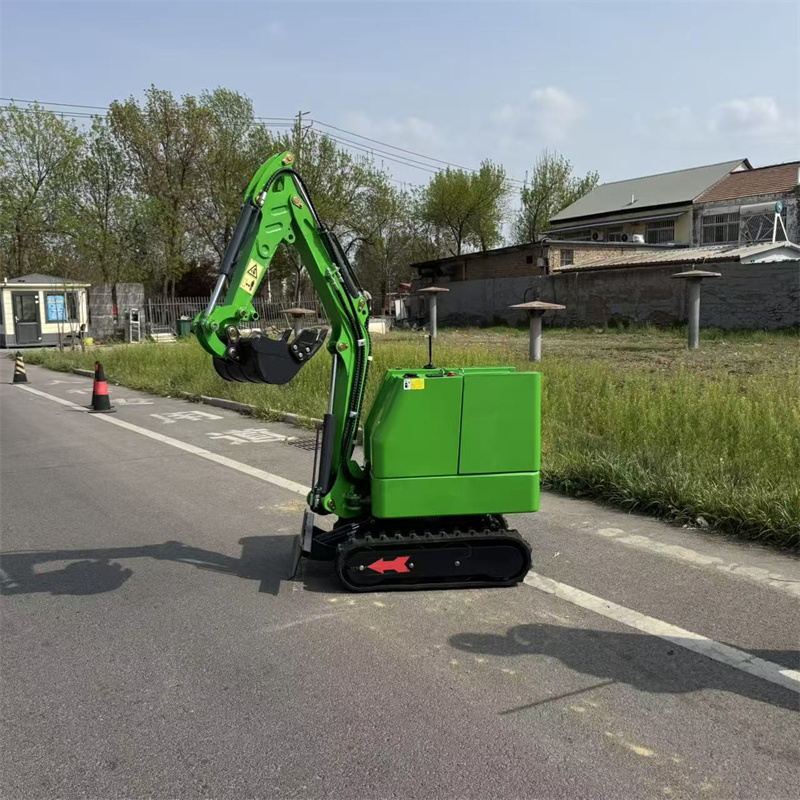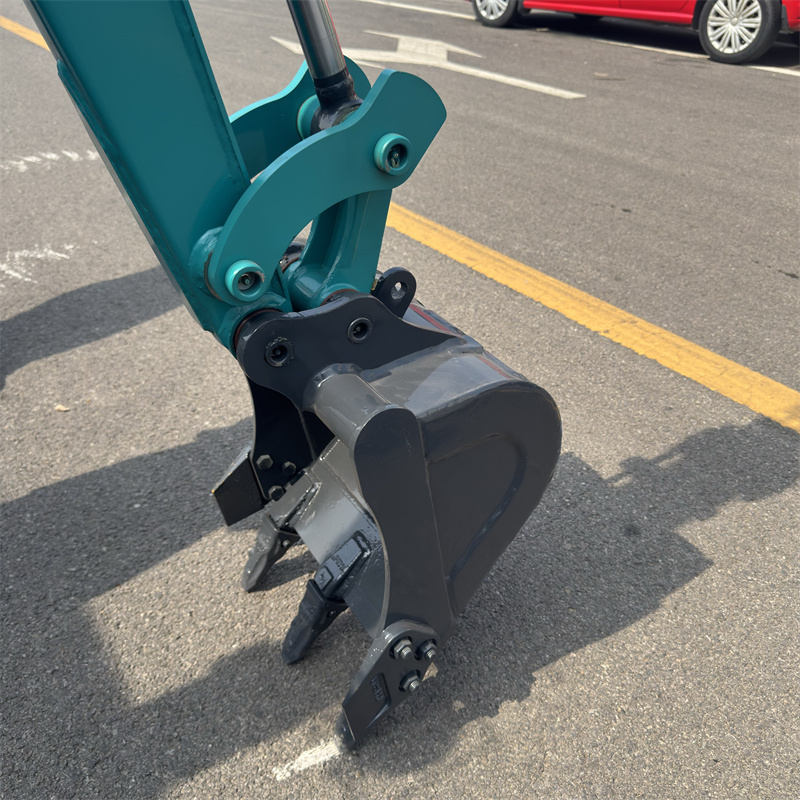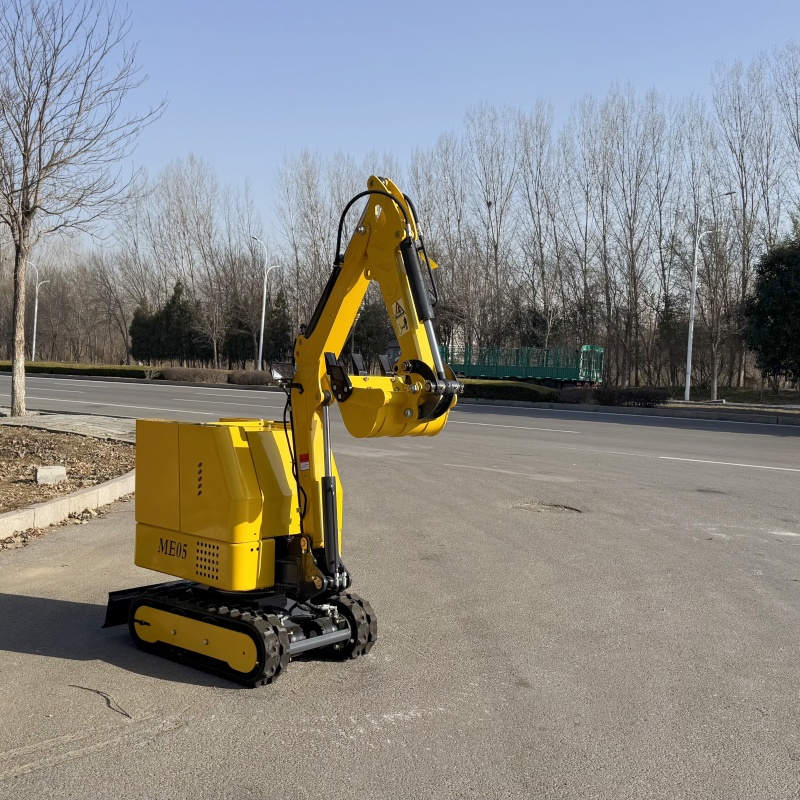
How do you replace the filters in a Mini Skid Steer Loader?
As a trusted supplier of Mini Skid Steer Loaders, I understand the importance of proper maintenance to ensure the longevity and optimal performance of these powerful machines. One crucial aspect of maintenance is the regular replacement of filters. In this blog post, I’ll guide you through the process of replacing filters in a Mini Skid Steer Loader, step by step.
Why Filter Replacement is Important
Filters play a vital role in the operation of a Mini Skid Steer Loader. They are designed to remove contaminants such as dirt, dust, and debris from the air, fuel, and hydraulic systems. Over time, these filters can become clogged, reducing their effectiveness and potentially causing damage to the engine and other components. By replacing the filters regularly, you can prevent costly repairs, improve fuel efficiency, and extend the life of your loader.
Types of Filters in a Mini Skid Steer Loader
Before we dive into the replacement process, let’s take a look at the different types of filters typically found in a Mini Skid Steer Loader:
Air Filter: The air filter prevents dirt and debris from entering the engine’s intake system. A clogged air filter can restrict airflow, reducing engine performance and fuel efficiency.
Fuel Filter: The fuel filter removes impurities from the fuel before it reaches the engine. A dirty fuel filter can cause poor engine performance, hard starting, and even engine damage.
Hydraulic Filter: The hydraulic filter protects the hydraulic system from contaminants. A clogged hydraulic filter can cause reduced hydraulic performance, increased wear on hydraulic components, and potential system failures.
Step-by-Step Guide to Filter Replacement
1. Gather the Necessary Tools and Supplies
Before you begin, make sure you have the following tools and supplies on hand:
Replacement filters (air, fuel, and hydraulic)
Socket set
Wrench set
Drain pan
Clean rags
Safety glasses
Gloves
2. Prepare the Loader
Park the Mini Skid Steer Loader on a level surface and engage the parking brake. Turn off the engine and allow it to cool down completely. This will prevent any potential injuries from hot components.
3. Replace the Air Filter
Locate the air filter housing. It is usually located near the engine and is easily accessible.
Remove the housing cover by loosening the bolts or clips that hold it in place.
Take out the old air filter and inspect it for dirt and damage. If it is dirty or damaged, replace it with a new one.
Clean the air filter housing with a clean rag to remove any debris.
Install the new air filter into the housing and secure the cover.
4. Replace the Fuel Filter
Locate the fuel filter. It is typically located along the fuel line, either near the fuel tank or the engine.
Place a drain pan underneath the fuel filter to catch any fuel that may spill.
Use a wrench to loosen the fuel lines connected to the filter. Be careful not to damage the lines.
Remove the old fuel filter and replace it with a new one. Make sure to install the new filter in the correct orientation.
Tighten the fuel lines using the wrench.
Start the engine and check for any fuel leaks.
5. Replace the Hydraulic Filter
Locate the hydraulic filter housing. It is usually located near the hydraulic pump or reservoir.
Remove the housing cover by loosening the bolts or clips that hold it in place.
Take out the old hydraulic filter and inspect it for dirt and damage. If it is dirty or damaged, replace it with a new one.
Clean the hydraulic filter housing with a clean rag to remove any debris.
Install the new hydraulic filter into the housing and secure the cover.
6. Check the Fluid Levels
After replacing the filters, check the fluid levels in the engine, fuel tank, and hydraulic reservoir. Add fluid as needed to bring the levels to the recommended range.
7. Test the Loader
Start the engine and let it run for a few minutes to ensure that everything is working properly. Check for any leaks or abnormal noises. If you notice any issues, stop the engine immediately and consult a professional.
Tips for Filter Replacement
Follow the Manufacturer’s Recommendations: Always refer to the owner’s manual for your Mini Skid Steer Loader for specific filter replacement intervals and procedures.
Use High-Quality Filters: Invest in high-quality filters that are designed for your specific loader model. This will ensure optimal performance and protection.
Keep Spare Filters on Hand: It’s a good idea to keep spare filters on hand so that you can replace them as soon as they become dirty or damaged.
Maintain a Maintenance Schedule: Regularly schedule filter replacements as part of your overall maintenance routine. This will help prevent costly repairs and keep your loader running smoothly.
Conclusion
Replacing the filters in a Mini Skid Steer Loader is a relatively simple process that can have a significant impact on the performance and longevity of your machine. By following the steps outlined in this blog post and adhering to the manufacturer’s recommendations, you can ensure that your loader is operating at its best.
If you’re in the market for a Mini Skid Steer Loader or need replacement filters and other parts, we’re here to help. As a leading supplier of Electric Excavator Mini Machinery, Noiseless Tracked Electric Mini Excavator, and Electric Mini Digger 0.5 Ton, we offer a wide range of high-quality products and exceptional customer service. Contact us today to learn more about our products and to discuss your specific needs.
References
Manufacturer’s Owner’s Manual for Mini Skid Steer Loader
Industry Best Practices for Equipment Maintenance