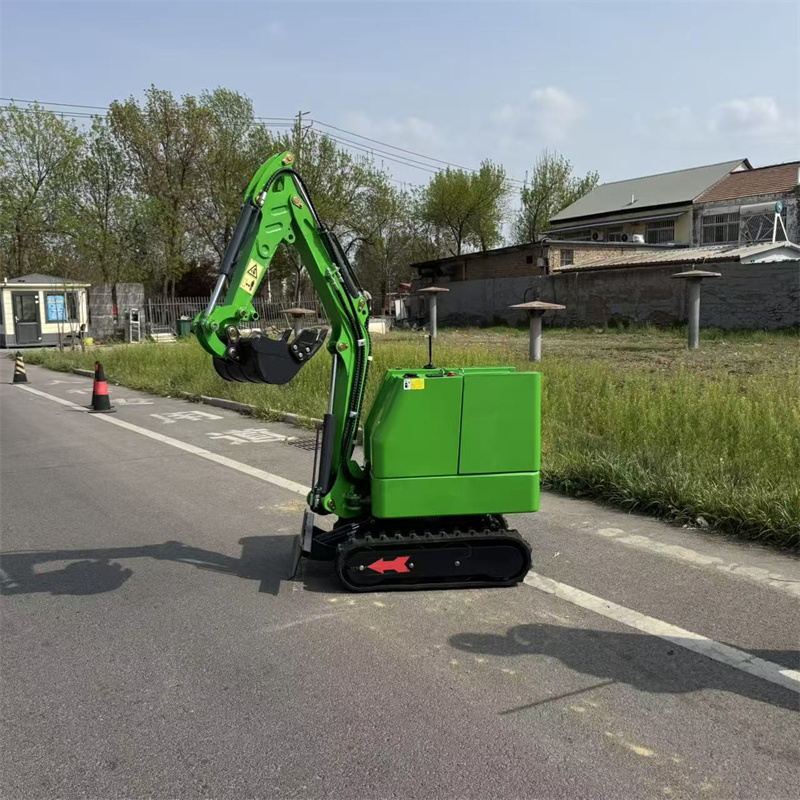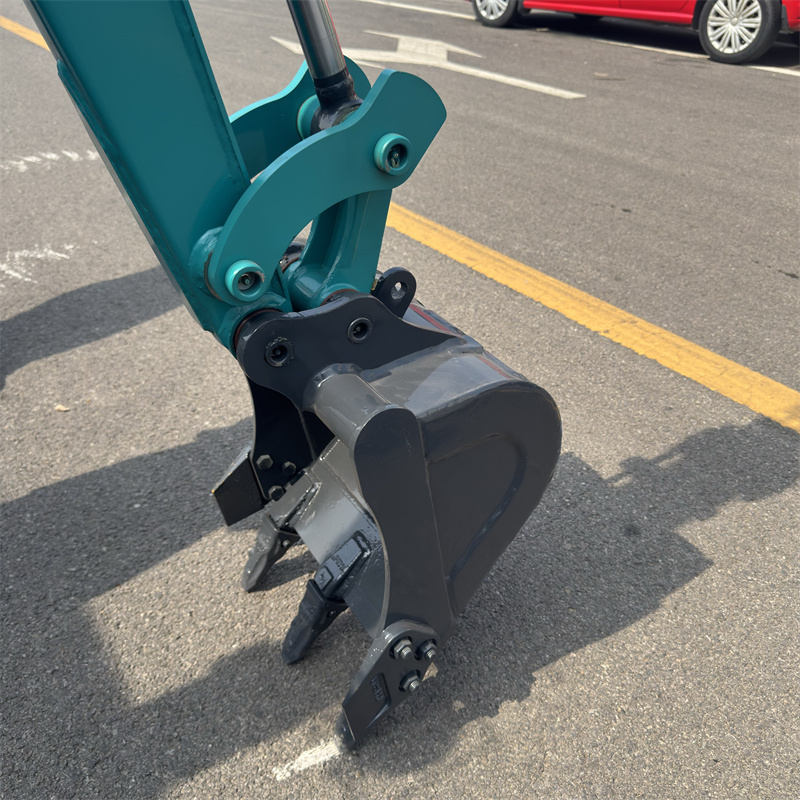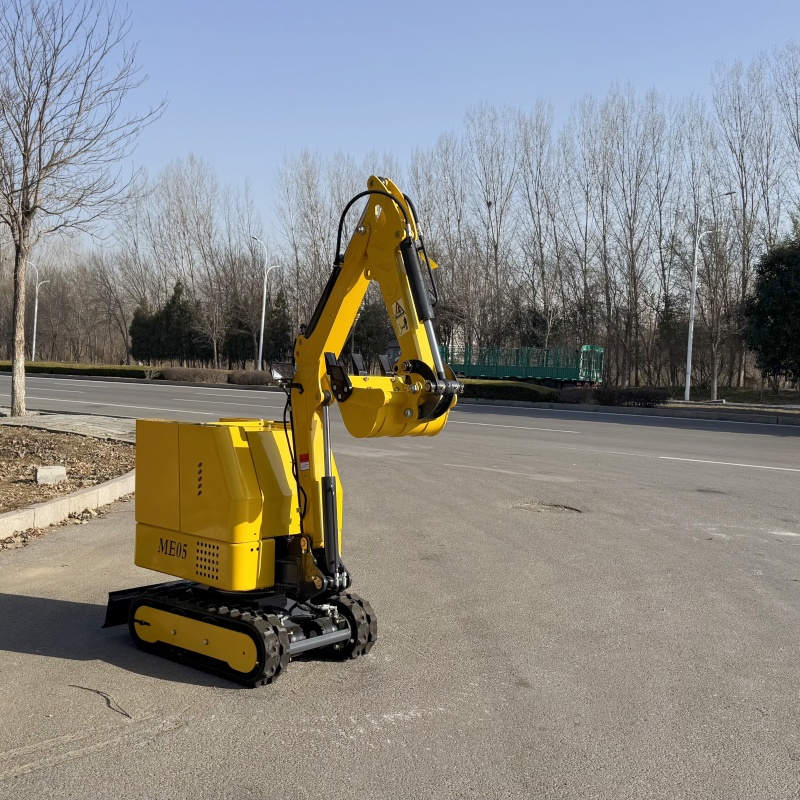
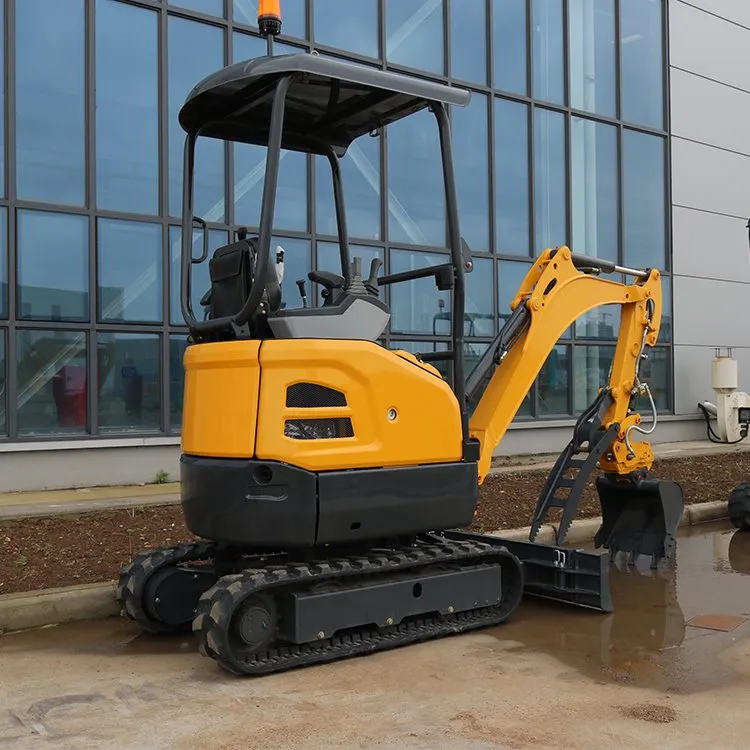
Hey there! As a supplier of 1.8 Ton Excavators, I’ve seen my fair share of electrical problems in these machines. In this blog, I’m gonna share some tips on how to troubleshoot electrical issues in a 1.8 Ton Excavator.
1. Basic Checks First
Before you start diving into complex electrical troubleshooting, it’s always a good idea to do some basic checks. First off, check the battery. A dead or weak battery can cause all sorts of electrical problems. Make sure the battery terminals are clean and tight. Corroded or loose terminals can prevent the battery from delivering power properly. You can use a wire brush to clean the terminals if they’re corroded.
Also, check the battery voltage. You can use a multimeter for this. A fully charged 12 – volt battery should read around 12.6 volts. If the voltage is significantly lower, the battery might need to be charged or replaced.
Another basic check is to look for any obvious signs of damage, like frayed wires or loose connections. Walk around the excavator and visually inspect the wiring harnesses. Sometimes, a simple loose wire can cause a big problem.
2. Check the Fuses and Relays
Fuses and relays are like the guardians of your excavator’s electrical system. They protect the system from over – current and control the flow of electricity to different components.
Start by locating the fuse box. In a 1.8 Ton Excavator, it’s usually in an accessible location, often near the operator’s cab or the engine compartment. Check each fuse to see if it’s blown. A blown fuse will have a broken wire inside. You can use a fuse tester to be sure. If you find a blown fuse, replace it with a new one of the same amperage rating.
Relays are also important. They’re basically switches that are controlled by an electrical signal. If a relay is faulty, the component it controls won’t work. You can test a relay by swapping it with a similar relay in the fuse box (if available). If the problem moves to the component that the swapped relay controls, then you know the original relay was bad.
3. Test the Starter System
If your excavator won’t start, the starter system could be the culprit. First, listen for a clicking sound when you turn the key. If you hear a click, it could mean that the solenoid is getting power but the starter motor isn’t engaging. This could be due to a bad starter motor or a problem with the solenoid.
To test the starter motor, you can use a voltmeter. Connect the voltmeter to the starter motor terminals while someone tries to start the excavator. If you get voltage at the terminals but the motor doesn’t turn, the starter motor is likely bad and needs to be replaced.
The solenoid is also a common problem area. You can test it by applying a 12 – volt power source directly to the solenoid terminals (be careful, this should be done with proper safety precautions). If the solenoid clicks and the starter engages, then the solenoid is working, and the problem might be elsewhere in the starting circuit.
4. Inspect the Lighting System
Proper lighting is crucial for safe operation, especially when working in low – light conditions. If your excavator’s lights aren’t working, start by checking the bulbs. Sometimes, a bulb just burns out and needs to be replaced.
If the bulbs are okay, check the wiring and switches. Use a continuity tester to check if there’s a break in the wiring. You can also test the switches by bypassing them with a jumper wire. If the lights come on when you bypass the switch, then the switch is faulty.
5. Look at the Sensors
Modern 1.8 Ton Excavators are equipped with various sensors that monitor different aspects of the machine’s operation, like engine temperature, oil pressure, and hydraulic fluid level. If you get a warning light on the dashboard, it could be due to a faulty sensor.
To test a sensor, you’ll need to refer to the excavator’s service manual. The manual will tell you the proper way to test each sensor, usually by measuring the voltage or resistance at the sensor terminals. If a sensor is out of spec, it should be replaced.
6. Check the Electrical Grounds
A good electrical ground is essential for the proper functioning of the excavator’s electrical system. Poor grounding can cause all sorts of problems, like intermittent electrical issues or inaccurate sensor readings.
Inspect the ground connections. Make sure they’re clean and tight. You can clean the ground connections with a wire brush and then apply a small amount of dielectric grease to prevent corrosion.
To test the ground, you can use a multimeter. Connect one lead of the multimeter to a known good ground (like the battery negative terminal) and the other lead to the component’s ground connection. If you get a high resistance reading, there might be a problem with the ground connection.
7. Use Diagnostic Tools
If you’ve gone through all the basic checks and still can’t find the problem, it might be time to use diagnostic tools. Many modern excavators are compatible with diagnostic scanners. These scanners can read error codes from the machine’s computer system and give you more detailed information about what’s going wrong.
You can connect the diagnostic scanner to the excavator’s diagnostic port (usually located near the operator’s cab). The scanner will then communicate with the machine’s computer and display any error codes. Refer to the scanner’s manual or the excavator’s service manual to interpret the codes and find the root cause of the problem.
Conclusion
Troubleshooting electrical problems in a 1.8 Ton Excavator can be a bit of a challenge, but by following these steps, you can often find and fix the issue. Remember, safety is always the top priority when working on electrical systems. If you’re not comfortable doing the troubleshooting yourself, it’s best to call in a professional.
If you’re in the market for a 1.8 Ton Mini Excavator, Mini Hydraulic Excavator, or looking for a machine for Mini Excavator Landscaping, we’ve got you covered. We offer high – quality excavators with reliable electrical systems. If you have any questions or want to discuss a purchase, don’t hesitate to reach out. We’re here to help you make the right choice for your needs.
References
Manufacturer’s service manual for 1.8 Ton Excavator
Electrical troubleshooting guides for construction equipment