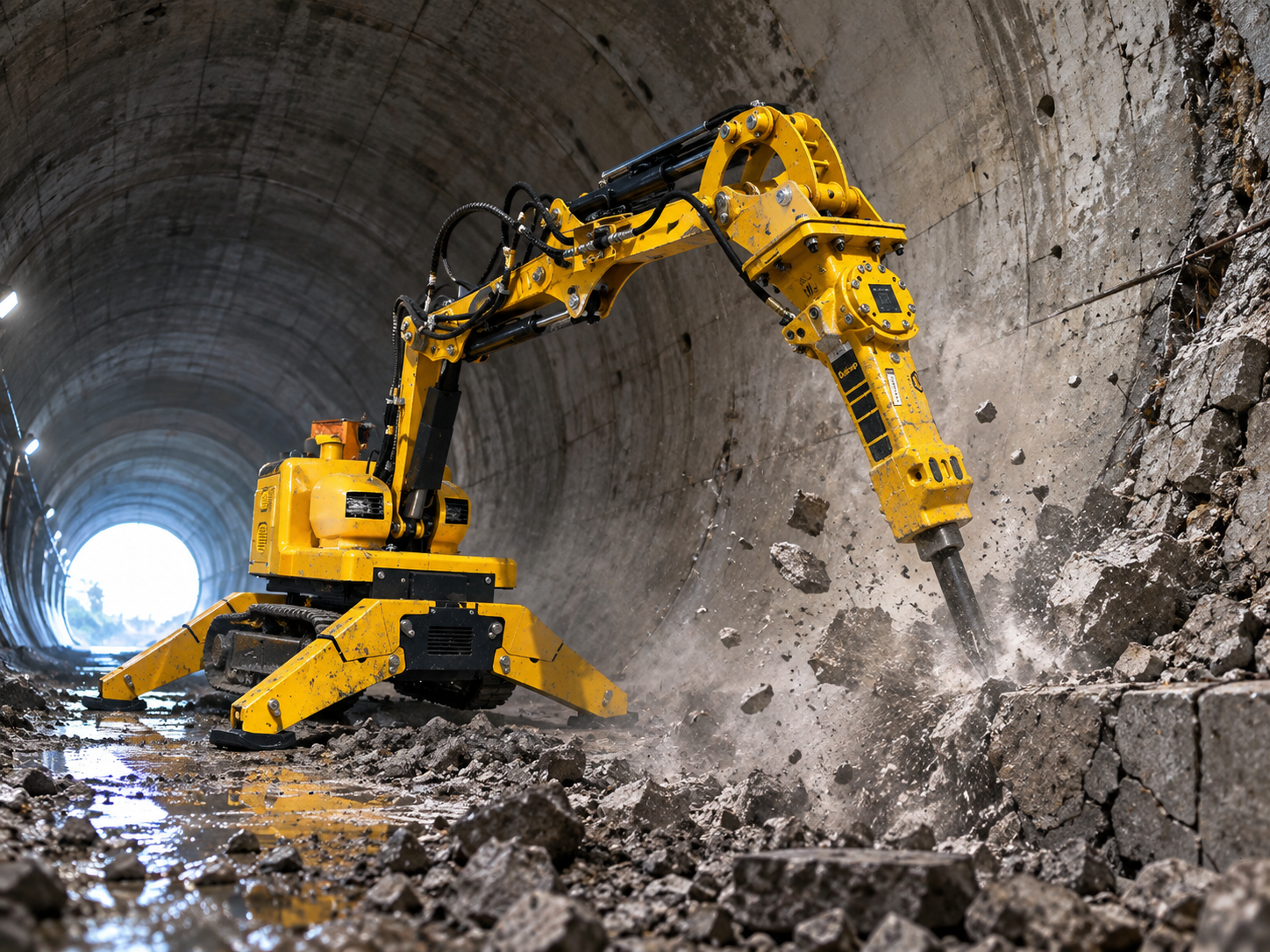
Hey there! As a supplier of demolition robots, I often get asked about how these nifty machines handle cables during the demolition process. It’s a crucial aspect, especially considering the safety and efficiency of the operation. So, let’s dive right in and explore this topic.
First off, cables are everywhere on a demolition site. There are power cables, communication cables, and sometimes even hydraulic hoses that need to be managed properly. A demolition robot has to be able to work around these cables without causing any damage to them, unless, of course, the cables are part of the structure being demolished.
One of the key features of our demolition robots is their precise control system. We’ve designed these machines to have extremely accurate movements, which allows the operator to carefully navigate around cables. The operator can use a remote control to move the robot’s arm and attachments with millimeter – level precision. This is super important because it means they can avoid accidentally hitting or snagging cables while they’re breaking down walls or other structures.
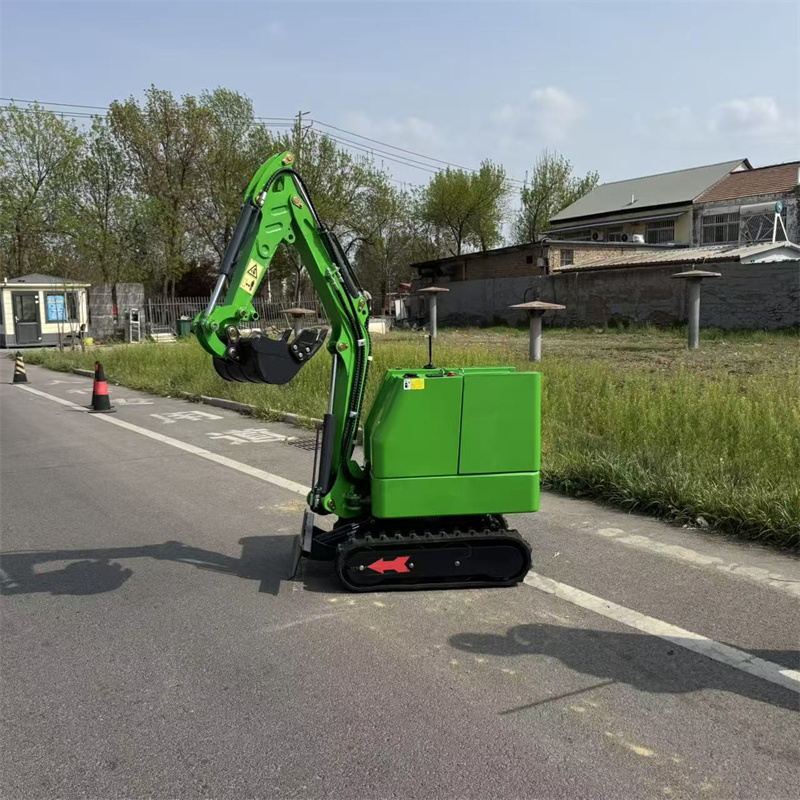
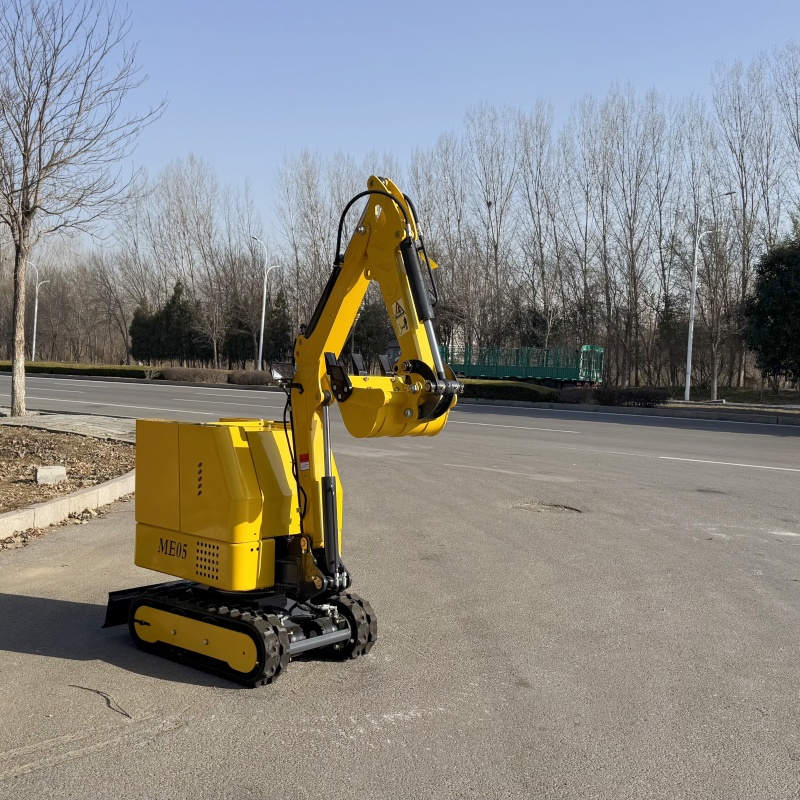
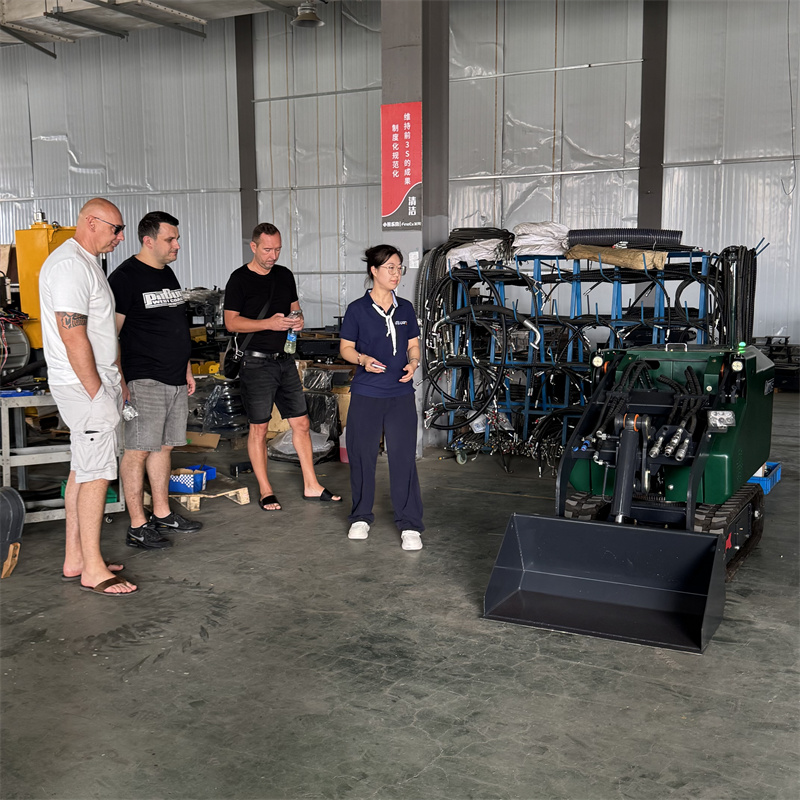
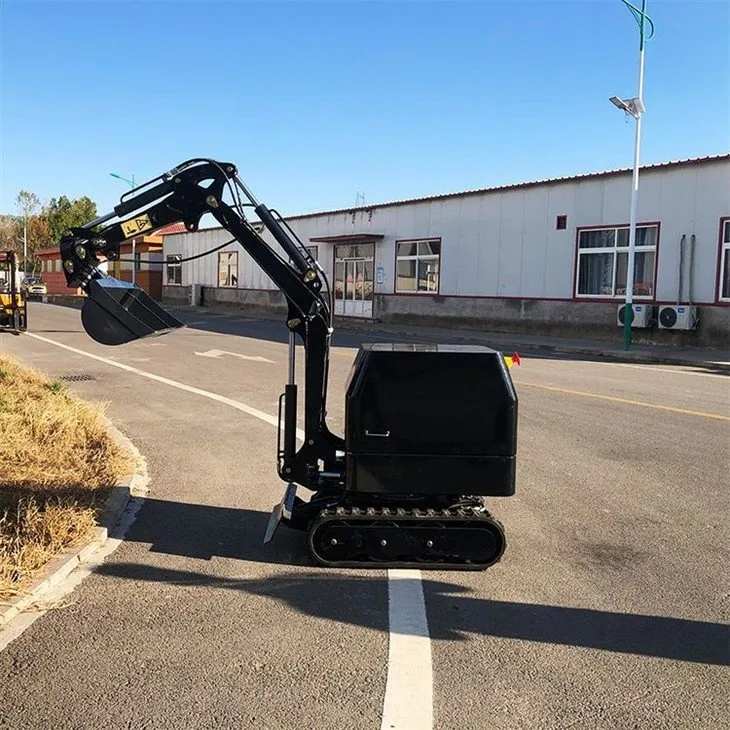
For example, take our ANTS Mini Excavator Robot. It’s a compact yet powerful machine that’s perfect for small – scale demolition jobs. Its small size allows it to get into tight spaces where cables might be in close proximity to the demolition area. The operator can use the remote control to gently maneuver the robot’s bucket or breaker, making sure not to touch any nearby cables.
Another way our demolition robots handle cables is through their advanced sensors. These sensors can detect the presence of cables and other obstacles in the robot’s path. When a cable is detected, the robot can automatically adjust its movement to avoid it. This is a great safety feature that reduces the risk of cable damage and potential electrical hazards.
Let’s talk about the process of demolition around cables. Before starting the demolition, a thorough site survey is conducted. The team identifies the location of all cables, both above – ground and underground. They mark the areas where cables are present, and the operator is given a detailed map of the site. This way, the operator knows exactly where to be extra careful when operating the demolition robot.
During the demolition, the operator keeps a close eye on the sensors and the video feed from the robot’s cameras. The cameras provide a clear view of the demolition area, allowing the operator to see any cables that might be in the way. If a cable is in the path of the robot’s attachment, the operator can stop the movement and re – position the robot to avoid it.
Our Earth Moving Machinery Remote – controlled Excavator is a great example of a machine that’s well – equipped for cable – aware demolition. It has a high – definition camera system that gives the operator a 360 – degree view of the surroundings. This helps the operator to spot cables and other obstacles from all angles, ensuring a safe and efficient demolition process.
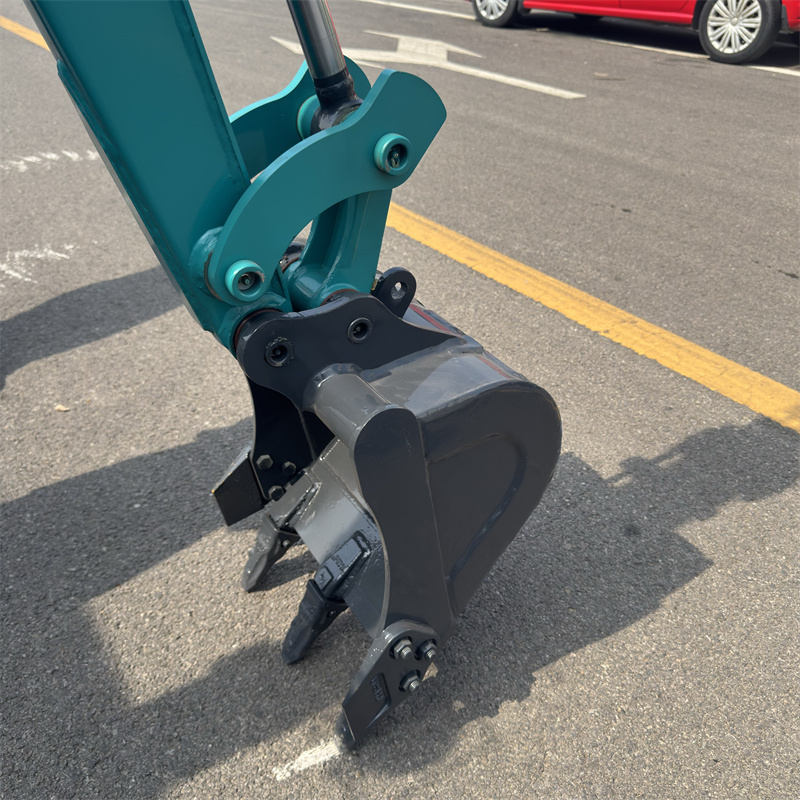
In some cases, cables need to be protected during the demolition. Our demolition robots can be fitted with special attachments that are designed to protect cables. For instance, there are cable guards that can be installed on the robot’s arm or bucket. These guards act as a barrier between the attachment and the cables, preventing any accidental contact.
When it comes to underground cables, things get a bit more complicated. Before starting any demolition work, ground – penetrating radar or other detection methods are used to locate underground cables. Once the cables are located, the demolition robot can be programmed to avoid those areas. If the demolition has to be done close to underground cables, special techniques are used to minimize the risk of damage.
Our Mini Interior Decoration Excavator is often used for interior demolition jobs where cables are usually hidden behind walls or ceilings. The robot’s small size and precise control make it ideal for working in these confined spaces. The operator can carefully break down the walls or ceilings, making sure not to damage any hidden cables.
Now, let’s talk about the maintenance of the demolition robots to ensure they continue to handle cables effectively. Regular maintenance is essential to keep the sensors, cameras, and control systems in good working condition. The cables on the robot itself also need to be inspected regularly for any signs of wear or damage.
We provide comprehensive training to our customers on how to operate and maintain the demolition robots. This training includes how to handle cables safely during the demolition process. Our goal is to make sure that every operator is well – equipped to deal with any cable – related challenges on the demolition site.
In conclusion, our demolition robots are designed with cable handling in mind. From their precise control systems and advanced sensors to their special attachments, these machines are capable of safely and efficiently demolishing structures while avoiding cable damage. Whether it’s a small – scale interior demolition or a large – scale industrial project, our robots are up to the task.
If you’re in the market for a reliable demolition robot that can handle cables with ease, we’d love to hear from you. We can provide you with more information about our products and how they can meet your specific demolition needs. Just reach out to us for a friendly chat and we can start discussing your project.
References
Demolition Equipment Handbook
Safety Guidelines for Construction and Demolition Sites