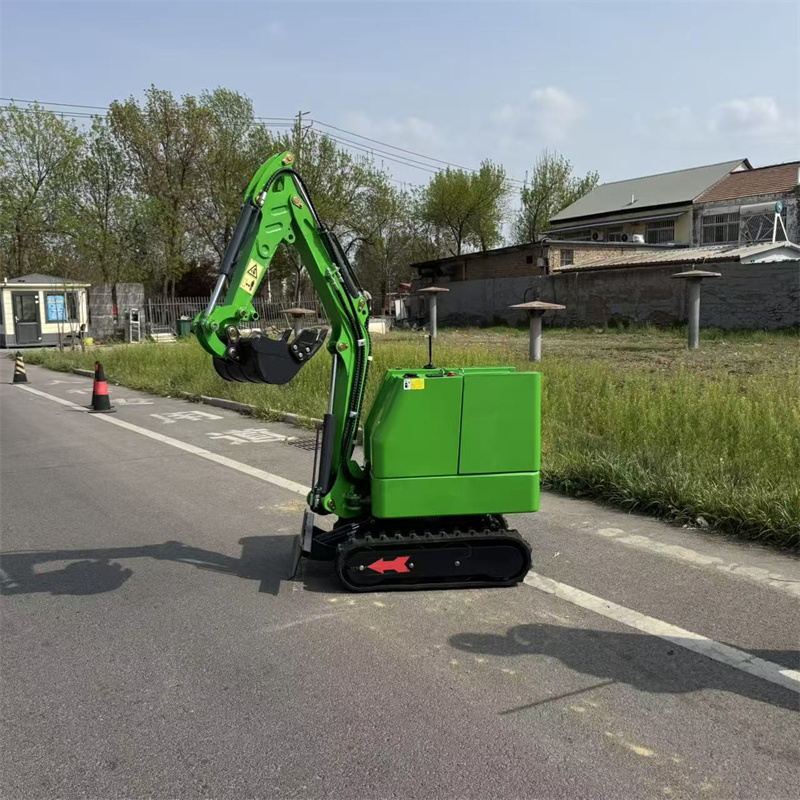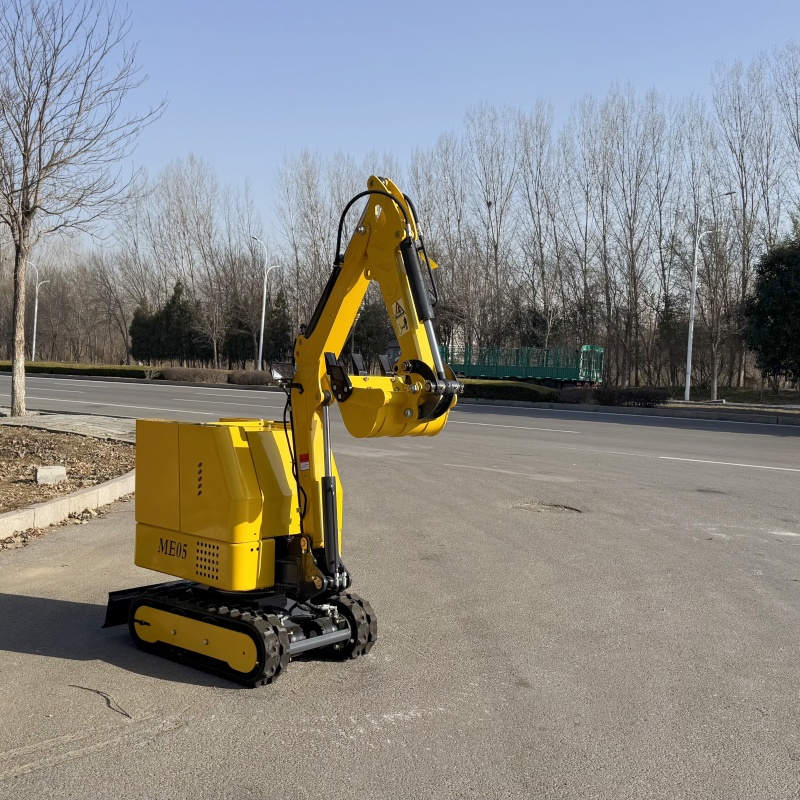
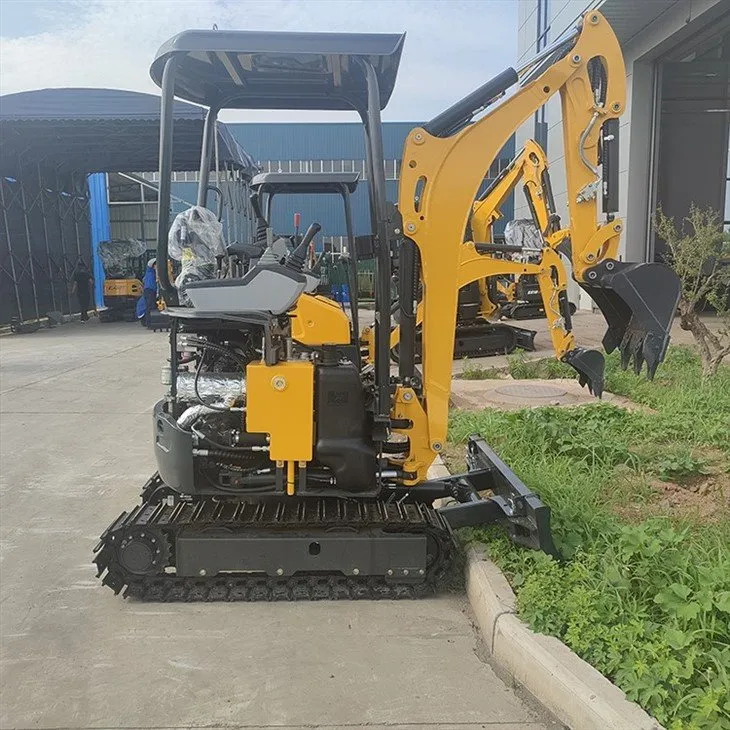
Hey there, fellow construction enthusiasts! I’m a supplier of 1.8 – ton mini excavators, and today I’m gonna dive deep into how the auxiliary hydraulic circuit of these nifty machines works.
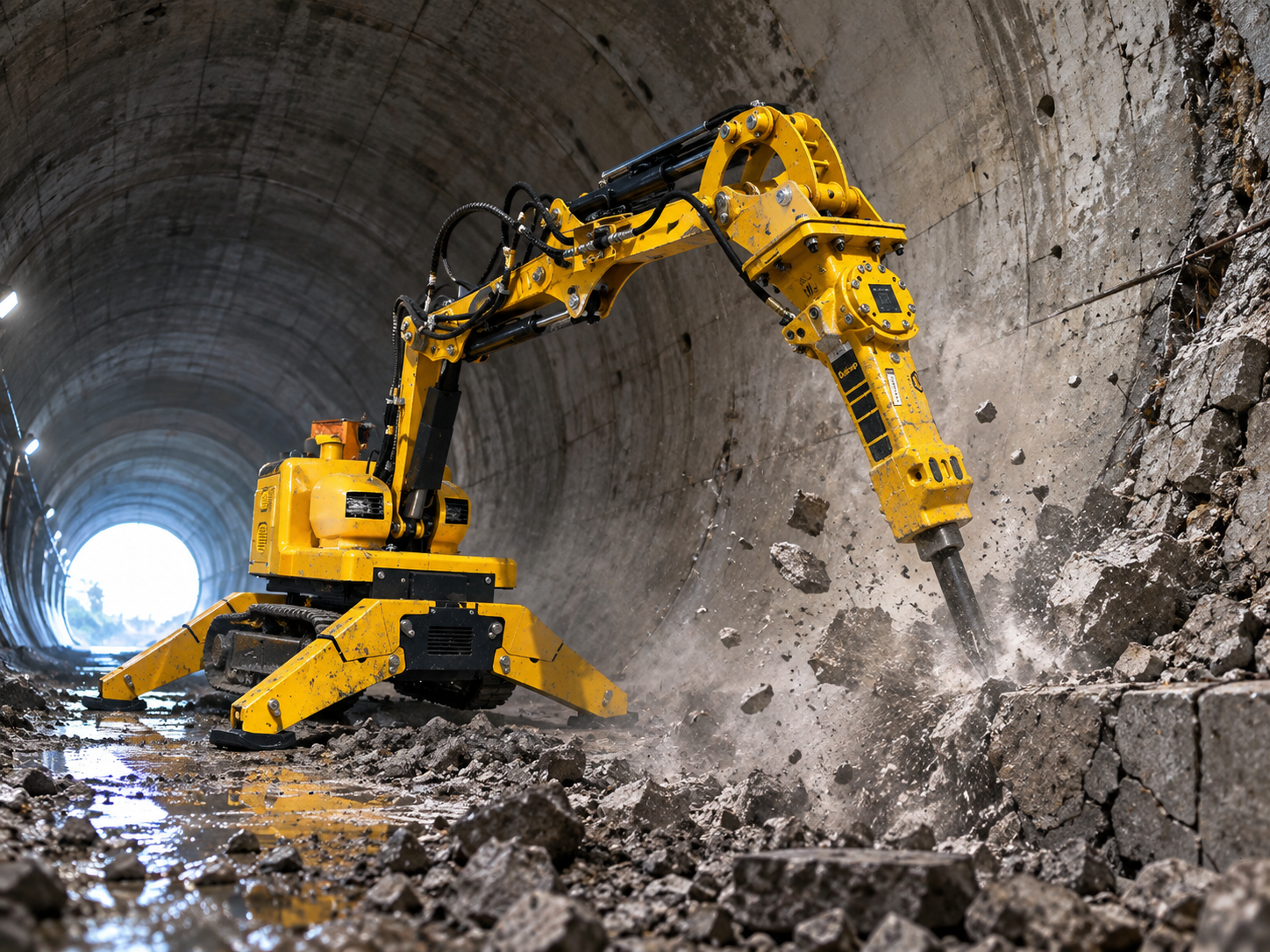
First off, let’s talk a bit about why the auxiliary hydraulic circuit is such a big deal. A 1.8 – ton mini excavator is a real workhorse on small – scale construction sites, landscaping projects, and utility work. The auxiliary hydraulic circuit takes its versatility to a whole new level. It allows the excavator to operate a wide range of attachments, like hydraulic breakers, augers, and grapples.
So, what exactly is an auxiliary hydraulic circuit? Well, it’s an additional hydraulic system in the excavator that runs alongside the main hydraulic system. The main hydraulic system is responsible for the basic functions of the excavator, like moving the boom, arm, and bucket. The auxiliary circuit, on the other hand, powers those extra attachments.
Let’s start with the components of the auxiliary hydraulic circuit. At the heart of it is the hydraulic pump. This pump is usually driven by the excavator’s engine. It sucks in hydraulic fluid from the reservoir, which is basically a big tank that holds the fluid. The pump then pressurizes the fluid and sends it through a series of hoses and valves.
The hoses are like the veins of the hydraulic system. They carry the pressurized fluid from the pump to the different parts of the circuit. And the valves? They’re the traffic controllers. They direct the flow of the fluid to where it’s needed. For example, if you’re using a hydraulic breaker attachment, the valves will send the fluid to the breaker to make it work.
One important valve in the auxiliary hydraulic circuit is the control valve. This valve is usually operated by the excavator operator using a joystick or a lever in the cab. When the operator moves the joystick, the control valve opens or closes different passages, allowing the fluid to flow to the right attachment. This gives the operator precise control over the operation of the attachment.
Another key component is the relief valve. This valve acts as a safety mechanism. Hydraulic systems can generate a lot of pressure, and if the pressure gets too high, it can damage the components. The relief valve is set to a certain pressure limit. When the pressure in the circuit exceeds this limit, the relief valve opens and allows some of the fluid to flow back to the reservoir. This keeps the pressure in check and protects the system.
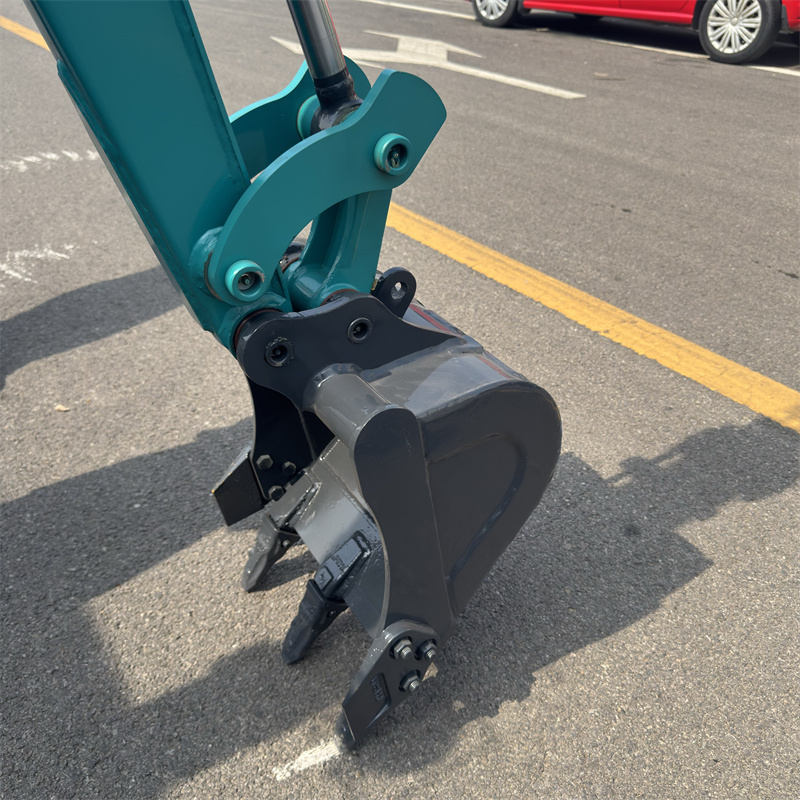
Now, let’s talk about how the auxiliary hydraulic circuit interacts with the attachments. When you attach a hydraulic – powered tool to the excavator, you need to connect it to the auxiliary hydraulic ports. These ports are usually located on the end of the arm or the boom. Once the attachment is connected, the operator can start the engine and engage the auxiliary hydraulic system.
The hydraulic fluid then flows into the attachment, creating a force that makes the attachment work. For example, in a hydraulic auger, the fluid powers a motor that rotates the auger bit. In a hydraulic grapple, the fluid operates cylinders that open and close the grapple jaws.
One of the great things about the auxiliary hydraulic circuit is its flexibility. You can easily switch between different attachments. All you have to do is disconnect one attachment and connect another. This means that your 1.8 – ton mini excavator can be used for a variety of tasks, from breaking concrete to digging holes.
If you’re interested in seeing our 1.8 – ton mini excavators in action, check out these links: Mini Small Excavator, Mini Excavator Digging A Trench, and Mini Crawler Excavator. These pages show our machines in different applications, giving you a better idea of what they can do.
Maintaining the auxiliary hydraulic circuit is also crucial. You need to regularly check the hydraulic fluid level in the reservoir. If the fluid is low, it can cause the pump to overheat and damage the system. You also need to keep an eye on the hoses for any signs of wear or leaks. A small leak can quickly turn into a big problem if not addressed.
Another important maintenance task is changing the hydraulic filter. The filter removes dirt and debris from the fluid, preventing it from clogging the valves and other components. Over time, the filter can get dirty and need to be replaced. It’s a good idea to follow the manufacturer’s recommendations for filter replacement intervals.
In conclusion, the auxiliary hydraulic circuit of a 1.8 – ton mini excavator is a complex but essential part of the machine. It gives the excavator the ability to use a wide range of attachments, making it a very versatile tool on the job site. Whether you’re a professional contractor or a DIY enthusiast, understanding how this circuit works can help you get the most out of your mini excavator.
If you’re in the market for a 1.8 – ton mini excavator or have any questions about our products, don’t hesitate to reach out. We’re here to help you find the right machine for your needs and answer any technical questions you might have. Let’s start a conversation about how our mini excavators can boost your productivity on the job.
References:
“Hydraulic Systems Handbook” by John F. Caruthers
Manufacturer’s manuals for 1.8 – ton mini excavators