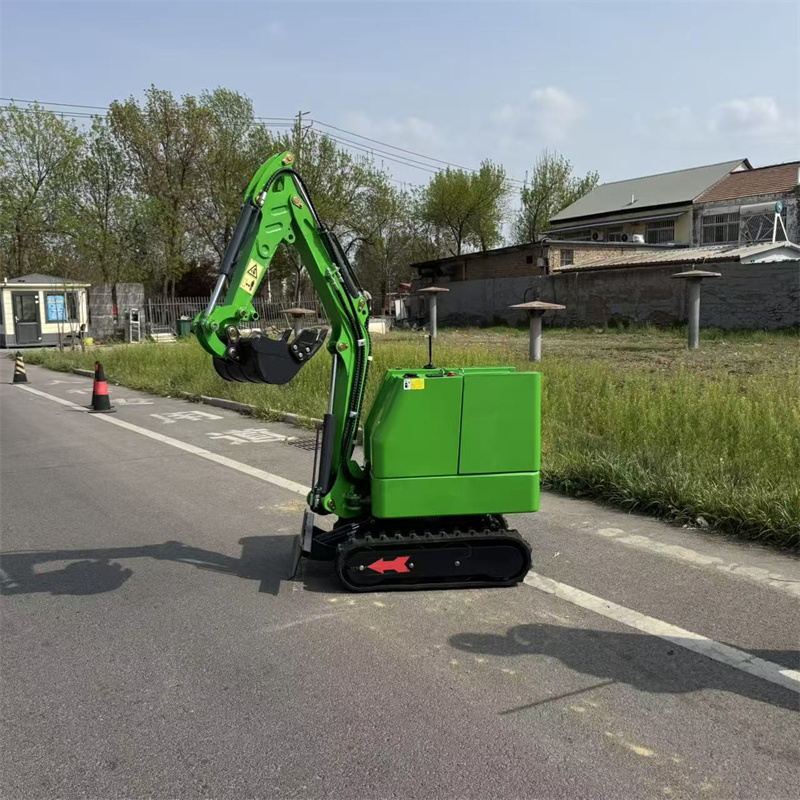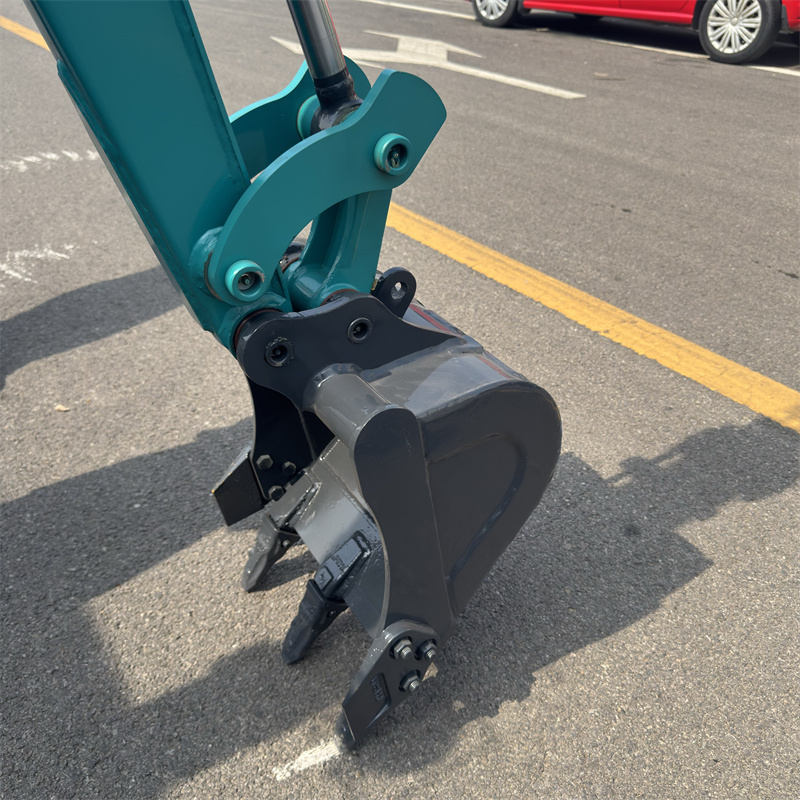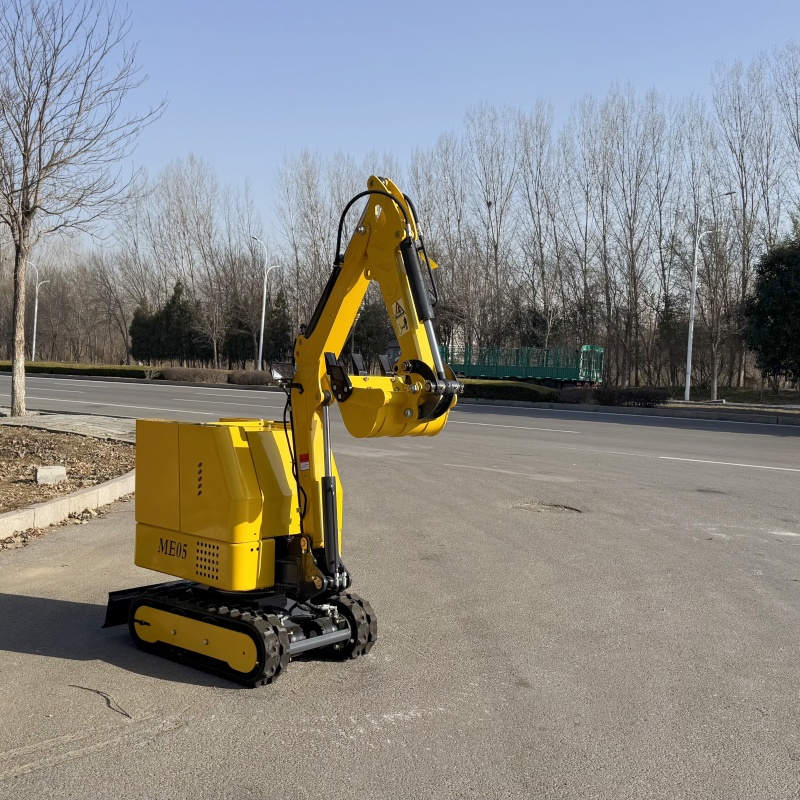
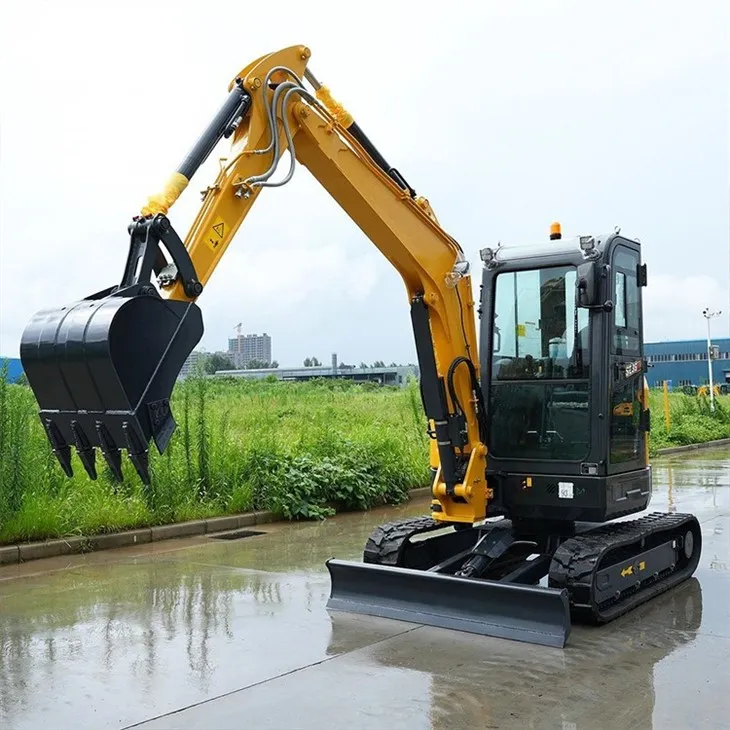
Hey there! As a supplier of electric mini diggers, I’ve had a front – row seat to the ins and outs of these nifty machines. One of the most crucial aspects of any construction equipment, including our electric mini diggers, is the braking system. In this blog, I’m gonna break down how the braking system of an electric mini digger works.
First things first, let’s talk about why the braking system is so important. Just like in a car, the brakes on an electric mini digger are essential for safety and control. Whether it’s stopping the machine during normal operation, holding it in place on a slope, or quickly halting in an emergency, a well – functioning braking system is a must.
Types of Braking Systems in Electric Mini Diggers
There are generally two main types of braking systems used in electric mini diggers: service brakes and parking brakes.
Service Brakes
The service brakes are the ones you use most often during regular operation. They’re designed to slow down or stop the digger when you need to change its speed or come to a complete halt. In our Electric Mini Digger 0.5 Ton, the service brakes work on a hydraulic principle.
Hydraulic braking systems use fluid pressure to transfer force from the brake pedal to the brake components. When you press the brake pedal in the operator’s cab, it activates a master cylinder. The master cylinder then forces hydraulic fluid through a series of brake lines. These lines are connected to the brake calipers or brake drums at the wheels.
In a disc brake setup, which is commonly used in modern electric mini diggers, the hydraulic fluid causes the brake calipers to squeeze the brake pads against the brake discs. The friction between the pads and the discs creates resistance, which slows down the rotation of the wheels and, ultimately, the digger. This type of braking system is known for its reliability and efficient stopping power.
The advantage of using a hydraulic service brake system in our Mini Electric Excavator is that it provides smooth and consistent braking performance. It can handle the heavy loads and high – speed movements that these diggers are capable of, ensuring that operators can control the machine safely in various working conditions.
Parking Brakes
Parking brakes, on the other hand, are used to keep the digger stationary when it’s not in use. They’re like the handbrake in a car. In our electric mini diggers, the parking brakes are usually mechanical or spring – applied.
A spring – applied parking brake system works by using a set of springs to apply pressure to the brake components. When the digger is in operation, hydraulic pressure overcomes the spring force, allowing the wheels to rotate freely. But when you activate the parking brake, the hydraulic pressure is released, and the springs push the brake pads or shoes against the brake discs or drums, locking the wheels in place.
This type of parking brake is reliable because it doesn’t rely on the hydraulic system to stay engaged. Even if there’s a hydraulic leak or a power failure, the parking brake will still hold the digger in place, preventing it from rolling away on an incline.
Components of the Braking System
Now, let’s take a closer look at the key components that make up the braking system of an electric mini digger.
Brake Pedal
The brake pedal is the interface between the operator and the braking system. When you step on the brake pedal, you’re initiating the entire braking process. It’s designed to be easy to reach and operate, allowing the operator to quickly and accurately control the braking force.
Master Cylinder
As mentioned earlier, the master cylinder is responsible for converting the mechanical force from the brake pedal into hydraulic pressure. It contains a piston that moves when the brake pedal is pressed, forcing the hydraulic fluid out of the reservoir and into the brake lines.
Brake Lines
The brake lines are like the arteries of the braking system. They carry the hydraulic fluid from the master cylinder to the brake calipers or drums at the wheels. These lines are made of high – strength materials to withstand the high pressure of the hydraulic fluid and prevent leaks.
Brake Calipers (Disc Brakes) or Brake Drums (Drum Brakes)
Brake calipers are used in disc brake systems. They house the brake pads and use hydraulic pressure to squeeze the pads against the brake discs. Brake drums, on the other hand, are used in drum brake systems. They enclose the brake shoes, which are pushed outwards against the inner surface of the drum when the brakes are applied.
Brake Pads and Shoes
Brake pads and shoes are the friction materials that come into contact with the brake discs or drums. They’re made of special compounds that are designed to generate high friction and withstand the heat generated during braking. Over time, these friction materials will wear out and need to be replaced.
Maintenance of the Braking System
Proper maintenance of the braking system is crucial to ensure its reliable operation. Here are some tips on how to keep the brakes on your electric mini digger in top shape.
Regular Inspections: Check the brake components regularly for signs of wear, damage, or leaks. Look at the brake pads or shoes for thickness, and make sure the brake lines are free from cracks or corrosion.
Fluid Checks: If your digger has a hydraulic braking system, check the hydraulic fluid level regularly. Low fluid levels can indicate a leak, which needs to be addressed immediately.
Lubrication: Some brake components, such as the brake caliper slides, may require lubrication to ensure smooth operation. Follow the manufacturer’s recommendations for lubrication intervals and the type of lubricant to use.
Safety Considerations
Safety should always be the top priority when operating an electric mini digger. The braking system plays a vital role in ensuring the safety of the operator and those around the machine.
Operator Training: Make sure that all operators are properly trained on how to use the braking system correctly. They should know how to apply the brakes smoothly and how to use the parking brake when the digger is parked.
Emergency Procedures: Have clear emergency procedures in place in case of a brake failure. This may include using alternative methods to stop the digger, such as engaging the engine brake or using the machine’s momentum to come to a stop in a safe area.
In conclusion, the braking system of an electric mini digger is a complex but essential part of the machine. Whether it’s the hydraulic service brakes for normal operation or the spring – applied parking brakes for keeping the digger stationary, each component plays a crucial role in ensuring safety and control.
If you’re in the market for an Electric Excavator Mini Machinery and want to learn more about our electric mini diggers and their braking systems, don’t hesitate to reach out. We’re here to answer all your questions and help you find the right machine for your needs. Let’s start a conversation about your procurement requirements and see how we can work together.
References
Construction Equipment Handbook
Electric Mini Digger Manufacturer’s Manuals