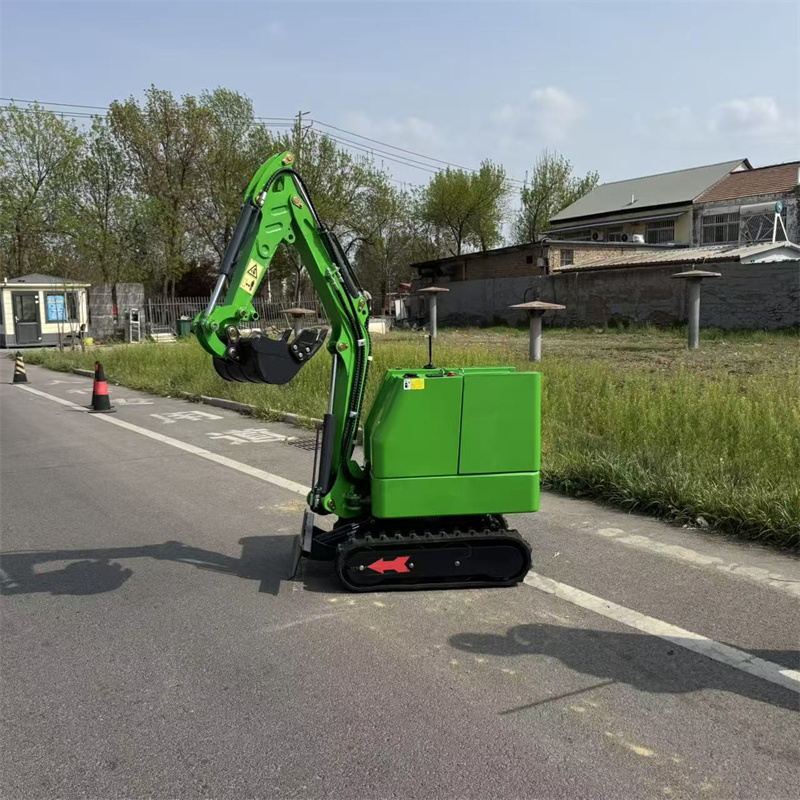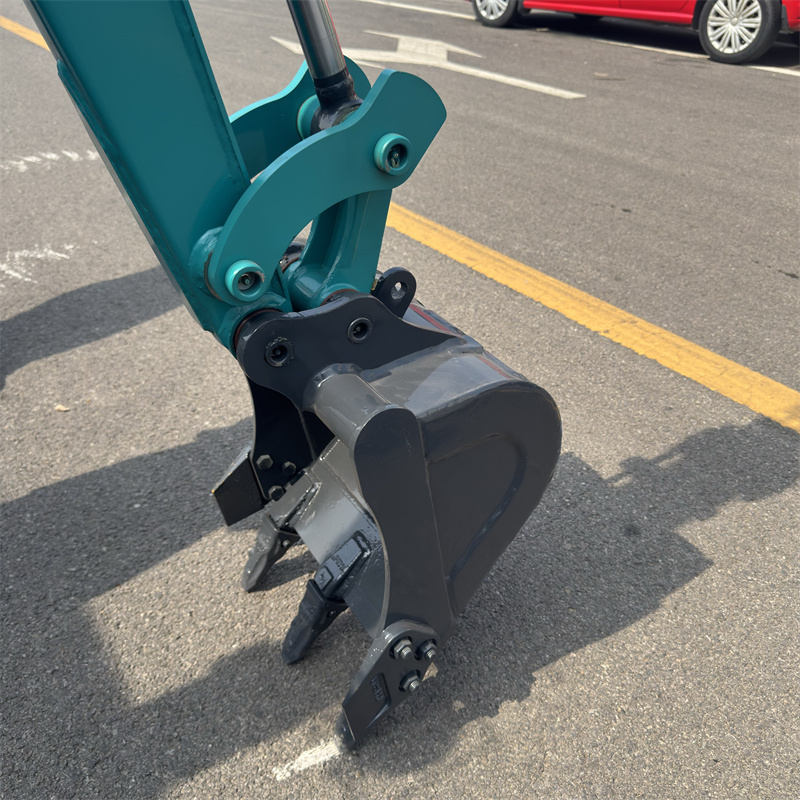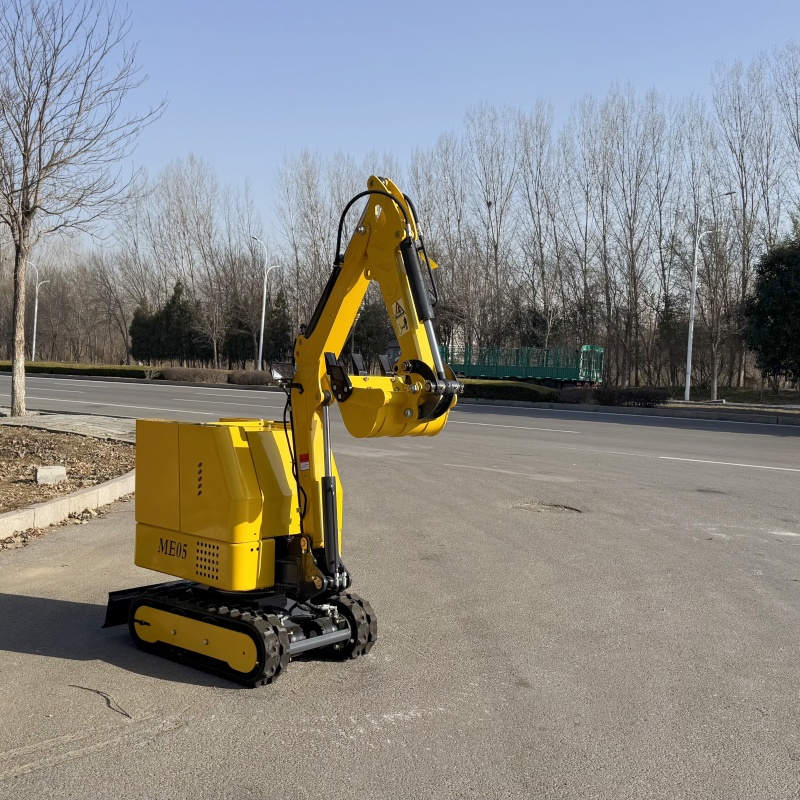
Hey there! As a supplier of plug – in mini excavators, I often get asked about how the prices of plug – in mini excavators stack up against gas – powered ones. So, I thought I’d break it down for you in this blog.
Let’s start with the basics. Gas – powered mini excavators have been around for ages. They’re like the old reliable workhorses of the construction and landscaping world. You fill ’em up with gas, and they’re ready to go. They’ve got that classic engine growl, and for many people, there’s a sense of familiarity and trust with this type of equipment.
On the other hand, plug – in mini excavators are the new kids on the block. They’re powered by electricity, either from a battery or by being plugged directly into a power source. They’re quieter, produce zero emissions on – site, and are generally considered more environmentally friendly.
Now, let’s talk about price. At first glance, plug – in mini excavators tend to have a higher upfront cost. This is mainly because the technology behind them is still relatively new, and the cost of batteries or the specialized electrical components can be pretty steep. For example, a basic gas – powered mini excavator might set you back around $15,000 – $30,000, depending on the brand, size, and features. But a comparable plug – in model could cost anywhere from $25,000 – $40,000. That’s a significant difference, right?
However, it’s not all about the initial price tag. When you look at the long – term costs, plug – in mini excavators start to shine. Gas prices are constantly fluctuating, and over time, the cost of fuel for a gas – powered excavator can really add up. You’ve got to keep filling up that tank, and with the rising cost of gasoline in many areas, it can become a substantial expense.
In contrast, the cost of electricity is generally more stable. Once you’ve paid for the initial charge or the electricity used to power your plug – in excavator, you’re looking at a much lower cost per hour of operation. Some estimates suggest that the cost of electricity for a plug – in mini excavator can be up to 70% less than the cost of gas for a similar gas – powered machine over the course of a year. That’s a huge saving!
Another factor to consider is maintenance. Gas – powered engines have a lot of moving parts, which means there’s more that can go wrong. You’ve got to change the oil, spark plugs, air filters, and deal with other engine – related maintenance tasks on a regular basis. These maintenance costs can pile up over time, not to mention the downtime when your machine is in the shop.
Plug – in mini excavators, on the other hand, have fewer moving parts. There’s no oil to change, no spark plugs to replace, and generally, less wear and tear on the components. This means lower maintenance costs and less time spent on upkeep. You can get your work done more efficiently without having to worry as much about breakdowns.
Let’s also talk about the environmental impact. In today’s world, more and more companies are looking to reduce their carbon footprint. Gas – powered excavators emit pollutants such as carbon monoxide, nitrogen oxides, and particulate matter. These emissions can have a negative impact on air quality, especially in enclosed or urban areas.
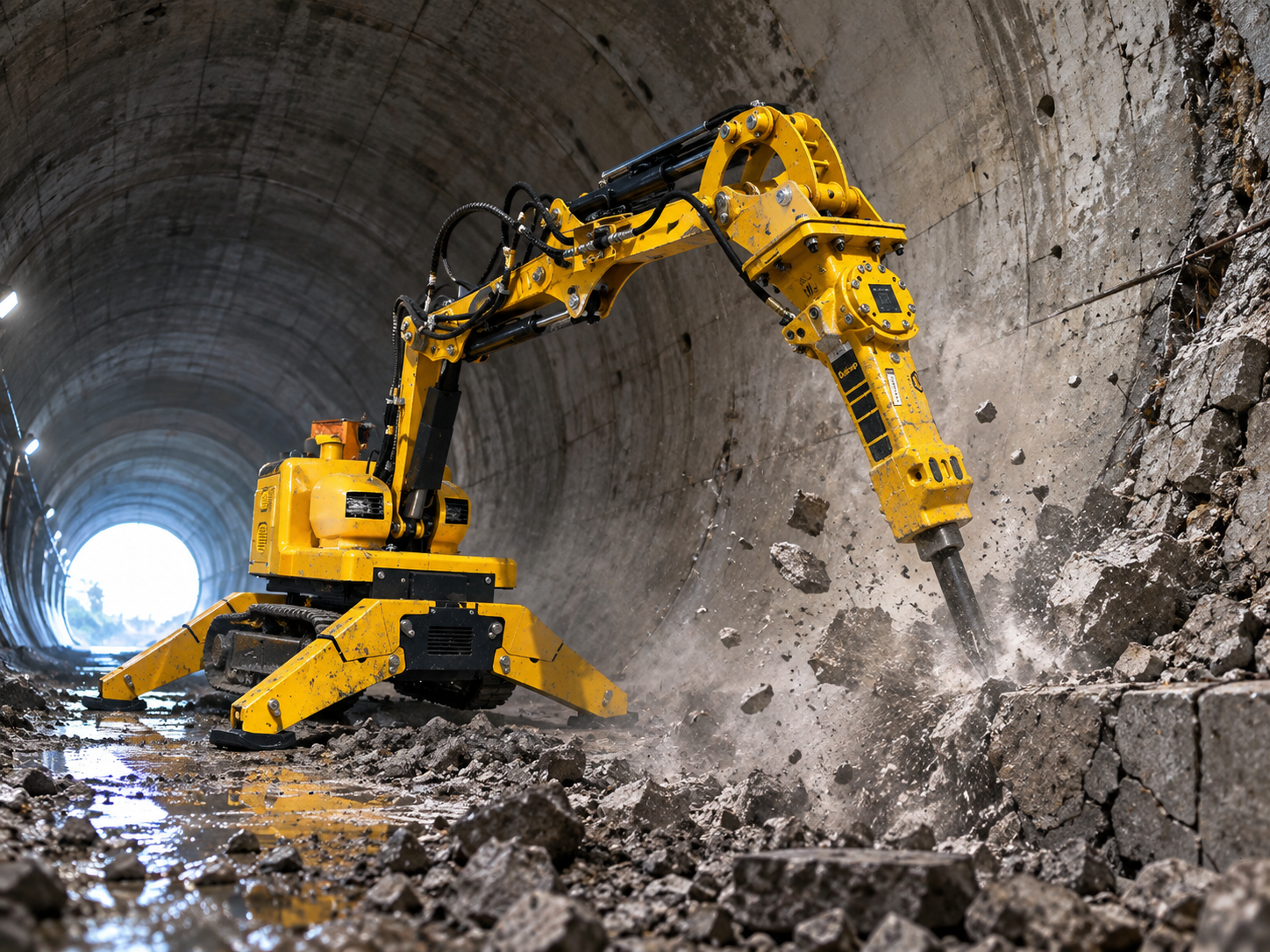
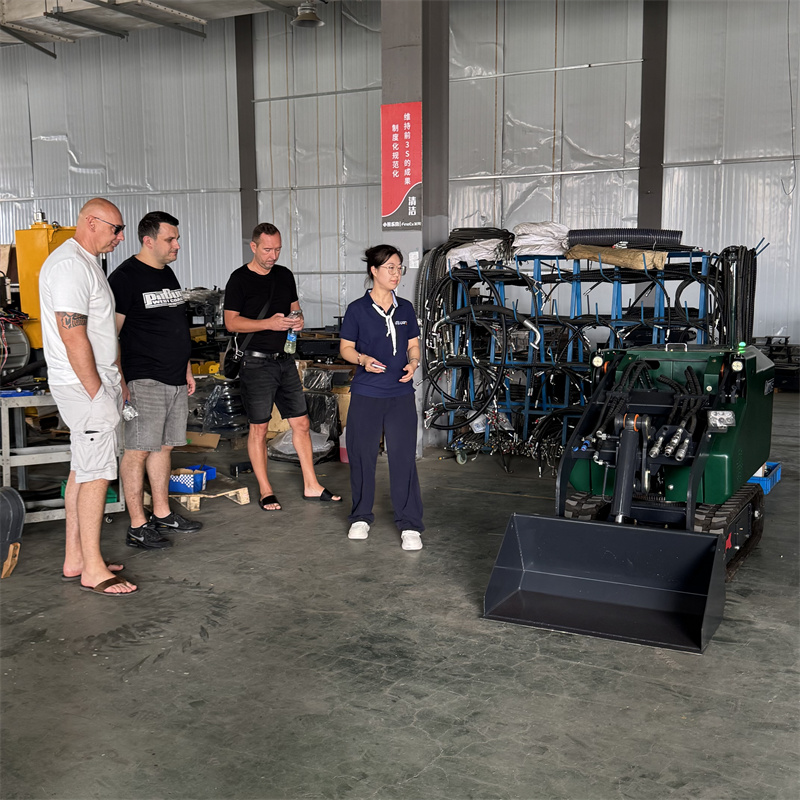
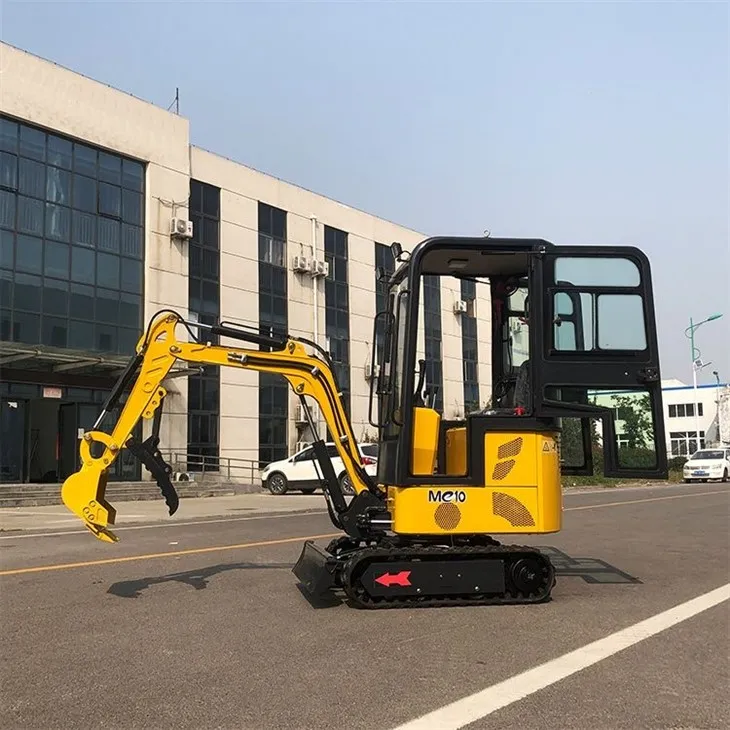
Plug – in mini excavators, like the Electric Crawler Excavator and Battery – powered Mini Excavator, produce zero emissions on – site. This makes them a great choice for indoor projects, like the ones where you’d use a Mini Excavator for Indoor Use. Not only are they better for the environment, but in some areas, there may be incentives or tax breaks for using eco – friendly equipment, which can further offset the higher upfront cost.
When it comes to performance, both types of excavators have their strengths. Gas – powered excavators typically have more power and torque right off the bat. They can handle heavy – duty tasks with ease and are often preferred for large – scale construction projects where power is crucial.
Plug – in mini excavators, however, are getting better and better in terms of performance. Newer models are designed to provide high – torque output, and with advancements in battery technology, they can now run for longer periods without needing a recharge. They’re also very responsive, which makes them great for precision work.
So, which one should you choose? Well, it depends on your specific needs. If you’re on a tight budget and need a machine for occasional, light – duty work, a gas – powered mini excavator might be the way to go. But if you’re looking at long – term cost savings, environmental friendliness, and want a machine that’s suitable for indoor or urban projects, a plug – in mini excavator is definitely worth considering.
As a supplier of plug – in mini excavators, I’m always happy to help you make the right choice. If you’re interested in learning more about our products or want to discuss the pricing and features in more detail, don’t hesitate to reach out. We can have a chat about your project requirements and see if a plug – in mini excavator is the best fit for you. Let’s start a conversation and see how we can help you get the most out of your equipment investment.
References
Industry reports on construction equipment pricing and performance
Manufacturer data on gas – powered and plug – in mini excavators