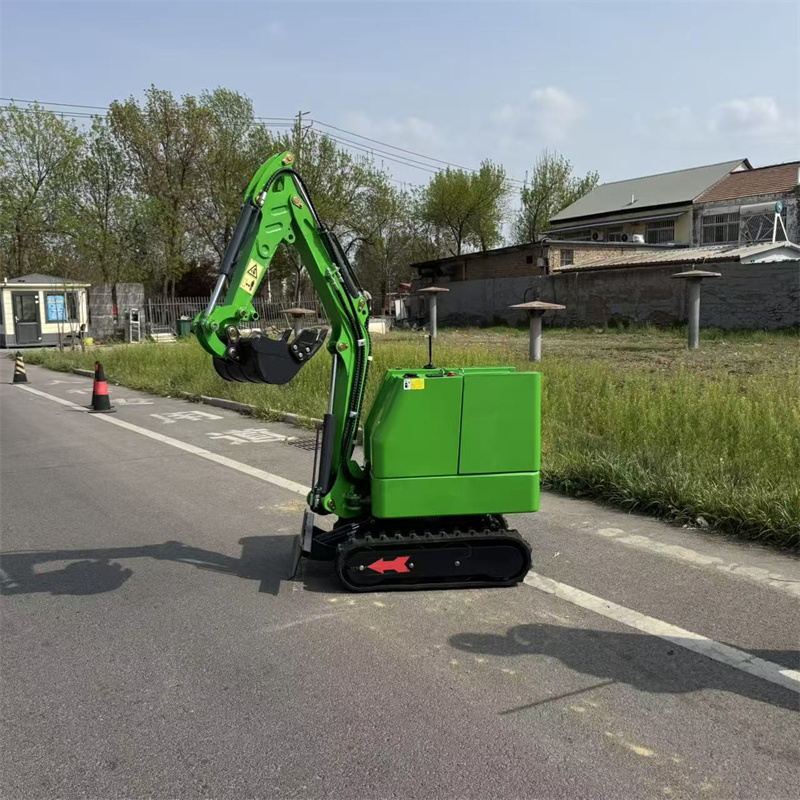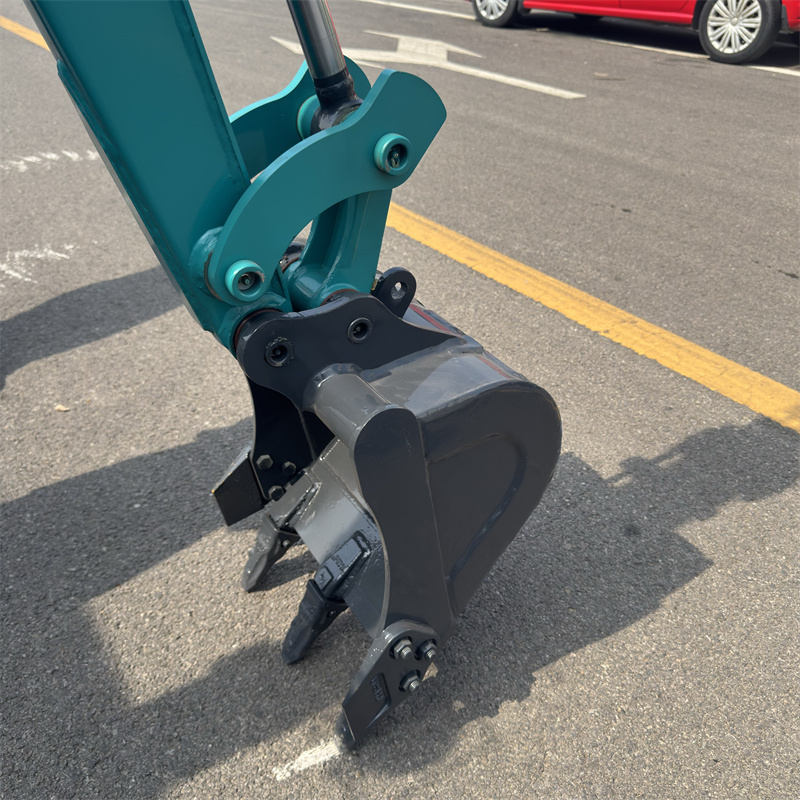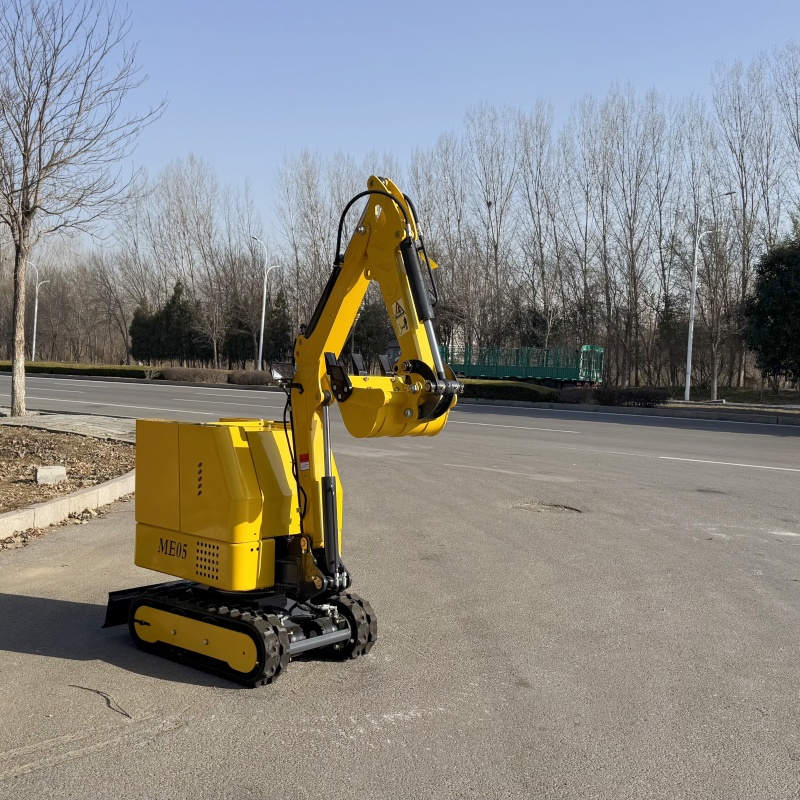
Hey there, fellow digger enthusiasts! I’m a supplier of mini excavator digging equipment, and I know firsthand how frustrating it can be when your mini excavator starts to overheat during those long – term digging jobs. Overheating not only slows down your work but can also cause serious damage to the machine. So, let’s talk about how to avoid this issue.
Understanding Why Mini Excavators Overheat
Before we dive into the solutions, it’s important to understand what causes mini excavators to overheat. There are a few common culprits.
First up, the cooling system. A dirty or clogged radiator can prevent proper airflow, which means the engine can’t cool down efficiently. The radiator fins can get blocked with dirt, dust, and debris, especially when you’re working in a dusty construction site or a garden full of leaves.
Another reason could be low coolant levels. Coolant is essential for carrying heat away from the engine. If the coolant is low, there won’t be enough to do its job, and the engine temperature will rise.
The engine itself can also play a role. Running the excavator at full throttle for too long without giving it a break can put a lot of stress on the engine, causing it to generate more heat than it can dissipate. Also, old or worn – out engine parts like the water pump or thermostat may not work as effectively, leading to overheating.
Preventive Measures for Radiator – Related Overheating
The radiator is like the heart of the cooling system, so keeping it in top shape is crucial.
Regular cleaning is a must. I suggest using a soft – bristle brush or compressed air to clean the radiator fins. You’d be surprised how much dirt can build up there over time. Start from the top and work your way down, making sure to get into all the nooks and crannies.
If the radiator is extremely dirty, you might need to take it out and give it a more thorough cleaning. But be careful not to damage the fins. You can soak it in a mild detergent solution and then rinse it with clean water.
Insulating the radiator can also be beneficial. There are special radiator insulation materials available on the market that can help maintain a more consistent temperature. They work by reducing heat loss from the radiator, which in turn keeps the engine temperature more stable.
Maintaining Proper Coolant Levels
Checking the coolant level regularly is something you can’t skip. Most mini excavators have a coolant reservoir with markings that show the minimum and maximum levels. Make sure the coolant is between these two marks.
If the coolant level is low, top it up with the right type of coolant. Don’t just use any old coolant; refer to the owner’s manual to find out what’s recommended for your specific model.
It’s also a good idea to flush the cooling system periodically. Over time, coolant can break down and become less effective. Flushing the system removes any contaminants and old coolant, allowing you to refill it with fresh coolant.
Engine Management to Avoid Overheating
As I mentioned earlier, running the engine at full tilt for extended periods is a no – no. Try to vary the engine speed during long – term digging. If you’re doing light work, you don’t need to have the engine running at maximum power all the time.
Give the engine some breaks. Just like us, engines need rest too. Take a 10 – 15 minute break every couple of hours. This allows the engine to cool down and reduces the overall stress on the components.
Regular engine maintenance is non – negotiable. Change the oil and filters according to the manufacturer’s recommendations. A clean oil filter and fresh oil help keep the engine running smoothly and can prevent overheating.
Monitoring and Control
Installing a temperature monitoring system can be a game – changer. These systems can give you real – time information about the engine temperature. Some even come with alarms that will alert you when the temperature gets too high.
If you notice the temperature starting to creep up, take immediate action. Stop the digging, let the engine idle for a few minutes, and check if there are any obvious problems like a coolant leak or a blocked radiator.
Choosing the Right Mini Excavator
When it comes to avoiding overheating, choosing the right mini excavator for the job is important. If you’re working on a small garden project, a Used Mini Excavator for Garden might be a great choice. These are designed to be more energy – efficient and less likely to overheat during light – duty work.
For more heavy – duty and long – term jobs, a Crawler Electric Excavator could be a better option. Electric excavators generally generate less heat compared to their diesel counterparts, and they can often handle continuous operation more effectively.
If you need a versatile machine with some nice features, take a look at the ME15 Mini Excavator | Canopy Optional. It’s well – designed and built to perform well under different working conditions, which can help prevent overheating.
Conclusion
In conclusion, avoiding overheating in your mini excavator during long – term digging is all about a combination of preventive maintenance, proper operation, and choosing the right equipment. By keeping the radiator clean, maintaining the right coolant levels, managing the engine well, and using monitoring systems, you can significantly reduce the risk of overheating.
If you’re in the market for a new or used mini excavator, we’ve got you covered. We offer a wide range of high – quality mini excavators that are built to last. Whether you need a small machine for your garden or a more powerful one for a construction site, we have the options.
Contact us today to start the purchasing and negotiation process. We’re eager to help you find the perfect mini excavator for your needs.
References
Manufacturer’s manuals of various mini excavators
Industry reports on mini excavator performance and maintenance