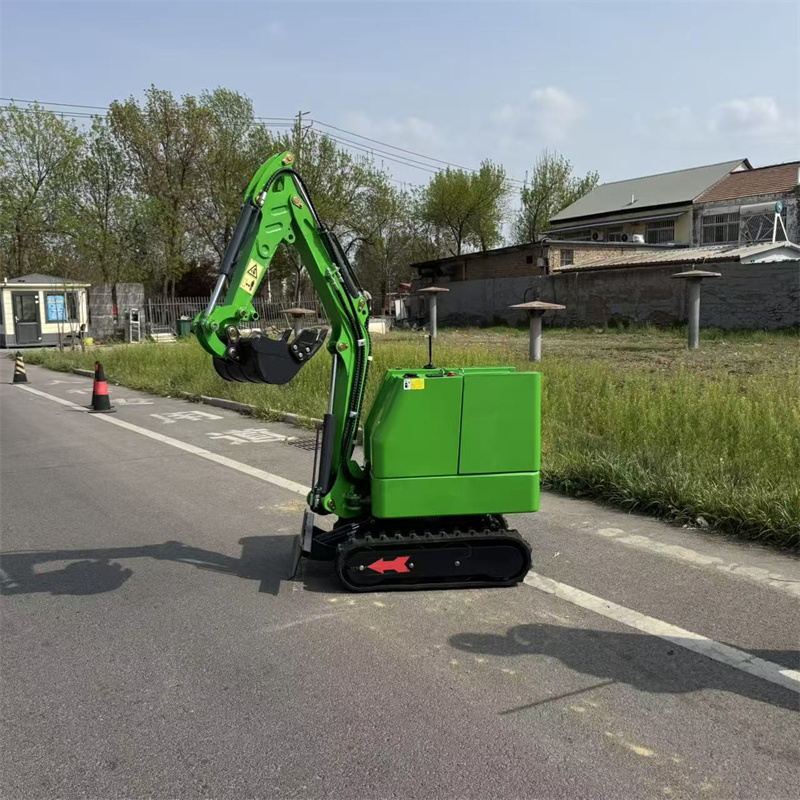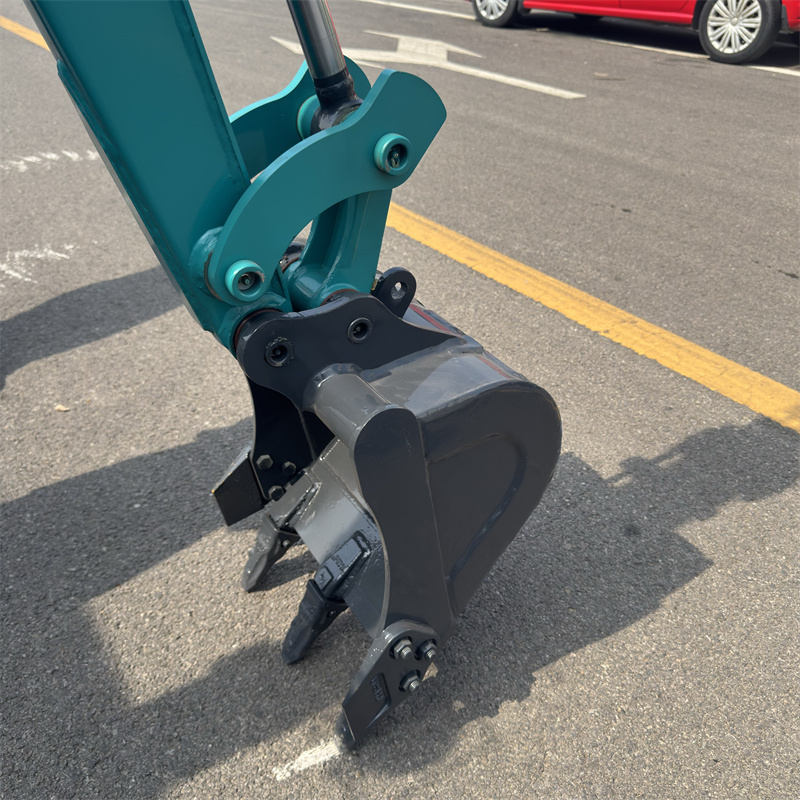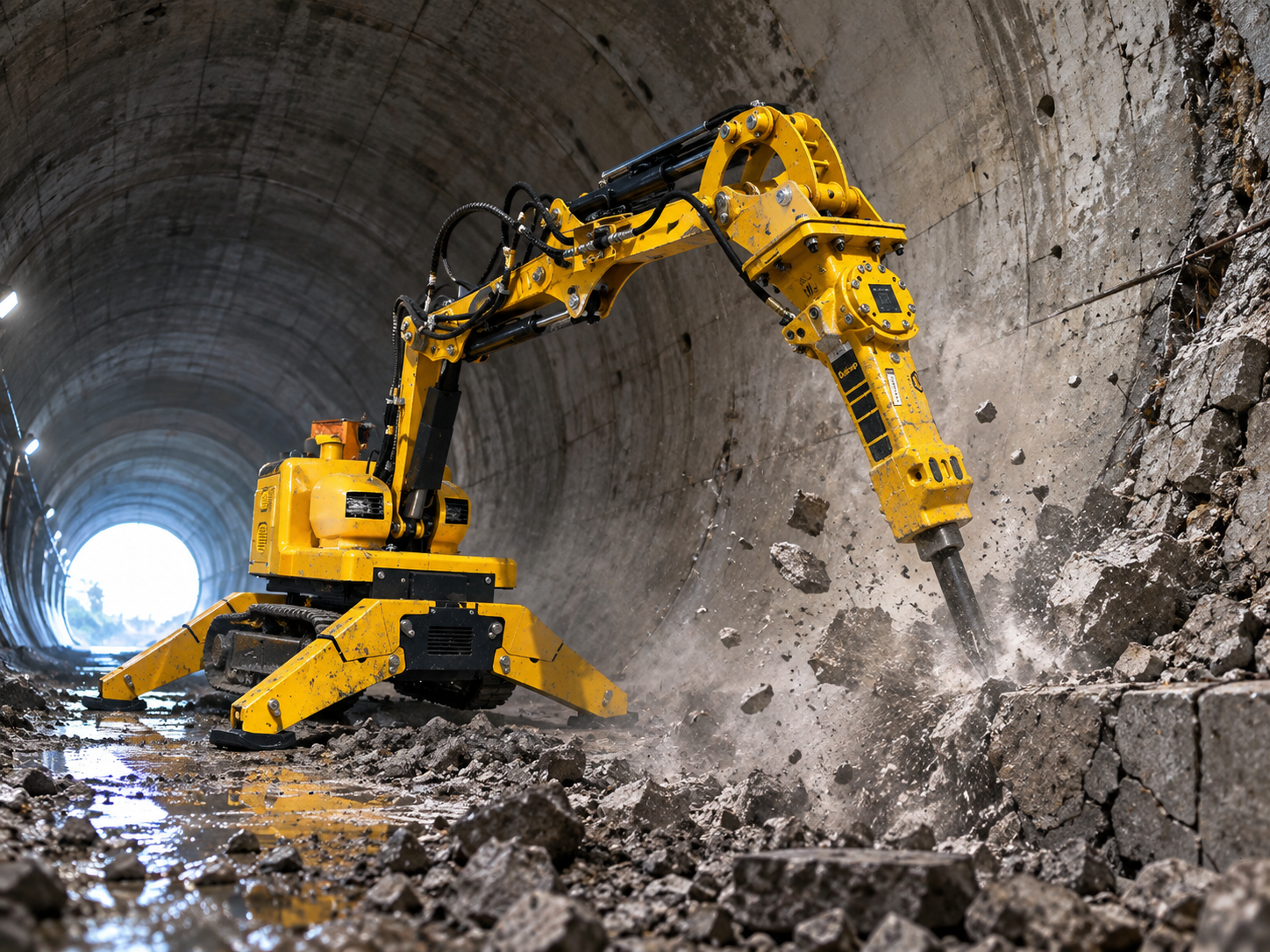
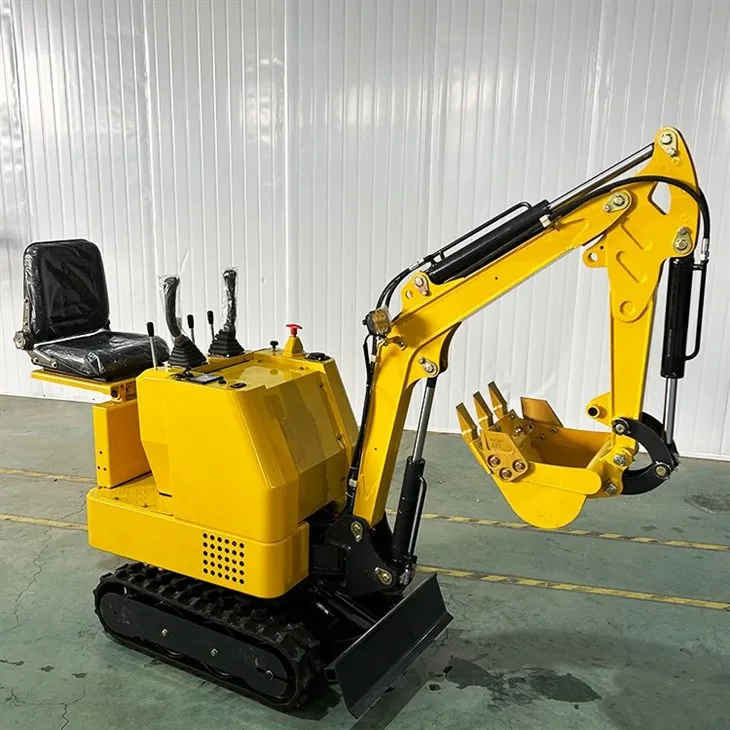
Hey there, fellow construction enthusiasts! I’m an actual supplier of 0.5 – ton mini excavators, and I’m here to share some valuable insights on how to check the battery of these nifty machines.
First things first, why is it so important to check the battery regularly? Well, a healthy battery is the heart of your 0.5 – ton mini excavator. It powers all the essential functions, from starting the engine to running the hydraulic systems. If the battery isn’t up to par, you’re going to run into all sorts of problems, like difficulty starting the machine or even complete breakdowns in the middle of a job. And let’s face it, that’s not only a hassle but can also cost you a lot in terms of time and money.
Now, let’s dive into the nitty – gritty of checking the battery.
Visual Inspection
The first step is to do a visual inspection of the battery. Pop open the battery compartment – this is usually pretty easy on our Mini Excavator 500kg. Take a good look at the battery terminals. Are they corroded? Corrosion looks like a white or greenish crust on the terminals. If you see corrosion, it’s a big no – no. It can prevent the battery from charging properly and may even lead to short circuits. You’ll need to clean the terminals with a battery terminal cleaner or a mixture of baking soda and water. Just make sure to wear gloves and safety glasses when you do this, as battery acid can be pretty dangerous.
While you’re at it, check the battery casing for any cracks or leaks. A cracked casing can expose the battery acid, which is not only a hazard but can also damage other parts of the excavator. If you notice any cracks or leaks, it’s time to replace the battery right away.
Another thing to look for is the electrolyte level. Most batteries have indicator windows that show the level of the electrolyte. If it’s below the minimum level, you’ll need to add distilled water. But be careful not to overfill it.
Voltage Check
After the visual inspection, it’s time to check the battery voltage. You’ll need a multimeter for this. Set the multimeter to the DC voltage setting – usually around 20 volts if you’re dealing with a standard 12 – volt battery.
Connect the positive (red) lead of the multimeter to the positive terminal of the battery and the negative (black) lead to the negative terminal. A fully charged 12 – volt battery should read around 12.6 volts. If it reads significantly less, say 12 volts or below, it might be time to charge the battery. If it reads much lower than that, like 10 volts or so, the battery could be seriously damaged and may need to be replaced.
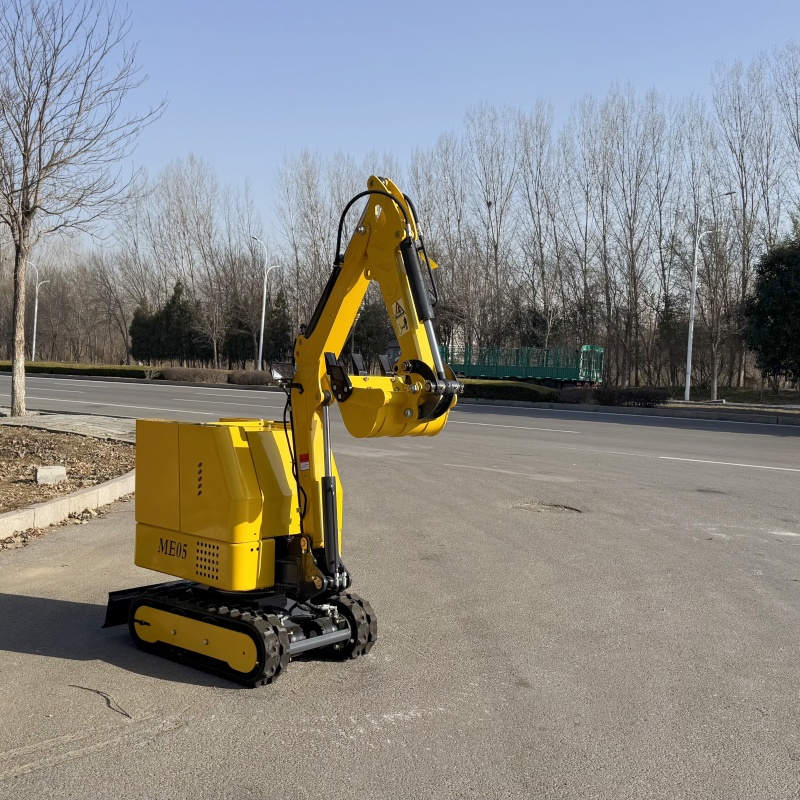
If your mini excavator has a lithium – ion battery, like the one in our ME05 Battery Powered Mini Digger, the voltage check is a bit different. Lithium – ion batteries usually have a built – in battery management system (BMS). You can use a specialized BMS reader to check the state of charge and health of the battery. The BMS can also tell you if there are any issues like over – charging, over – discharging, or temperature problems.
Load Testing
The voltage check gives you an idea of the battery’s state of charge, but a load test can tell you if the battery can actually handle the load of starting and running the mini excavator.
To perform a load test, you’ll need a load tester. These are available at most auto parts stores. Connect the load tester to the battery terminals according to the manufacturer’s instructions. Then, apply a load to the battery for a short period, usually around 15 seconds. The load should be about half the cold – cranking amps (CCA) of the battery.
During the load test, watch the voltage on the load tester. If the voltage drops below 9.6 volts and doesn’t recover quickly when the load is removed, the battery may be weak and need to be replaced. A healthy battery should maintain a relatively stable voltage during the load test.
Charging System Check
It’s not just the battery itself that you need to worry about. The charging system of the mini excavator also plays a crucial role in keeping the battery charged.
Start the mini excavator and let it run for a few minutes to warm up. Then, use the multimeter again to check the voltage across the battery terminals. With the engine running, the voltage should be between 13.5 and 14.5 volts. If it’s lower than this, the alternator may not be charging the battery properly. If it’s higher, there could be a problem with the voltage regulator.
If you suspect an issue with the charging system, it’s best to have it checked by a professional mechanic. They have the tools and expertise to diagnose and fix the problem.
Maintenance Tips
Now that you know how to check the battery, here are some maintenance tips to keep it in top condition.
Keep it clean: Regularly clean the battery terminals to prevent corrosion. This will help ensure a good electrical connection.
Charge it properly: Follow the manufacturer’s instructions when charging the battery. Over – charging or under – charging can shorten the battery’s lifespan.
Store it correctly: If you’re not going to use the mini excavator for an extended period, remove the battery and store it in a cool, dry place. Charge it every few weeks to keep it in good condition.
In conclusion, checking the battery of your 0.5 – ton mini excavator is an essential part of maintenance. By following these steps regularly, you can avoid unexpected breakdowns and keep your machine running smoothly.
If you’re in the market for a 0.5 – ton mini excavator or have any questions about battery maintenance or our products like the Crawler 0.5Ton Foldable Seat Swing Boom Electric Excavator for Indoor Renovation, don’t hesitate to reach out. We’re here to help you make the best choice for your construction needs.
References
“Automotive Battery Maintenance Guide”, General Automotive Publications
“Mini Excavator Technical Manuals”, Industry – Standard Manufacturers