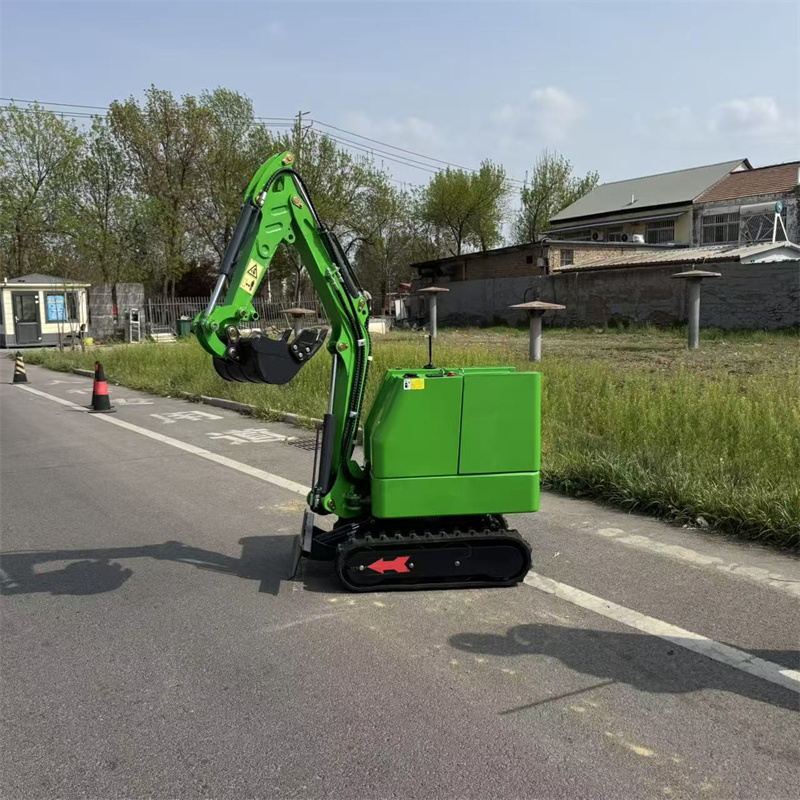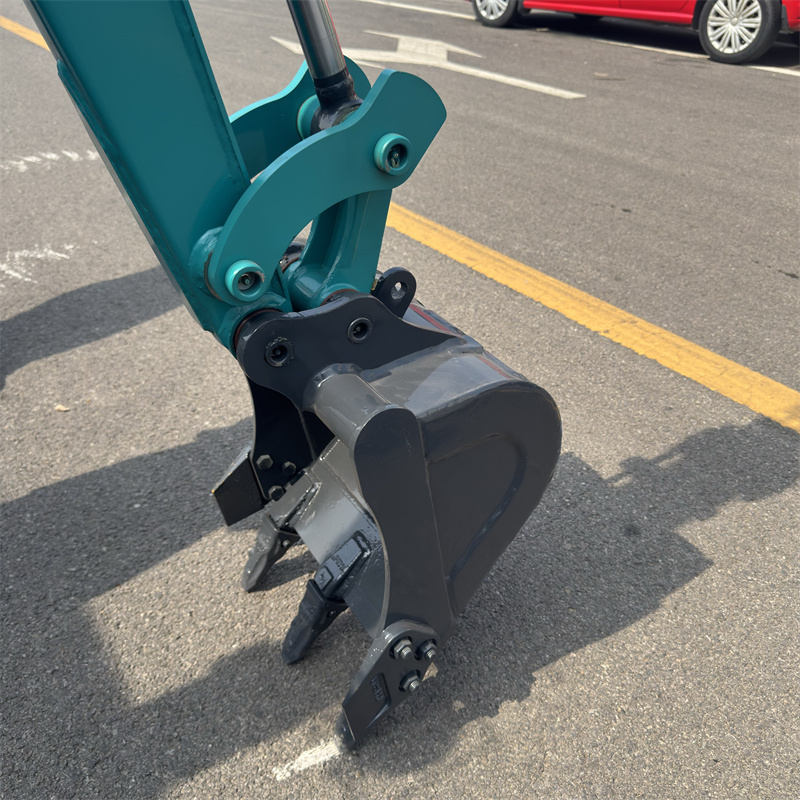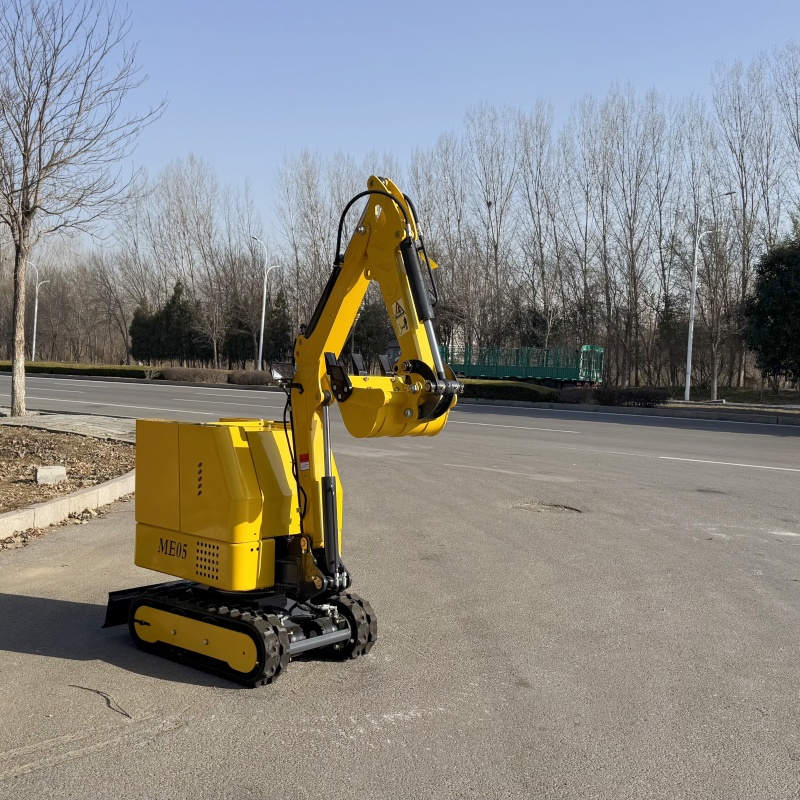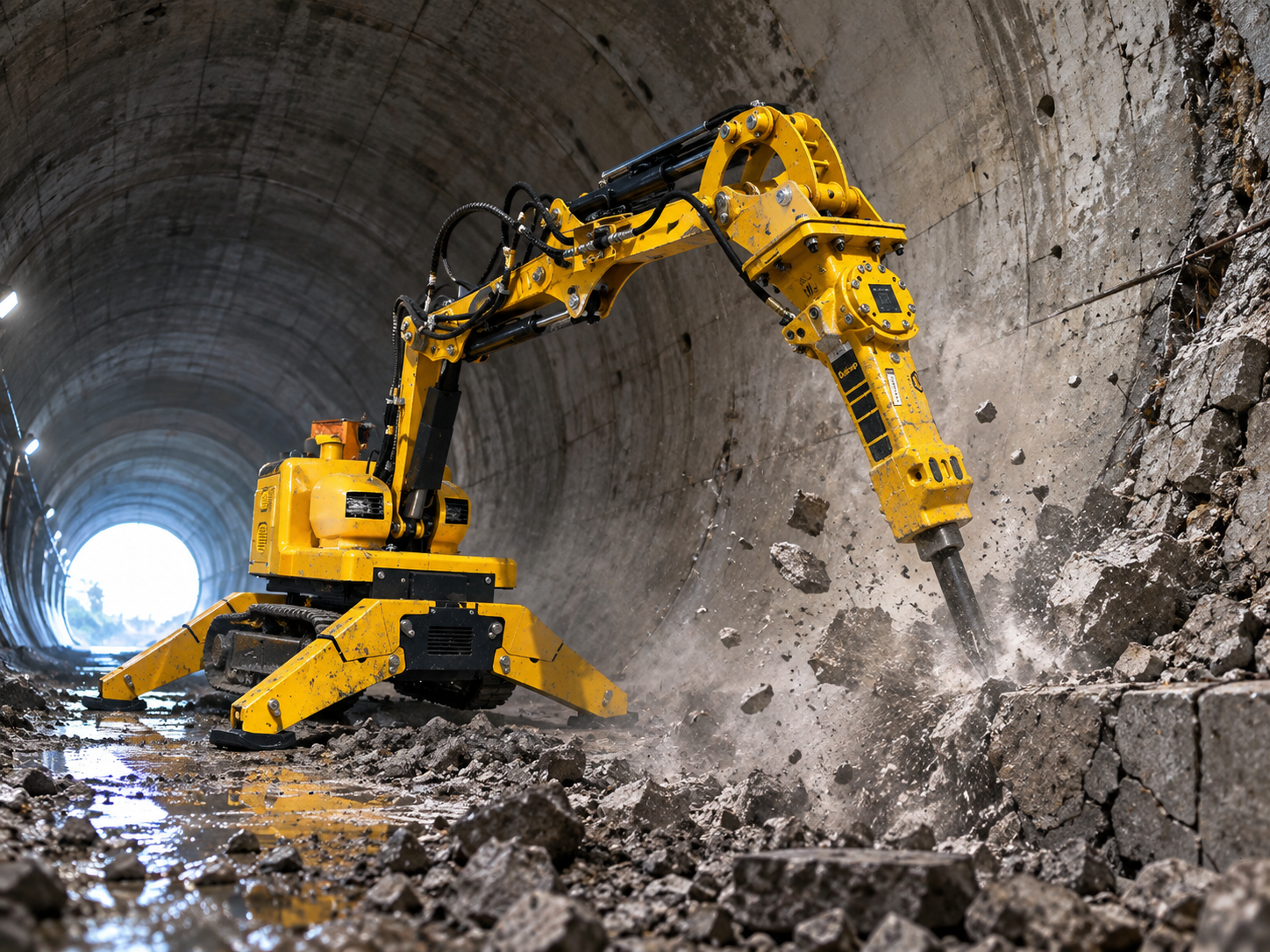
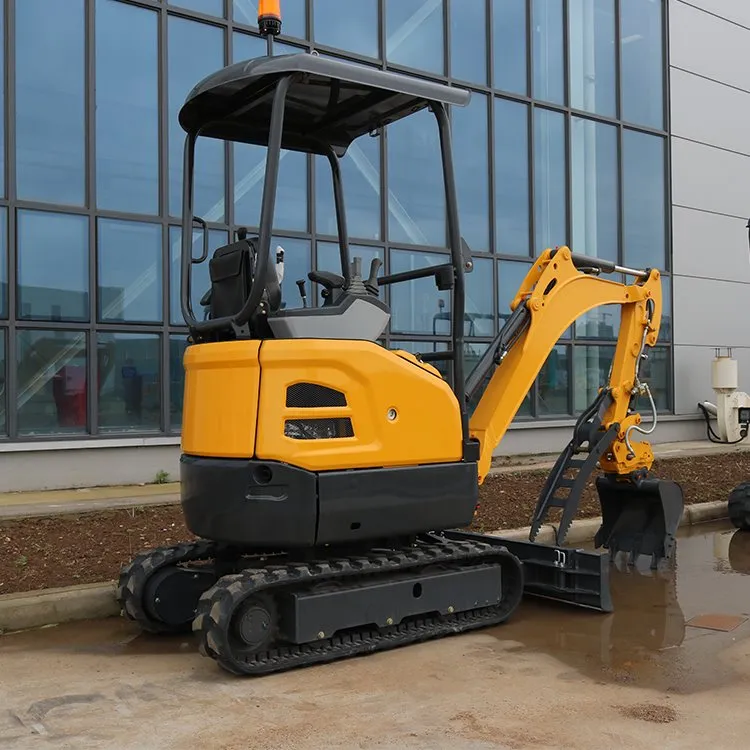
As a supplier of Mini Small Excavators, ensuring the proper functioning of every component, especially the battery, is crucial for the overall performance and reliability of our machines. In this blog, I’ll share some practical tips on how to check the battery of a Mini Small Excavator.
Why Battery Check is Important
The battery in a Mini Small Excavator serves as the heart of the electrical system. It powers the starter motor, which initiates the engine, and also provides electricity for various electrical components such as lights, gauges, and control systems. A weak or faulty battery can lead to starting problems, electrical malfunctions, and even downtime on the job site. Regular battery checks can help you detect potential issues early and prevent costly breakdowns.
Visual Inspection
The first step in checking the battery is a visual inspection. Open the battery compartment of your Mini Small Excavator. Make sure the area is well – ventilated as batteries can release hydrogen gas, which is flammable.
Check for Physical Damage: Look for any cracks, bulges, or leaks in the battery case. A cracked or bulging battery may be a sign of overcharging, excessive heat, or internal damage. Leaking battery acid is extremely dangerous and can corrode nearby components. If you notice any of these issues, the battery should be replaced immediately.
Inspect the Terminals: Examine the battery terminals for corrosion. Corrosion appears as a white or greenish – blue powdery substance on the terminals. It can impede the flow of electricity and cause poor electrical connections. Use a wire brush to clean the terminals if corrosion is present. Make sure to wear gloves and safety glasses to protect yourself from the acid residue.
Check the Battery Level: Some batteries have a built – in indicator that shows the electrolyte level. For batteries without an indicator, you can remove the caps (if applicable) and visually check the level. The electrolyte should cover the plates inside the battery. If the level is low, add distilled water to bring it up to the appropriate level. Do not overfill the battery.
Voltage Test
A voltage test is an effective way to determine the state of charge of the battery. You will need a digital multimeter for this test.
Set the Multimeter: Turn the multimeter to the DC voltage setting. Most Mini Small Excavator batteries are 12 – volt systems, so set the multimeter to a range that can measure at least 15 volts.
Connect the Probes: Connect the red probe of the multimeter to the positive terminal of the battery and the black probe to the negative terminal. Make sure the probes are making good contact with the terminals.
Read the Voltage: A fully charged 12 – volt battery should read around 12.6 – 12.8 volts. If the voltage is between 12.4 – 12.6 volts, the battery is about 75% charged. A reading of 12.2 volts indicates a 50% charge, and 12.0 volts means the battery is only 25% charged. If the voltage is below 11.9 volts, the battery is deeply discharged and may need to be recharged or replaced.
Load Test
A load test provides a more accurate assessment of the battery’s ability to deliver power under a real – world load. You can use a battery load tester for this purpose.
Prepare the Battery: Make sure the battery is fully charged before performing the load test. This ensures that you are testing the battery’s actual capacity.
Connect the Load Tester: Connect the load tester to the battery terminals according to the manufacturer’s instructions. The load tester will apply a specific load to the battery for a short period (usually 15 seconds).
Read the Results: After the test, the load tester will display the battery’s voltage under load. A healthy battery should maintain a voltage above a certain threshold (usually around 9.6 volts for a 12 – volt battery) during the load test. If the voltage drops significantly below this threshold, the battery may be weak or defective and should be replaced.
Charging System Check
The charging system in the Mini Small Excavator is responsible for keeping the battery charged while the engine is running. A faulty charging system can lead to under – charging or over – charging of the battery.
Start the Engine: Start the engine of the Mini Small Excavator and let it run at idle speed.
Measure the Voltage: Use the multimeter to measure the voltage across the battery terminals. With the engine running, the voltage should be between 13.8 – 14.4 volts. This indicates that the alternator is charging the battery properly. If the voltage is below 13.8 volts, the alternator may not be charging the battery effectively. If the voltage is above 14.4 volts, the battery may be over – charging, which can cause damage to the battery and other electrical components.
Maintenance Tips
Keep the Battery Clean: Regularly clean the battery and its surroundings to prevent corrosion and debris buildup.
Charge the Battery Properly: Use a charger that is suitable for the battery type and follow the manufacturer’s charging instructions. Avoid over – charging or under – charging the battery.
Store the Battery Correctly: If the Mini Small Excavator is not going to be used for an extended period, remove the battery and store it in a cool, dry place. Charge the battery periodically to prevent self – discharge.
Conclusion
Regularly checking the battery of your Mini Small Excavator is essential for ensuring its reliable operation. By following the steps outlined in this blog, you can detect and address battery issues early, which will save you time and money in the long run.
If you are in the market for a high – quality Small Excavator 1.8 Ton or Mini Hydraulic Excavator, we are here to provide you with the best products and services. Contact us to start a purchase negotiation, and let us help you find the perfect excavator for your needs.
References
Automotive Battery Manuals
Mini Small Excavator Manufacturer’s Specifications
Industry Standards for Battery Testing and Maintenance