Hey there! As a supplier of Mini Excavator Digging, I’ve seen my fair share of used mini excavators. And let me tell you, checking the digging performance of these machines is super important. Whether you’re a contractor looking to add to your fleet or a homeowner wanting to tackle some garden projects, a good digging performance can make all the difference. So, let’s dive into how you can check the digging performance of a used mini excavator.
1. Visual Inspection
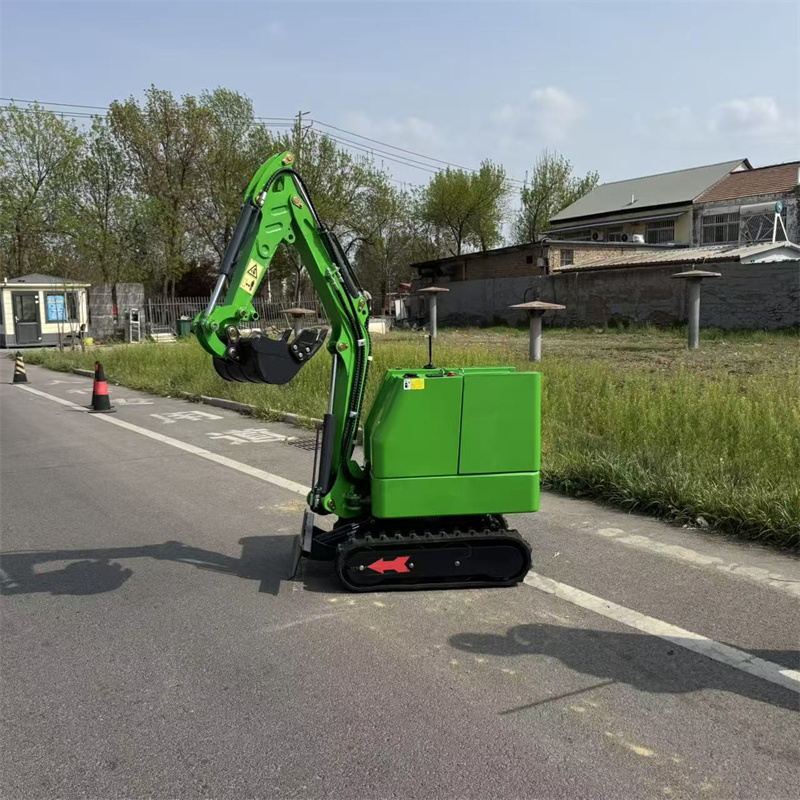
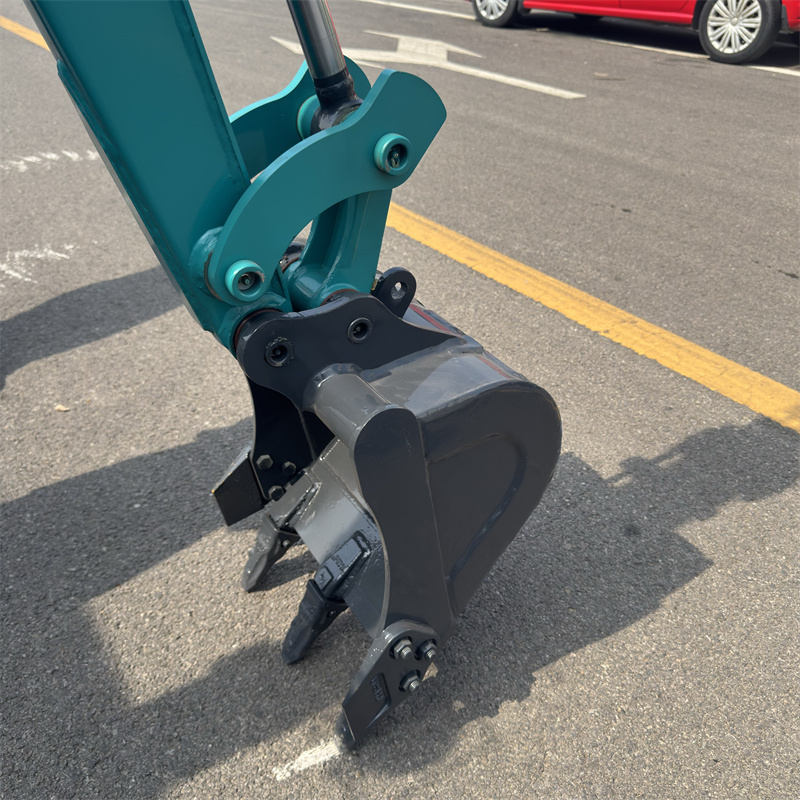
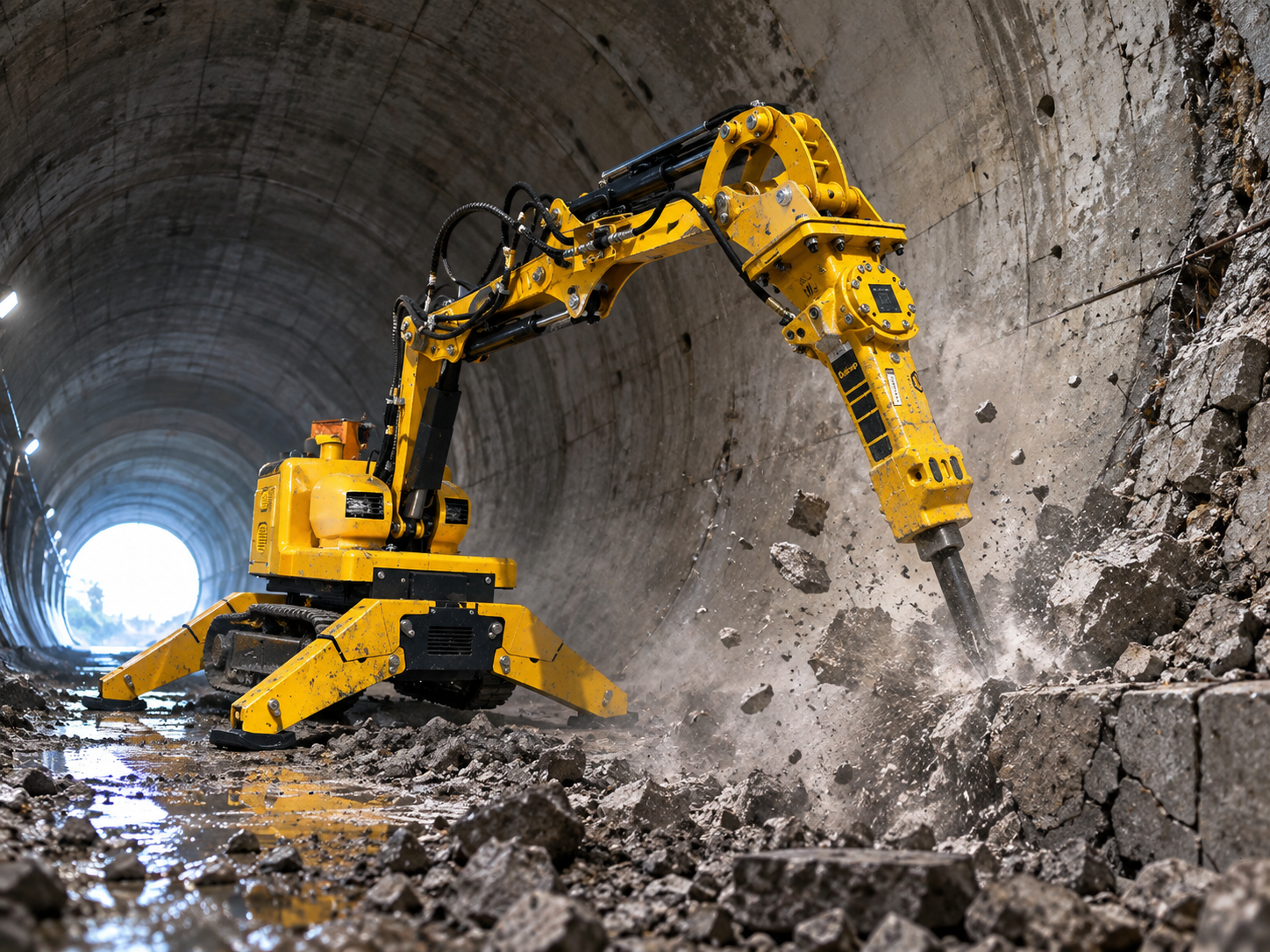
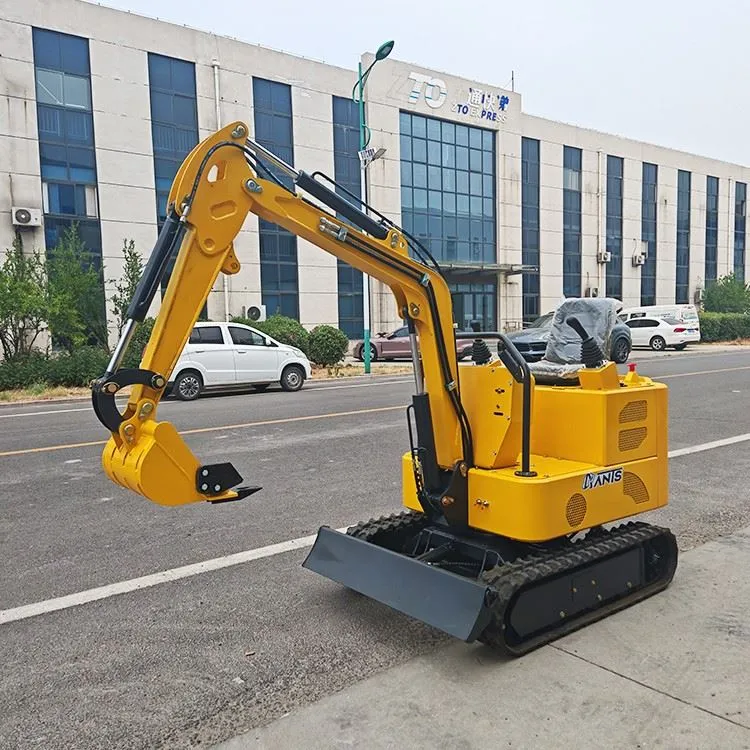
First things first, give the mini excavator a good visual once – over. Look at the bucket. Check for any signs of excessive wear, like large dents, cracks, or uneven edges. A worn – out bucket won’t dig as efficiently as it should. The teeth on the bucket are also crucial. If they’re too worn down or missing, it’ll be tough for the excavator to break into the ground.
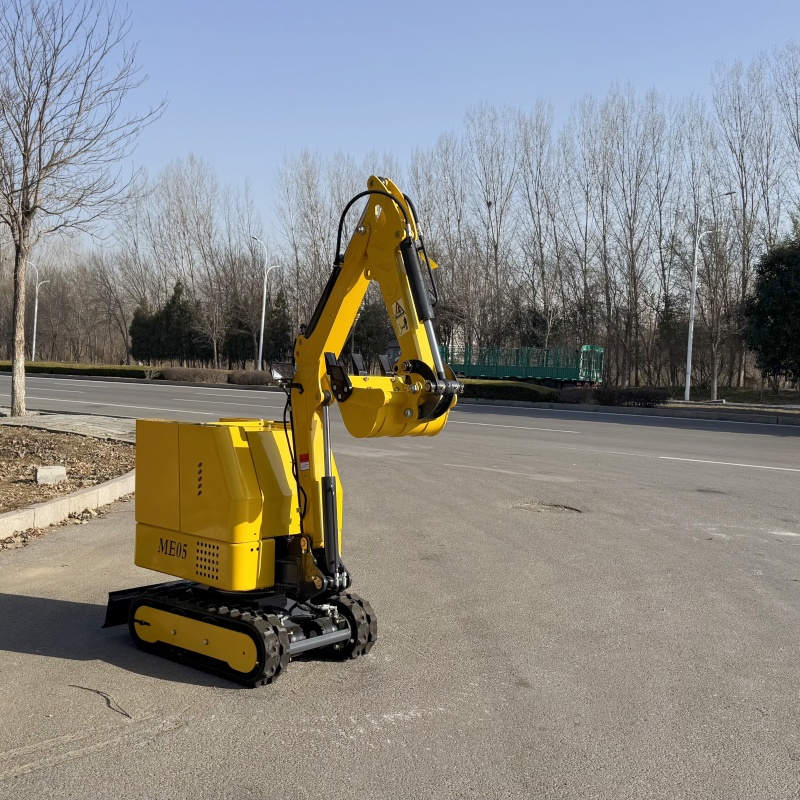
Next, examine the boom and the arm. These are the parts that move the bucket around. Make sure there are no visible cracks or bends. Any damage to the boom or arm can affect the reach and the power of the digging action. Also, check the hydraulic hoses. Leaky hoses can lead to a loss of hydraulic pressure, which in turn will reduce the digging force.
2. Check the Hydraulic System
The hydraulic system is the heart of a mini excavator’s digging performance. Start by checking the hydraulic fluid level. Low fluid levels can cause the system to work less effectively. Look at the fluid itself. It should be clean and clear. If it’s dirty or has a milky appearance, it could indicate problems like water contamination or internal component wear.
Operate the controls to see how the hydraulic system responds. The boom, arm, and bucket should move smoothly and without any jerks. If you notice any delays or rough movements, there might be issues with the hydraulic pumps, valves, or cylinders. You can also listen for any unusual noises when the hydraulic system is in operation. A whining or grinding noise could be a sign of trouble.
3. Test the Engine
A strong engine is essential for good digging performance. Start the engine and let it warm up. Listen for any strange noises, like knocking or rattling. A healthy engine should run smoothly. Check the exhaust smoke. If it’s black, it could mean the engine is burning too much fuel, which might be due to a clogged air filter or other engine problems. Blue smoke could indicate oil burning, which is a serious issue.
Test the engine’s power by revving it up. The engine should respond quickly and reach the appropriate RPMs. A sluggish engine won’t be able to provide enough power for heavy – duty digging.
4. Evaluate the Digging Depth and Reach
One of the key aspects of digging performance is the depth and reach of the excavator. Measure the maximum digging depth. You can use a tape measure or a long stick to get an accurate reading. Compare this measurement with the manufacturer’s specifications for the model. If the actual depth is significantly less, there could be problems with the boom, arm, or hydraulic system.
Also, check the reach of the excavator. Move the boom and arm to their maximum extent and see how far the bucket can reach. A limited reach can be a hindrance, especially when working on larger projects.
5. Assess the Bucket Force
The bucket force determines how well the excavator can break into the ground. You can do a simple test by trying to dig into a small pile of soil or gravel. The bucket should be able to penetrate the material easily. If it struggles to dig, it could be due to a weak hydraulic system or a worn – out bucket.
Another way to assess the bucket force is to look at the breakout force specifications. This is the maximum force the bucket can exert when breaking into the ground. You can usually find this information in the excavator’s manual. Compare the actual performance with the specified breakout force.
6. Check the Tracks or Wheels
For tracked mini excavators, check the tracks for wear. Worn – out tracks can affect the stability of the machine during digging. Look for signs of uneven wear, loose links, or missing parts. The tracks should also have good traction. You can test this by moving the excavator on a flat surface and seeing how well it grips the ground.
If it’s a wheeled mini excavator, check the tires. Make sure they’re properly inflated and have enough tread. Bald or under – inflated tires can cause the excavator to slip during digging, reducing its effectiveness.
7. Test the Control System
The control system allows you to operate the excavator precisely. Sit in the operator’s seat and test all the controls. The joysticks should be responsive and easy to move. You should be able to control the movement of the boom, arm, and bucket with accuracy.
Some modern mini excavators come with additional features like proportional controls. Test these features to see if they work as they should. A well – functioning control system makes the digging process much more efficient.
8. Look at the Maintenance History
Ask the seller for the maintenance history of the used mini excavator. A well – maintained machine is more likely to have good digging performance. Look for records of regular oil changes, filter replacements, and hydraulic system servicing. If there are major repairs listed, find out what caused them and whether they were properly fixed.
Why Choose Our Used Mini Excavator for Garden
We offer a wide range of used mini excavators that are perfect for garden projects. Our machines have been thoroughly inspected using the methods I’ve just described. We make sure that each excavator has excellent digging performance before we put it up for sale.
Our Crawler Electric Excavator is another great option. It’s eco – friendly and provides powerful digging capabilities. With its electric motor, you don’t have to worry about exhaust emissions, and it runs quietly, which is great for residential areas.
If you’re in the market for a used mini excavator, don’t hesitate to get in touch with us. We can help you find the perfect machine for your needs. Whether you’re a professional contractor or a DIY enthusiast, we’ve got the right excavator for you. Our team of experts can answer all your questions and guide you through the purchasing process. So, why wait? Contact us today and start your next digging project with confidence!
References
“Mini Excavator Operation and Maintenance Manuals” – Various manufacturers
“Construction Equipment Handbook” – McGraw – Hill