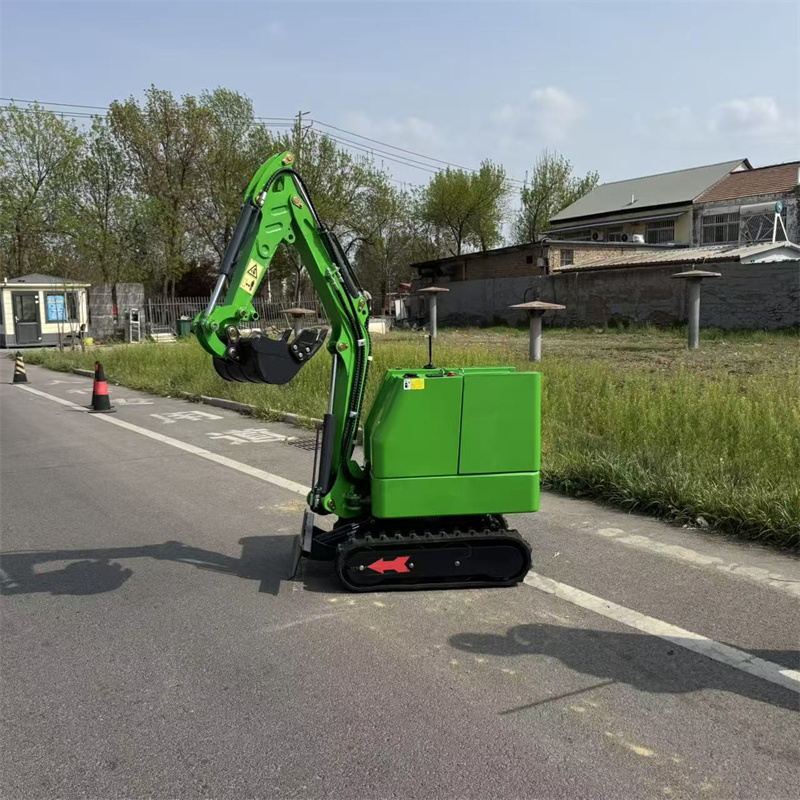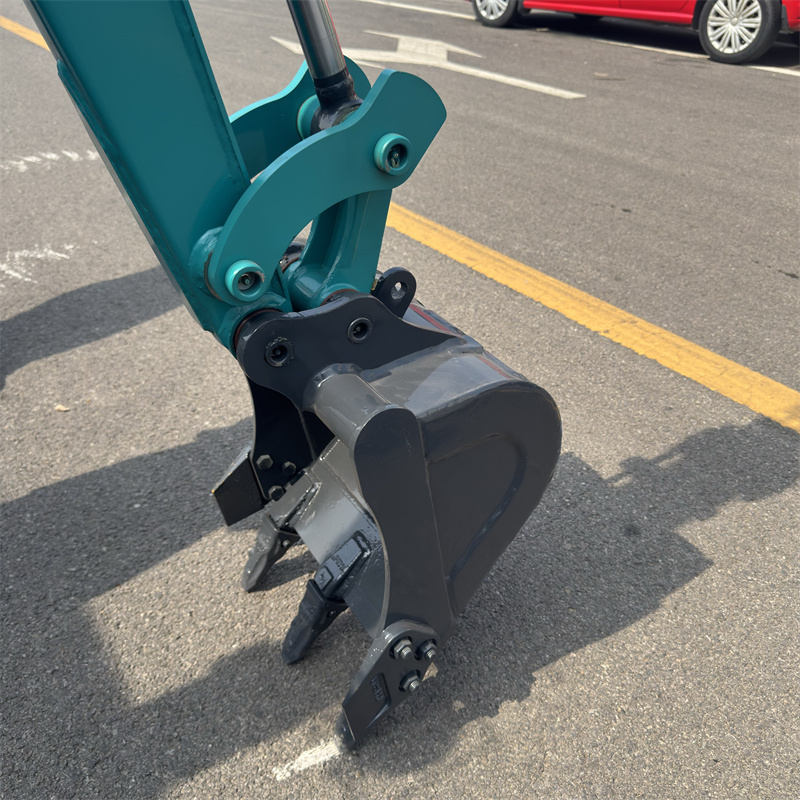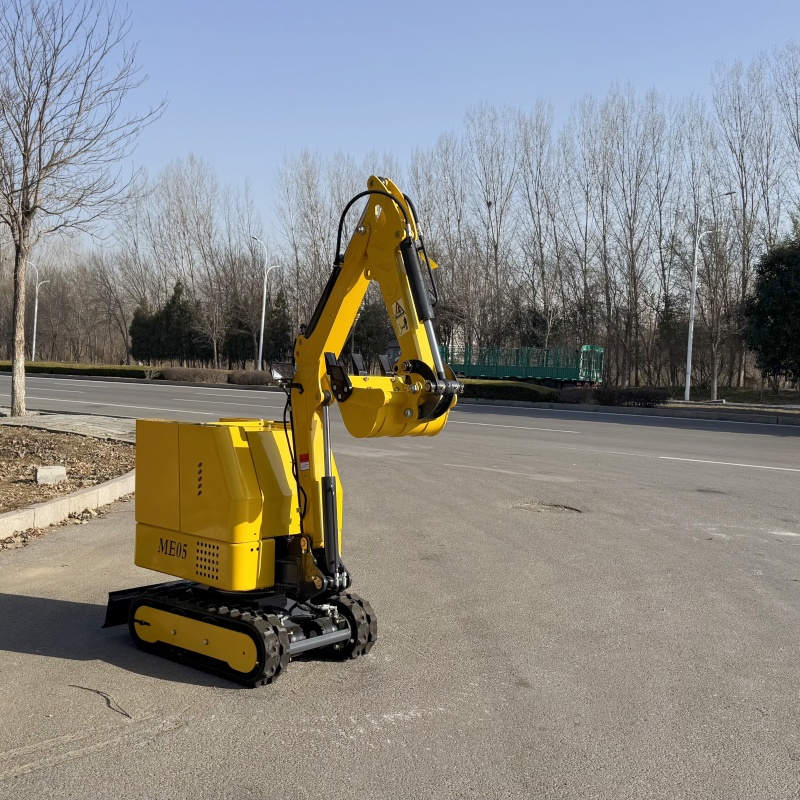
Hey there! As a supplier of the Mini Excavator 0.8 Ton, I know how important it is to keep your machine in top – notch condition. One of the key maintenance tasks is checking the hydraulic oil level. In this blog, I’ll walk you through the process step by step.
First off, let me tell you why checking the hydraulic oil level is a big deal. The hydraulic system in a 0.8 – ton mini excavator is like the heart of the machine. It powers all the moving parts, like the boom, arm, and bucket. If the hydraulic oil level is too low, it can cause a bunch of problems. You might notice a decrease in the machine’s performance, like slower movements or reduced lifting power. And in the worst – case scenario, it can even damage the hydraulic pump and other components, which can be really expensive to fix.
So, how do you check the hydraulic oil level? Well, before you start, make sure the mini excavator is parked on a flat surface. This is crucial because if the machine is on an incline, the oil level reading might be inaccurate. Also, turn off the engine and let it cool down for a bit. Hydraulic oil can get really hot during operation, and you don’t want to burn yourself when you’re checking the level.
Now, let’s find the hydraulic oil reservoir. In most 0.8 – ton mini excavators, the reservoir is usually located near the engine. It’s a big tank, and it’s often made of plastic or metal. Look for a sight glass or a dipstick on the reservoir. The sight glass is a clear window on the side of the tank that allows you to see the oil level directly. If your excavator has a dipstick, you’ll need to pull it out to check the level.
If you have a sight glass, it’s pretty straightforward. Just look at the markings on the side of the glass. There are usually two lines: a minimum and a maximum level. The oil level should be between these two lines. If it’s below the minimum line, you need to add more oil. If it’s above the maximum line, you might have overfilled it, and you’ll need to drain some oil out.
If your mini excavator has a dipstick, here’s what you do. First, clean the dipstick with a clean cloth. Then, insert it all the way back into the reservoir and pull it out again. Check the oil level on the dipstick. There are markings on the dipstick, just like on the sight glass. Make sure the oil level is within the recommended range.
When adding hydraulic oil, make sure you use the right type of oil. Check your excavator’s manual for the recommended oil viscosity and specifications. Using the wrong oil can cause problems with the hydraulic system. Pour the oil slowly into the reservoir through the filler neck. Keep an eye on the sight glass or dipstick as you pour to make sure you don’t overfill it.
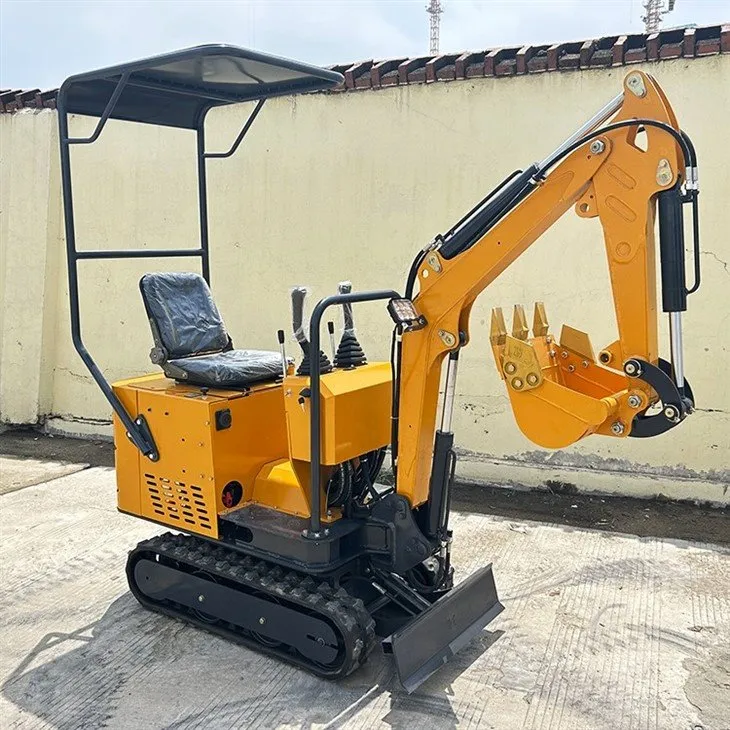
Now, let me tell you a bit more about our Mini Excavator 0.8 Ton. It’s a great machine for all sorts of tasks, whether you’re working on a small construction site or doing some landscaping at home. The Mini Excavator 800 kg is compact and easy to maneuver, making it perfect for tight spaces. And if you’re looking for a Mini Digger for Home Use, our Mini Excavator 0.8 Ton is a great choice. It has enough power to handle small – scale projects, but it’s also gentle enough not to cause too much damage to your property.
Regularly checking the hydraulic oil level is just one part of maintaining your mini excavator. You should also check other fluid levels, like the engine oil, coolant, and fuel. And don’t forget to inspect the hoses and connections for any signs of leaks or damage. By taking good care of your mini excavator, you can extend its lifespan and keep it running smoothly for years to come.
If you’re in the market for a Mini Excavator 0.8 Ton, we’re here to help. Our machines are built to last, and we offer great after – sales service. Whether you have questions about maintenance, like checking the hydraulic oil level, or you’re ready to make a purchase, we’re just a message or a call away. Feel free to reach out to us for more information and to start the procurement negotiation process.
References:
Manufacturer’s manual for 0.8 – ton mini excavators
Industry best practices for hydraulic system maintenance