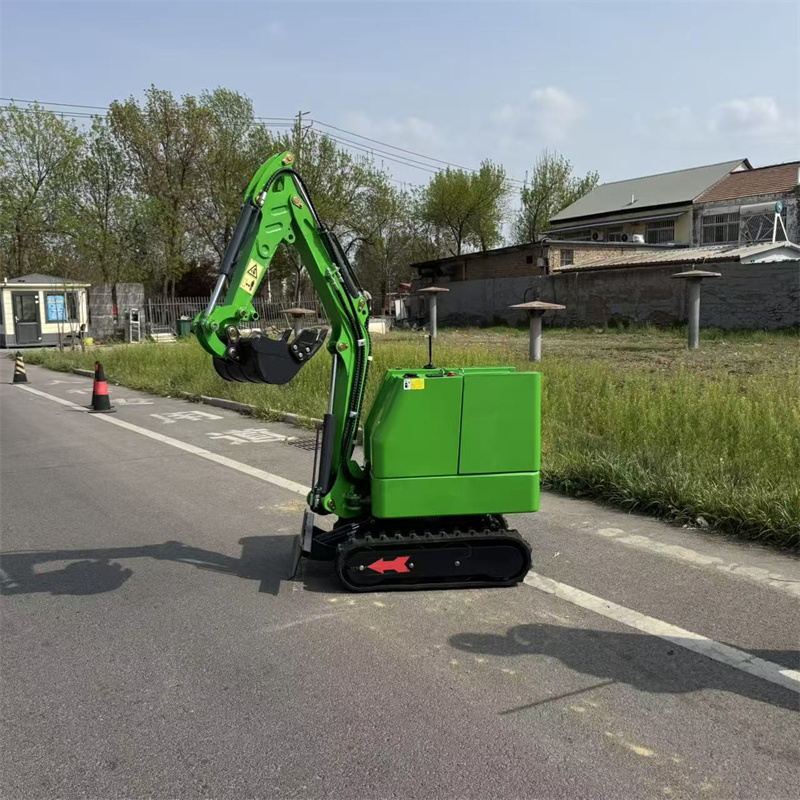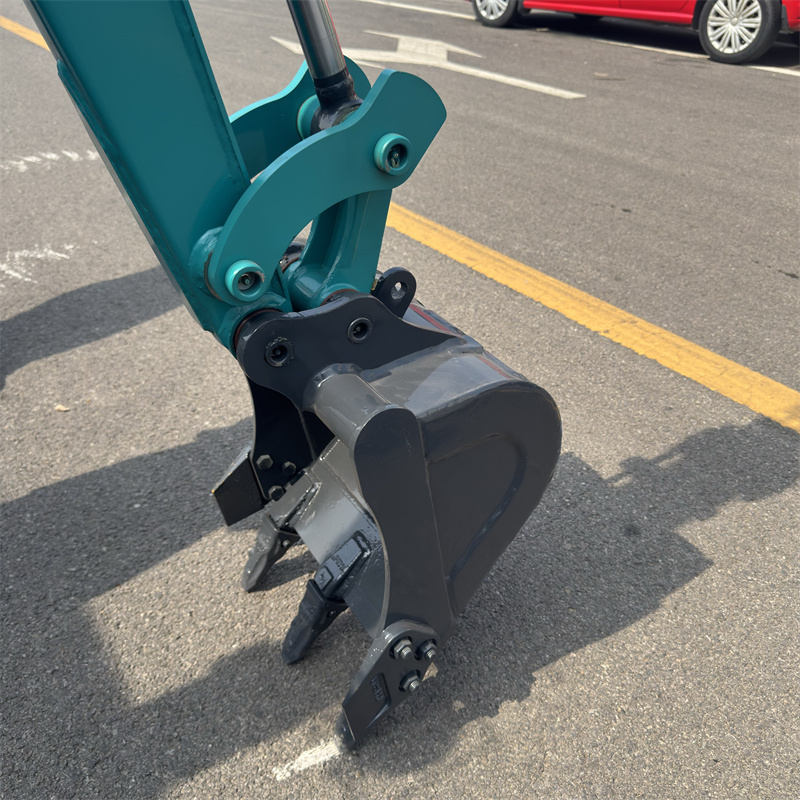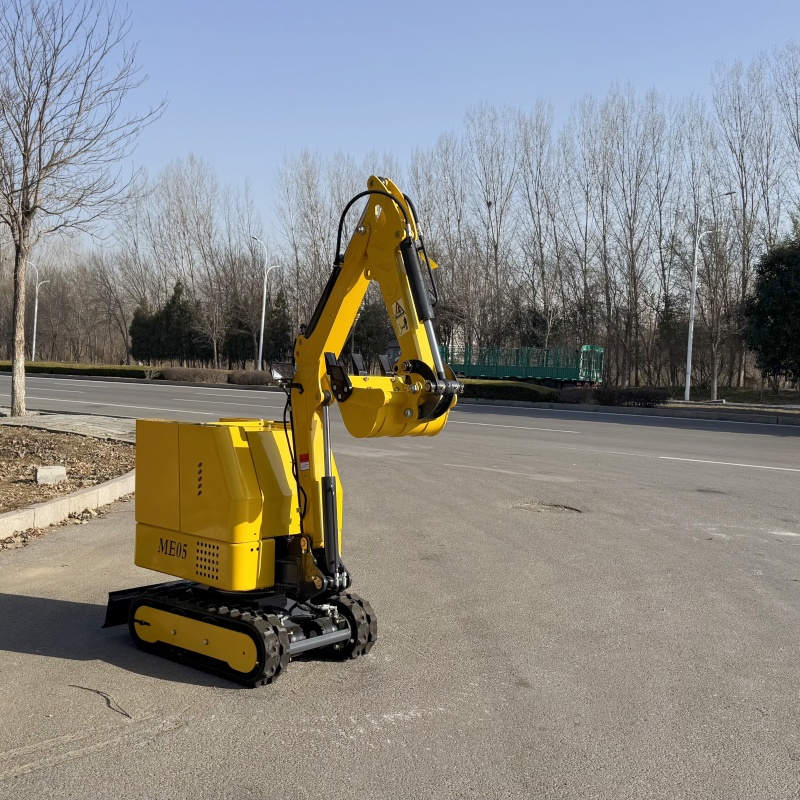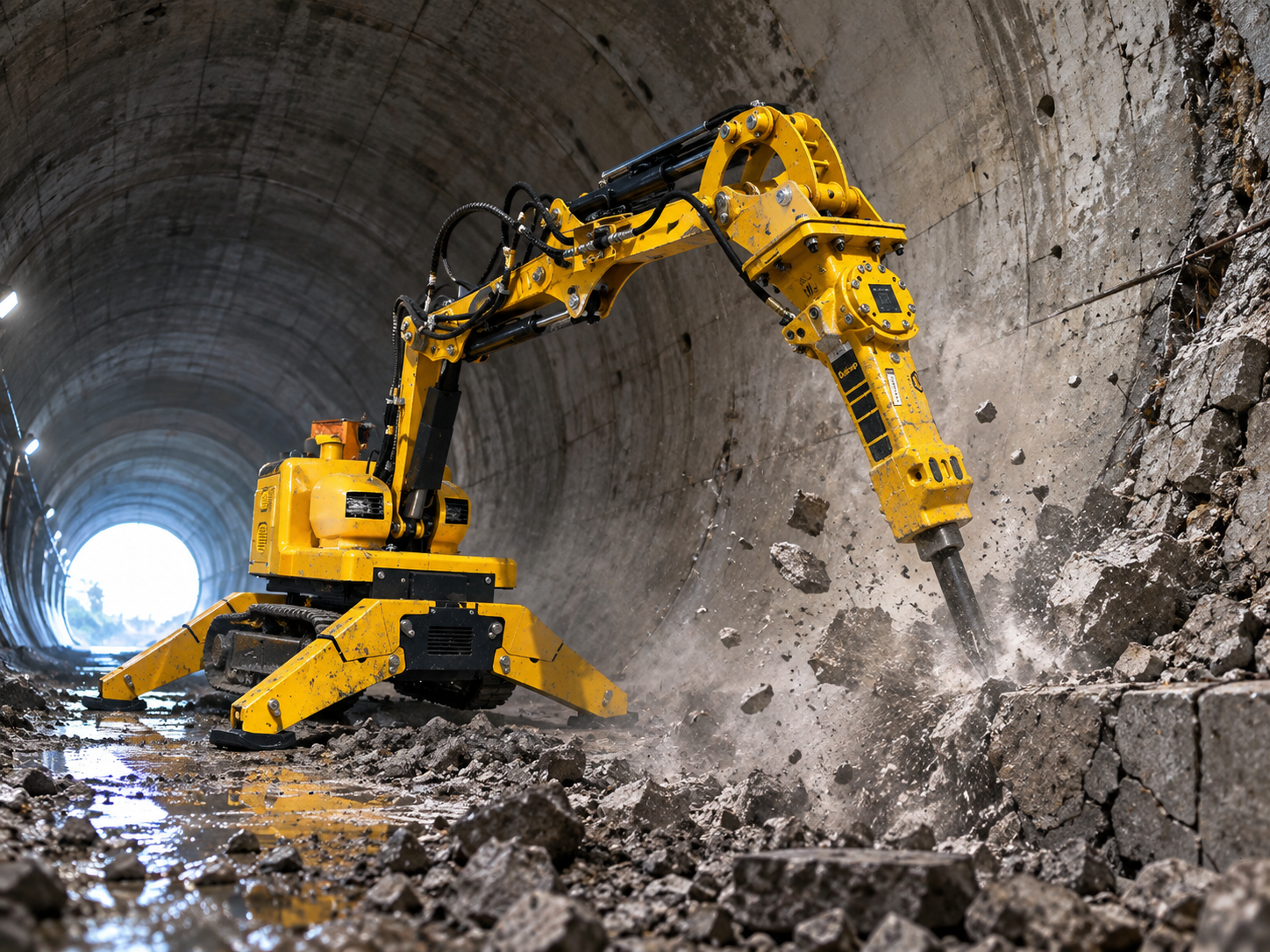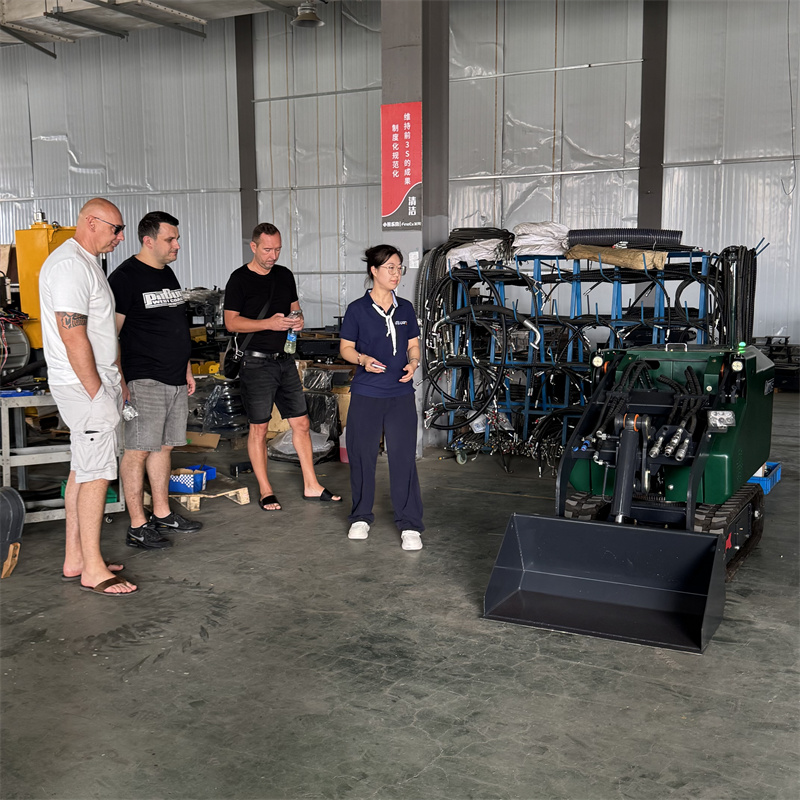
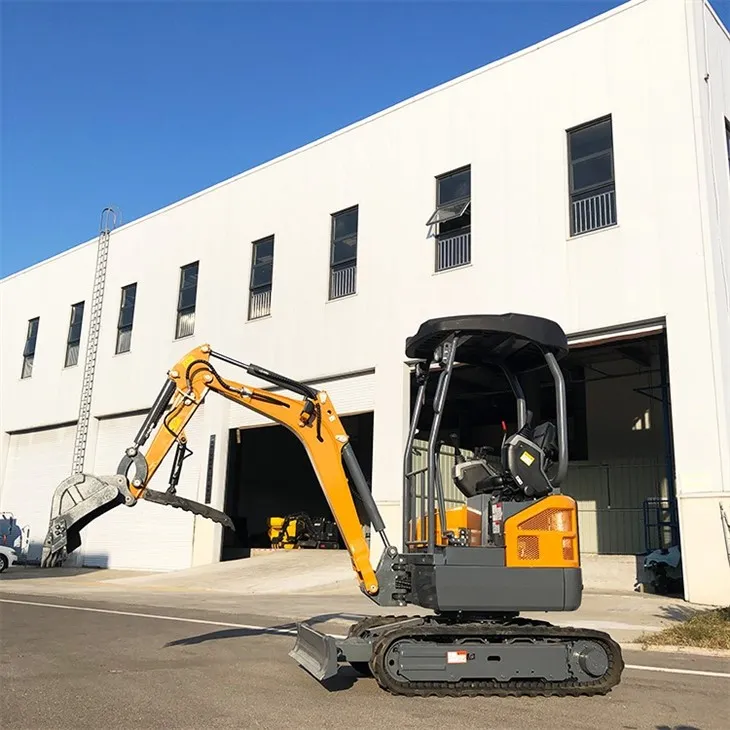
Hey there! I’m from a leading electric machine supplier, and today I’m gonna share with you how to conduct the performance testing of an electric machine. As someone who’s been in the industry for quite a while, I’ve seen firsthand how crucial these tests are to ensure the quality and reliability of our products, like the Battery-powered Mini Excavator, Mini Electric Excavator, and Eletcric Mini Skid Steer Loader.
Pre – test Preparation
Before you even start the actual testing, there are a bunch of things you need to take care of. First off, you gotta gather all the necessary tools and equipment. This includes things like multimeters to measure electrical parameters, torque wrenches to check the tightness of bolts, and temperature sensors to monitor how hot the machine gets during operation.
Next, make sure the electric machine is in a proper working condition. Check for any visible damages, loose connections, or signs of wear and tear. You don’t want to start a test on a machine that’s already on the verge of breaking down. It’s also important to clean the machine thoroughly. Dirt and debris can affect the performance and accuracy of the test results.
Another key aspect of pre – test preparation is to set up a suitable testing environment. The temperature, humidity, and altitude can all have an impact on the performance of an electric machine. Try to conduct the test in an environment that’s as close as possible to the real – world conditions where the machine will be used. For example, if the electric machine is designed for outdoor use in a hot climate, you might want to simulate those conditions as much as you can.
Electrical Performance Testing
Let’s start with electrical performance testing. This is all about checking the electrical parameters of the machine, such as voltage, current, and power. Using a multimeter, you can measure the input voltage to make sure it’s within the specified range. If the voltage is too high or too low, it can cause the machine to malfunction or even get damaged.
The current draw is also an important parameter. You can use a clamp – on ammeter to measure the current flowing through the machine’s circuits. High current draw might indicate a short circuit or an overloaded component. On the other hand, a very low current draw could mean that there’s a problem with the power supply or a component is not working properly.
Power is another crucial factor. You can calculate the power consumption of the machine by multiplying the voltage and the current. This will give you an idea of how energy – efficient the machine is. A high – power consumption might not be a big deal if the machine is designed for heavy – duty work, but for smaller, battery – powered machines like the Battery – powered Mini Excavator, energy efficiency is key.
Mechanical Performance Testing
Now, let’s move on to mechanical performance testing. This involves checking the moving parts of the electric machine, such as motors, gears, and belts. Start by running the machine at different speeds and loads. Observe how smoothly the machine operates. Any unusual noises, vibrations, or jerks could be a sign of a mechanical problem.
Check the torque output of the machine. You can use a torque wrench to measure the torque at different points in the mechanical system. Make sure the torque values are within the manufacturer’s specifications. If the torque is too low, the machine might not be able to perform its intended tasks effectively. If it’s too high, it could put excessive stress on the components and lead to premature wear.
The speed control of the machine is also important. Test how well the machine can maintain a constant speed under different loads. If the speed fluctuates too much, it can affect the quality of the work being done. For example, in a Mini Electric Excavator, inconsistent speed can make it difficult to control the digging process accurately.
Thermal Performance Testing
Heat is the enemy of electric machines. That’s why thermal performance testing is so important. Use temperature sensors to monitor the temperature of different components, such as the motor, the controller, and the battery. During normal operation, these components should not exceed their maximum allowable temperatures.
If the temperature rises too quickly or reaches a very high level, it could indicate a problem with the cooling system or an overloaded component. For example, if the motor gets too hot, it can cause the insulation to break down, leading to a short circuit. Make sure the cooling system, whether it’s a fan or a liquid – cooling system, is working properly. Check for any blockages in the cooling channels or vents.
Efficiency Testing
Efficiency is a measure of how well the electric machine converts electrical energy into mechanical energy. To test the efficiency, you need to measure the input power (electrical) and the output power (mechanical). The output power can be calculated by measuring the torque and the speed of the machine’s output shaft.
The efficiency formula is pretty simple: Efficiency = (Output Power / Input Power) x 100%. A high – efficiency machine is not only more energy – efficient but also generates less heat, which can extend the lifespan of the machine. For battery – powered machines like the Eletcric Mini Skid Steer Loader, high efficiency means longer battery life and more work done on a single charge.
Durability and Reliability Testing
Finally, durability and reliability testing are all about making sure the electric machine can withstand the test of time and continuous use. One way to do this is through accelerated life testing. This involves running the machine at a higher load or speed than normal for an extended period of time.
Monitor the machine closely during the test for any signs of failure. Keep track of how many hours the machine can run before a component fails. This will give you an idea of the machine’s expected lifespan under normal operating conditions.
You can also perform cyclic testing, where the machine is turned on and off repeatedly to simulate real – world usage patterns. This helps to identify any issues with the machine’s start – up and shut – down processes.
Conclusion
So, there you have it! Conducting performance testing of an electric machine is a comprehensive process that involves multiple steps and aspects. By following these steps, you can ensure that the electric machine meets the required standards and performs as expected in real – world applications.
If you’re in the market for high – quality electric machines like the Battery – powered Mini Excavator, Mini Electric Excavator, or Eletcric Mini Skid Steer Loader, and you want to know more about our testing procedures or have any questions about our products, feel free to reach out. We’re always happy to discuss your needs and help you find the right electric machine for your project.
References
“Electric Machine Handbook”
“Testing and Evaluation of Electrical Equipment”
Industry standards and guidelines for electric machine testing