Hey there! As a supplier of electric machines, I’ve had my fair share of dealing with all sorts of questions about these nifty pieces of equipment. One question that pops up quite often is, “How to control the speed of an electric machine?” Well, buckle up, ’cause I’m gonna break it down for you in a way that’s easy to understand.
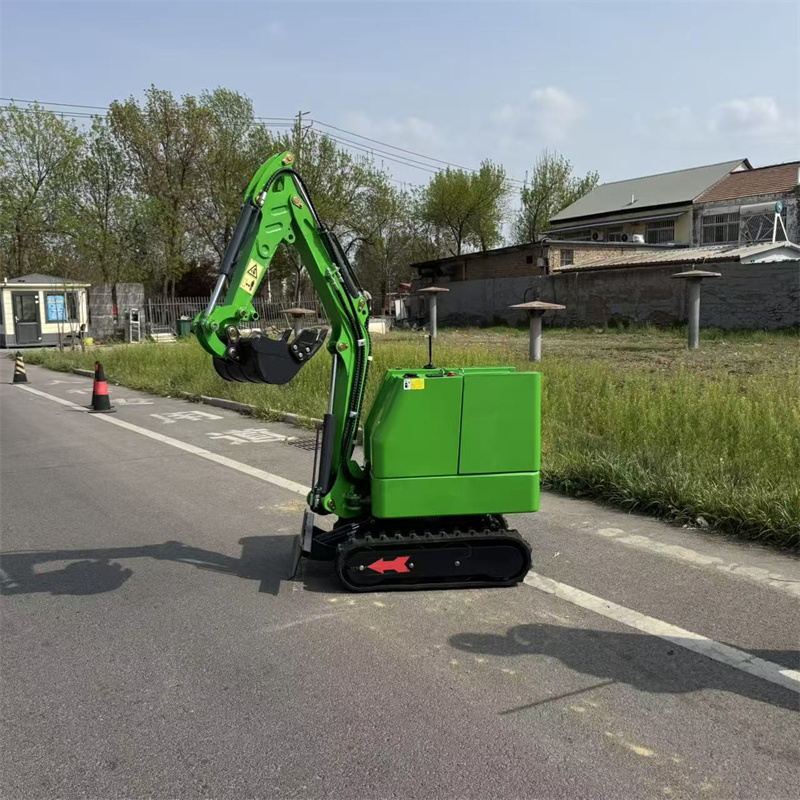
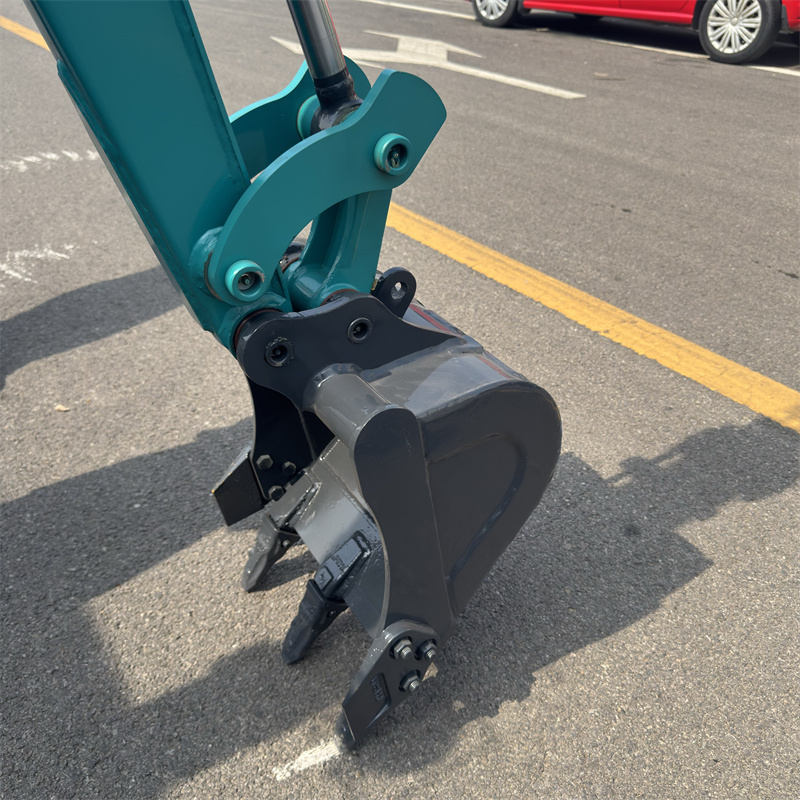
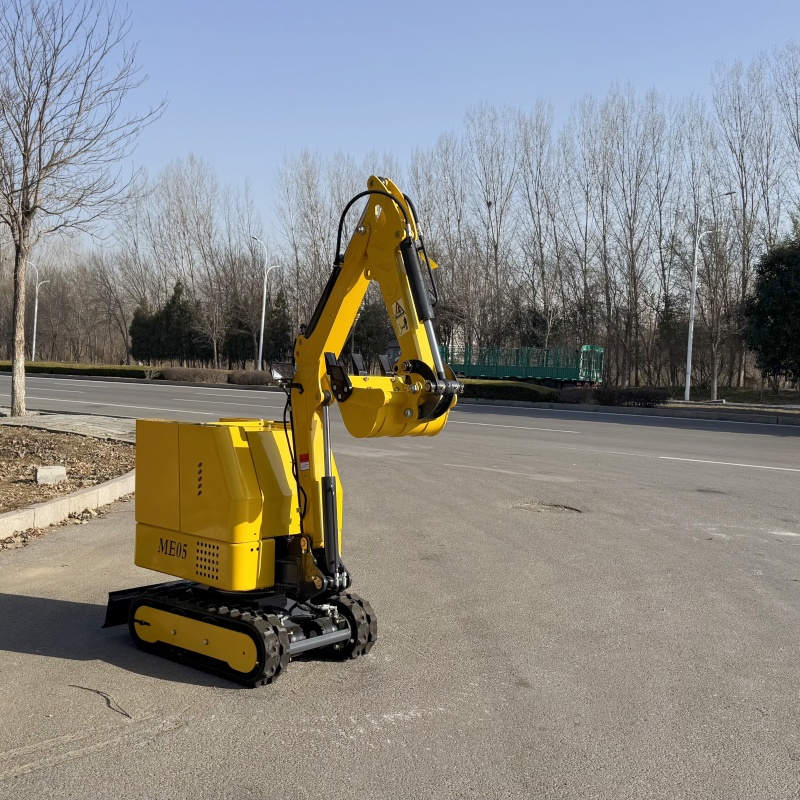
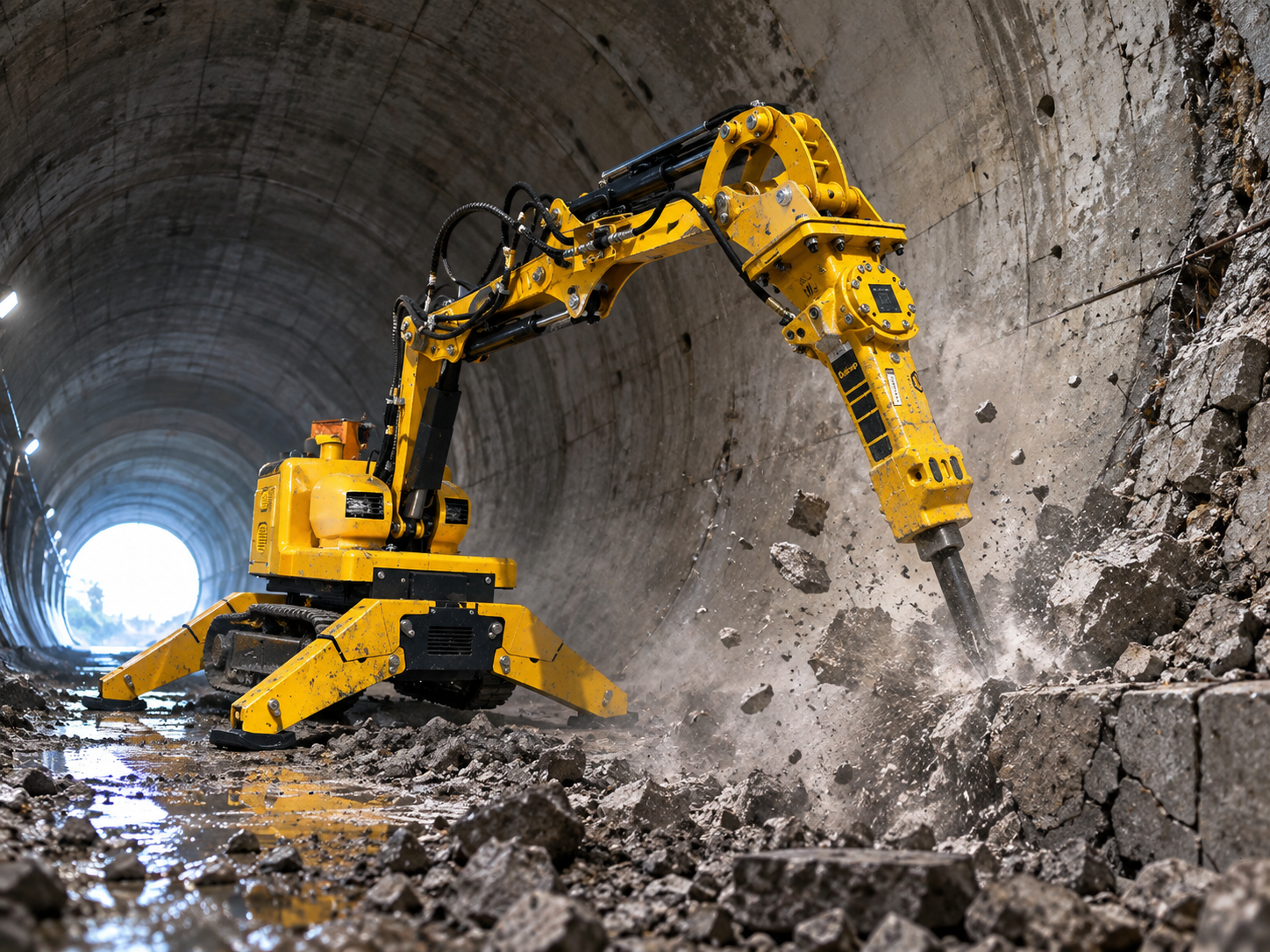
First off, let’s talk about why speed control is so important. In different applications, you need your electric machine to run at different speeds. Whether it’s an Electric Excavator Mini Machinery digging through tough soil or a Lithium Battery Power Mini Excavator working in a confined space, having precise speed control can make all the difference. It can improve efficiency, reduce wear and tear on the machine, and even enhance safety.
Methods of Speed Control
1. Voltage Control
One of the most common ways to control the speed of an electric machine is by adjusting the voltage. You see, the speed of an electric motor is directly proportional to the voltage applied to it. So, if you increase the voltage, the motor will spin faster, and if you decrease it, the motor will slow down.
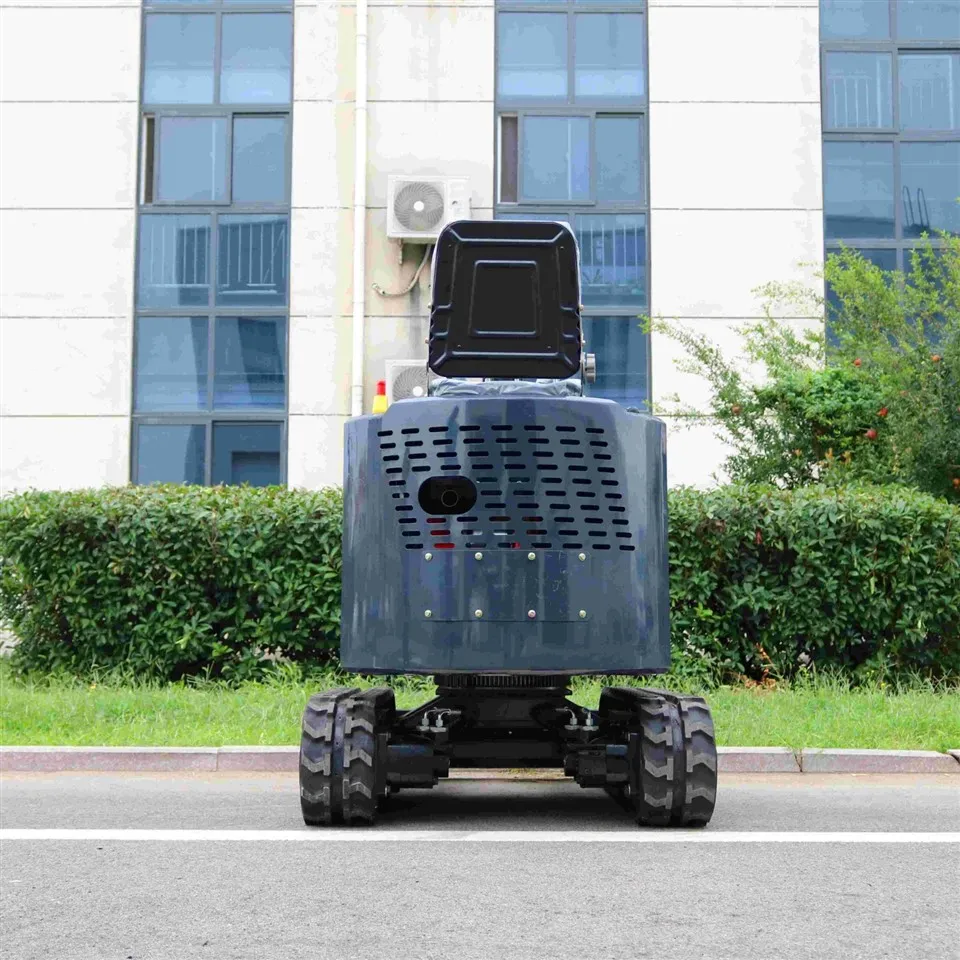
This method is relatively simple and cost – effective. You can use a variable voltage power supply or a voltage regulator to change the voltage. For example, in some small – scale electric machines like the Electric Mini Digger 1 Ton, voltage control can be used to adjust the digging speed according to the type of soil.
However, there are some limitations. If you apply too high a voltage, it can overheat the motor and damage it. And if the voltage is too low, the motor might not have enough torque to perform its task properly.
2. Frequency Control
In the case of AC motors, frequency control is a popular method. The speed of an AC motor is related to the frequency of the power supply. By changing the frequency, you can change the motor’s speed.
A device called a variable frequency drive (VFD) is used to achieve this. A VFD takes the incoming AC power, converts it to DC, and then converts it back to AC at the desired frequency. This allows for very precise speed control over a wide range.
Frequency control is great because it can provide high – efficiency operation. It’s commonly used in industrial applications where large electric machines need to run at different speeds depending on the production requirements. But VFDs can be quite expensive, and they require some technical knowledge to install and operate.
3. Resistance Control
For DC motors, resistance control is an option. By adding external resistance to the motor circuit, you can change the current flowing through the motor. Since the speed of a DC motor is related to the current, this will in turn change the speed.
This method is simple and inexpensive, but it’s not very efficient. The energy dissipated in the external resistance is wasted as heat. So, it’s usually only used in applications where cost is a major concern and efficiency is not the top priority.
Factors Affecting Speed Control
Load
The load on the electric machine has a big impact on speed control. When the load increases, the motor has to work harder to maintain its speed. In some cases, the motor might slow down if it doesn’t have enough power to handle the increased load.
For example, if your Electric Excavator Mini Machinery hits a hard rock while digging, the load on the motor will increase suddenly. The speed control system needs to be able to adjust to this change to keep the machine running smoothly.
Temperature
Temperature can also affect the performance of an electric machine and its speed control. As the temperature rises, the resistance of the motor windings increases. This can cause the motor to draw more current and potentially overheat.
Some speed control systems are designed to take temperature into account. They can adjust the voltage or frequency to compensate for the changes in resistance and keep the motor running at the desired speed.
Age and Wear
Over time, electric machines can experience wear and tear. The bearings might get worn out, the windings might develop short – circuits, and the brushes (in DC motors) might need replacing. All these factors can affect the speed control of the machine.
Regular maintenance is crucial to ensure that the speed control system works properly. By replacing worn – out parts and keeping the machine clean, you can extend its lifespan and maintain good speed control.
Choosing the Right Speed Control Method
When it comes to choosing the right speed control method for your electric machine, there are a few things to consider.
First, think about the type of motor. As we’ve seen, different types of motors (AC or DC) are better suited to different speed control methods.
Next, consider the application. If you need precise speed control over a wide range, frequency control with a VFD might be the best option. But if cost is a major factor and you only need basic speed adjustment, voltage or resistance control could be sufficient.
Also, think about the load requirements. If the load on the machine varies a lot, you need a speed control system that can adapt quickly.
Conclusion
Controlling the speed of an electric machine is a crucial aspect of its operation. Whether you’re using an Electric Excavator Mini Machinery, a Lithium Battery Power Mini Excavator, or an Electric Mini Digger 1 Ton, having the right speed control method can improve efficiency, reduce costs, and enhance safety.
As a supplier of electric machines, I’m here to help you choose the best speed control solution for your needs. If you’re interested in learning more about our products or need advice on speed control, don’t hesitate to reach out. We can have a chat and figure out the perfect setup for your project.
References
Electric Machinery Fundamentals by Stephen J. Chapman
Power Electronics: Converters, Applications, and Design by Ned Mohan, Tore M. Undeland, and William P. Robbins