
Designing electric machines for medical applications is a challenging yet highly rewarding endeavor. As an electric machine supplier, I’ve had the privilege of being part of projects that aim to revolutionize the medical field. In this blog, I’ll share some key considerations and steps to design electric machines tailored for medical use.
Understanding the Medical Requirements
The first step in designing electric machines for medical applications is to have a deep understanding of the medical needs. Different medical procedures have different requirements in terms of precision, safety, and power consumption. For example, in surgical equipment, precision is paramount. The electric machine needs to be able to perform delicate operations with great accuracy. On the other hand, for patient monitoring devices, long – term reliability and low power consumption are crucial.
You need to work closely with medical professionals, such as doctors, surgeons, and nurses. They can provide insights into what the real – life requirements are. Attend medical conferences, workshops, and engage in discussions with the medical community. This interaction will help you understand the pain points and develop machines that meet their expectations.
Safety First
Safety is non – negotiable when it comes to medical electric machines. These machines are often used on patients, so any malfunction can have serious consequences. The first aspect of safety is electrical safety. The machine should be designed to prevent electrical shocks. This can involve proper insulation of electrical components, using grounded circuits, and implementing over – current and over – voltage protection.
In addition to electrical safety, mechanical safety is also important. For example, if the machine has moving parts, there should be safeguards to prevent accidental contact. The materials used in the machine should be biocompatible, especially if the machine comes into direct contact with the patient’s body. This ensures that there are no allergic reactions or other adverse effects.
Power and Efficiency
Medical facilities are often concerned about power consumption. Many medical devices are used continuously, and high power consumption can lead to increased operating costs. Therefore, designing energy – efficient electric machines is essential.
One way to improve efficiency is to use advanced motor technologies. For example, permanent magnet motors are known for their high efficiency compared to traditional induction motors. They can convert a higher percentage of electrical energy into mechanical energy, reducing wasted power.
Battery – powered medical devices are also becoming more popular. When designing battery – powered electric machines, you need to consider the battery life and charging time. Lithium – ion batteries are a popular choice due to their high energy density and long lifespan. You can explore our Lithium Battery Power Mini Excavator for some insights on how lithium – ion batteries can be integrated into electric machines, although the application is different, the principles of battery integration are similar.
Precision and Control
Precision is a key factor in many medical applications. For example, in robotic surgery, the electric machine needs to be able to move with sub – millimeter accuracy. To achieve this level of precision, you need to use high – quality sensors and control systems.
Sensors can provide feedback on the position, speed, and force of the machine’s moving parts. This feedback is then used by the control system to adjust the machine’s operation. For example, if the machine is supposed to move a certain distance, the sensors can detect the actual position and the control system can correct any deviations.
Advanced control algorithms can also be employed. These algorithms can adapt to different operating conditions and ensure that the machine performs consistently. For example, in a medical imaging device, the control system can adjust the scanning speed and intensity based on the patient’s body characteristics.
Size and Portability
In many medical settings, space is limited. Therefore, designing compact electric machines is often necessary. This can involve using miniaturized components and optimizing the layout of the machine.
Portable medical devices are also in high demand. For example, ambulances and remote medical clinics need devices that can be easily transported. When designing portable electric machines, you need to consider factors such as weight, battery life, and shock resistance.
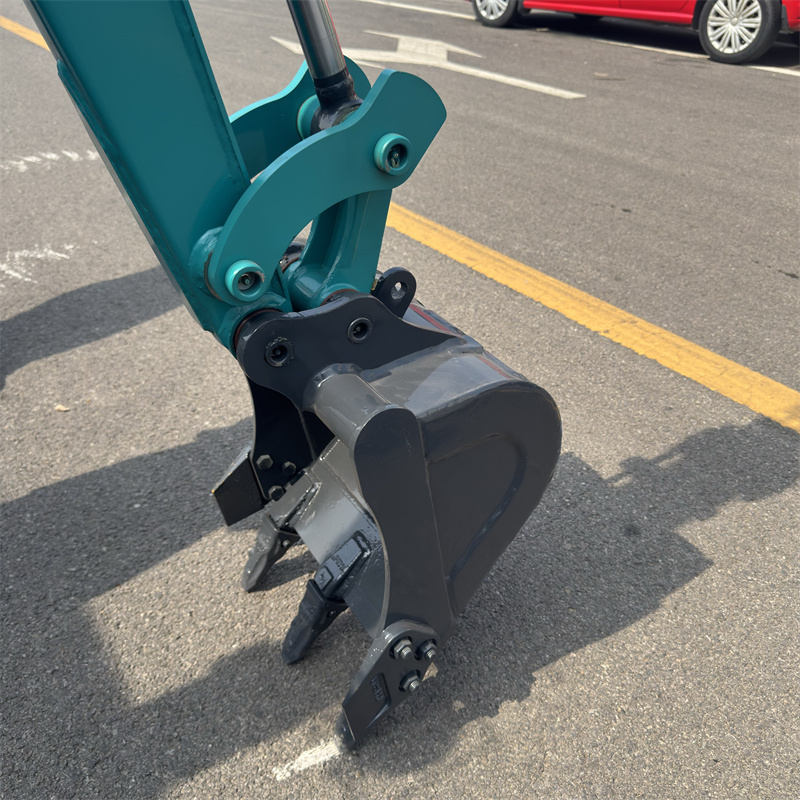
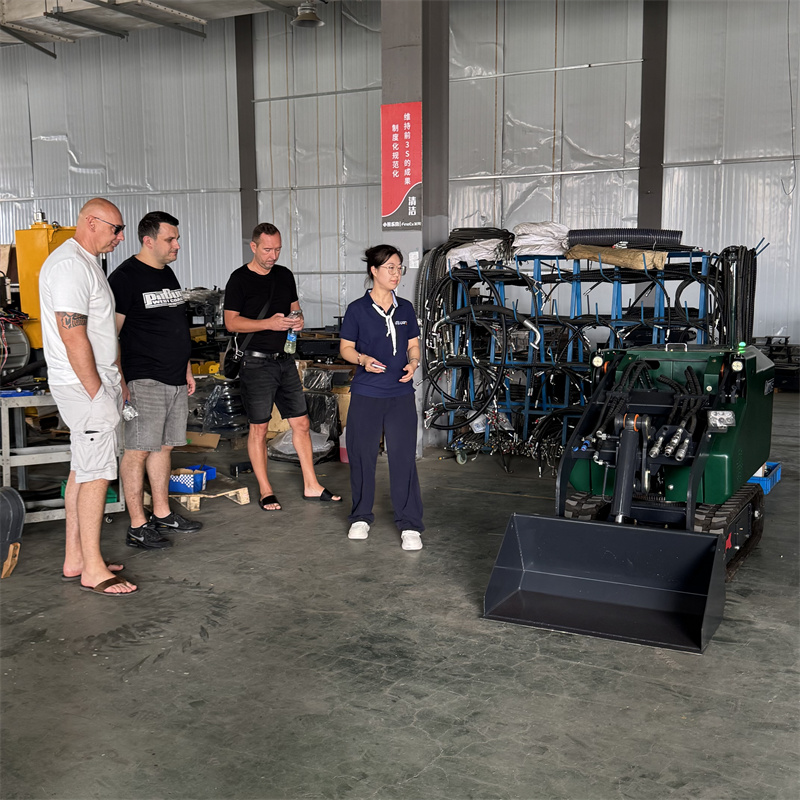
Our Electric Compact Excavator and Battery – powered Mini Excavator showcase how compact and portable electric machines can be designed. Although these are construction equipment, the concepts of compact design and portability can be applied to medical machines as well.
Noise and Vibration
Medical environments require a quiet and comfortable atmosphere. High levels of noise and vibration from electric machines can be disturbing to patients and medical staff. Therefore, reducing noise and vibration is an important design consideration.
You can use vibration – damping materials and isolation techniques to reduce the transmission of vibration. For example, rubber mounts can be used to isolate the machine’s motor from the rest of the structure. In addition, the design of the motor and other moving parts can be optimized to reduce noise generation. For example, using smooth – running components and reducing the number of mechanical impacts.
Regulatory Compliance
Medical electric machines are subject to strict regulations. These regulations ensure that the machines are safe and effective for use. You need to be familiar with the relevant regulations in different countries and regions, such as the FDA regulations in the United States and the CE marking requirements in Europe.
Complying with these regulations involves a series of tests and certifications. For example, the machine may need to undergo electrical safety tests, performance tests, and biocompatibility tests. It’s important to have a clear understanding of the regulatory requirements from the early stages of the design process to avoid delays and costly redesigns.
Prototyping and Testing
Once you have a design concept, it’s time to build a prototype. Prototyping allows you to test the design in a real – world environment and identify any potential issues. You can start with a simple proof – of – concept prototype and gradually refine it based on the test results.
Testing is a crucial step in the design process. You need to perform a variety of tests, including electrical tests, mechanical tests, and functional tests. For example, you can test the machine’s power consumption, accuracy, and reliability. You can also simulate different operating conditions to ensure that the machine can perform under various scenarios.
Collaboration and Innovation
Finally, don’t work in isolation. Collaboration with other experts in the field, such as material scientists, electrical engineers, and medical researchers, can bring new ideas and perspectives. Innovation is key to developing better electric machines for medical applications.
Keep an eye on the latest technologies and trends. For example, the development of artificial intelligence and machine learning can be applied to medical electric machines to improve their performance and functionality.
If you’re interested in purchasing electric machines for medical applications or have any questions about our design capabilities, feel free to reach out. We’re here to help you find the best solutions for your medical needs.
References
Smith, J. (2018). Medical Device Design: Principles and Practices. Elsevier.
Brown, A. (2020). Electrical Safety in Medical Equipment. Wiley.
Green, C. (2019). Precision Engineering for Medical Applications. Springer.