Hey there! As a supplier of electric machines, I’ve seen my fair share of machine troubles over the years. Figuring out what’s going wrong with an electric machine can be a real headache, but with the right approach, it doesn’t have to be. In this blog, I’m gonna share some tips on how to diagnose the faults of an electric machine.
1. Start with the Basics
Before you start digging deep into the machine, it’s always a good idea to check the simple stuff. First off, make sure the machine is properly plugged in and that the power source is working. Sounds obvious, but you’d be surprised how many times a loose plug or a tripped circuit breaker is the root of the problem.
Next, take a look at the control panel. Are there any warning lights or error messages? These can give you a big clue about what’s going wrong. For example, if a “low voltage” light is on, it could mean there’s an issue with the power supply or a problem with the machine’s internal wiring.
2. Listen and Observe
Electric machines often make noise when they’re running. If you’ve been using the machine for a while, you’ll probably have a good idea of what its normal operating noise sounds like. Any sudden changes in the noise level or the type of noise can indicate a problem.
For instance, a grinding or screeching noise could mean there’s a problem with the bearings. A rattling noise might suggest that something inside the machine is loose. And if the machine is vibrating more than usual, it could be a sign of an imbalance or a misalignment.
While you’re listening, also take a good look at the machine. Are there any visible signs of damage, like cracks in the casing or frayed wires? Leaking fluids can also be a big red flag. If you see any oil or coolant leaking from the machine, it’s definitely time to investigate further.
3. Check the Electrical Components
Since we’re dealing with electric machines, it’s crucial to check the electrical components. Start by inspecting the wiring. Look for any signs of wear and tear, such as exposed wires or loose connections. If you find any damaged wiring, it’s important to replace it as soon as possible to avoid the risk of electrical shock or a short circuit.
Another important component to check is the motor. The motor is the heart of the electric machine, and any problems with it can cause the whole machine to malfunction. You can use a multimeter to test the motor’s resistance and continuity. If the readings are outside the normal range, it could mean there’s a problem with the motor.
Don’t forget about the capacitors and relays. These components play a vital role in the machine’s electrical system. A faulty capacitor can cause the motor to run inefficiently or not at all, while a bad relay can prevent the machine from starting.
4. Use Diagnostic Tools
In addition to your senses and basic inspection tools, there are also some specialized diagnostic tools that can help you identify the faults of an electric machine. One of the most useful tools is a thermal imager. A thermal imager can detect hot spots in the machine, which can indicate areas of high resistance or overheating. This can be especially helpful in finding problems with the electrical components.
Another useful tool is a vibration analyzer. As I mentioned earlier, excessive vibration can be a sign of a problem. A vibration analyzer can measure the frequency and amplitude of the vibrations, which can help you pinpoint the source of the problem.
5. Refer to the Manual
Every electric machine comes with a user manual. The manual is a valuable resource that can provide you with a lot of information about the machine, including its specifications, operating instructions, and troubleshooting guide. If you’re having trouble diagnosing a fault, the first place you should look is the manual.
The troubleshooting guide in the manual usually lists the most common problems and their possible causes. It also provides step-by-step instructions on how to fix the problems. By following the instructions in the manual, you can often solve the problem without having to call in a professional.
6. Consider the Environment
The environment in which the electric machine is operating can also have an impact on its performance. For example, if the machine is operating in a dusty or dirty environment, the dust and dirt can accumulate inside the machine and cause problems. In this case, you may need to clean the machine regularly to prevent the buildup of dust and dirt.
Temperature and humidity can also affect the performance of an electric machine. If the machine is operating in a very hot or humid environment, it may overheat or develop moisture-related problems. Make sure the machine is installed in a well-ventilated area and that the temperature and humidity levels are within the recommended range.
7. Compare with Similar Machines
If you have access to other similar electric machines, it can be helpful to compare them. By comparing the performance and behavior of the faulty machine with that of a working machine, you can often identify the problem more easily.
For example, if one machine is producing less power than the others, it could be a sign of a problem with the motor or the electrical system. By comparing the two machines side by side, you may be able to spot the difference and figure out what’s going wrong.
Some Common Electric Machine Faults and How to Fix Them
Overheating: Overheating is a common problem in electric machines. It can be caused by a variety of factors, such as a blocked ventilation system, a faulty motor, or an overloaded circuit. To fix an overheating problem, first, make sure the ventilation system is clear of any obstructions. If the problem persists, check the motor and the electrical system for any faults.
No Power: If the machine won’t start or has no power, the first thing to check is the power source. Make sure the machine is properly plugged in and that the circuit breaker hasn’t tripped. If the power source is okay, check the wiring and the electrical components for any faults.
Strange Noises: As I mentioned earlier, strange noises can indicate a problem with the machine. If you hear a grinding or screeching noise, it could be a sign of a problem with the bearings. If the noise is coming from the motor, it could be a sign of a problem with the motor’s windings. In either case, it’s important to stop the machine and investigate the problem before it gets worse.
Conclusion
Diagnosing the faults of an electric machine can be a challenging task, but by following these tips, you can increase your chances of finding and fixing the problem quickly. Remember, safety should always be your top priority when working with electric machines. If you’re not comfortable working on the machine yourself, it’s always a good idea to call in a professional.
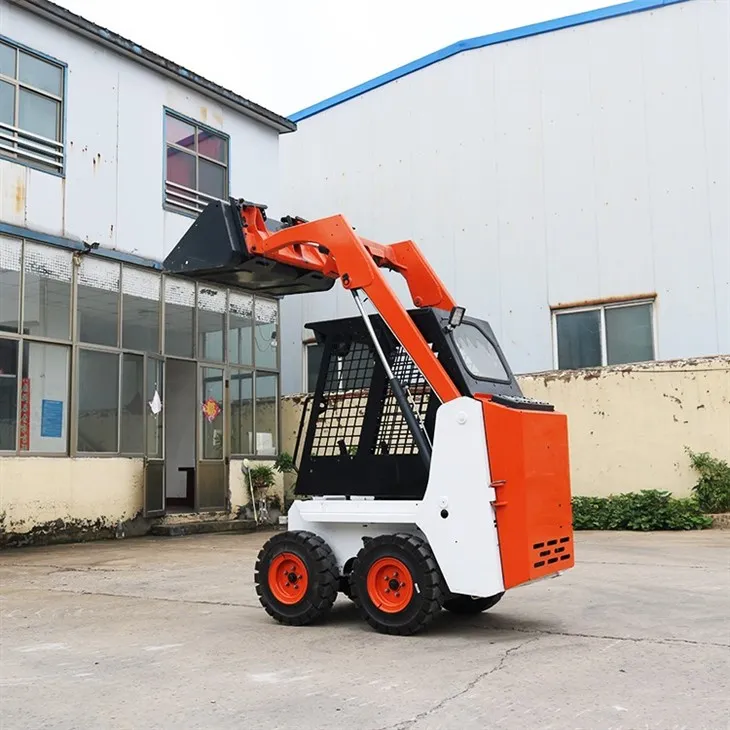
At our company, we offer a wide range of electric machines, including Earthmoving Machinery Mini Skid Steer Loader, Mini Track Skid Steer Loader, and Mini Skid Steer Loader. If you’re in the market for a new electric machine or need help with troubleshooting your existing one, don’t hesitate to get in touch with us. We’re here to help you find the best solution for your needs.
References
“Electric Machinery Fundamentals” by Stephen J. Chapman
“Troubleshooting Electric Motors” by Robert W. Carlson