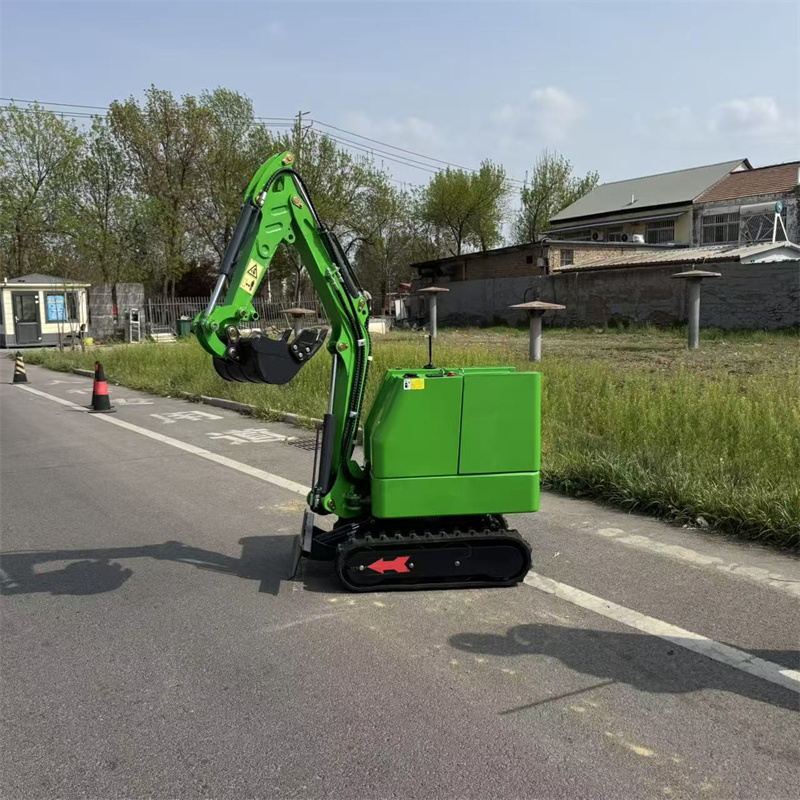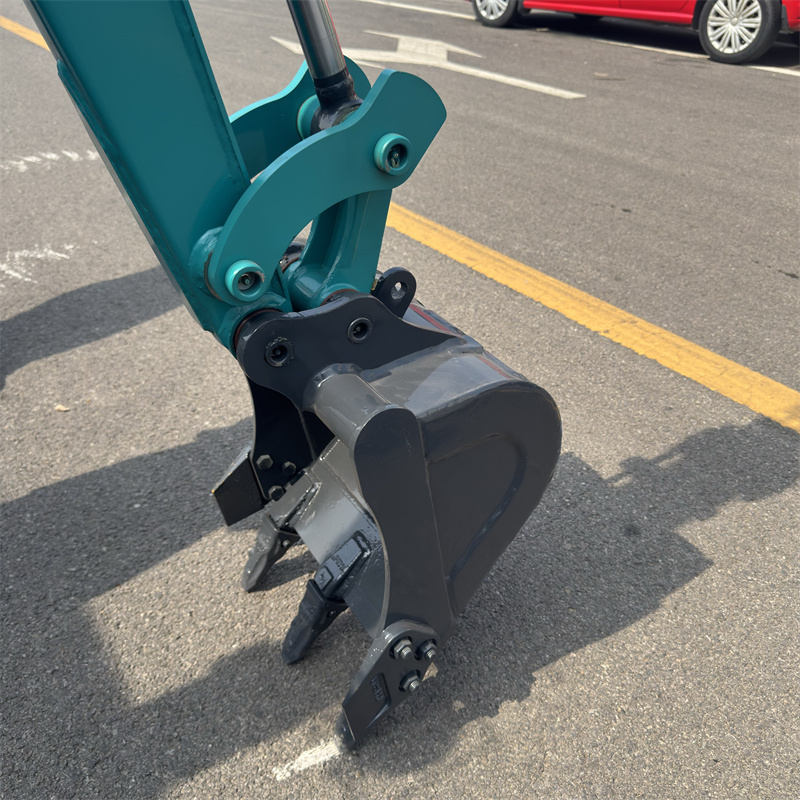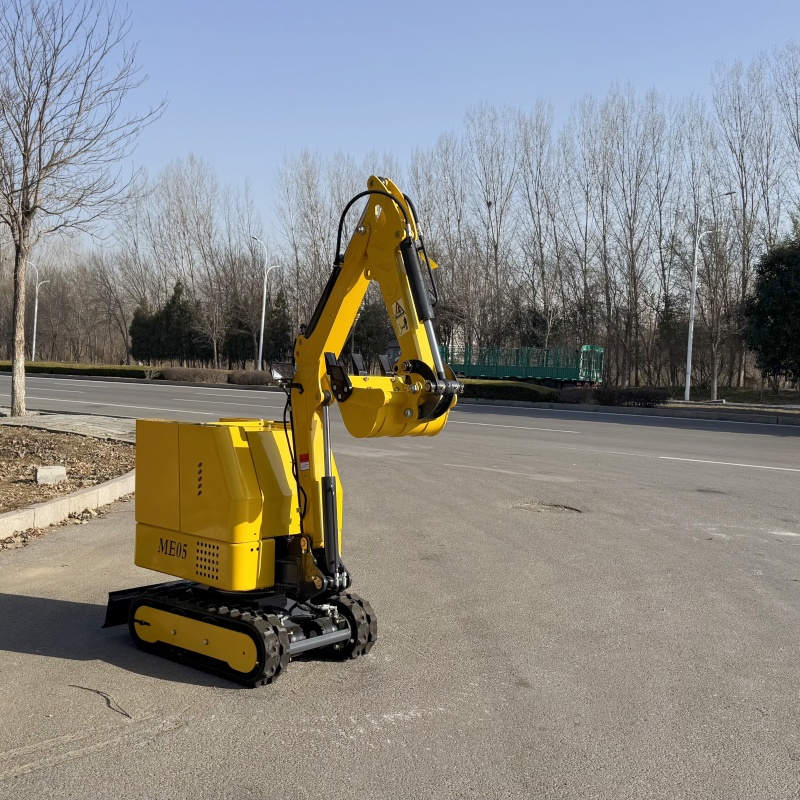
Rust is a common and persistent problem that can significantly affect the performance and lifespan of a 1 – ton mini excavator. As a supplier of 1 – ton mini excavators, I understand the importance of keeping these machines in top – notch condition. In this blog, I’ll share some effective methods on how to remove rust from a 1 – ton mini excavator.
Understanding Rust
Before we dive into the removal methods, it’s essential to understand what rust is. Rust is the result of a chemical reaction called oxidation. When iron or steel, which are commonly used in the construction of mini excavators, comes into contact with oxygen and moisture, rust forms. This process can be accelerated by factors such as exposure to saltwater, acidic environments, and prolonged periods of inactivity.
Rust not only affects the appearance of the excavator but also its structural integrity. It can cause parts to weaken, leading to potential failures and costly repairs. Therefore, timely rust removal is crucial for maintaining the excavator’s functionality and value.
Preparation for Rust Removal
Safety First
Wear appropriate safety gear, including gloves, safety glasses, and a dust mask. Rust removal can generate dust and debris, which can be harmful if inhaled or get into your eyes.
Ensure the excavator is turned off and parked on a stable surface. Disconnect the battery to prevent any electrical accidents during the rust removal process.
Inspection
Conduct a thorough inspection of the excavator to identify all the rusted areas. Pay special attention to areas prone to rust, such as the undercarriage, boom, and any exposed metal parts.
Assess the severity of the rust. Surface rust can usually be removed more easily, while deep – seated rust may require more intensive treatment.
Methods of Rust Removal
Mechanical Methods
Wire Brushing
This is one of the simplest and most common methods for removing surface rust. Use a wire brush with stiff bristles to scrub the rusted areas. Move the brush in a circular motion to effectively remove the rust.
Wire brushing is suitable for small rusted areas and can be used to prepare the surface for further treatment. However, it may not be sufficient for thick or stubborn rust.
Sandblasting
Sandblasting is a more powerful mechanical method. It involves propelling abrasive materials, such as sand or grit, at high speed onto the rusted surface. The abrasive particles remove the rust by impact.
Sandblasting can quickly and effectively remove large amounts of rust, but it requires specialized equipment and should be done by professionals. Improper sandblasting can damage the underlying metal surface.
Grinding
For extremely thick rust or rust on hard – to – reach areas, grinding can be an option. Use a grinding wheel or a rotary tool with a grinding attachment to remove the rust.
Grinding should be done with caution as it can generate a lot of heat and may cause warping of the metal if not done properly.
Chemical Methods
Rust Converters
Rust converters are chemical solutions that react with rust to convert it into a stable, black compound. They are easy to use and can be applied directly to the rusted surface.
After applying the rust converter, it forms a protective layer that can prevent further rusting. However, rust converters are mainly suitable for light to moderate rust and may not be effective for heavy rust.
Acidic Solutions
Some acidic solutions, such as phosphoric acid or hydrochloric acid, can be used to dissolve rust. These solutions should be used with extreme caution as they are highly corrosive.
Dilute the acid according to the manufacturer’s instructions and apply it to the rusted area using a brush or a sprayer. Let it sit for a certain period, and then rinse it off thoroughly with water.
Acidic solutions can be very effective in removing rust, but they can also damage the paint and other components of the excavator if not used correctly.
Natural Methods
Vinegar
Vinegar is a mild acid that can be used to remove light rust. Soak a cloth or a sponge in vinegar and apply it to the rusted area. Let it sit for several hours or overnight, and then scrub the area with a brush.
Vinegar is a safe and environmentally friendly option, but it may take longer to remove rust compared to chemical methods.
Lemon Juice
Lemon juice also contains acids that can help dissolve rust. Similar to vinegar, soak a cloth in lemon juice and apply it to the rusted area. Scrub the area after a few hours.
Post – Rust Removal Steps
Cleaning
After removing the rust, clean the excavator thoroughly to remove any remaining rust particles, chemical residues, or abrasive materials. Use a pressure washer or a hose to rinse the entire machine.
Priming and Painting
Once the excavator is dry, apply a primer to the areas where the rust was removed. The primer acts as a barrier to prevent new rust from forming.
After the primer has dried, paint the areas with a suitable paint for heavy – duty equipment. This not only protects the metal but also restores the appearance of the excavator.
Lubrication
Lubricate all moving parts, such as the joints and bearings, to prevent rust from reforming and to ensure smooth operation.
Preventing Future Rust
Regular Maintenance
Keep the excavator clean and dry. Wash it regularly to remove dirt, debris, and salt, which can accelerate rusting.
Inspect the excavator regularly for signs of rust and address any issues promptly.
Proper Storage
Store the excavator in a dry, covered area when not in use. If possible, use a dehumidifier to reduce the humidity in the storage area.
Apply a protective coating, such as a rust – inhibiting spray, to the exposed metal parts before long – term storage.
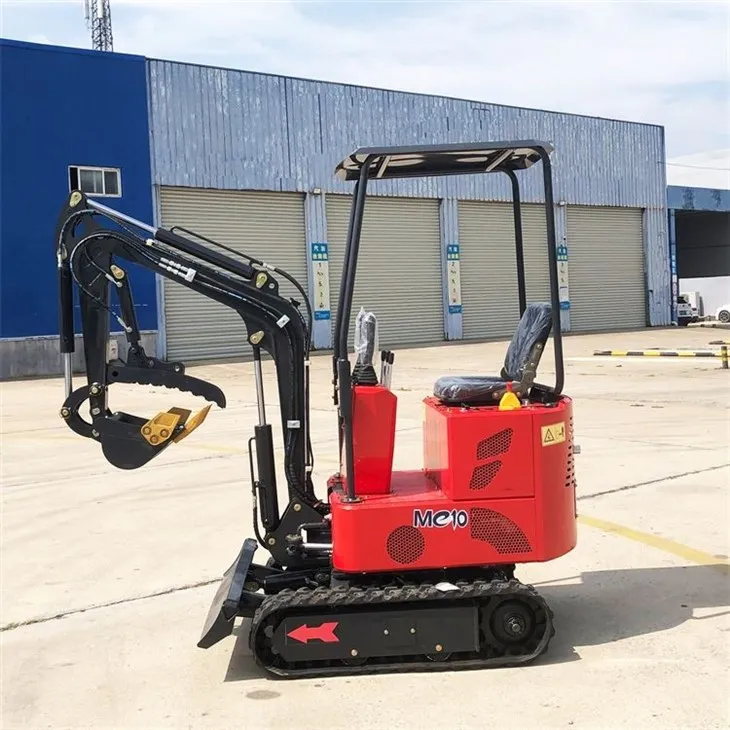
As a supplier of 1 – ton mini excavators, we offer a wide range of Home Mini Excavator, Household Mini Digger and Diesel/gasoline Mini Excavator. If you are interested in our products or have any questions about rust removal and maintenance, please feel free to contact us for a purchase negotiation. We are committed to providing you with high – quality products and professional after – sales service.
References
“Handbook of Corrosion Engineering” by Pierre R. Roberge
“Corrosion Basics: An Introduction” by Bruce D. Craig
Manufacturer’s manuals for 1 – ton mini excavators