Hey there! As a supplier of electric machines, I often get asked about how to select the insulation class of an electric machine. It’s a crucial decision that can significantly impact the performance, reliability, and lifespan of your electric equipment. So, let’s dive right in and break it down.
First off, what exactly is the insulation class? Well, it’s a classification system that defines the maximum allowable temperature rise of the insulation material used in an electric machine. Different insulation classes can withstand different levels of heat, and choosing the right one is all about matching it to the operating conditions of your machine.
Understanding Insulation Classes
There are several standard insulation classes, including Class A, Class E, Class B, Class F, and Class H. Each class has a specific temperature limit, and here’s a quick rundown:
Class A: This is the most basic insulation class, with a maximum temperature rise of 60°C. It’s suitable for applications where the operating temperature is relatively low and the environment is clean. However, it’s not the best choice for high-stress or high-temperature environments.
Class E: With a maximum temperature rise of 75°C, Class E insulation offers a bit more heat resistance than Class A. It’s commonly used in general-purpose electric machines and can handle slightly higher temperatures.
Class B: This is a popular choice for many electric machines, with a maximum temperature rise of 80°C. Class B insulation provides a good balance between cost and performance, making it suitable for a wide range of applications.
Class F: Offering a maximum temperature rise of 105°C, Class F insulation is designed for more demanding applications. It can withstand higher temperatures and is often used in motors that operate under heavy loads or in hot environments.
Class H: The highest standard insulation class, Class H, can handle a maximum temperature rise of 125°C. It’s typically used in high-performance electric machines, such as those found in industrial settings or in equipment that operates at high speeds.
Factors to Consider When Selecting an Insulation Class
Now that you know the different insulation classes, how do you decide which one is right for your electric machine? Here are some key factors to consider:
Operating Temperature
The first and most important factor is the operating temperature of your machine. You need to know the maximum temperature that the machine will reach during normal operation. This includes both the ambient temperature and the heat generated by the machine itself. If the operating temperature is high, you’ll need an insulation class that can withstand the heat. For example, if your machine operates in a hot industrial environment, Class F or Class H insulation might be the best choice.
Load and Duty Cycle
The load and duty cycle of your machine also play a crucial role in selecting the insulation class. If your machine operates under heavy loads or has a high-duty cycle, it will generate more heat. In this case, you’ll need an insulation class that can handle the increased heat. For instance, a motor that runs continuously at full load will require a higher insulation class than a motor that operates intermittently.
Environment
The environment in which the machine operates is another important factor. If the machine is exposed to dust, moisture, chemicals, or other contaminants, you’ll need an insulation class that can resist these elements. For example, in a dusty or dirty environment, you might want to choose an insulation class with better protection against dust ingress.
Cost
Of course, cost is always a consideration. Higher insulation classes generally cost more than lower ones. You need to balance the cost of the insulation class with the performance and reliability requirements of your machine. Sometimes, a lower insulation class might be sufficient for your application, while in other cases, investing in a higher insulation class can save you money in the long run by reducing the risk of premature failure.
Real-World Examples
Let’s take a look at some real-world examples to see how these factors come into play.
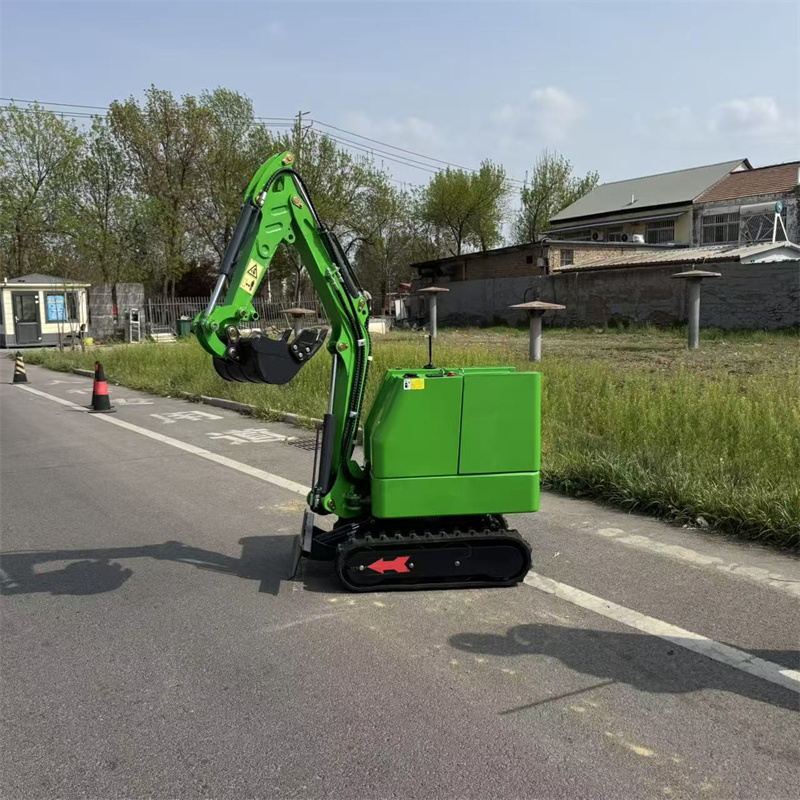
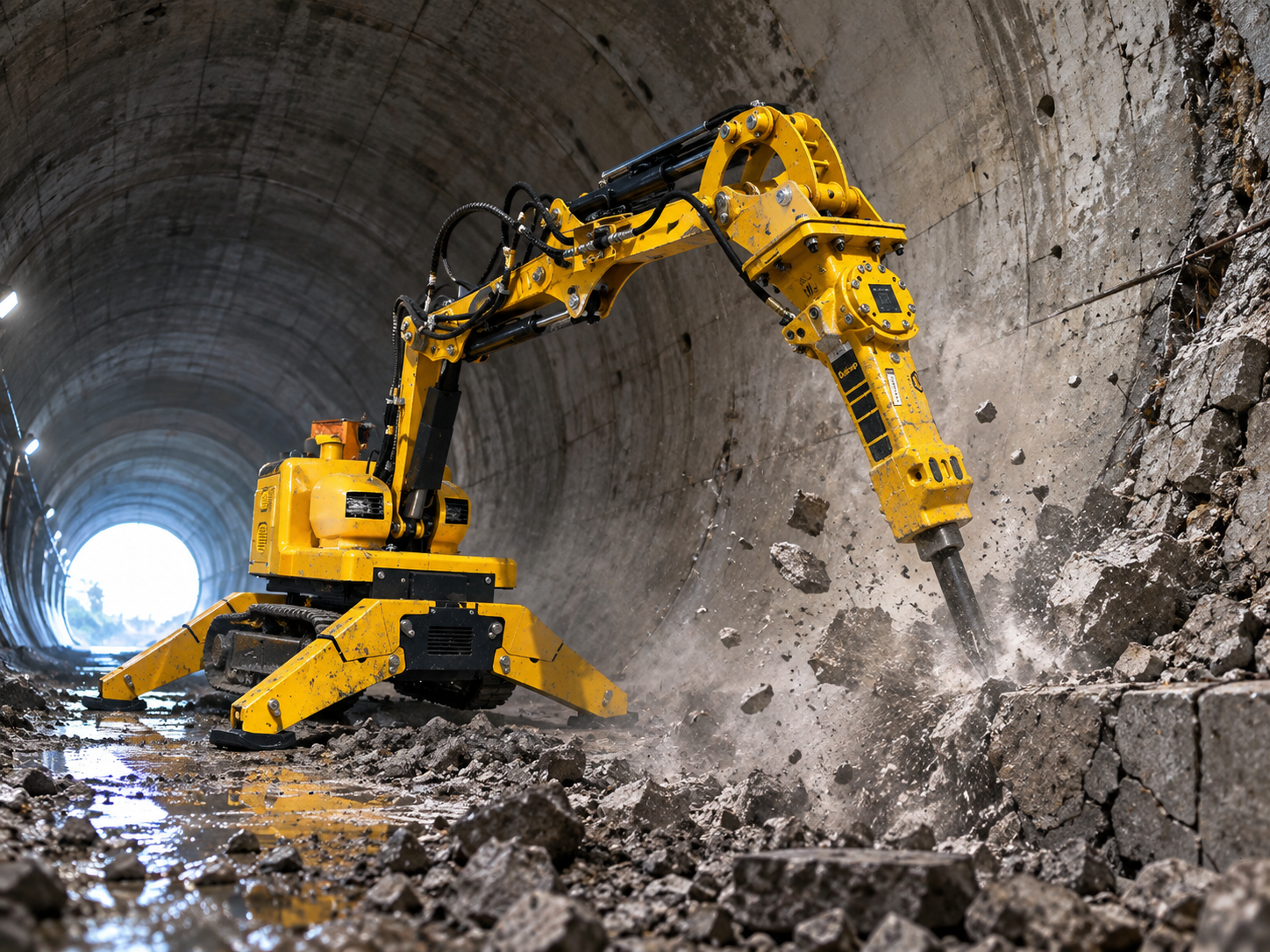
Suppose you’re considering an Electric Crawler Excavator. These machines are often used in construction sites, where they operate under heavy loads and in challenging environments. The operating temperature can be quite high, especially during long hours of continuous use. In this case, you’ll likely need an insulation class of at least Class F or even Class H to ensure reliable performance and prevent overheating.
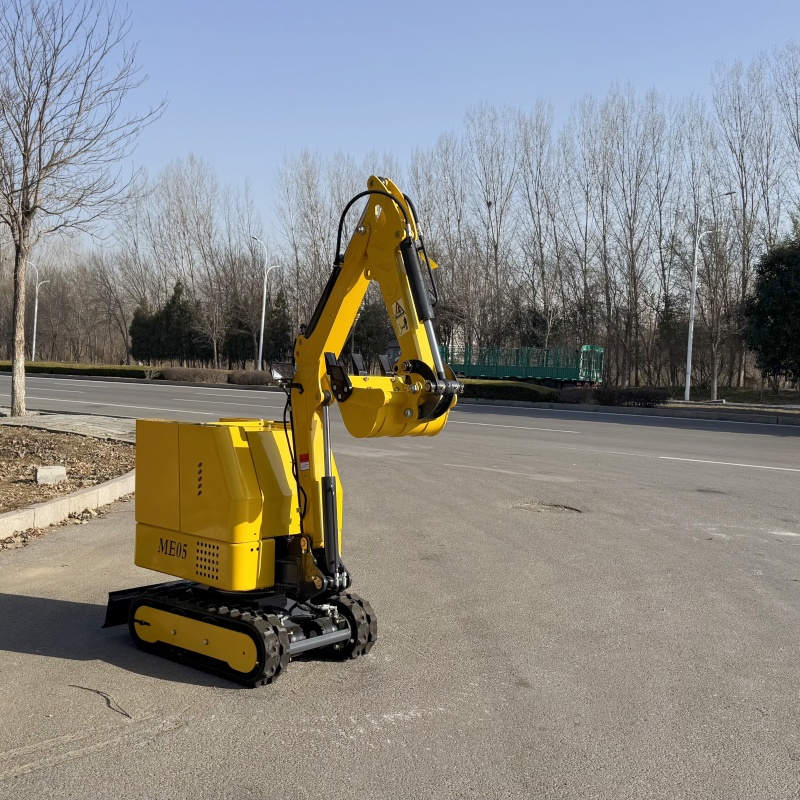
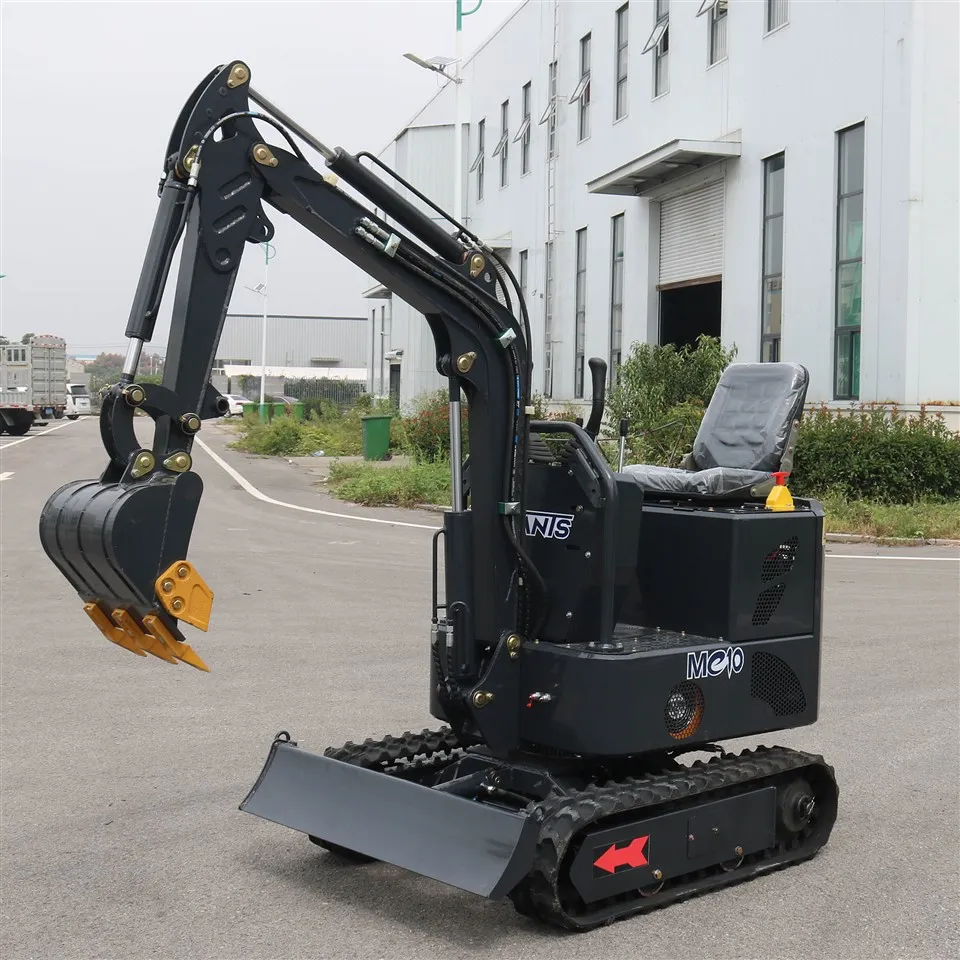
On the other hand, if you’re looking at a ME10 Farm Garden Household Electric Mini Excavator, the operating conditions are typically less demanding. These machines are used for light-duty tasks in a relatively clean environment, and the operating temperature is usually lower. A Class B or Class E insulation class might be sufficient for this type of application.
Another example is the ME08 Mini Battery Excavator. These excavators are powered by batteries, which generate less heat compared to traditional engines. However, the battery itself can also produce heat, especially during charging and discharging. Depending on the specific design and usage, a Class B or Class F insulation class might be appropriate.
Making the Right Choice
Selecting the right insulation class for your electric machine is not always straightforward. It requires a careful assessment of the operating conditions, load requirements, environment, and cost. If you’re unsure which insulation class is best for your application, don’t hesitate to reach out to us. As an experienced electric machine supplier, we have the knowledge and expertise to help you make the right decision.
We can provide you with detailed information about the insulation classes available for our products and help you choose the one that meets your specific needs. Whether you’re looking for a high-performance electric machine for industrial use or a reliable and cost-effective solution for your home or farm, we’ve got you covered.
Conclusion
In conclusion, choosing the right insulation class for your electric machine is essential for ensuring its performance, reliability, and lifespan. By considering factors such as operating temperature, load and duty cycle, environment, and cost, you can make an informed decision. If you have any questions or need further assistance, please feel free to contact us. We’re here to help you find the perfect electric machine for your needs and ensure that it operates at its best for years to come.
References
“Electric Motor Insulation Classes,” Electrical Engineering Portal
“Insulation Classes for Electric Motors,” Motor & Generator World