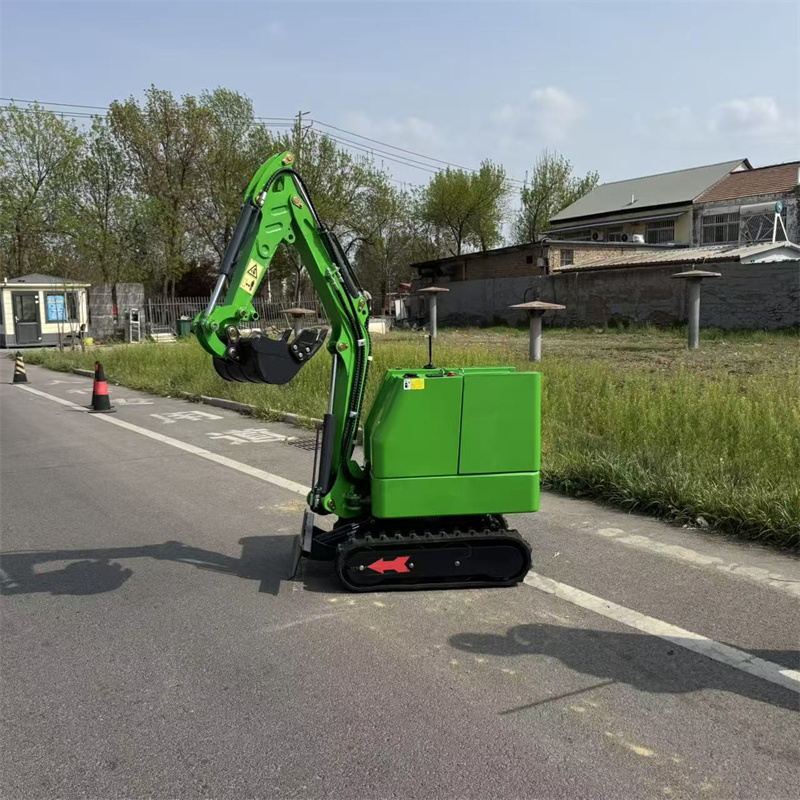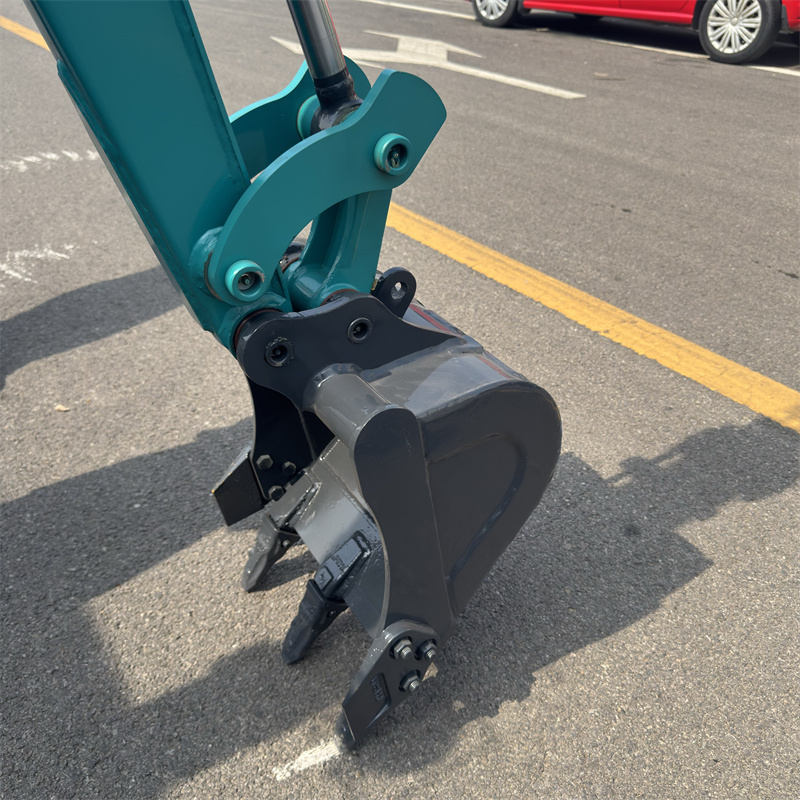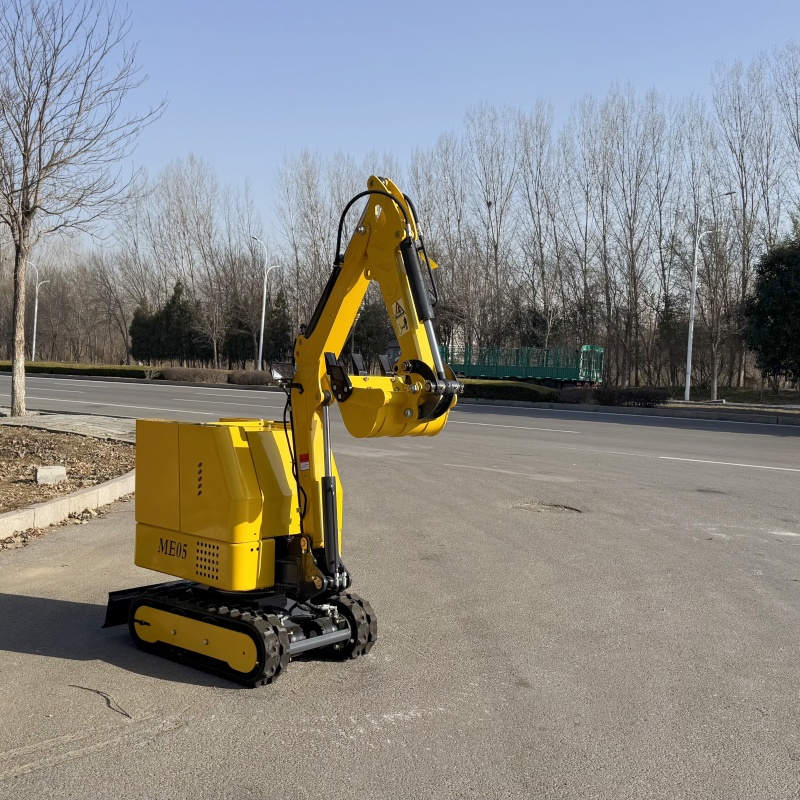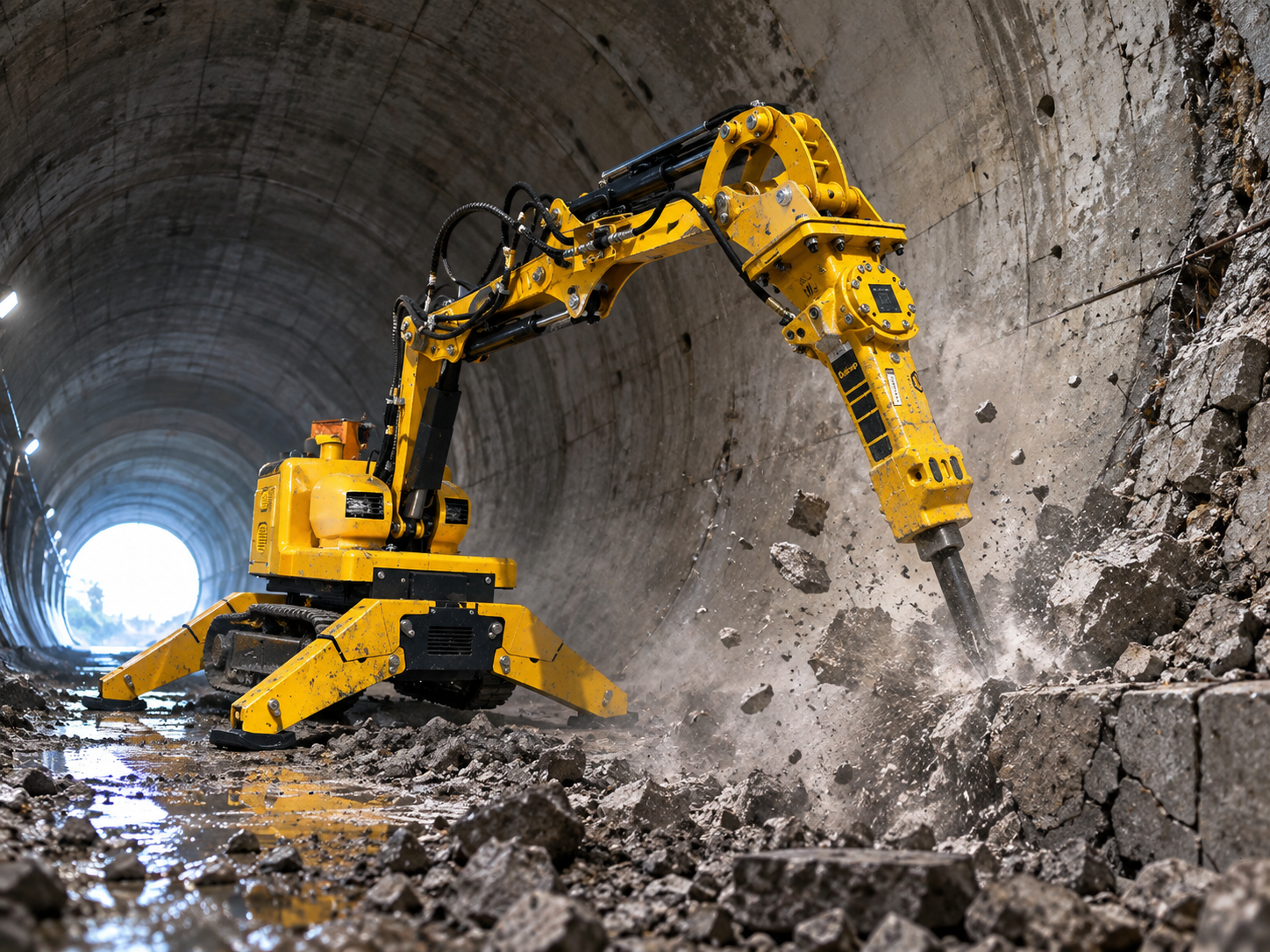
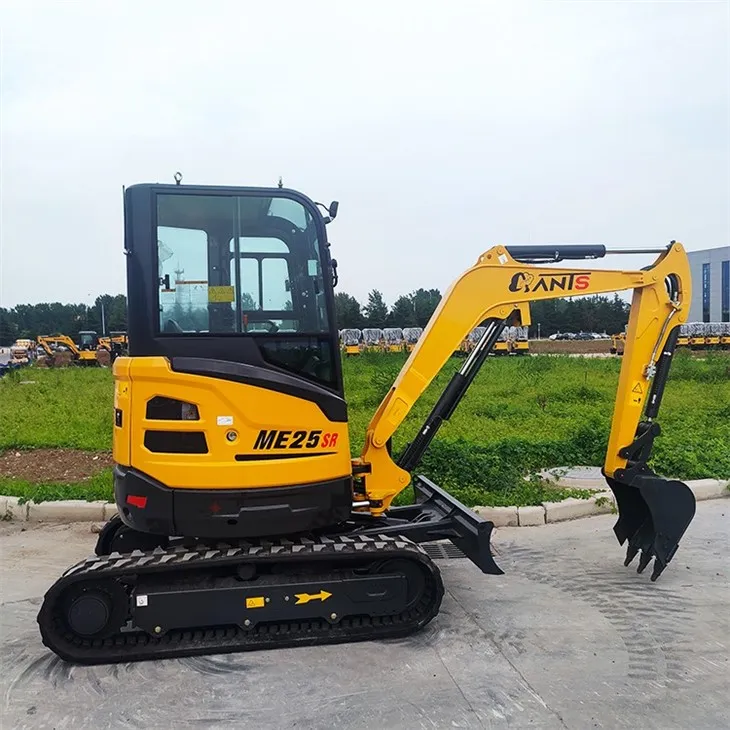
Hey there! As a supplier of 2 Ton Mini Excavators, I know how important it is to properly winterize your equipment. Cold weather can really take a toll on these machines, but with the right steps, you can keep your 2 Ton Mini Excavator in top shape throughout the winter months.
Why Winterizing Matters
First off, let’s talk about why winterizing is such a big deal. When temperatures drop, all sorts of things can go wrong with your excavator. The engine oil can thicken, making it harder for the engine to start and run smoothly. Water in the fuel system can freeze, causing blockages. Rubber seals and hoses can become brittle and crack, leading to leaks. And if you don’t take care of your battery, it might not have enough power to start the machine when you need it.
Step 1: Fluid Checks and Changes
One of the first things you should do is check all the fluids in your 2 Ton Mini Excavator. Start with the engine oil. In cold weather, you’ll want to use a thinner oil that flows more easily. Check your owner’s manual for the recommended oil viscosity for winter. It’s also a good idea to change the oil filter while you’re at it.
Next up is the coolant. You need to make sure your coolant has the right mixture of antifreeze and water to prevent it from freezing. A 50/50 mixture is usually a good starting point, but again, check your manual for the exact ratio. If your coolant is old or dirty, it’s a good time to flush the system and add fresh coolant.
Don’t forget about the hydraulic fluid. Just like the engine oil, hydraulic fluid can thicken in cold weather, which can affect the performance of your excavator’s hydraulic system. Check the fluid level and its condition. If it’s dirty or has a milky appearance, it might be time to change it. You can find more information about our 2 Ton Mini Excavator and its fluid requirements on our website.
Step 2: Fuel System Maintenance
The fuel system is another critical area to focus on. Water can accumulate in the fuel tank, and when it freezes, it can cause all sorts of problems. Add a fuel additive that contains a water remover to your fuel tank. This will help prevent water from freezing and causing blockages in the fuel lines.
You should also clean or replace the fuel filter. A clogged fuel filter can restrict the flow of fuel to the engine, making it hard to start and run properly. If you have a diesel engine, you might need to use a winter-grade diesel fuel that has a lower cloud point, which means it’s less likely to gel in cold temperatures.
Step 3: Battery Care
Your excavator’s battery is essential for starting the engine, especially in cold weather. Cold temperatures can reduce the battery’s capacity, so it’s important to make sure it’s in good condition. Check the battery terminals for corrosion and clean them if necessary. You can use a mixture of baking soda and water to clean the terminals.
If your battery is old or not holding a charge well, it might be time to replace it. It’s also a good idea to keep the battery charged. You can use a battery charger or a trickle charger to maintain the battery’s charge while the excavator is not in use.
Step 4: Tire and Track Maintenance
Whether your 2 Ton Mini Excavator has tires or tracks, they need some attention in the winter. If you have tires, check the tire pressure. Cold weather can cause the air in the tires to contract, which can lead to underinflated tires. Underinflated tires can affect the handling and stability of the excavator. Make sure the tires are inflated to the recommended pressure.
If your excavator has tracks, check for any signs of wear or damage. Cold weather can make the rubber in the tracks more brittle, so it’s important to inspect them carefully. If you notice any cracks, tears, or excessive wear, it might be time to replace the tracks. You can learn more about our 2.5 Ton Mini Excavator, which also has important tire and track maintenance requirements.
Step 5: Protecting the Exterior
The exterior of your excavator can also be affected by cold weather. Wash the machine thoroughly to remove any dirt, mud, or salt that might have accumulated on it. Salt can be particularly corrosive, especially in winter when it’s used on roads and construction sites to melt ice. After washing, dry the machine completely to prevent rust.
You can also apply a protective coating to the metal parts of the excavator to prevent rust and corrosion. There are many different types of coatings available, so choose one that’s suitable for your excavator’s finish.
Step 6: Storage
If you’re not going to be using your 2 Ton Mini Excavator for an extended period during the winter, proper storage is crucial. Find a dry, sheltered place to store the machine, such as a garage or a storage shed. If you don’t have indoor storage, you can use a heavy-duty tarp to cover the excavator. Make sure the tarp is secured tightly to prevent it from flapping in the wind and causing damage.
Before you store the machine, run it for a few minutes to warm up the engine and circulate the fluids. This will help prevent any condensation from forming inside the engine. You can also disconnect the battery to prevent it from discharging while the machine is in storage.
Step 7: Electrical System Check
The electrical system in your excavator is responsible for powering all the lights, gauges, and other electrical components. Check all the electrical connections for signs of corrosion or loose wires. Clean the connections and tighten any loose wires.
Test all the lights to make sure they’re working properly. Replace any bulbs that are burned out. You might also want to check the battery cables for any signs of wear or damage. If the cables are frayed or have exposed wires, replace them immediately.
Step 8: Greasing and Lubrication
All the moving parts in your excavator need to be properly lubricated to prevent wear and tear. Check all the grease fittings and apply fresh grease. Pay special attention to the pins and bushings, as these are areas that can experience a lot of friction.
You can also lubricate the hinges, latches, and other moving parts on the machine. This will help keep them working smoothly and prevent them from seizing up in cold weather.
Step 9: Inspect the Tracks or Tires Again
Just before you put your excavator back into service after the winter, take another look at the tracks or tires. Make sure they’re still in good condition and properly inflated or tensioned. Check for any signs of damage that might have occurred during storage.
Step 10: Start-Up and Testing
When it’s time to start up your 2 Ton Mini Excavator after the winter, take it slow. Let the engine warm up for a few minutes before you start operating the machine. Listen for any unusual noises or vibrations, which could indicate a problem.
Test all the functions of the excavator, including the boom, arm, bucket, and hydraulic system. Make sure everything is working as it should. If you notice any issues, don’t try to operate the machine until you’ve had it checked by a professional.
Conclusion
Winterizing your 2 Ton Mini Excavator is a crucial step in ensuring its long-term performance and reliability. By following these steps, you can protect your investment and avoid costly repairs down the road. If you have any questions or need more information about winterizing your excavator, or if you’re interested in purchasing a new 2 Ton Electric Excavator, feel free to reach out to us. We’re here to help you keep your equipment in the best possible condition.
References
Manufacturer’s owner’s manual for 2 Ton Mini Excavator
Industry best practices for winterizing construction equipment