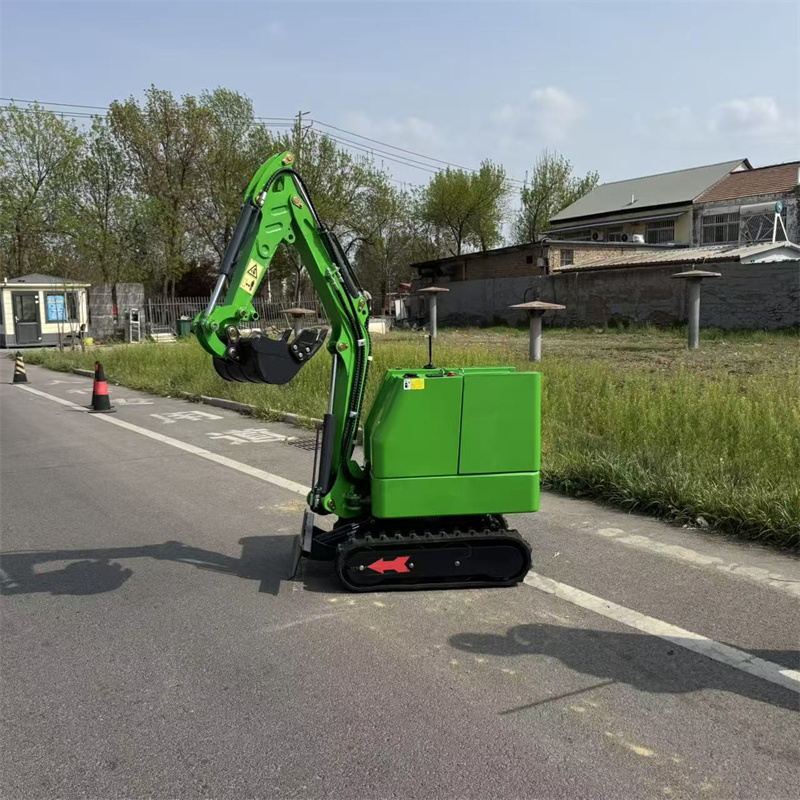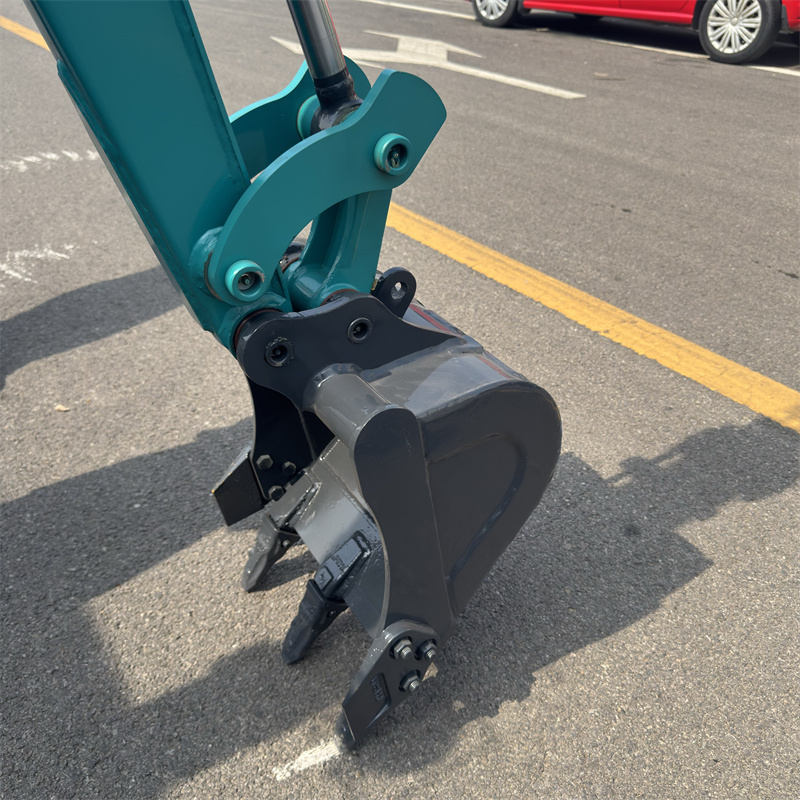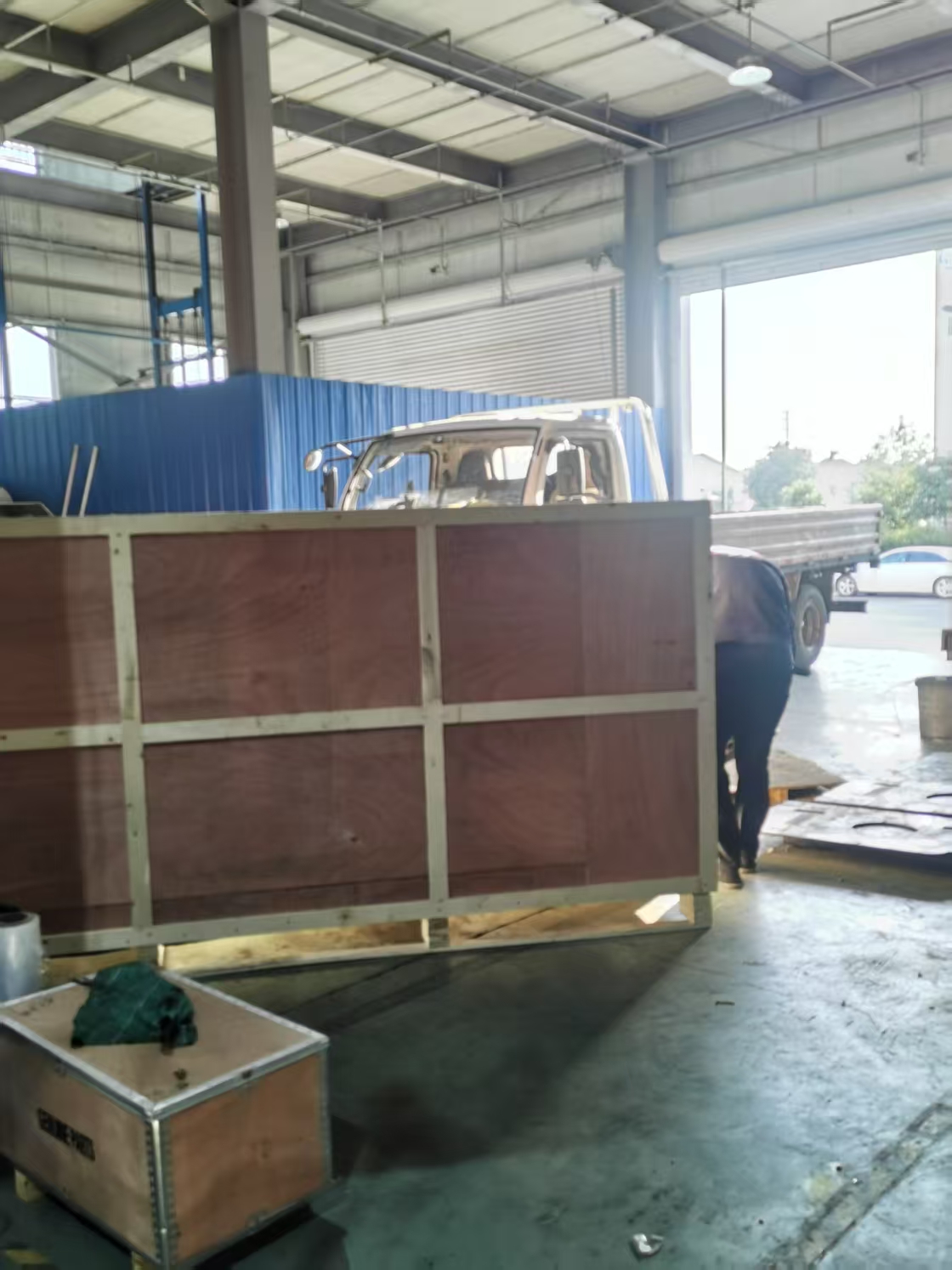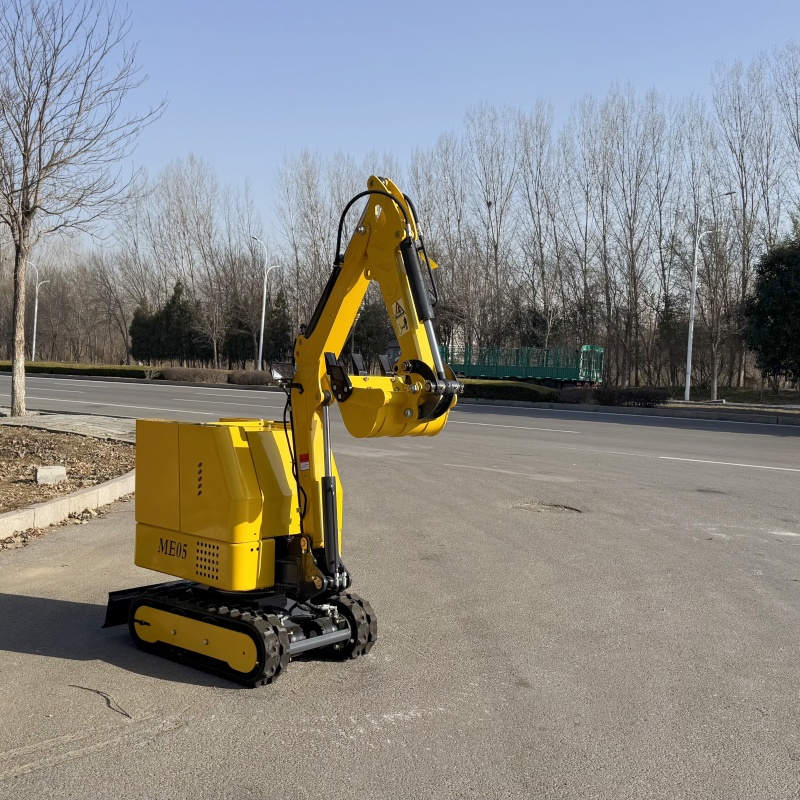
Hey there! As a supplier of Mini Excavator Digging, I’ve seen firsthand how important it is to store your mini excavator properly after a long day of digging. A well – stored mini excavator not only lasts longer but also performs better when you need it next. So, let’s dive into the best practices for storing these nifty machines.
1. Clean the Mini Excavator Thoroughly
First things first, you gotta clean your mini excavator from top to bottom. After a day of digging, it’s likely covered in dirt, mud, and debris. This stuff can cause corrosion over time, especially if it gets into the moving parts or electrical components.
Start by using a high – pressure water hose to blast off the loose dirt. Pay special attention to the undercarriage, as this area tends to collect the most mud. For stubborn dirt and grease, you can use a mild detergent. Just make sure to rinse it off completely to avoid any residue that could attract more dirt later.
Don’t forget about the cab! Wipe down the interior with a clean cloth and a gentle cleaner. This keeps the cab looking good and also helps maintain a comfortable working environment for the next operator.
2. Check and Maintain Fluid Levels
Fluids are the lifeblood of your mini excavator. Before storing it, check the levels of engine oil, hydraulic fluid, coolant, and fuel. If any of these fluids are low, top them off.
Engine oil lubricates the engine’s moving parts, reducing friction and wear. Hydraulic fluid is crucial for the proper functioning of the excavator’s hydraulic system, which powers the boom, arm, and bucket. Coolant prevents the engine from overheating, and fuel is, well, what makes the machine go!
If you’re planning to store the excavator for an extended period, you might want to consider adding a fuel stabilizer to the fuel tank. This helps prevent the fuel from breaking down and forming varnish or gum, which can clog the fuel system.
3. Inspect for Damage and Wear
Give your mini excavator a thorough inspection for any signs of damage or wear. Look for cracks in the boom, arm, or bucket. Check the tracks for any signs of wear, such as missing or damaged links. Inspect the tires (if it’s a wheeled mini excavator) for proper inflation and any signs of cuts or punctures.
Also, examine the electrical system. Look for frayed wires or loose connections, as these can lead to electrical problems later. If you find any issues, it’s best to address them before storing the machine. This way, you can avoid more serious problems down the road.
4. Store in a Suitable Location
The location where you store your mini excavator matters a lot. Ideally, you should store it in a dry, covered area, like a shed or a garage. This protects the machine from the elements, such as rain, snow, and sunlight.
If you don’t have access to a covered storage area, at least try to find a spot that’s elevated and well – drained. This helps prevent water from pooling around the excavator, which can lead to rust and corrosion.
Avoid storing the mini excavator near any sources of chemicals or solvents, as these can damage the paint and other components. Also, make sure the storage area is secure to prevent theft or vandalism.
5. Protect the Moving Parts
The moving parts of your mini excavator are particularly vulnerable during storage. To protect them, you can apply a thin layer of lubricant to the pins, bushings, and other moving joints. This helps prevent rust and keeps the parts moving smoothly when you take the excavator out of storage.
You can also cover the exposed metal parts with a protective coating or a rust inhibitor. This adds an extra layer of protection against corrosion.
6. Disconnect the Battery
If you’re storing the mini excavator for an extended period, it’s a good idea to disconnect the battery. This prevents the battery from discharging and also reduces the risk of electrical shorts or corrosion.
Before disconnecting the battery, make sure to turn off all the electrical components in the excavator. Then, use a wrench to loosen the negative (-) terminal first, followed by the positive (+) terminal. Store the battery in a cool, dry place and charge it periodically to keep it in good condition.
7. Secure the Boom, Arm, and Bucket
The boom, arm, and bucket of the mini excavator are large and heavy components. To prevent them from moving during storage and causing damage to the machine or the storage area, you should secure them properly.
Lower the boom and arm to the ground and lock the bucket in a closed position. You can use straps or chains to secure the components in place. This not only protects the machine but also makes it safer to store.
8. Document the Storage Process
It’s a good idea to keep a record of the storage process. Note down the date when you stored the mini excavator, the fluid levels, any maintenance or repairs you performed, and the condition of the machine. This documentation can be helpful when it’s time to take the excavator out of storage and start using it again.
Now, if you’re in the market for a new mini excavator, we’ve got some great options. Check out our Plug – in Mini Excavator 1.5 Ton and Crawler Electric Excavator. These machines are not only powerful but also energy – efficient, making them a great choice for your digging needs.
If you’re interested in learning more about our products or have any questions about mini excavator storage, feel free to reach out. We’re here to help you make the most of your investment and keep your equipment in top – notch condition.
References
Construction Equipment Magazine: Various articles on equipment maintenance and storage.
Manufacturer’s manuals for mini excavators.
Industry best – practice guides on heavy equipment storage.