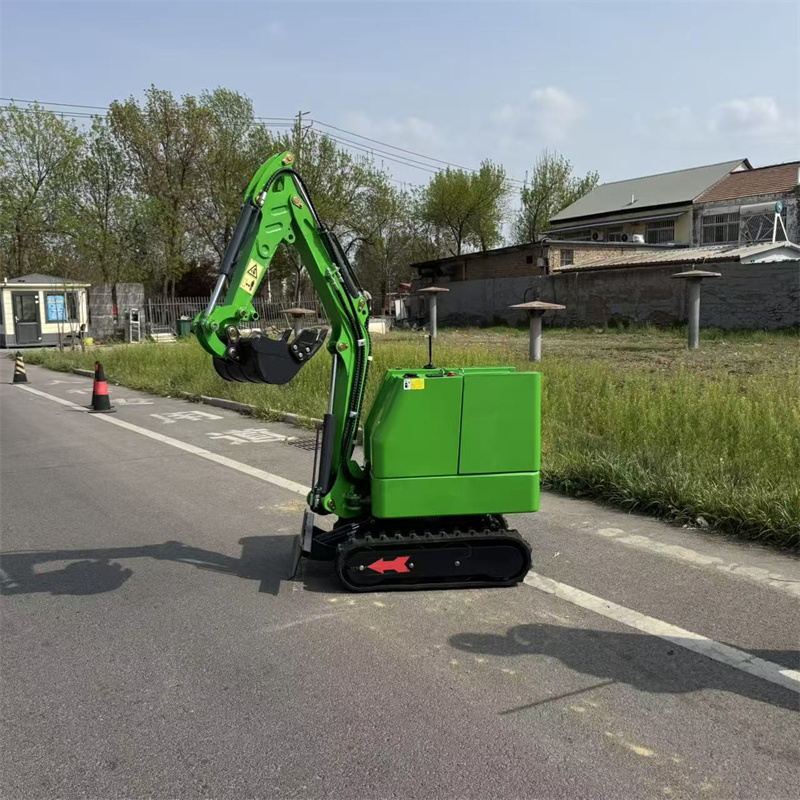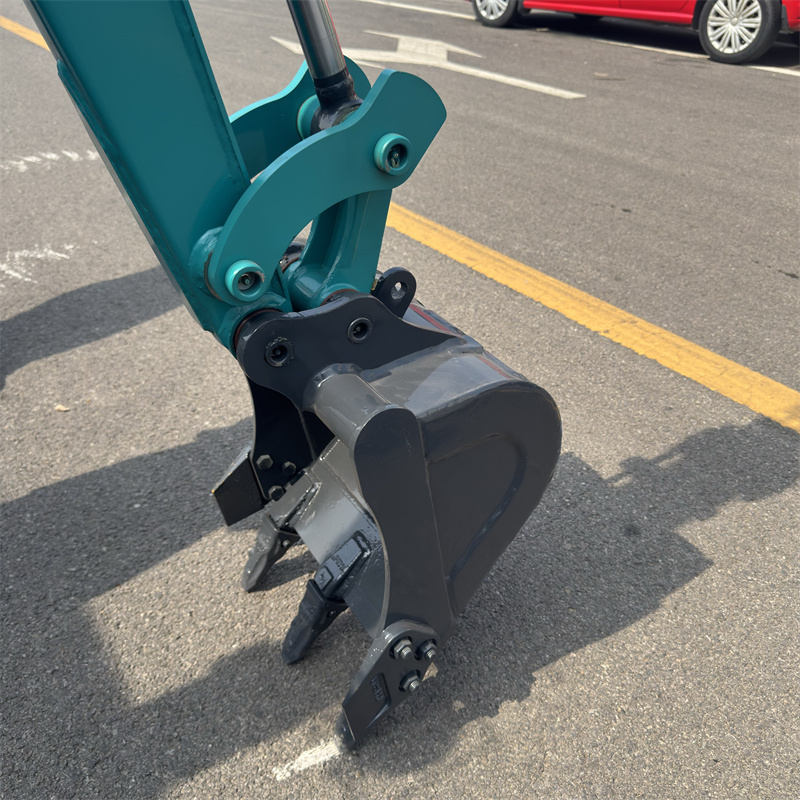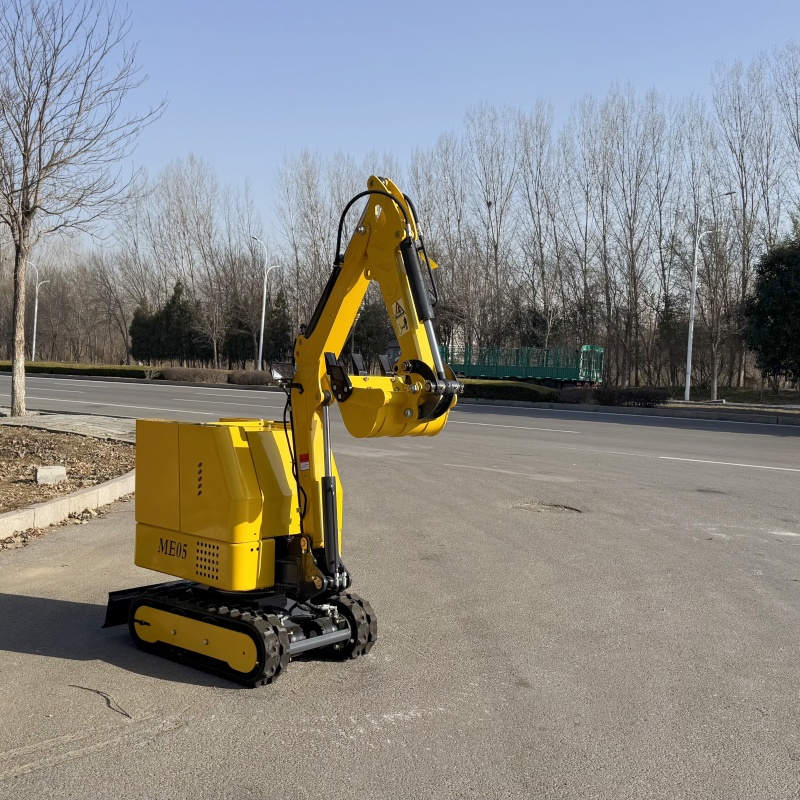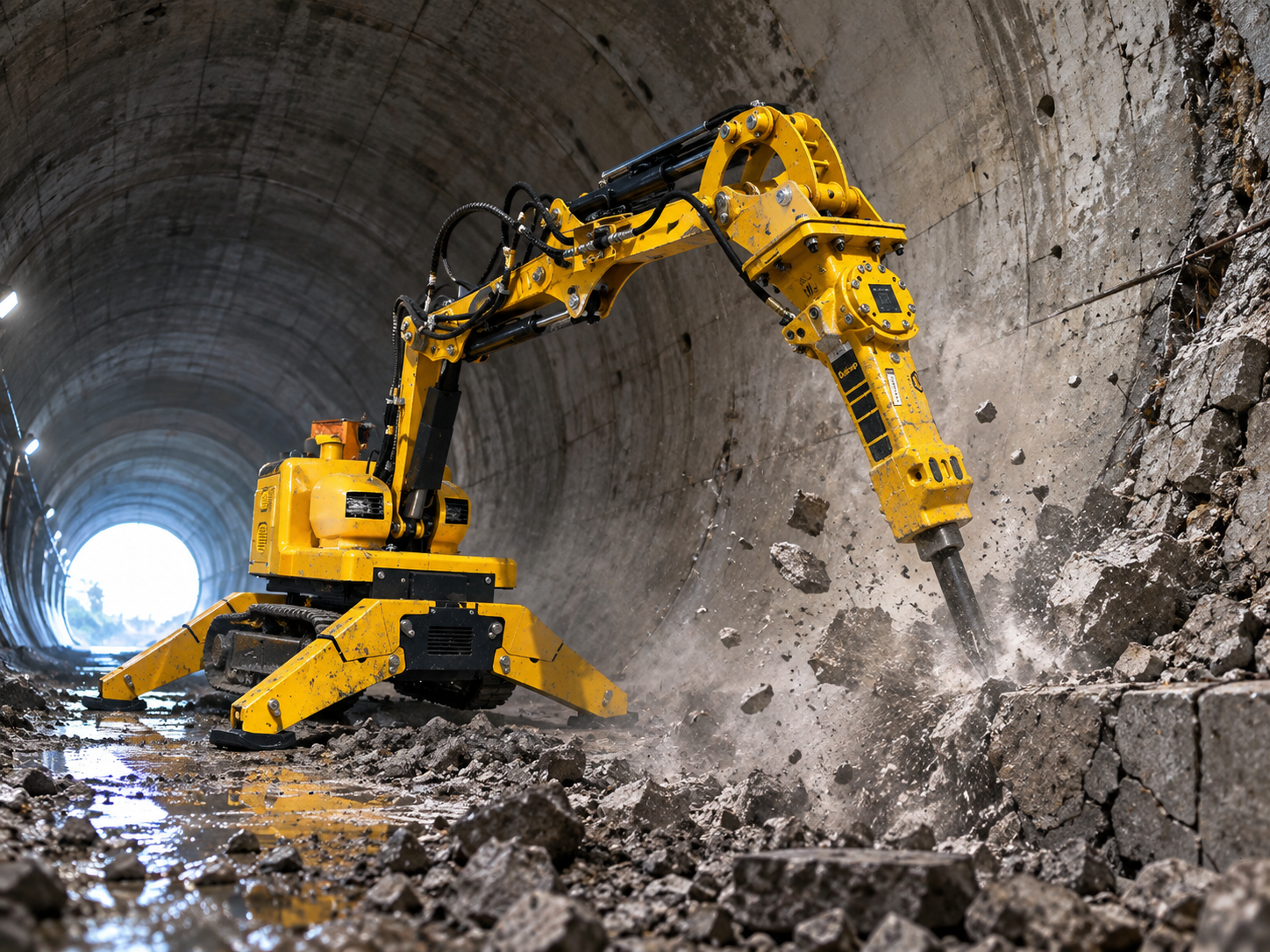
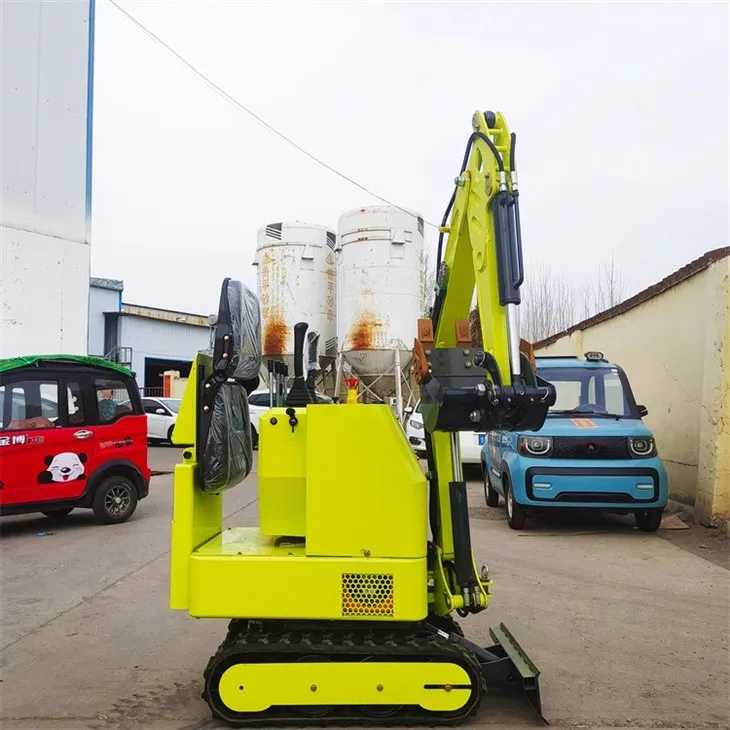
As a seasoned supplier of electric machines, I’ve witnessed firsthand the growing popularity and significance of these eco – friendly and efficient powerhouses in various industries. Electric machines, with their low emissions, quiet operation, and high energy efficiency, have become a staple in construction sites, warehouses, and many other workplaces. However, like any other equipment, they require regular maintenance to ensure optimal performance and longevity. In this blog, I’ll delve into the essential maintenance items for electric machines, sharing insights based on years of experience in the industry.
1. Electrical System Maintenance
The electrical system is the heart of an electric machine. It includes components such as the battery, motor, wiring, and control system.
Battery Maintenance
Batteries are crucial for the operation of electric machines. For example, in our Lithium Battery Power Mini Excavator, the lithium – ion battery provides the necessary power. To maintain the battery:
Charge Regularly: Avoid over – discharging the battery. Most modern electric machines come with a battery management system (BMS) that helps prevent over – discharge, but it’s still important to follow the manufacturer’s charging guidelines. Charge the battery after each use or when the charge level drops to a certain percentage.
Keep it Clean: Dirt and debris on the battery terminals can cause poor electrical connections. Regularly clean the battery terminals with a dry cloth and ensure they are free from corrosion. If corrosion is present, a mixture of baking soda and water can be used to clean it, followed by rinsing with clean water and drying thoroughly.
Store Properly: If the machine is not going to be used for an extended period, store the battery in a cool, dry place. For lithium – ion batteries, it’s recommended to store them at a partial charge (around 50 – 60%) to prolong their lifespan.
Motor Maintenance
The motor is responsible for converting electrical energy into mechanical energy. Here’s how to maintain it:
Check for Overheating: Overheating can damage the motor windings and reduce its efficiency. Monitor the motor temperature during operation. If the motor gets too hot, stop the machine and allow it to cool down. Check for any blockages in the cooling system, such as clogged air vents.
Lubrication: Some electric motors have bearings that require lubrication. Refer to the machine’s manual to determine if lubrication is necessary and the type of lubricant to use. Over – lubrication can also be a problem, so follow the recommended lubrication intervals and amounts.
Inspect the Windings: Periodically inspect the motor windings for signs of damage, such as frayed wires or short circuits. A visual inspection can often detect obvious problems, but for more in – depth testing, specialized equipment may be required.
Wiring and Control System Maintenance
The wiring and control system ensure the proper flow of electricity and the correct operation of the machine.
Visual Inspection: Regularly inspect the wiring for any signs of wear, damage, or loose connections. Look for frayed wires, cracked insulation, or loose terminals. Tighten any loose connections and replace damaged wiring immediately.
Function Testing: Test the control system to ensure that all functions of the machine are working correctly. This includes checking the switches, sensors, and control panels. If any malfunctions are detected, troubleshoot the problem and replace faulty components as needed.
2. Mechanical System Maintenance
The mechanical system of an electric machine includes components such as the gears, belts, chains, and hydraulic system (if applicable).
Gear and Belt Maintenance
Gears and belts are responsible for transmitting power from the motor to the various parts of the machine.
Tension Adjustment: Check the tension of the belts regularly. A loose belt can slip, reducing the efficiency of the machine, while an overly tight belt can cause excessive wear on the bearings and other components. Refer to the machine’s manual for the correct belt tension and use a tension gauge to make adjustments if necessary.
Lubrication: Some gears require lubrication to reduce friction and wear. Use the recommended type of lubricant and apply it at the specified intervals. Clean the gears before lubrication to remove any dirt or debris.
Inspect for Wear: Look for signs of wear on the gears and belts, such as teeth damage on gears or cracks and fraying on belts. Replace worn – out components promptly to prevent further damage to the machine.
Chain Maintenance
If the machine has a chain drive system, follow these maintenance steps:
Cleaning: Chains can accumulate dirt, grease, and debris during operation. Clean the chain regularly using a chain cleaner or a mild detergent and a brush. Rinse it thoroughly and dry it before re – applying lubricant.
Lubrication: Apply a suitable chain lubricant to reduce friction and prevent corrosion. Make sure to lubricate all parts of the chain, including the links and rollers.
Tension Adjustment: Similar to belts, chains need to be properly tensioned. Check the chain tension regularly and adjust it according to the manufacturer’s specifications.
Hydraulic System Maintenance (if applicable)
Some electric machines, like our Mini Excavator for Indoor Use, may have a hydraulic system.
Fluid Level Check: Regularly check the hydraulic fluid level in the reservoir. Low fluid levels can cause the hydraulic pump to overheat and damage the system. If the fluid level is low, add the recommended type of hydraulic fluid.
Fluid Replacement: Over time, the hydraulic fluid can become contaminated with dirt, water, and other impurities. Replace the hydraulic fluid at the recommended intervals to maintain the performance of the hydraulic system.
Filter Replacement: The hydraulic filter helps remove contaminants from the fluid. Replace the filter regularly to ensure that the fluid remains clean and the system operates smoothly.
3. Structural and Body Maintenance
The structure and body of the electric machine play an important role in protecting the internal components and providing stability.
Frame and Chassis Inspection
Visual Inspection: Look for any signs of cracks, dents, or deformation in the frame and chassis. These can weaken the structure of the machine and pose a safety risk. If any damage is detected, have it repaired by a qualified technician.
Alignment Check: Ensure that the frame and chassis are properly aligned. Misalignment can cause uneven wear on the tires, tracks, and other components, and can also affect the machine’s performance.
Body Panel Maintenance
Cleaning: Keep the body panels clean to prevent the accumulation of dirt, mud, and other debris. Regular cleaning not only improves the appearance of the machine but also helps prevent corrosion.
Paint Inspection: Check the paint on the body panels for any signs of peeling or chipping. Exposed metal can rust over time, so touch up the paint as needed to protect the metal surface.
4. Safety Feature Maintenance
Safety features are essential for the well – being of the operators and the proper operation of the machine.
Emergency Stop Button
Function Testing: Regularly test the emergency stop button to ensure that it works properly. Press the button during a non – critical operation to verify that the machine stops immediately. If the button fails to work, replace it immediately.
Inspection: Inspect the emergency stop button for any signs of damage, such as cracks or loose connections. Make sure it is easily accessible and clearly marked.
Safety Guards
Inspection: Check the safety guards on the machine to ensure that they are in place and in good condition. Safety guards protect the operator from moving parts and other hazards. If a guard is damaged or missing, replace it before operating the machine.
Warning Labels
Check for Visibility: Ensure that all warning labels on the machine are visible and legible. Replace any faded or damaged labels to ensure that operators are aware of the potential hazards.
In conclusion, proper maintenance of electric machines is crucial for their performance, longevity, and safety. By following these maintenance items, you can ensure that your electric machine operates at its best and reduces the risk of breakdowns and costly repairs. If you’re in the market for high – quality electric machines, such as our Electric Mini Digger, or need more information about maintenance, don’t hesitate to contact us for procurement and further discussions. We’re here to provide you with the best solutions for your electric machine needs.
References
Manufacturer’s manuals of various electric machines
Industry best practices for electric machine maintenance
Technical literature on electrical and mechanical engineering related to electric machines