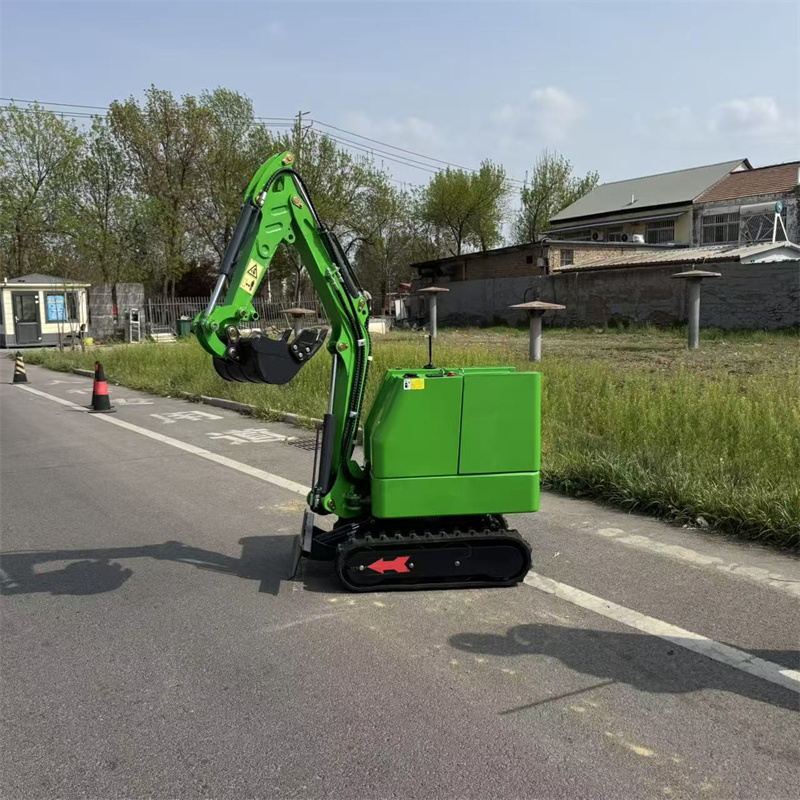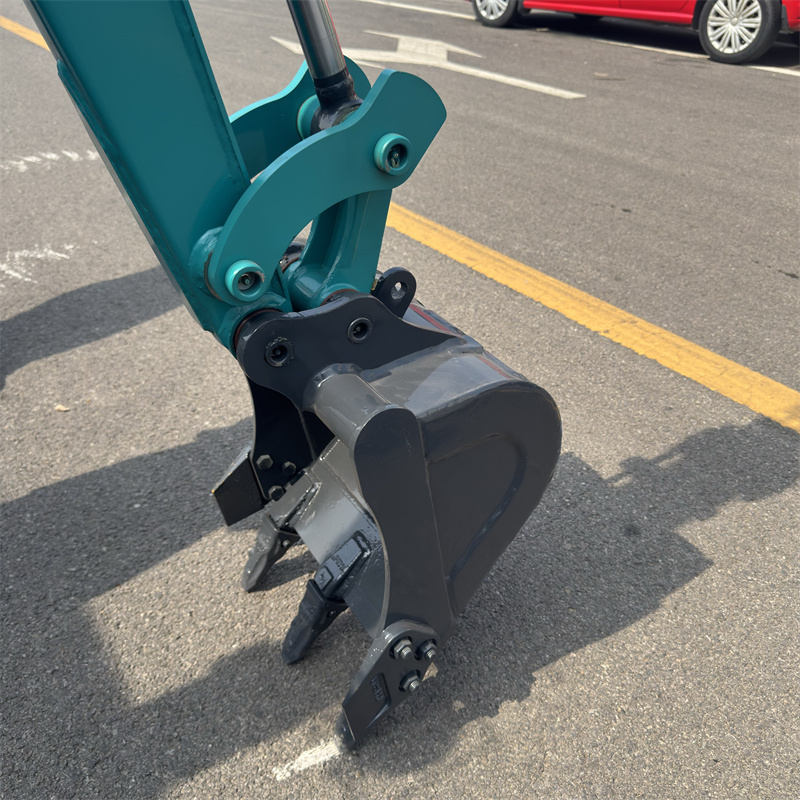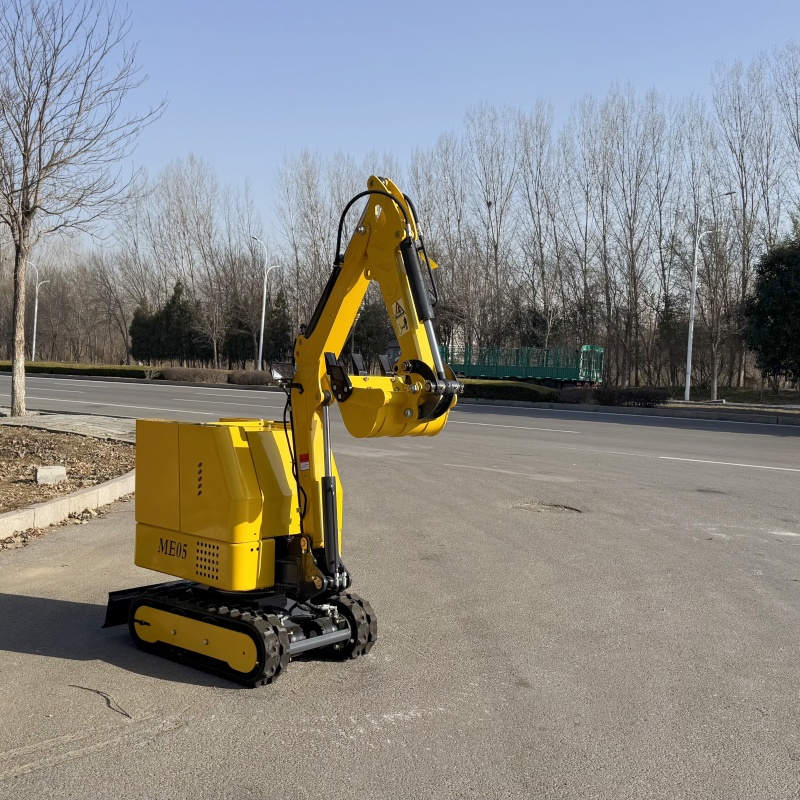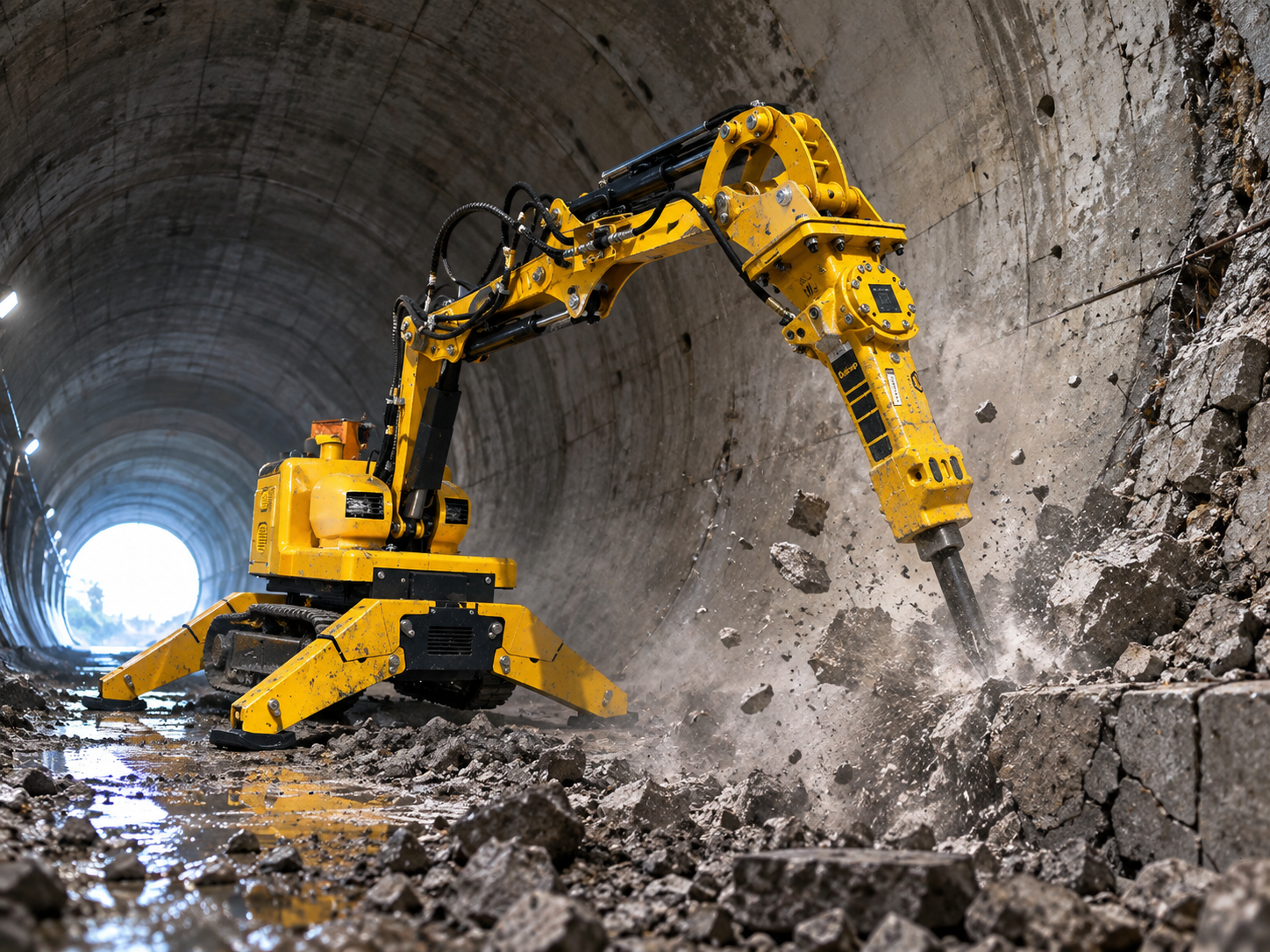
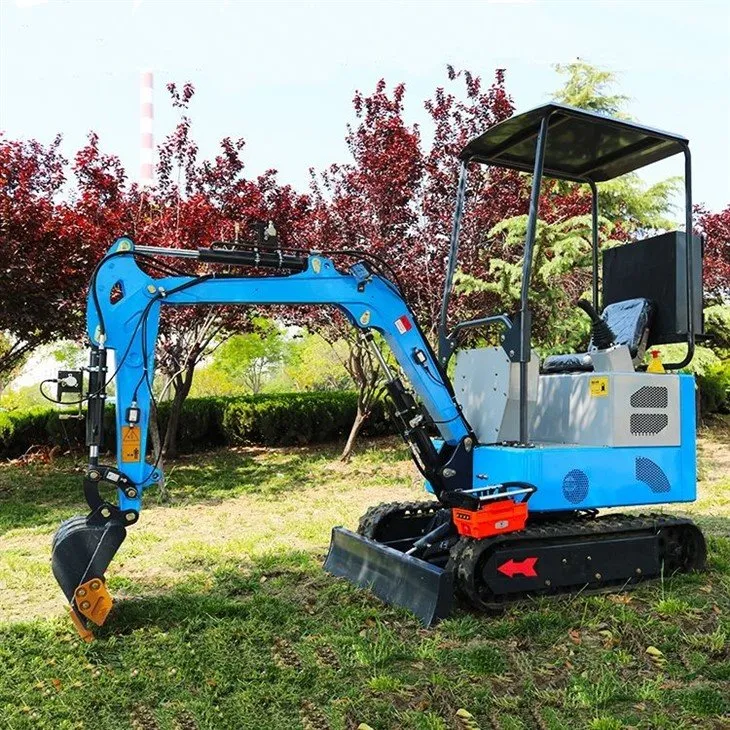
As a supplier specializing in mini excavator digging equipment, I’ve witnessed firsthand the diverse applications and challenges that come with operating these versatile machines. One particular scenario that demands careful consideration is using a mini excavator for digging in wet conditions. While mini excavators are designed to handle a variety of terrains and tasks, wet environments introduce a unique set of potential risks that operators and project managers need to be aware of. In this blog post, I’ll delve into these risks and offer insights on how to mitigate them effectively.
1. Reduced Traction and Stability
One of the most significant risks of using a mini excavator in wet conditions is the reduced traction and stability. When the ground is wet, the surface becomes slippery, making it difficult for the excavator’s tracks or wheels to maintain a firm grip. This can lead to the machine sliding or tipping over, especially when operating on slopes or uneven terrain.
The reduced traction not only affects the safety of the operator but also the efficiency of the digging process. The excavator may struggle to move forward or backward, and the operator may have difficulty controlling the direction of the machine. This can result in longer digging times, increased fuel consumption, and potential damage to the equipment.
To mitigate this risk, it’s essential to choose the right type of mini excavator for the job. For wet conditions, a Crawler Electric Excavator is often a better choice than a wheeled excavator. Crawler excavators have a larger contact area with the ground, which provides better traction and stability. Additionally, operators should reduce the speed of the machine and avoid sudden movements to minimize the risk of slipping.
2. Hydraulic System Malfunctions
Another potential risk of using a mini excavator in wet conditions is hydraulic system malfunctions. The hydraulic system is responsible for powering the excavator’s movements, including the boom, arm, and bucket. When water enters the hydraulic system, it can cause corrosion, damage to seals and hoses, and reduced performance.
Water can enter the hydraulic system through various means, such as leaks in the system, improper maintenance, or exposure to heavy rain or flooding. Once water is present in the hydraulic system, it can mix with the hydraulic fluid, causing it to break down and lose its lubricating properties. This can lead to increased friction and wear on the system’s components, resulting in reduced efficiency and potential breakdowns.
To prevent hydraulic system malfunctions, it’s crucial to keep the excavator’s hydraulic system dry. Operators should regularly inspect the system for leaks and ensure that all seals and hoses are in good condition. Additionally, the hydraulic fluid should be changed regularly according to the manufacturer’s recommendations to remove any contaminants that may have entered the system.
3. Electrical System Damage
In addition to hydraulic system malfunctions, wet conditions can also cause damage to the mini excavator’s electrical system. The electrical system is responsible for powering the machine’s lights, controls, and other electronic components. When water comes into contact with the electrical system, it can cause short circuits, corrosion, and damage to the wiring.
Water can enter the electrical system through various means, such as leaks in the cab, exposure to heavy rain or flooding, or improper installation of electrical components. Once water is present in the electrical system, it can cause the components to malfunction or fail, resulting in reduced performance and potential safety hazards.
To prevent electrical system damage, it’s essential to keep the excavator’s cab and electrical components dry. Operators should ensure that all doors and windows are properly sealed to prevent water from entering the cab. Additionally, the electrical system should be regularly inspected for signs of damage or corrosion, and any faulty components should be replaced immediately.
4. Increased Wear and Tear on Components
Using a mini excavator in wet conditions can also lead to increased wear and tear on the machine’s components. The wet ground can cause the tracks or wheels to wear down more quickly, and the constant exposure to moisture can cause corrosion and rust on the machine’s metal parts.
The increased wear and tear on the components not only reduces the lifespan of the equipment but also increases the maintenance costs. Operators may need to replace the tracks or wheels more frequently, and the machine may require more frequent repairs and maintenance to keep it in good working condition.
To minimize the wear and tear on the components, it’s important to clean the excavator thoroughly after each use in wet conditions. Operators should remove any dirt, mud, or debris from the tracks or wheels, and the machine should be washed down with clean water to remove any moisture. Additionally, the excavator should be stored in a dry place when not in use to prevent corrosion and rust.
5. Safety Hazards for Operators
Finally, using a mini excavator in wet conditions can pose significant safety hazards for the operators. The reduced traction and stability of the machine can increase the risk of accidents, such as tipping over or sliding into obstacles. Additionally, the wet conditions can make the cab slippery, increasing the risk of falls and injuries.
To ensure the safety of the operators, it’s essential to provide them with proper training and safety equipment. Operators should be trained on how to operate the mini excavator safely in wet conditions, including how to maintain traction and stability, how to prevent hydraulic and electrical system malfunctions, and how to respond to emergencies. Additionally, operators should be provided with appropriate safety equipment, such as non-slip boots, rain gear, and safety harnesses.
Conclusion
In conclusion, using a mini excavator for digging in wet conditions introduces a unique set of potential risks that operators and project managers need to be aware of. These risks include reduced traction and stability, hydraulic system malfunctions, electrical system damage, increased wear and tear on components, and safety hazards for operators. By understanding these risks and taking appropriate measures to mitigate them, operators can ensure the safe and efficient operation of the mini excavator in wet conditions.
If you’re in the market for a mini excavator, I recommend considering our Plug-in Mini Excavator 1.5 Ton or 1.5 Ton Mini Excavator. These machines are designed to handle a variety of terrains and tasks, including wet conditions, and they offer excellent performance and reliability. If you have any questions or would like to discuss your specific needs, please don’t hesitate to contact us. We’ll be happy to assist you in finding the right mini excavator for your project.
References
Manufacturer’s manuals for mini excavators
Industry standards and guidelines for operating heavy equipment in wet conditions
Research studies on the effects of wet conditions on heavy equipment performance and safety