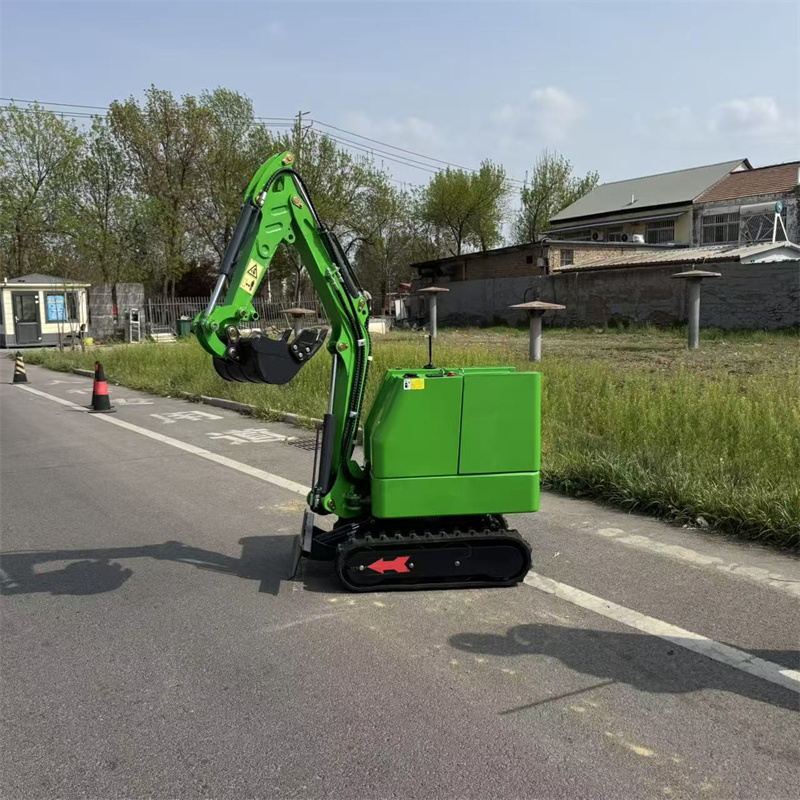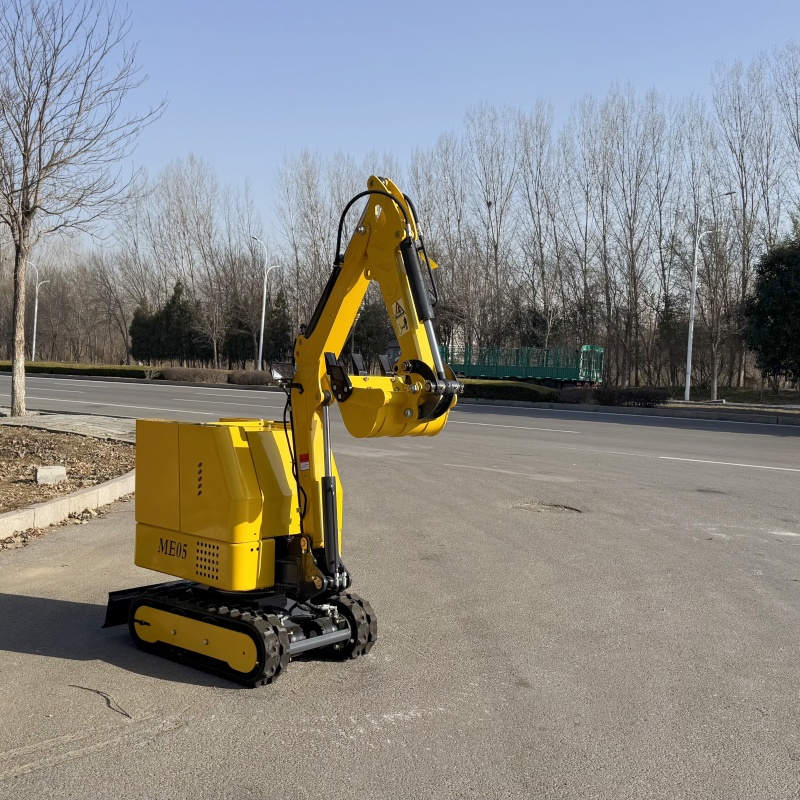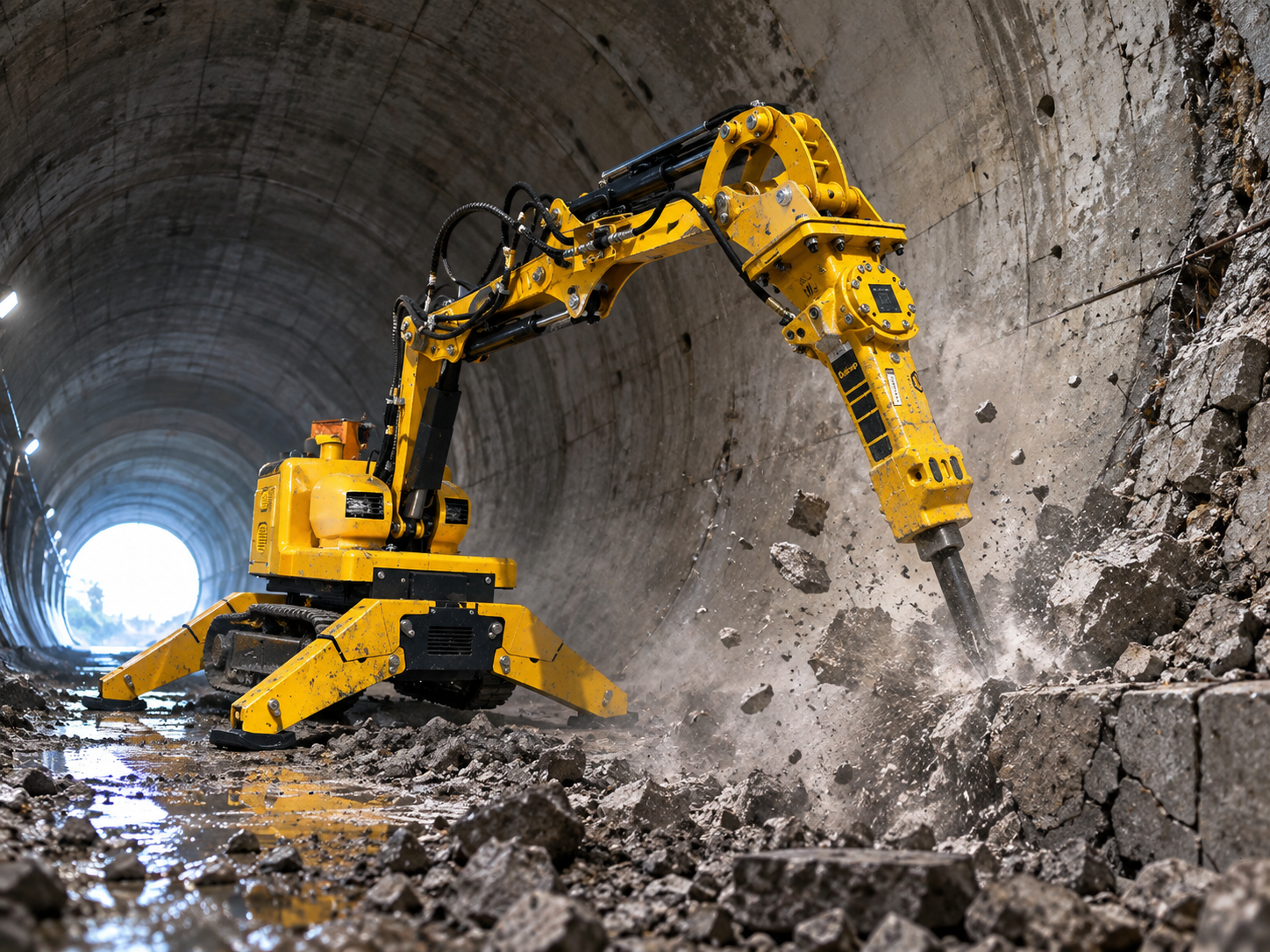
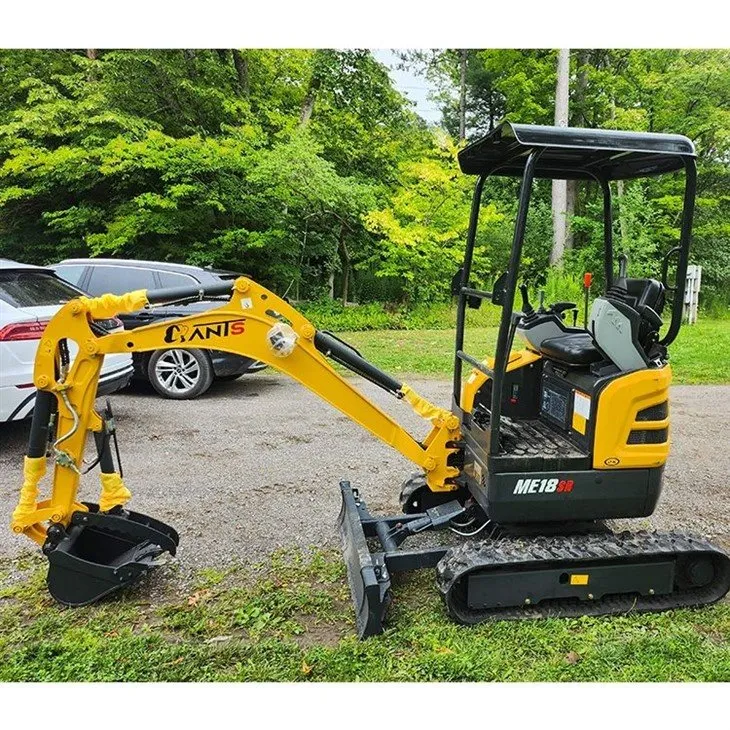
As a supplier of 1.8 Ton Excavators, I’ve witnessed firsthand the importance of early detection of engine problems in these powerful machines. A well – maintained engine is the heart of a 1.8 Ton Excavator, ensuring smooth operation and maximum productivity on construction sites. In this blog, I’ll share some key signs that indicate potential engine issues in a 1.8 Ton Excavator.
Unusual Noises
One of the most obvious signs of engine problems is the presence of unusual noises. A healthy engine should operate with a relatively consistent and smooth sound. If you start hearing knocking, rattling, or hissing noises, it’s a red flag.
Knocking sounds often indicate issues with the engine’s internal components, such as worn – out bearings or pistons. The knocking occurs when these parts are not functioning properly and start hitting against each other. Rattling noises can be a sign of loose components, like a loose belt or a vibrating bracket. Hissing sounds may suggest a leak in the engine’s intake or exhaust system, which can lead to a loss of power and efficiency.
For example, if you’re operating our 1.8 Ton Excavator and suddenly hear a loud knocking noise, it’s crucial to stop the machine immediately and have it inspected. Continuing to operate the excavator with a knocking engine can cause severe damage and lead to costly repairs.
Decreased Power and Performance
A significant drop in the excavator’s power and performance is another tell – tale sign of engine problems. If you notice that the excavator is struggling to lift heavy loads, has a slower digging speed, or takes longer to reach its maximum speed, the engine may be underperforming.
There are several reasons for decreased power. It could be due to a clogged air filter, which restricts the amount of air entering the engine and affects the combustion process. A dirty fuel filter can also cause problems by preventing the proper flow of fuel to the engine. Additionally, issues with the engine’s fuel injection system, such as a faulty injector, can lead to incomplete combustion and a loss of power.
When you experience a decrease in power while using our Mini Hydraulic Excavator, it’s important to check the filters first. Replacing a clogged air or fuel filter is often a simple and cost – effective solution that can restore the engine’s performance.
Excessive Exhaust Smoke
The color and amount of exhaust smoke can provide valuable clues about the engine’s condition. Normal exhaust smoke from a healthy engine should be almost invisible or have a very light gray color. However, if you notice excessive smoke, especially of a different color, it’s a sign of trouble.
Black smoke usually indicates an issue with the fuel – air mixture. It means that there is too much fuel being burned relative to the amount of air, which can be caused by a clogged air filter, a malfunctioning fuel injector, or a problem with the engine’s turbocharger. Blue smoke is a sign of oil burning in the engine. This could be due to worn piston rings, valve seals, or other internal engine components that are allowing oil to enter the combustion chamber. White smoke may suggest a coolant leak into the combustion chamber, which can be caused by a blown head gasket or a cracked cylinder head.
If you see abnormal exhaust smoke coming from our Mini Crawler Excavator, it’s essential to address the issue promptly. Ignoring the problem can lead to further damage to the engine and other components.
High Engine Temperature
An overheating engine is a serious problem that can cause significant damage if not addressed quickly. The engine’s cooling system is designed to maintain a proper operating temperature, but if it fails, the engine can overheat.
There are several reasons for high engine temperature. A low coolant level is a common cause, which can be due to a leak in the cooling system. A malfunctioning thermostat can also prevent the coolant from flowing properly through the engine, leading to overheating. Additionally, a clogged radiator or a faulty water pump can reduce the cooling system’s efficiency.
When the temperature gauge on your 1.8 Ton Excavator starts to rise above the normal range, stop the machine immediately and let it cool down. Check the coolant level and look for any signs of leaks. If the problem persists, it’s best to have a professional mechanic inspect the cooling system.
Difficulty Starting the Engine
If you’re having trouble starting the 1.8 Ton Excavator, it could be a sign of an engine problem. There are several possible causes for starting difficulties. A weak battery is a common culprit, especially if the battery is old or not properly charged. However, if the battery is in good condition, the problem may lie with the starter motor, the ignition system, or the fuel system.
A faulty starter motor may not be able to turn the engine over, while a problem with the ignition system can prevent the spark plugs from firing correctly. Issues with the fuel system, such as a clogged fuel line or a malfunctioning fuel pump, can also make it difficult to start the engine.
If you experience starting problems with our excavators, start by checking the battery connections and the battery charge. If that doesn’t solve the problem, it’s advisable to seek professional help to diagnose and fix the issue.
Increased Fuel Consumption
A sudden increase in fuel consumption is another sign that something may be wrong with the engine. If you notice that your 1.8 Ton Excavator is using more fuel than usual, it could be due to a variety of factors.
As mentioned earlier, a clogged air filter or a faulty fuel injection system can cause incomplete combustion, which means that more fuel is being burned to produce the same amount of power. Additionally, engine misfires, worn – out spark plugs, or a malfunctioning oxygen sensor can also lead to increased fuel consumption.
Monitoring your excavator’s fuel consumption regularly can help you detect engine problems early. If you notice a significant increase in fuel usage, have the engine inspected to identify and address the underlying issue.
Oil Leaks
Oil leaks are not only a sign of a messy engine but also an indication of potential problems. Oil leaks can occur from various parts of the engine, such as the oil pan, the valve cover gasket, or the oil filter.
A small oil leak may not seem like a big deal at first, but over time, it can lead to a low oil level, which can cause serious damage to the engine. Low oil levels can result in insufficient lubrication, increased friction, and overheating.
If you notice oil stains under your 1.8 Ton Excavator or see oil dripping from the engine, it’s important to locate the source of the leak and have it repaired as soon as possible.
Conclusion
In conclusion, being aware of the signs of engine problems in a 1.8 Ton Excavator is crucial for maintaining the machine’s performance and longevity. By paying attention to unusual noises, decreased power, excessive exhaust smoke, high engine temperature, difficulty starting, increased fuel consumption, and oil leaks, you can detect potential issues early and take appropriate action.
As a supplier of high – quality 1.8 Ton Excavators, we are committed to providing our customers with reliable machines and excellent after – sales service. If you notice any of the above signs in your excavator, don’t hesitate to contact us for professional advice and assistance. We can help you diagnose the problem and recommend the best course of action, whether it’s a simple repair or a more comprehensive maintenance service.
If you’re in the market for a new 1.8 Ton Excavator or need to replace your existing one, we invite you to explore our range of 1.8 Ton Excavators, Mini Crawler Excavators, and Mini Hydraulic Excavators. Our team is ready to assist you in finding the perfect excavator for your needs and can also provide you with detailed information on our products and services. Reach out to us to start a discussion about your procurement requirements and let’s work together to get the best excavator solution for your projects.
References
“Excavator Maintenance Manual”, Industry Standard Publications
“Engine Troubleshooting Guide”, Heavy Equipment Manufacturers Association