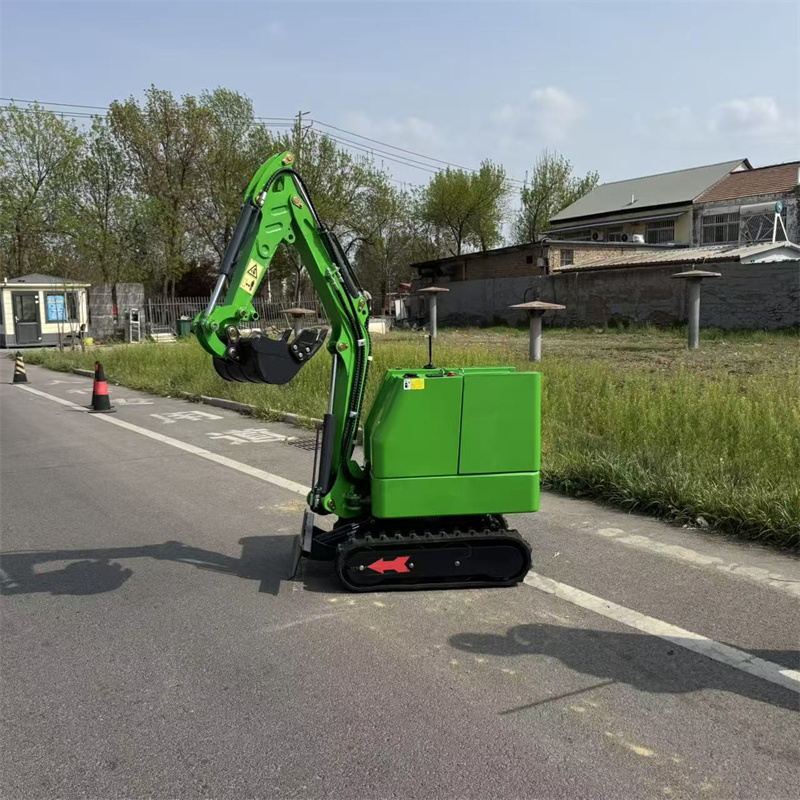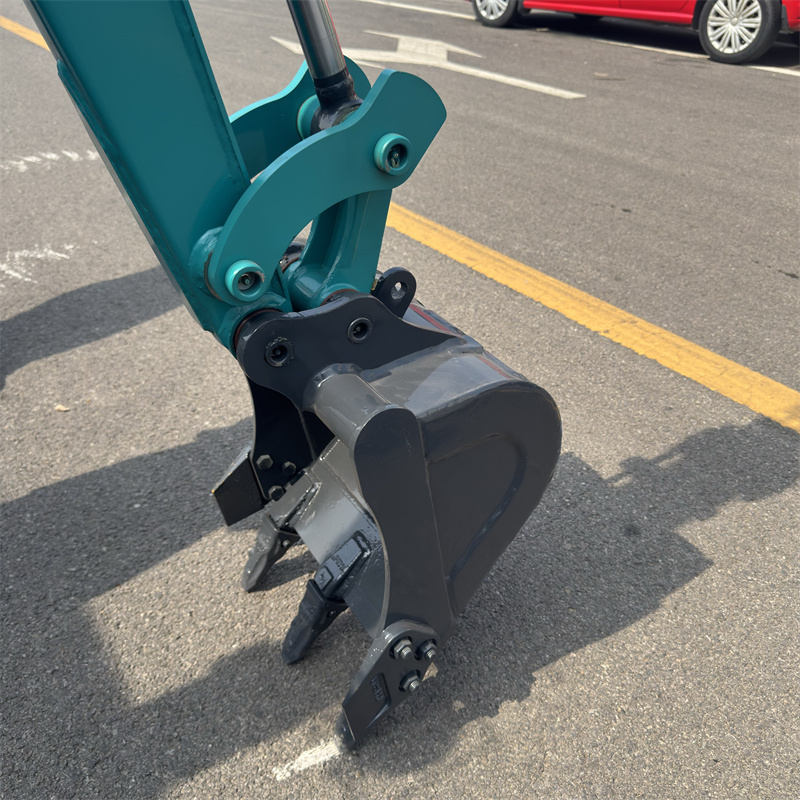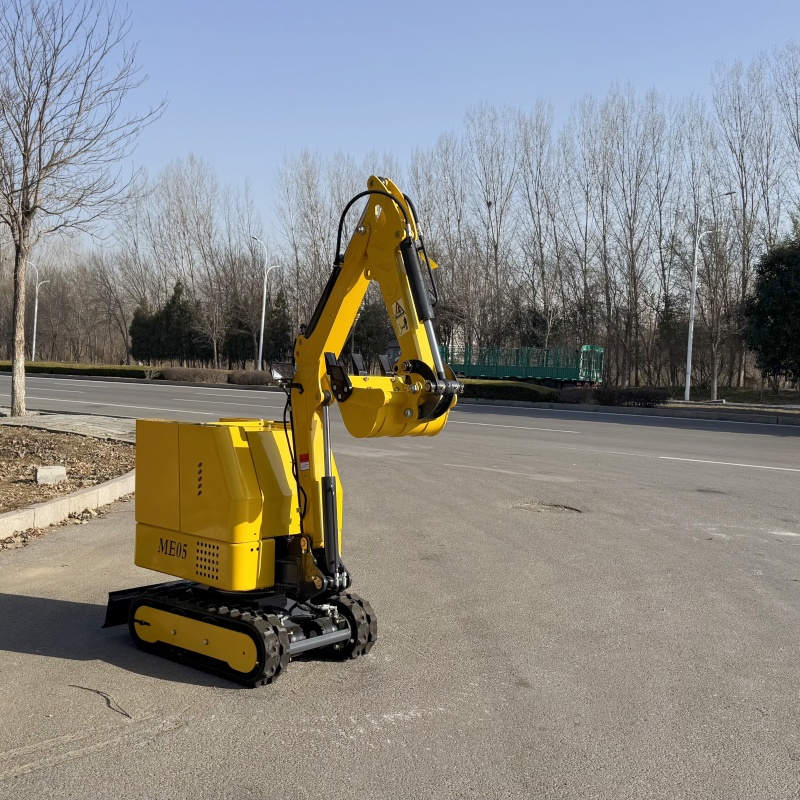
Hey there! As a supplier of 1 – ton mini excavators, I’ve seen firsthand how different soil types can have a huge impact on the performance of these nifty little machines. In this blog, I’m gonna break down the effects of various soil types on a 1 – ton mini excavator and give you some insights that’ll help you make the most of your equipment.
Sandy Soil
Sandy soil is one of the more common soil types out there. It’s made up of large particles that don’t stick together very well. When it comes to a 1 – ton mini excavator working in sandy soil, there are both pros and cons.
On the plus side, the loose nature of sandy soil means that the excavator’s bucket can penetrate it easily. You won’t have to put in as much force to dig, which can save on fuel and wear and tear on the machine. The mini excavator can move through sandy soil relatively quickly, making it great for projects where you need to cover a lot of ground fast.
However, there are also some drawbacks. Sandy soil doesn’t provide much support, so the excavator may sink a bit, especially if it’s carrying a heavy load. This can affect the stability of the machine and make it more difficult to operate precisely. Also, because the soil is so loose, it can be challenging to create well – defined trenches or holes. The sides of the excavation may collapse easily, which means you’ll have to take extra precautions. If you’re interested in a machine that can handle sandy soil jobs, check out our Excavator Machine Mini Digger.
Clay Soil
Clay soil is the complete opposite of sandy soil. It’s made up of very fine particles that stick together tightly. When a 1 – ton mini excavator is working in clay soil, it’s like a whole different ballgame.
Digging in clay soil is much more difficult than in sandy soil. The excavator has to work harder to break through the dense clay, which can put more stress on the engine and hydraulic system. You’ll notice that the machine may move more slowly, and the bucket may get clogged with clay. This can reduce the efficiency of the digging process and increase the time it takes to complete a project.
But there are some advantages too. Once you’ve managed to dig a hole or trench in clay soil, it tends to hold its shape well. This is great for projects where you need to create stable foundations or well – defined structures. Our Home Mini Excavator is designed to handle the challenges of clay soil, with a powerful engine and a well – designed bucket that can break through the tough stuff.
Loam Soil
Loam soil is often considered the ideal soil type for many construction and excavation projects. It’s a mixture of sand, silt, and clay, which gives it the best of both worlds.
A 1 – ton mini excavator performs really well in loam soil. It’s easy to dig through because of the sand content, but it also provides enough support for the machine to operate stably. The soil holds its shape moderately well, so you can create clean and well – defined excavations without too much hassle.
The machine doesn’t have to work as hard in loam soil compared to clay soil, which means less wear and tear and better fuel efficiency. If you’re looking for a machine that can handle loam soil projects with ease, our Compact RC Digger Swinging Arm is a great choice.
Rocky Soil
Rocky soil is a tough nut to crack for any excavator, including our 1 – ton mini excavator. The presence of rocks in the soil can cause a lot of problems.
First of all, the rocks can damage the excavator’s bucket. The sharp edges of the rocks can wear down the bucket teeth quickly, and in some cases, even cause cracks or breakages. The machine also has to work extremely hard to break through the rocks, which can put a lot of strain on the engine and hydraulic components.
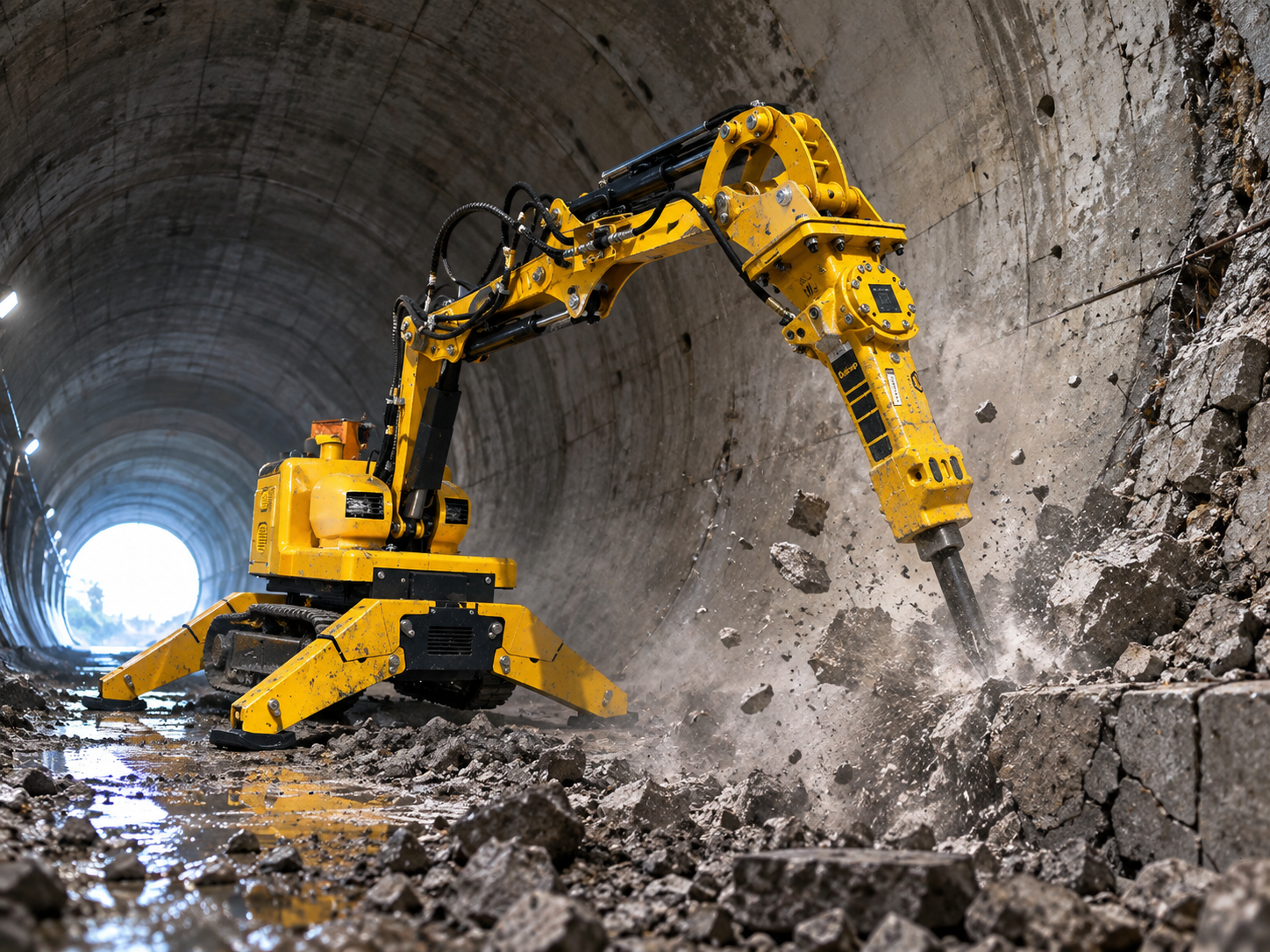
However, with the right attachments and a well – maintained machine, it’s still possible to work in rocky soil. Some 1 – ton mini excavators can be equipped with rock – breaking attachments, such as hydraulic hammers, to make the job easier. But you need to be aware that working in rocky soil will increase the cost of operation due to the need for more frequent maintenance and replacement of parts.
Peat Soil
Peat soil is a unique soil type that’s made up of decomposed organic matter. It’s very soft and spongy, and it can pose some challenges for a 1 – ton mini excavator.
The main issue with peat soil is its low bearing capacity. The excavator can easily sink into the peat, which can make it difficult to move around and operate. The soft nature of the soil also means that it can be hard to get a good grip with the tracks, which can lead to slippage.
However, peat soil is often found in areas where there are wetland or environmental projects. With some modifications, such as using wider tracks to distribute the weight of the machine more evenly, it’s possible to work in peat soil. But you need to approach these projects with caution to avoid getting the machine stuck.
How to Adapt Your 1 – Ton Mini Excavator for Different Soil Types
Now that we’ve looked at the effects of different soil types on a 1 – ton mini excavator, let’s talk about how you can adapt the machine to perform better in each situation.
Bucket Selection: For sandy soil, a wider bucket can be more efficient as it can scoop up more soil at once. In clay soil, a bucket with sharper teeth and a more aggressive design is needed to break through the dense material.
Tracks: In soft soils like peat or sandy soil, wider tracks can help distribute the weight of the machine and prevent it from sinking. In rocky soil, tracks with better traction and durability are essential.
Attachments: As mentioned earlier, for rocky soil, hydraulic hammers can be a great addition. For projects where you need to move large amounts of soil quickly, a loader attachment can be very useful.
Conclusion
As you can see, different soil types have a significant impact on the performance of a 1 – ton mini excavator. Understanding these effects and knowing how to adapt your machine can make a big difference in the efficiency and success of your projects. Whether you’re dealing with sandy soil, clay soil, loam soil, rocky soil, or peat soil, there’s a way to make your 1 – ton mini excavator work for you.
If you’re in the market for a 1 – ton mini excavator or need advice on how to choose the right machine for your specific soil conditions, don’t hesitate to reach out. We’re here to help you make the best decision and ensure that you get the most out of your investment. Let’s start a conversation about your project needs and find the perfect 1 – ton mini excavator for you.
References
Brady, M. (2018). Soil Mechanics for Civil Engineers. Wiley.
Das, B. M. (2016). Principles of Geotechnical Engineering. Cengage Learning.