As a supplier of electric machines, I often encounter questions about electromagnetic compatibility (EMC) in electric machines. This crucial aspect plays a significant role in the performance, reliability, and safety of electric equipment. In this blog post, I’ll delve into what electromagnetic compatibility of an electric machine is, why it matters, and how it impacts our products as an electric machine supplier.
What is Electromagnetic Compatibility?
Electromagnetic compatibility refers to the ability of an electrical or electronic device to operate in its intended electromagnetic environment without causing unacceptable electromagnetic interference (EMI) to other devices and without being affected by EMI from other sources. In simpler terms, it’s about ensuring that all electrical and electronic devices can coexist and function properly in the same electromagnetic space.
There are two main aspects of EMC: emissions and immunity.
Emissions: This involves the electromagnetic energy that a device radiates or conducts into the environment. Electric machines, due to their electrical circuits and moving parts, can generate electromagnetic fields. These emissions need to be controlled within specific limits to prevent interference with other devices. For example, if an electric machine emits excessive electromagnetic radiation, it could disrupt the operation of nearby radio communication systems, control devices, or other sensitive electronics.
Immunity: On the other hand, immunity refers to a device’s ability to withstand electromagnetic interference from external sources without experiencing performance degradation or malfunction. An electric machine should be designed to resist the effects of EMI from other equipment, power lines, or natural phenomena such as lightning. If an electric machine lacks sufficient immunity, it may experience glitches, errors, or even complete failure when exposed to EMI.
Why is EMC Important for Electric Machines?
The importance of EMC in electric machines cannot be overstated. Here are some key reasons:
Reliability: Ensuring proper EMC helps to improve the reliability of electric machines. By reducing the risk of interference from external sources and minimizing self – generated emissions, the machine is less likely to experience unexpected failures or malfunctions. This is especially critical in applications where continuous and stable operation is required, such as industrial manufacturing processes or electric vehicles.
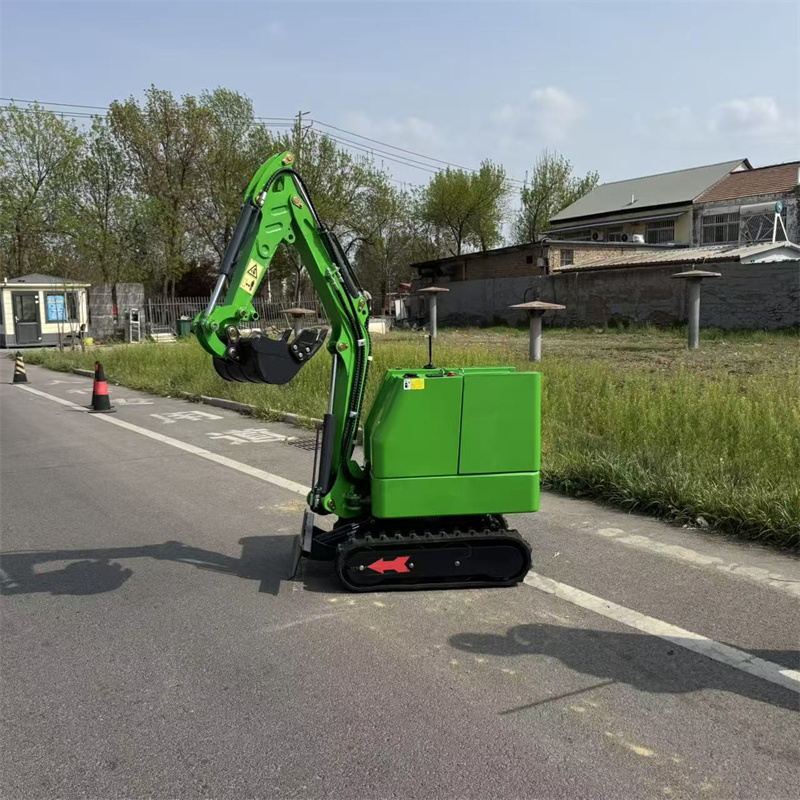
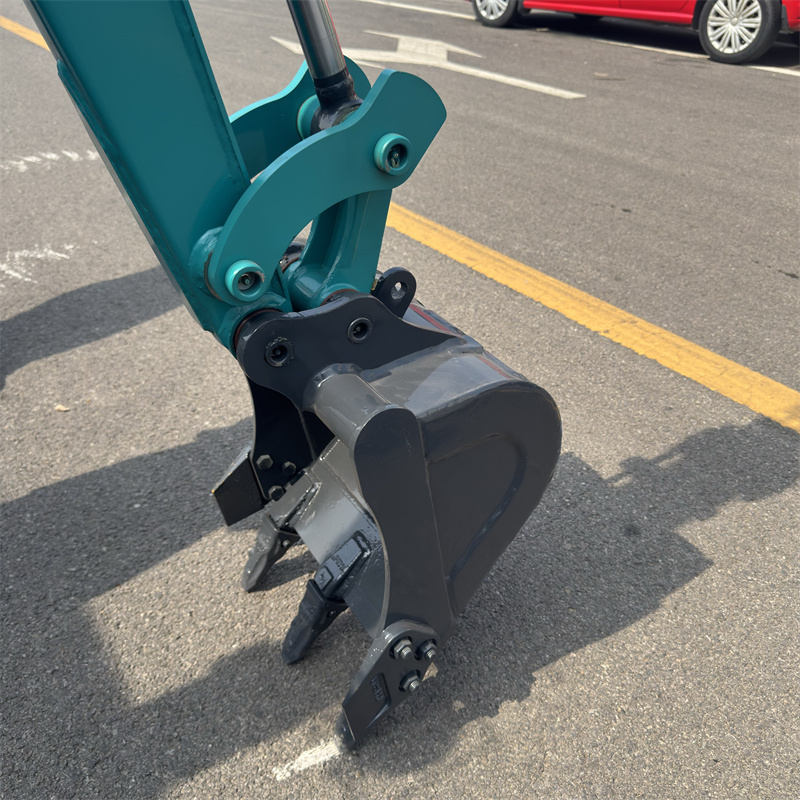
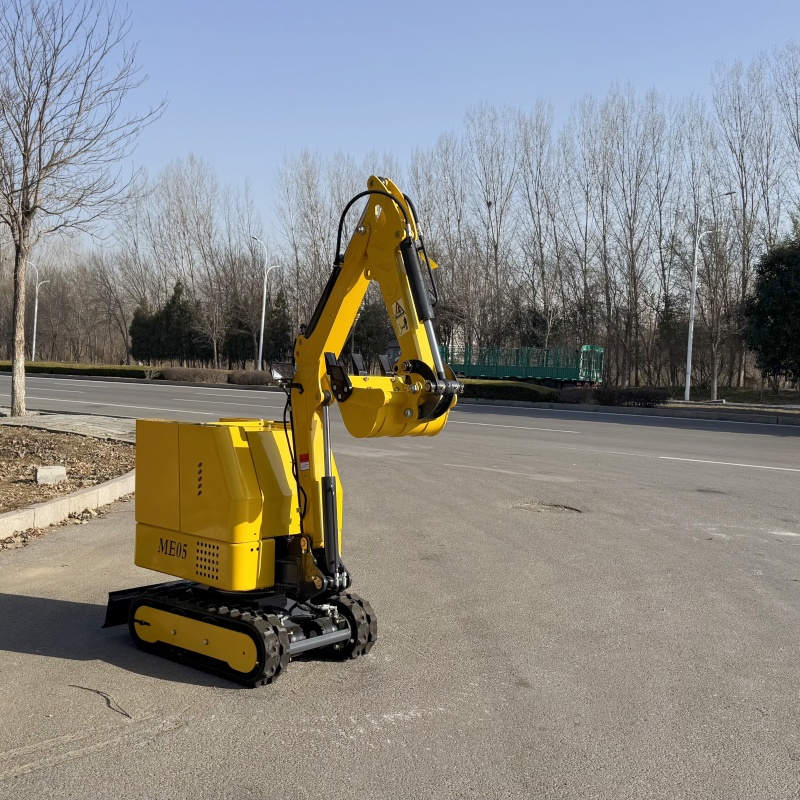
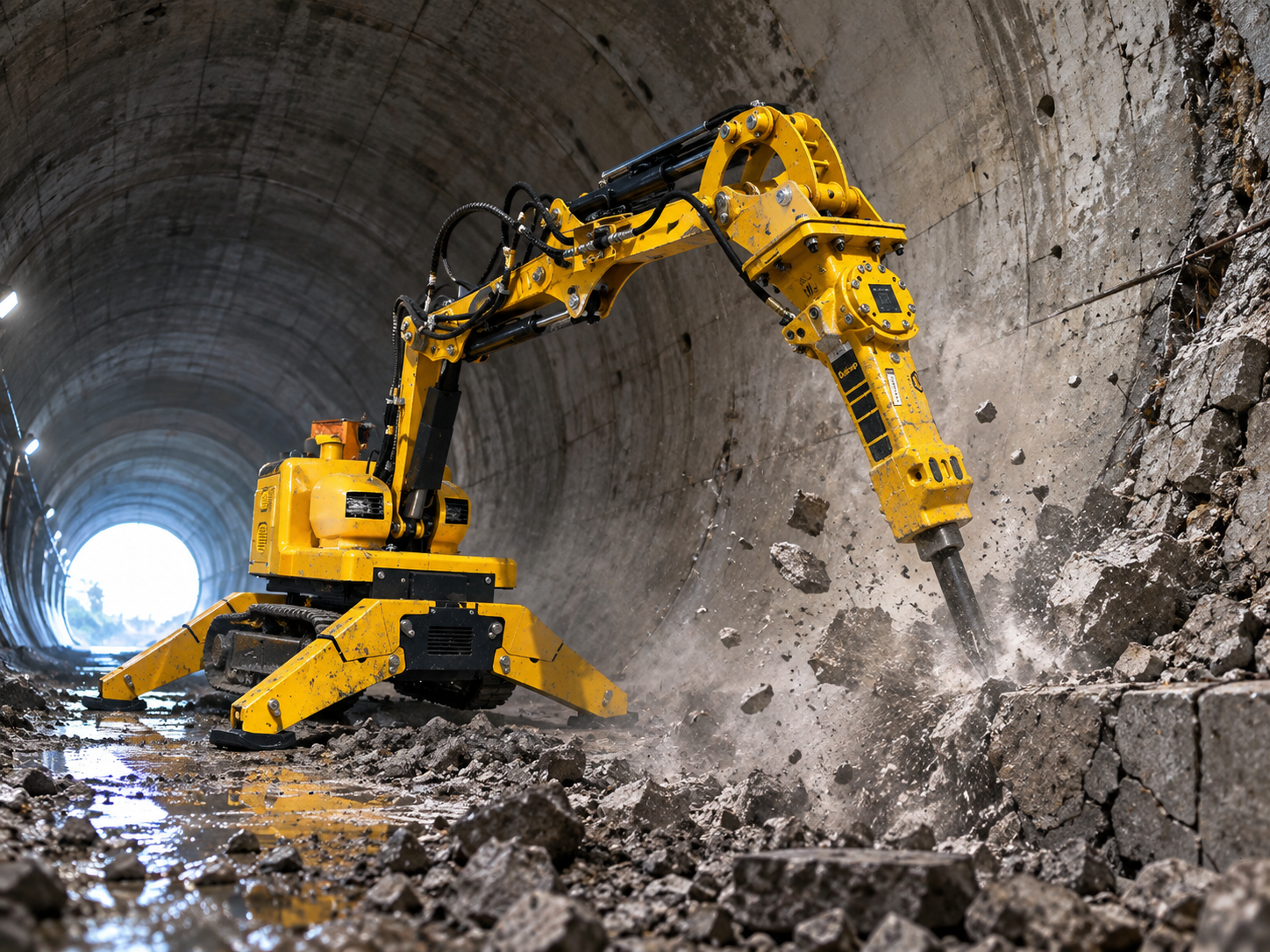
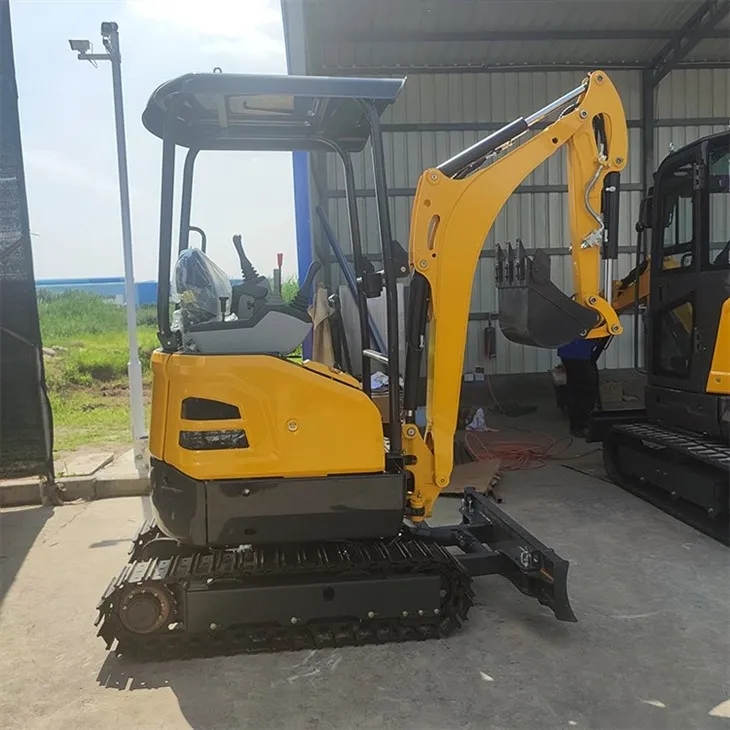
Safety: In many cases, electric machines are used in safety – critical applications. For example, in construction equipment like Lithium Battery Power Mini Excavator and Electric Crawler Excavator, any electromagnetic interference could potentially lead to incorrect operation, which may pose a serious threat to the safety of operators and bystanders. Proper EMC design helps to prevent such safety hazards.
Compliance: There are strict international and national standards for EMC. Electric machine manufacturers are required to ensure that their products meet these standards before they can be sold in the market. Non – compliance can result in significant fines, product recalls, and damage to the company’s reputation.
EMC Challenges in Electric Machines
Electric machines face several EMC challenges due to their unique characteristics.
Power Electronics: Modern electric machines often incorporate power electronics components such as inverters and converters. These components operate at high frequencies and can generate significant electromagnetic emissions. The switching action of power semiconductor devices in inverters, for example, can produce sharp voltage and current transients, which are major sources of EMI.
Motor Design: The design of the electric motor itself can also contribute to EMC issues. The rotating magnetic fields and electrical currents in the motor windings can generate electromagnetic fields. The presence of brushes in some types of motors can cause arcing, which is another source of electromagnetic radiation.
Cable Wiring: The cables used to connect different components of an electric machine can act as antennas, radiating electromagnetic energy. Improper cable routing, shielding, and termination can exacerbate the EMC problems.
How We Address EMC in Our Electric Machines
As an electric machine supplier, we take several measures to ensure the electromagnetic compatibility of our products:
Design Optimization: We start by optimizing the design of our electric machines at the early stages. This includes selecting appropriate components, such as low – EMI power electronics devices, and designing the circuit layout to minimize electromagnetic coupling. For example, we use shielding techniques to isolate sensitive components from sources of EMI.
Testing and Validation: We conduct comprehensive EMC testing on our products at various stages of development. We use specialized test equipment to measure the emissions and immunity of our electric machines. If any EMC issues are detected, we make the necessary adjustments to the design until the product meets the required standards.
Cable Management: We pay close attention to cable management. We use shielded cables and ensure proper grounding and termination to reduce the electromagnetic radiation from the cables. We also carefully plan the cable routing to avoid interference between different cables.
Impact of EMC on Our Product Range
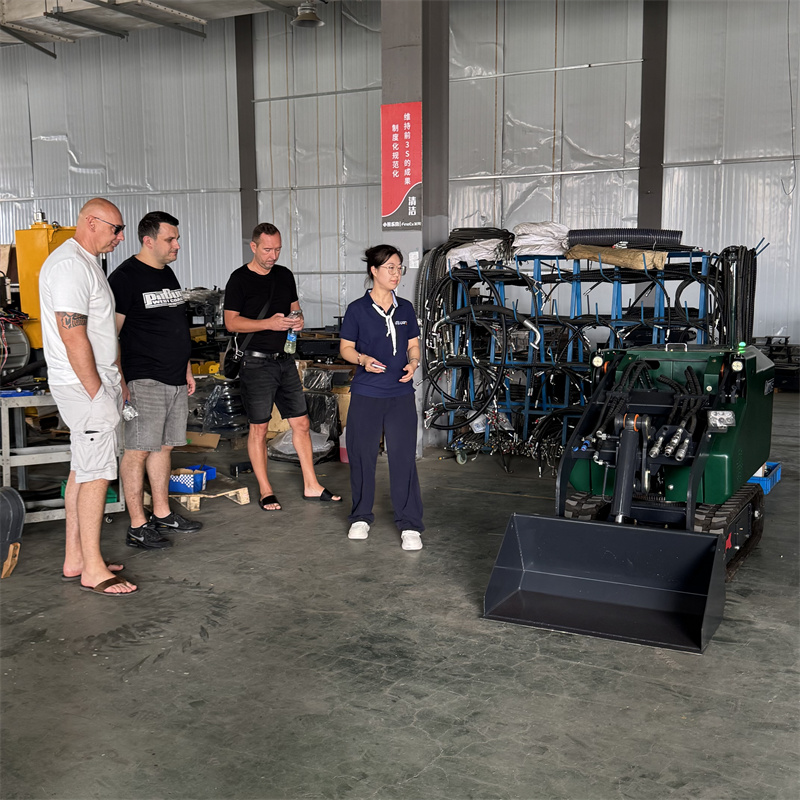
Our product range includes a variety of electric machines, such as Battery Mini Excavator, electric forklifts, and other industrial equipment. The proper management of EMC ensures that these products can operate effectively and safely in different environments.
For our battery – powered excavators, EMC is crucial for the reliable operation of the control systems. These systems are responsible for controlling the movement, digging, and lifting functions of the excavator. Any electromagnetic interference could lead to inaccurate control commands, which may result in inefficient operation or safety risks.
In the case of electric forklifts, EMC helps to prevent interference with on – board electronics, such as the battery management system and the display units. This ensures that the forklift operates smoothly and that the operator has access to accurate information.
Conclusion and Call to Action
Electromagnetic compatibility is a vital aspect of electric machine design and operation. As an electric machine supplier, we are committed to ensuring that our products meet the highest EMC standards. By managing EMC effectively, we can provide our customers with reliable, safe, and compliant electric machines.
If you are interested in our range of electric machines, whether it’s our Lithium Battery Power Mini Excavator, Electric Crawler Excavator, or Battery Mini Excavator, we invite you to contact us for more information and to discuss your specific requirements. We are ready to work with you to find the best electric machine solutions for your business.
References
Paul, Clayton R. “Introduction to Electromagnetic Compatibility.” Wiley, 2006.
International Electrotechnical Commission (IEC). Various standards related to electromagnetic compatibility.