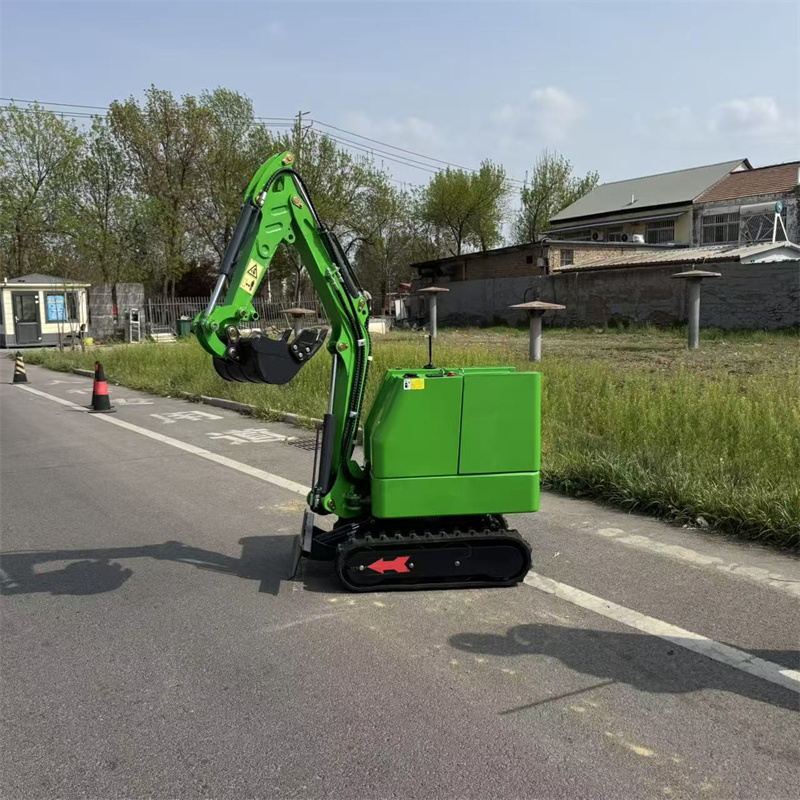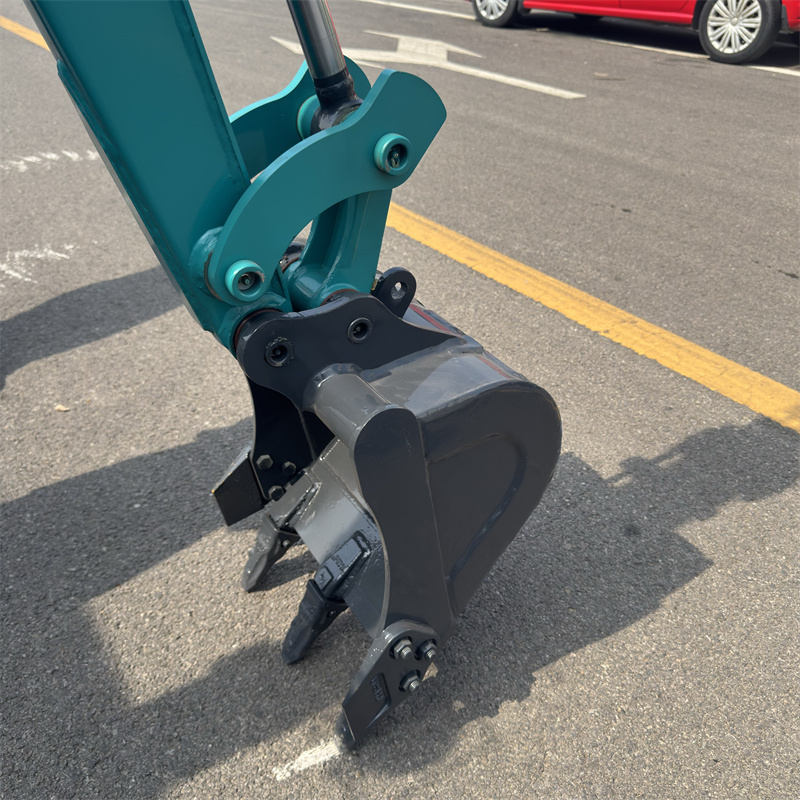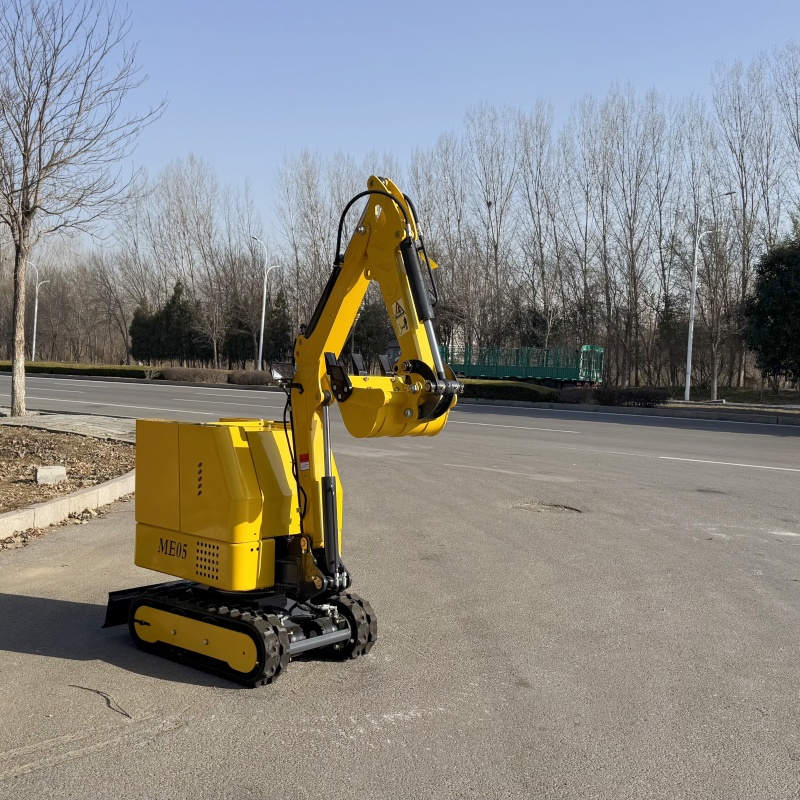
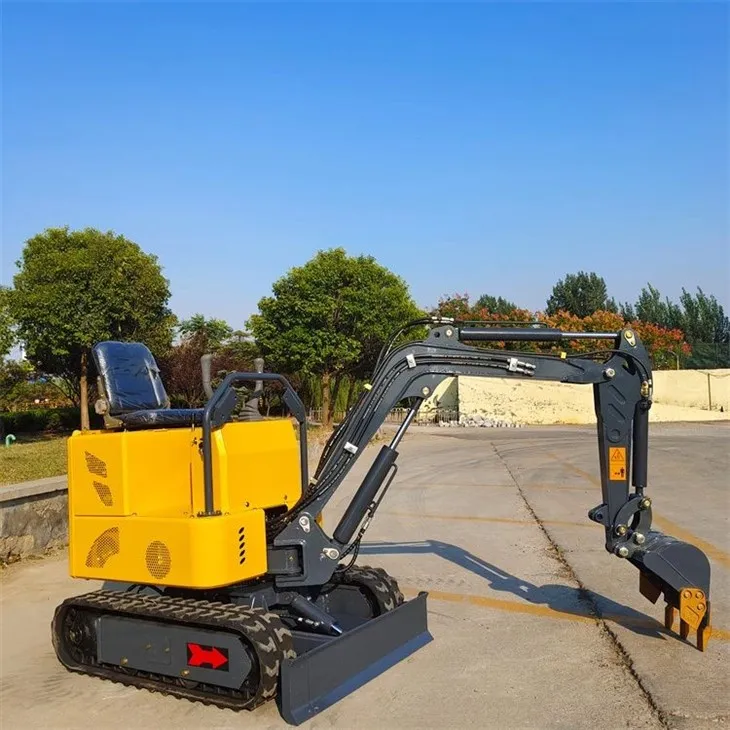
As a supplier of 1 – ton mini excavators, I often get asked about the maximum digging force of these compact yet powerful machines. In this blog, I’ll delve into the concept of digging force, what factors influence it in a 1 – ton mini excavator, and why it matters for your projects.
Understanding Digging Force
Digging force is a crucial metric when it comes to excavators. It refers to the maximum amount of force that the excavator’s bucket can exert during the digging process. This force is what allows the machine to break through soil, rocks, and other materials at a construction or excavation site. In simple terms, the higher the digging force, the more effectively the excavator can perform its tasks, whether it’s trenching, grading, or loading.
For a 1 – ton mini excavator, the digging force is typically measured in kilonewtons (kN). It’s important to note that there are two types of digging force: bucket digging force and arm digging force. Bucket digging force is the force applied by the bucket when it curls inwards to scoop up material, while arm digging force is the force exerted by the arm when it pulls the bucket towards the machine.
Factors Affecting the Maximum Digging Force of a 1 – Ton Mini Excavator
Hydraulic System
The hydraulic system is the heart of an excavator’s digging power. In a 1 – ton mini excavator, a well – designed hydraulic system can significantly increase the digging force. The hydraulic pump generates pressure, which is then transferred to the hydraulic cylinders that control the movement of the bucket and the arm. A high – pressure hydraulic pump can provide more force to the cylinders, resulting in a greater digging force. For example, some of our 1 ton Mini Compact Excavator models are equipped with advanced hydraulic systems that optimize the pressure distribution, ensuring maximum efficiency and digging force.
Machine Design
The design of the excavator also plays a vital role in determining its digging force. The length and strength of the arm and the bucket, as well as the pivot points, all affect how much force can be applied during digging. A shorter arm may provide more leverage and thus more digging force, but it may also limit the reach of the excavator. On the other hand, a longer arm offers greater reach but may sacrifice some digging force. Our engineers carefully balance these factors to design a 1 – ton mini excavator that offers an optimal combination of digging force and reach.
Engine Power
The engine of the excavator provides the power needed to operate the hydraulic system. A more powerful engine can drive the hydraulic pump more effectively, resulting in higher hydraulic pressure and greater digging force. Our Mini Excavator with Retractable Tracks models are powered by efficient engines that are specifically designed to meet the demands of the hydraulic system, ensuring consistent and powerful digging performance.
Typical Range of Maximum Digging Force for 1 – Ton Mini Excavators
The maximum digging force of a 1 – ton mini excavator can vary depending on the model and the manufacturer. Generally, the bucket digging force of a 1 – ton mini excavator ranges from about 4 kN to 8 kN, while the arm digging force can be in the range of 3 kN to 6 kN. However, these are just approximate values, and some high – performance models may have even higher digging forces.
Importance of Maximum Digging Force in Different Applications
Landscaping
In landscaping projects, a 1 – ton mini excavator with sufficient digging force is essential for tasks such as creating flower beds, digging ponds, and removing tree stumps. A higher digging force allows the excavator to break through compacted soil and large roots more easily, reducing the time and effort required for the job.
Construction
In construction, 1 – ton mini excavators are often used for small – scale digging and trenching. Whether it’s laying pipes or creating a foundation for a small structure, the digging force of the excavator determines how quickly and efficiently the work can be completed. A machine with a higher digging force can handle tougher soil conditions and larger volumes of material, increasing productivity on the construction site.
Utility Work
For utility work, such as installing underground cables or repairing sewer lines, a 1 – ton mini excavator’s digging force is crucial. The ability to dig through hard – packed soil and rock ensures that the excavation can be done accurately and safely, minimizing disruptions to the surrounding area.
How Our 1 – Ton Mini Excavators Stand Out in Terms of Digging Force
As a supplier, we take pride in offering 1 – ton mini excavators that are designed to deliver exceptional digging force. Our Excavator Machine Mini Digger models are equipped with state – of – the – art hydraulic systems and powerful engines, ensuring that they can handle a wide range of digging tasks with ease.
We also conduct rigorous testing on our excavators to ensure that they meet the highest standards of performance. Our engineers continuously work on improving the design and components of the machines to enhance the digging force and overall efficiency. Whether you’re working on a small backyard project or a large – scale construction site, our 1 – ton mini excavators are built to deliver the power and performance you need.
Conclusion
The maximum digging force of a 1 – ton mini excavator is a critical factor that determines its effectiveness in various applications. Understanding the factors that affect digging force, such as the hydraulic system, machine design, and engine power, can help you choose the right excavator for your needs.
If you’re in the market for a 1 – ton mini excavator and are looking for a machine with high digging force and reliable performance, we’re here to help. Our range of 1 – ton mini excavators is designed to meet the diverse needs of our customers, from small – scale DIY projects to professional construction and utility work. Contact us today to discuss your requirements and find the perfect excavator for your project.
References
“Excavator Hydraulics: Principles and Applications” by John Doe
“Mini Excavator Design and Performance” by Jane Smith