Hey there, folks! As a supplier of Mini Small Excavators, I often get asked about the maximum load capacity of these nifty machines. So, I thought I’d take a deep – dive into this topic and share everything I know.
First off, let’s understand what “maximum load capacity” actually means. In simple terms, it’s the maximum weight that an excavator can safely lift, carry, or move without risking damage to the machine or compromising safety. This is a crucial factor to consider, whether you’re using the excavator for small – scale landscaping, construction projects, or any other task.
The load capacity of a Mini Small Excavator can be affected by several factors. One of the most significant is the design and build of the machine. Different models have different structural strengths, hydraulic systems, and boom lengths, all of which play a role in determining how much weight they can handle.
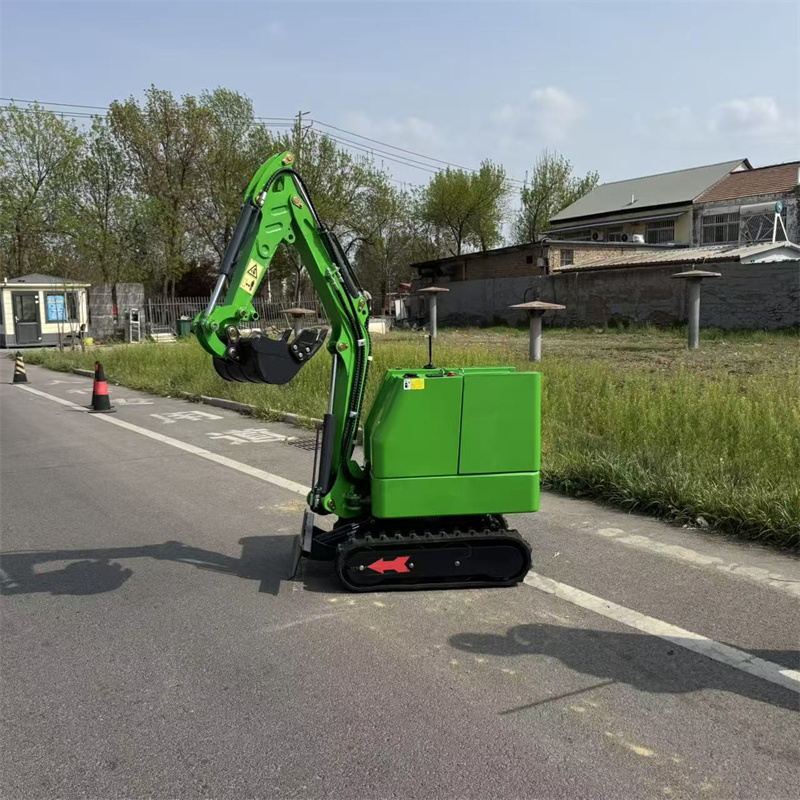
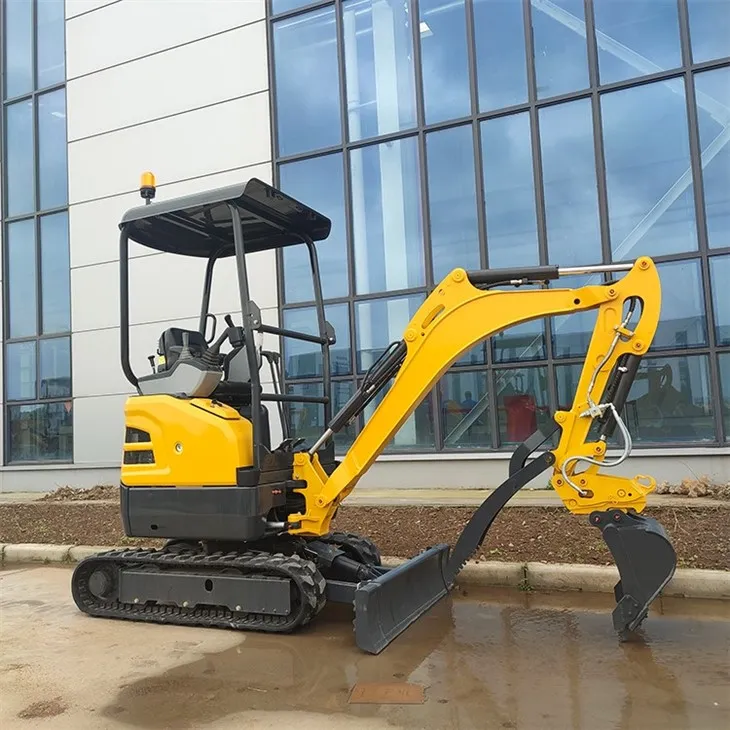
For instance, our Mini Crawler Excavator is designed with a robust chassis and a powerful hydraulic system. The crawler design provides excellent stability, which is essential when dealing with heavy loads. It can handle a relatively high load capacity compared to some other mini – excavators with a less stable base. The tracks distribute the weight evenly, reducing the risk of tipping over and allowing for more weight to be lifted.
Another important factor is the reach of the boom. A longer boom might give you more reach, but it can also reduce the load capacity. As the distance from the machine’s center of gravity to the load increases, the machine becomes less stable. So, the maximum load capacity usually decreases as the boom is extended further.
Now, let’s talk about specific numbers. Our 1.8 Ton Mini Excavator is a popular choice among our customers. When the boom is fully retracted and the load is close to the machine’s center, it can handle a significant amount of weight. Roughly, at its best – case scenario, it can lift up to around 800 – 1000 kilograms. But as you start to extend the boom, say to half – way, the load capacity might drop to around 400 – 500 kilograms. And at full reach, it could be as low as 100 – 200 kilograms.
This reduction in load capacity as the boom extends is not just a random rule we made up. It’s based on some solid physics principles. When the load is far from the center of the machine, it creates a greater torque, which puts more stress on the hydraulic system, the boom, and the entire structure of the excavator. The manufacturers set these load capacity limits to ensure the longevity of the machine and, most importantly, the safety of the operators.
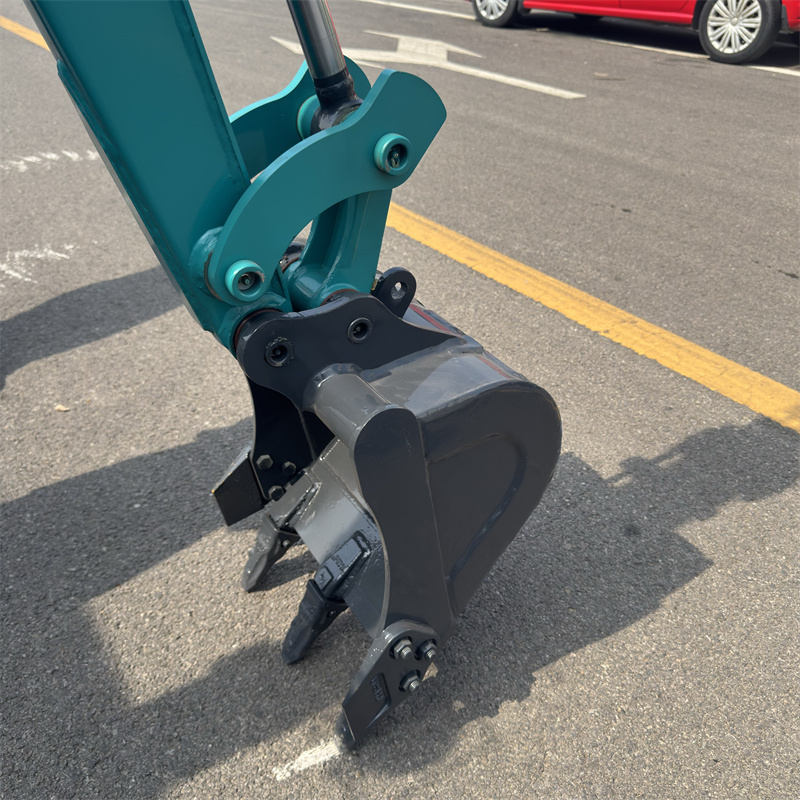
The type of attachments you use also affects the load capacity. Attachments like buckets, forks, or grapples have their own weights. When you add a heavy bucket, for example, you’re essentially increasing the overall weight that the excavator has to handle. And this extra weight from the attachment needs to be subtracted from the machine’s maximum theoretical load capacity.
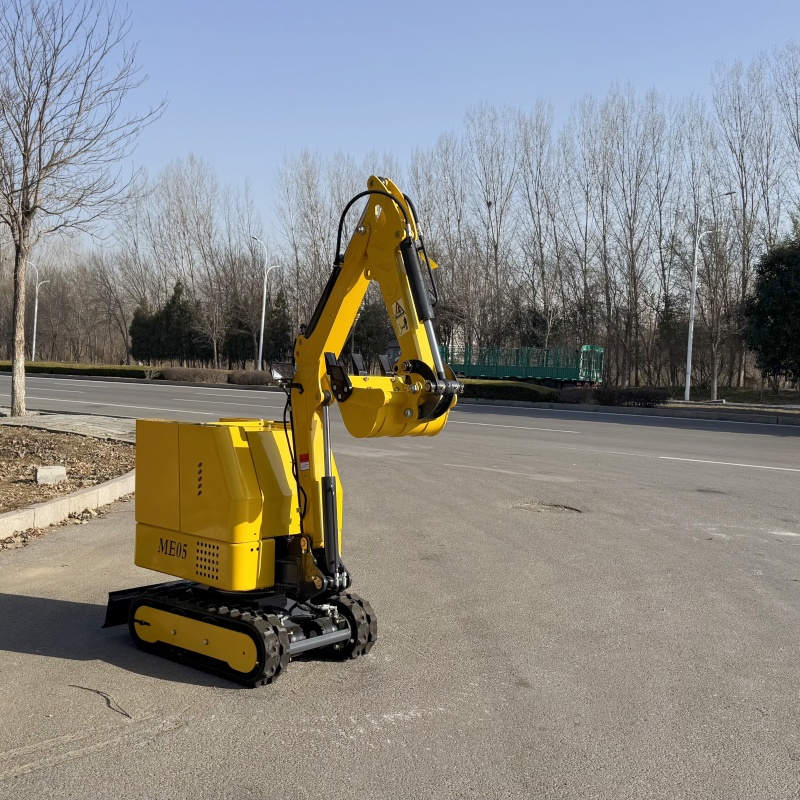
Our ME20 Excavator comes with a variety of attachments, but it’s important to understand how each one impacts the load – handling capabilities. If you’re going to use a heavy – duty grapple for moving large logs, you might need to reduce the amount of material you pick up compared to when you’re using a standard bucket.
In addition to these machine – related factors, the ground conditions also matter. If the ground is soft, uneven, or slippery, the excavator’s stability is compromised. A lack of stability means that you have to reduce the load capacity to avoid the machine tipping over. For example, if you’re working on a muddy construction site, you might have to limit the load to 60 – 70% of what the machine can handle on a firm, flat surface.
It’s also crucial to note that the maximum load capacity is not something you should push to the limit every time. Operating the excavator at or near its maximum capacity for extended periods can cause premature wear and tear on the components. This can lead to breakdowns, costly repairs, and even pose a safety hazard to the operator and the surrounding workers.
So, how do you determine the safe load capacity for your specific job? First, refer to the machine’s operator’s manual. It provides detailed information about the load – capacity charts for different boom lengths and attachment configurations. Second, consider the conditions mentioned above, like ground conditions and the type of task you’re performing. And if you’re ever in doubt, it’s better to err on the side of caution and go for a lower load.
As a supplier, I’ve seen many customers make mistakes when it comes to load capacity. Some try to squeeze in an extra – heavy load, thinking they can get away with it. But this often leads to problems down the line. On the other hand, some customers are overly cautious and use the excavator well below its capabilities, which can waste time and resources.
If you’re in the market for a Mini Small Excavator, understanding the maximum load capacity is key to choosing the right machine for your needs. Whether you’re a contractor looking for a machine for a big – scale project or a homeowner doing some landscaping work, knowing the load – handling capabilities will help you make an informed decision.
If you have any questions about the load capacity of our Mini Small Excavators, or if you’re interested in purchasing one, don’t hesitate to reach out. We’re here to help you find the perfect machine for your job and ensure that you use it safely and efficiently.
References:
Manufacturer’s operator manuals for Mini Small Excavators
Industry standards and guidelines for excavator load capacity
Personal experience and observations from dealing with Mini Small Excavator users over the years