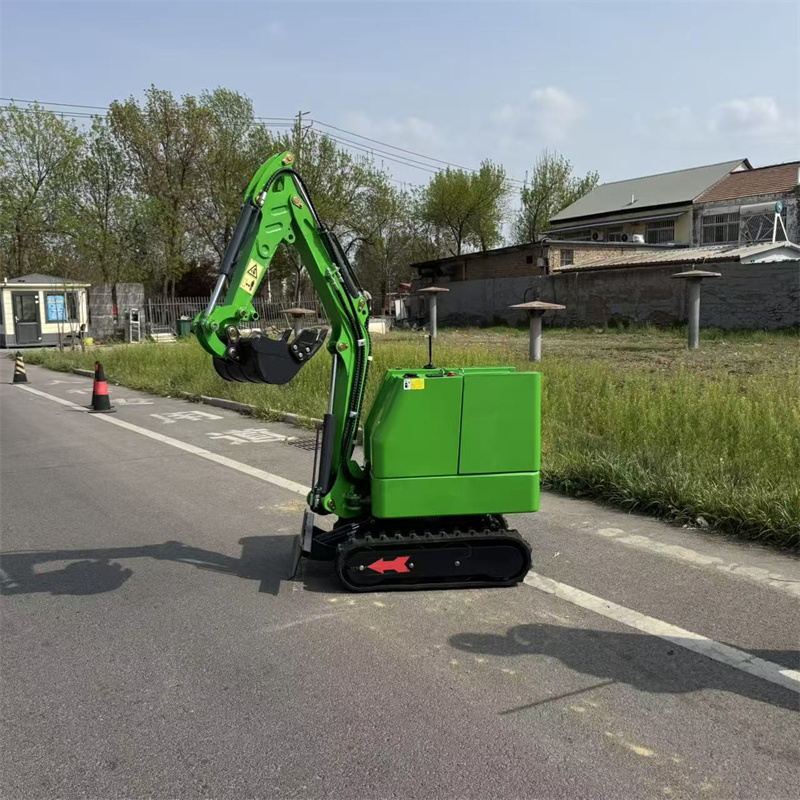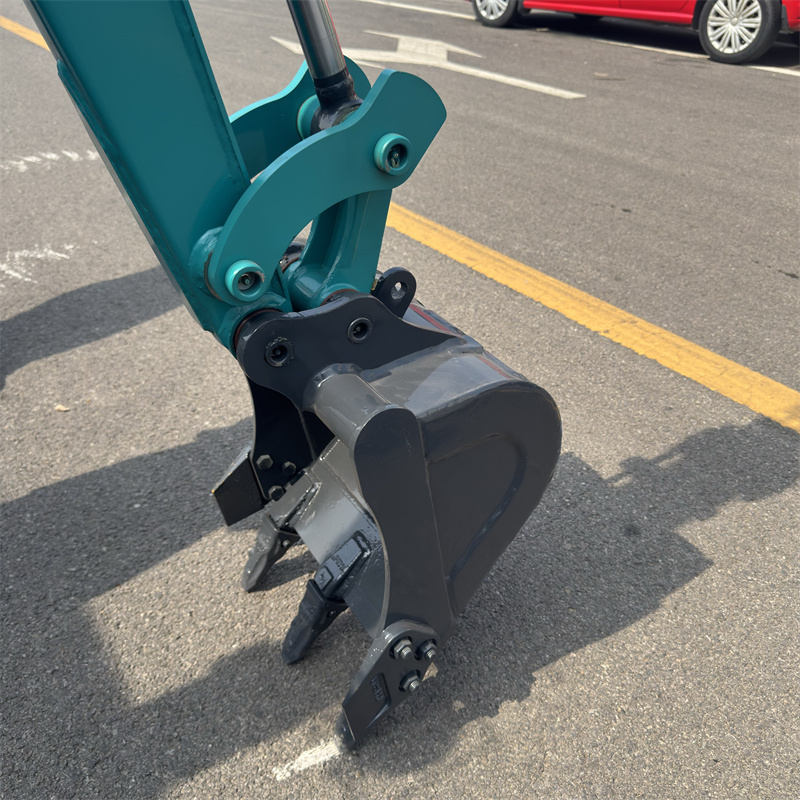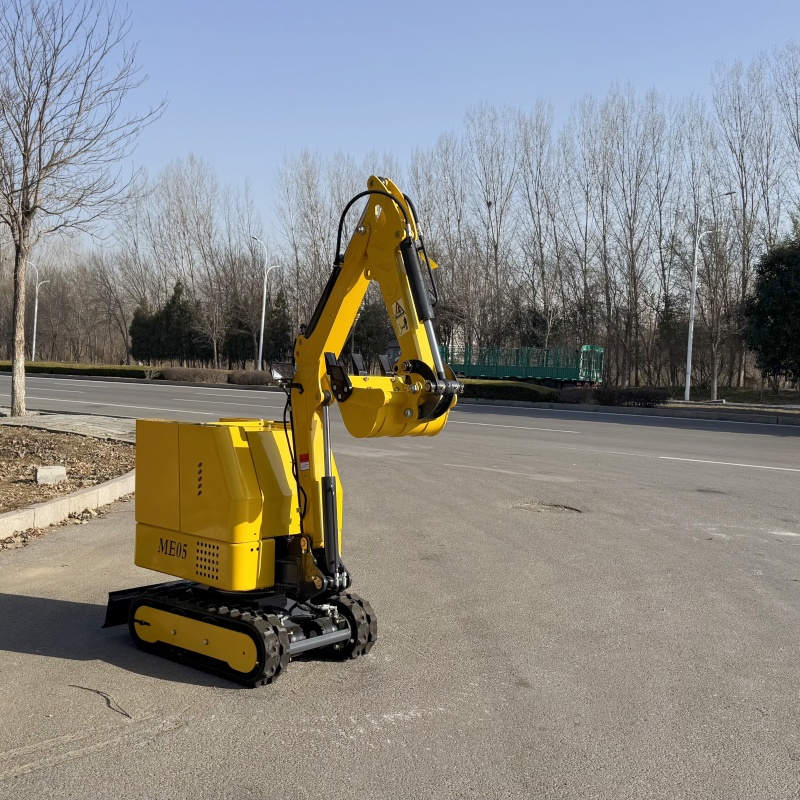
As a supplier of Mini Skid Steer Loaders, one of the most frequently asked questions from our customers is about the maximum slope angle for the safe operation of these machines. In this blog, we’ll delve into this topic, exploring the factors that influence the safe slope angle and providing some practical guidelines.
Understanding the Basics of Mini Skid Steer Loaders
Mini Skid Steer Loaders are compact, versatile machines widely used in construction, landscaping, and other industries. Their small size allows them to operate in tight spaces where larger equipment cannot fit. These loaders are known for their agility and ability to perform a variety of tasks, such as lifting, digging, and material handling.
However, their small size also means that they have different stability characteristics compared to larger skid steer loaders. When operating on slopes, the stability of a Mini Skid Steer Loader becomes a critical factor.
Factors Affecting the Safe Slope Angle
1. Machine Design and Configuration
The design of the Mini Skid Steer Loader plays a significant role in determining its stability on slopes. Factors such as the wheelbase, center of gravity, and weight distribution are crucial. A loader with a longer wheelbase generally has better stability as it provides a wider base of support. The center of gravity should be as low as possible to prevent tipping over.
For example, if a Mini Skid Steer Loader has a high center of gravity due to a heavy attachment or uneven weight distribution, it will be more prone to instability on slopes. Some loaders are designed with a lower profile and a more balanced weight distribution to enhance stability.
2. Ground Conditions
The type of ground surface on which the loader is operating also affects the safe slope angle. Soft, muddy, or uneven terrain can reduce the traction of the loader’s tires or tracks, increasing the risk of slipping or sliding. In contrast, a hard, dry, and level surface provides better traction and allows for a steeper safe slope angle.
For instance, on a gravel surface, the tires or tracks of the loader can grip the ground more effectively compared to a wet, grassy field. Additionally, the presence of obstacles or debris on the slope can also impact the loader’s stability and maneuverability.
3. Attachment Usage
The attachments used with the Mini Skid Steer Loader can significantly alter its stability on slopes. Different attachments have different weights, shapes, and centers of gravity. For example, a heavy bucket filled with material will shift the center of gravity forward, making the loader more likely to tip forward on a downward slope.
On the other hand, some attachments, such as a snow blower or a brush cutter, may have a wider or more uneven shape, which can affect the loader’s balance. It’s important to consider the impact of the attachment on the loader’s stability when operating on slopes.
Determining the Safe Slope Angle
Manufacturers typically provide guidelines on the maximum safe slope angle for their Mini Skid Steer Loaders. These guidelines are based on extensive testing and engineering analysis. However, it’s important to note that these are general recommendations and the actual safe slope angle may vary depending on the factors mentioned above.
In general, for most Mini Skid Steer Loaders, the maximum safe slope angle for forward and reverse travel is around 10 – 15 degrees. When operating on a side slope, the safe angle is usually lower, typically around 5 – 10 degrees. These angles ensure that the loader remains stable and reduces the risk of tipping over.
It’s also important to follow the manufacturer’s instructions regarding the use of the loader on slopes. This may include specific operating procedures, such as avoiding sudden turns or stops on slopes, and using the appropriate gears and speeds.
Safety Precautions for Operating on Slopes
1. Pre – Operation Inspection
Before operating the Mini Skid Steer Loader on a slope, it’s essential to conduct a thorough pre – operation inspection. Check the tires or tracks for proper inflation and wear, and ensure that all attachments are securely fastened. Inspect the hydraulic system, brakes, and other critical components to ensure they are in good working condition.
2. Operator Training
Proper operator training is crucial for safe operation on slopes. Operators should be familiar with the loader’s controls, stability characteristics, and safety features. They should also be trained on how to assess the slope angle and ground conditions, and how to adjust their operating techniques accordingly.
3. Use of Safety Equipment
Wearing appropriate safety equipment, such as a seatbelt, is essential when operating the Mini Skid Steer Loader on slopes. In addition, some loaders may be equipped with additional safety features, such as roll – over protection structures (ROPS), which can provide added protection in the event of a tip – over.
Our Product Offerings and Their Suitability for Slope Operation
As a supplier, we offer a range of Mini Skid Steer Loaders that are designed with stability in mind. Our loaders have a low center of gravity and a well – balanced weight distribution, which makes them suitable for operation on slopes within the recommended safe angles.
We also provide a variety of attachments that are carefully engineered to maintain the loader’s stability. For example, our buckets are designed to distribute the weight evenly, reducing the risk of tipping forward on slopes.
In addition to Mini Skid Steer Loaders, we also offer related products such as Mini Excavator for Indoor Use, Fully – Electric Mini Excavator, and Noiseless Tracked Electric Mini Excavator. These products are also designed with safety and stability in mind, making them suitable for various applications, including those on slopes.
Conclusion
Determining the maximum slope angle for the safe operation of a Mini Skid Steer Loader is a complex process that depends on several factors, including machine design, ground conditions, and attachment usage. By understanding these factors and following the recommended safety precautions, operators can ensure the safe and efficient operation of the loader on slopes.
If you’re interested in purchasing a Mini Skid Steer Loader or any of our other products, we encourage you to contact us for more information and to discuss your specific requirements. Our team of experts is ready to assist you in finding the right equipment for your needs.
References
Manufacturer’s manuals for Mini Skid Steer Loaders
Industry standards and guidelines for construction equipment operation on slopes
Engineering studies on the stability of compact construction machinery