Hey there! As a supplier of Electric Machines, I often get asked about the nitty – gritty of how different electrical devices work. One question that pops up quite a bit is about the principle of operation of a DC motor. So, let’s dive right into it!
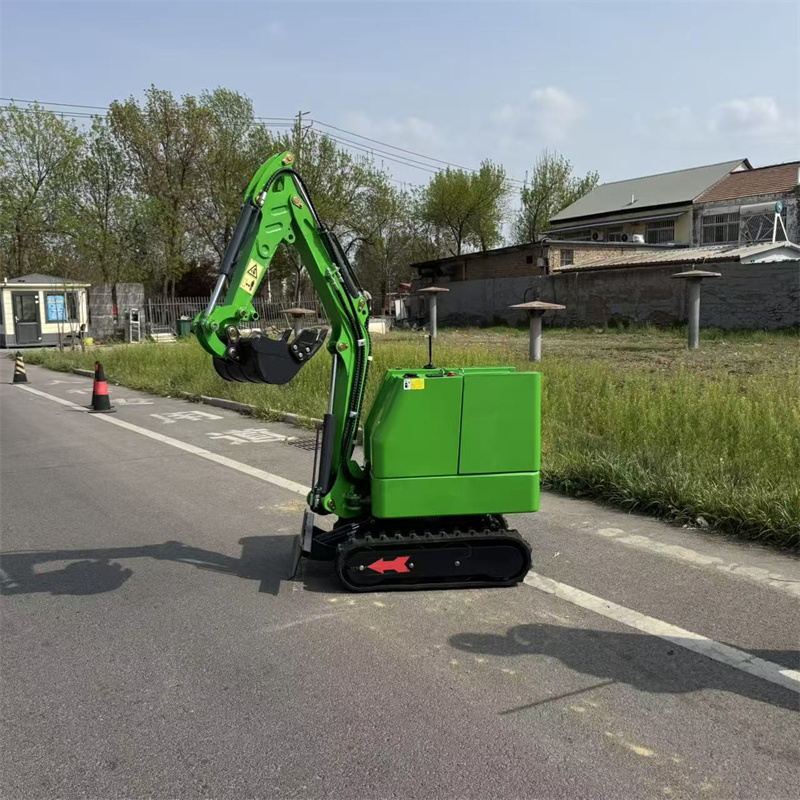
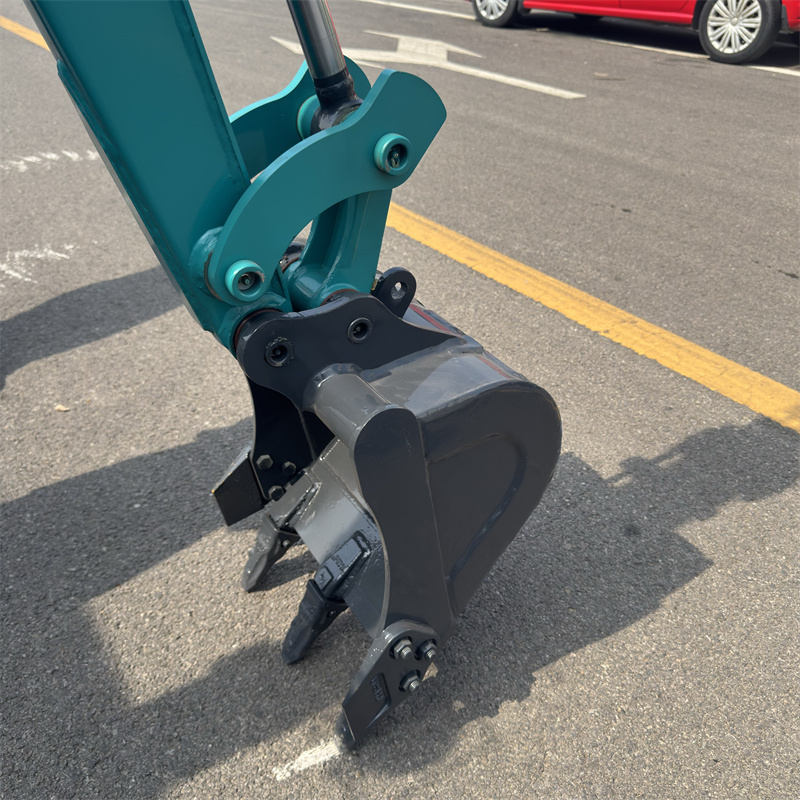
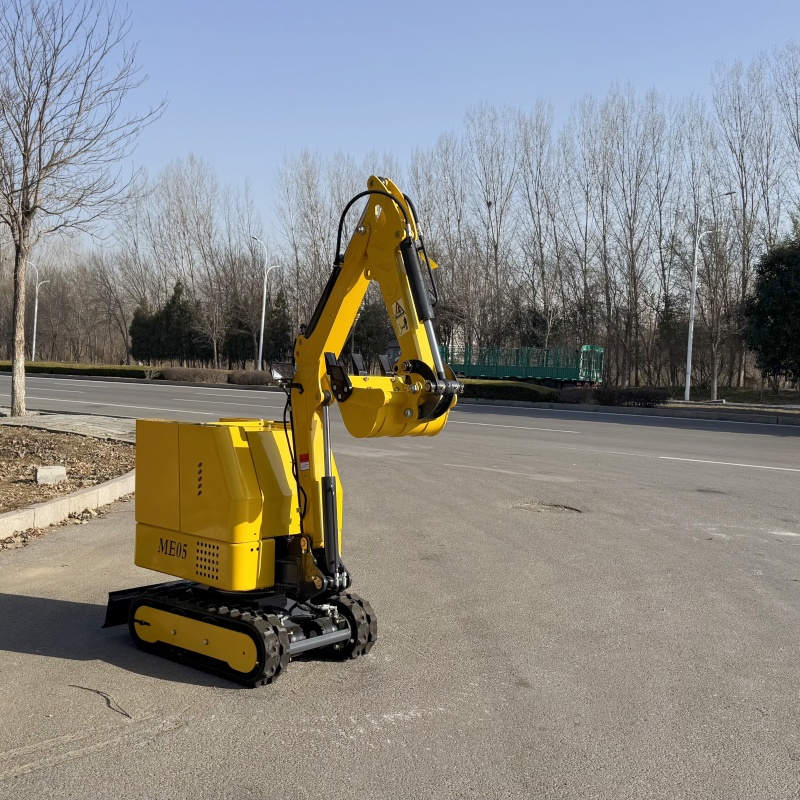
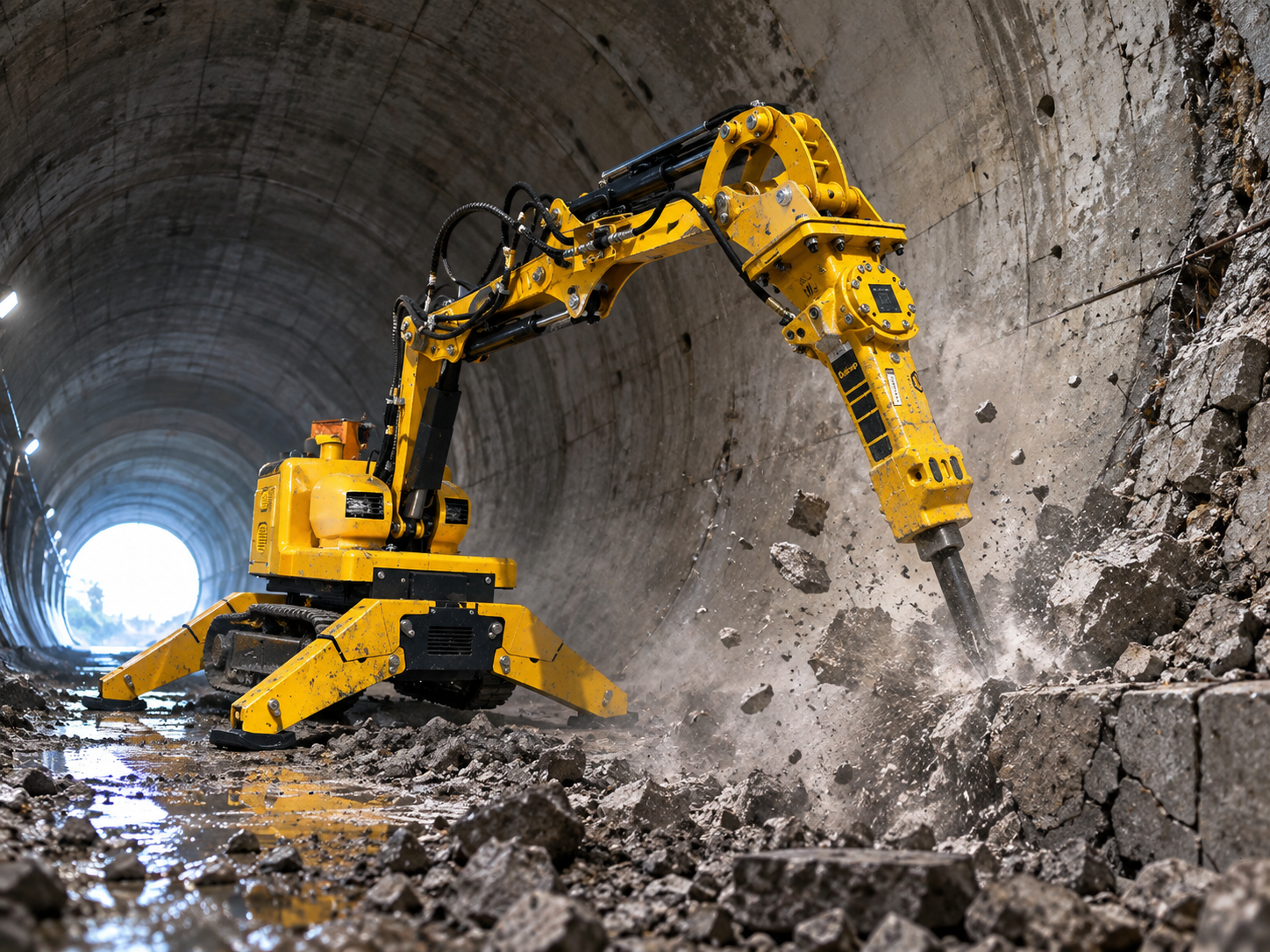
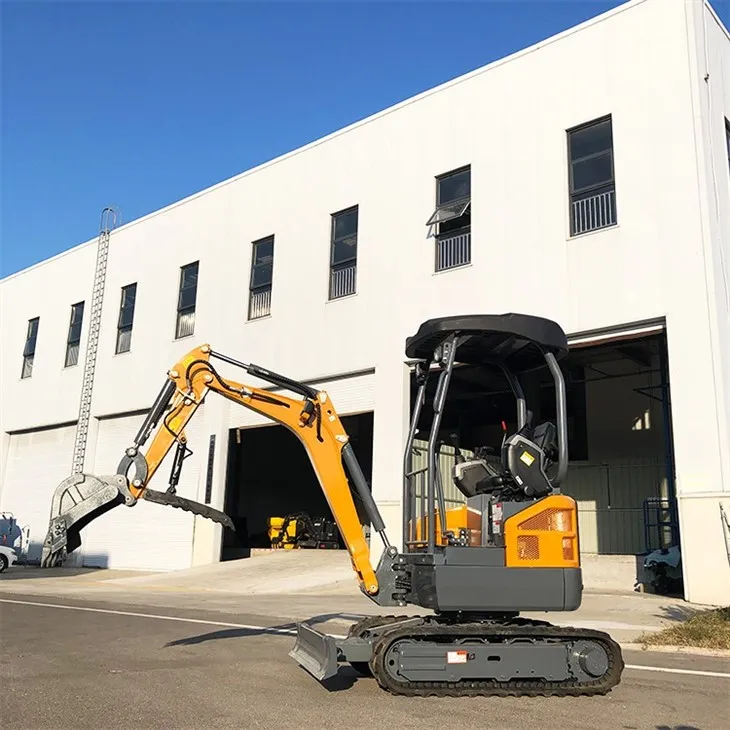
First off, what is a DC motor? A DC (Direct Current) motor is a device that converts electrical energy into mechanical energy. It’s used in all sorts of applications, from small toys to big industrial machinery. For example, our machines like the Electric Compact Excavator, Fully – Electric Mini Excavator, and Mini Electric Excavator all rely on DC motors to get the job done.
The basic principle behind a DC motor is based on the interaction between magnetic fields and electric currents. You see, when an electric current flows through a conductor placed in a magnetic field, a force is exerted on that conductor. This is known as the Lorentz force, and it’s the key to how a DC motor operates.
Let’s break down the main components of a DC motor to understand this better.
Components of a DC Motor
Stator: This is the stationary part of the motor. It contains the permanent magnets or the field windings. The magnets in the stator create a fixed magnetic field. In some DC motors, the field windings are used instead of permanent magnets. When an electric current passes through these windings, they generate a magnetic field, similar to the one produced by permanent magnets.
Rotor: The rotor is the rotating part of the motor. It consists of a core, armature windings, and a commutator. The armature windings are where the electric current from the power source enters. As the current flows through these windings, they become electromagnets.
Commutator: The commutator is a split – ring device that’s attached to the rotor shaft. Its main job is to reverse the direction of the current in the armature windings at the right time. This is crucial because it ensures that the motor keeps rotating in the same direction.
Brushes: The brushes are made of carbon or graphite and are in contact with the commutator. They are used to supply the electric current from the power source to the armature windings.
The Operating Principle
When you switch on the DC power supply, the current flows through the brushes and into the commutator. From the commutator, the current is directed to the armature windings. Once the current is in the armature windings, they create their own magnetic fields due to the flow of electrons.
These magnetic fields from the armature windings interact with the fixed magnetic field of the stator. According to the left – hand rule (also known as Fleming’s left – hand rule), when the magnetic fields interact, a force is exerted on the conductors in the armature windings. This force causes the rotor to start rotating.
The role of the commutator is super important here. As the rotor turns, the commutator changes the direction of the current in the armature windings every half – turn. This change in the current direction ensures that the magnetic field of the armature windings always interacts with the stator’s magnetic field in a way that keeps the rotor rotating in a continuous, unidirectional motion.
Let’s think about it in a more practical way. Imagine you’re pushing a swing. If you keep pushing in the same direction at the right time, the swing will keep going back and forth. In a DC motor, the commutator is like the person pushing the swing at the right time. It makes sure that the force on the rotor is always in the right direction to keep it spinning.
Types of DC Motors
There are a few different types of DC motors, each with its own unique characteristics and applications.
Permanent Magnet DC Motors (PMDC): These motors use permanent magnets in the stator. They are relatively simple in design and are often used in small applications like toys and small household devices. Since they don’t need field windings, they are more energy – efficient in some cases.
Series – Wound DC Motors: In a series – wound DC motor, the field windings are connected in series with the armature windings. These motors have a high starting torque, which makes them suitable for applications where a lot of force is needed to start the machine, like electric trains and some heavy – duty industrial equipment.
Shunt – Wound DC Motors: Shunt – wound motors have the field windings connected in parallel with the armature windings. They offer a relatively constant speed and are used in applications where a stable speed is required, such as conveyor belts and some machine tools.
Compound – Wound DC Motors: As the name suggests, compound – wound motors combine the characteristics of series – wound and shunt – wound motors. They have both series and shunt field windings. These motors offer a good balance between starting torque and speed regulation, and are used in applications like elevators and printing presses.
Advantages of DC Motors
DC motors have several advantages that make them popular in various industries.
Speed Control: One of the biggest advantages of DC motors is that their speed can be easily controlled. By adjusting the voltage applied to the motor, you can increase or decrease its speed. This makes them ideal for applications where variable speed is required.
High Starting Torque: As we saw earlier, some types of DC motors, like series – wound motors, have a high starting torque. This means they can easily start heavy loads, which is very useful in industrial applications.
Simple Installation and Maintenance: DC motors are relatively simple in design, which makes them easy to install and maintain. They don’t require complex control systems in many cases, and their components can be easily replaced if they break down.
Our Electric Machines and DC Motors
At our company, we understand the importance of high – quality DC motors in our electric machines. The Electric Compact Excavator, for example, needs a motor that can provide enough power to dig through tough soil and handle heavy loads. Our DC motors are designed to meet these requirements, with high – efficiency and reliable performance.
The Fully – Electric Mini Excavator also relies on the precise operation of DC motors. Its smaller size doesn’t mean it can’t do big jobs, and our motors ensure that it can perform just as effectively as larger machines.
And the Mini Electric Excavator is perfect for small – scale construction and landscaping projects. The DC motors in this machine are carefully selected to provide the right balance of power and speed for these types of tasks.
Conclusion
So, there you have it! The principle of operation of a DC motor is based on the interaction between magnetic fields and electric currents. From the basic components like the stator, rotor, commutator, and brushes, to the way the current is reversed to keep the motor spinning, every part plays a crucial role.
If you’re in the market for high – quality electric machines that rely on top – notch DC motors, we’re here to help. Whether you’re working on a large – scale construction project or a small – scale landscaping job, our Electric Compact Excavator, Fully – Electric Mini Excavator, and Mini Electric Excavator are designed to meet your needs. Don’t hesitate to reach out for a chat about how our products can fit into your projects.
References
Chapman, S. J. (2004). Electric Machinery Fundamentals. McGraw – Hill.
Fitzgerald, A. E., Kingsley, C., & Umans, S. D. (2003). Electric Machinery. McGraw – Hill.