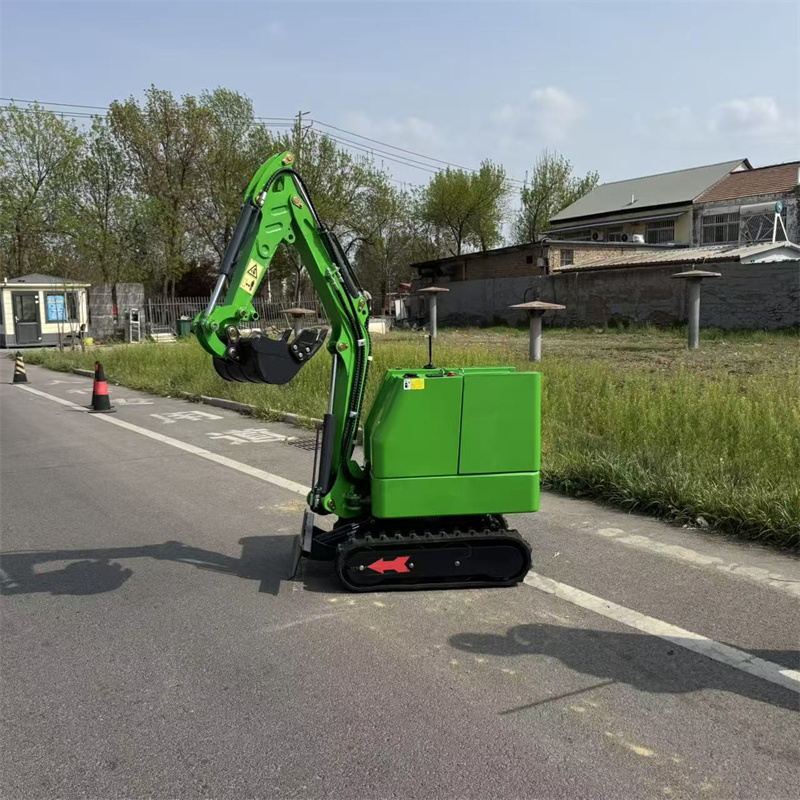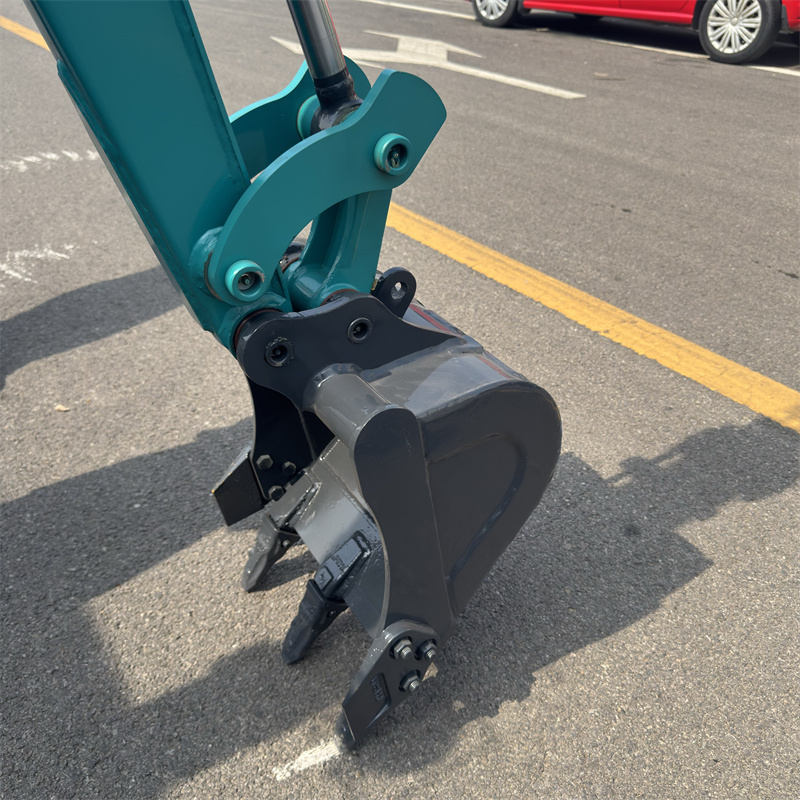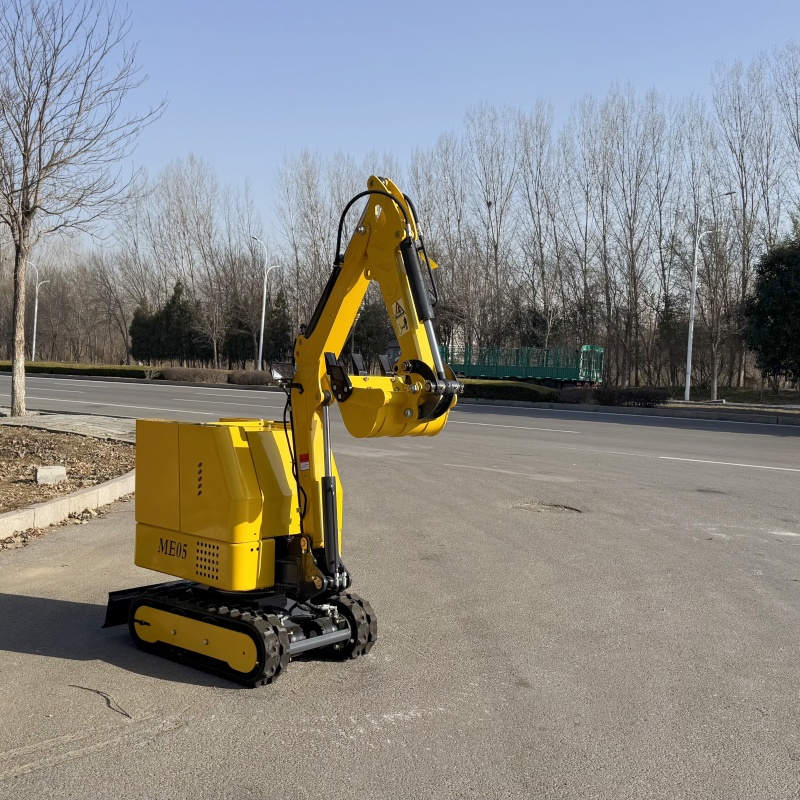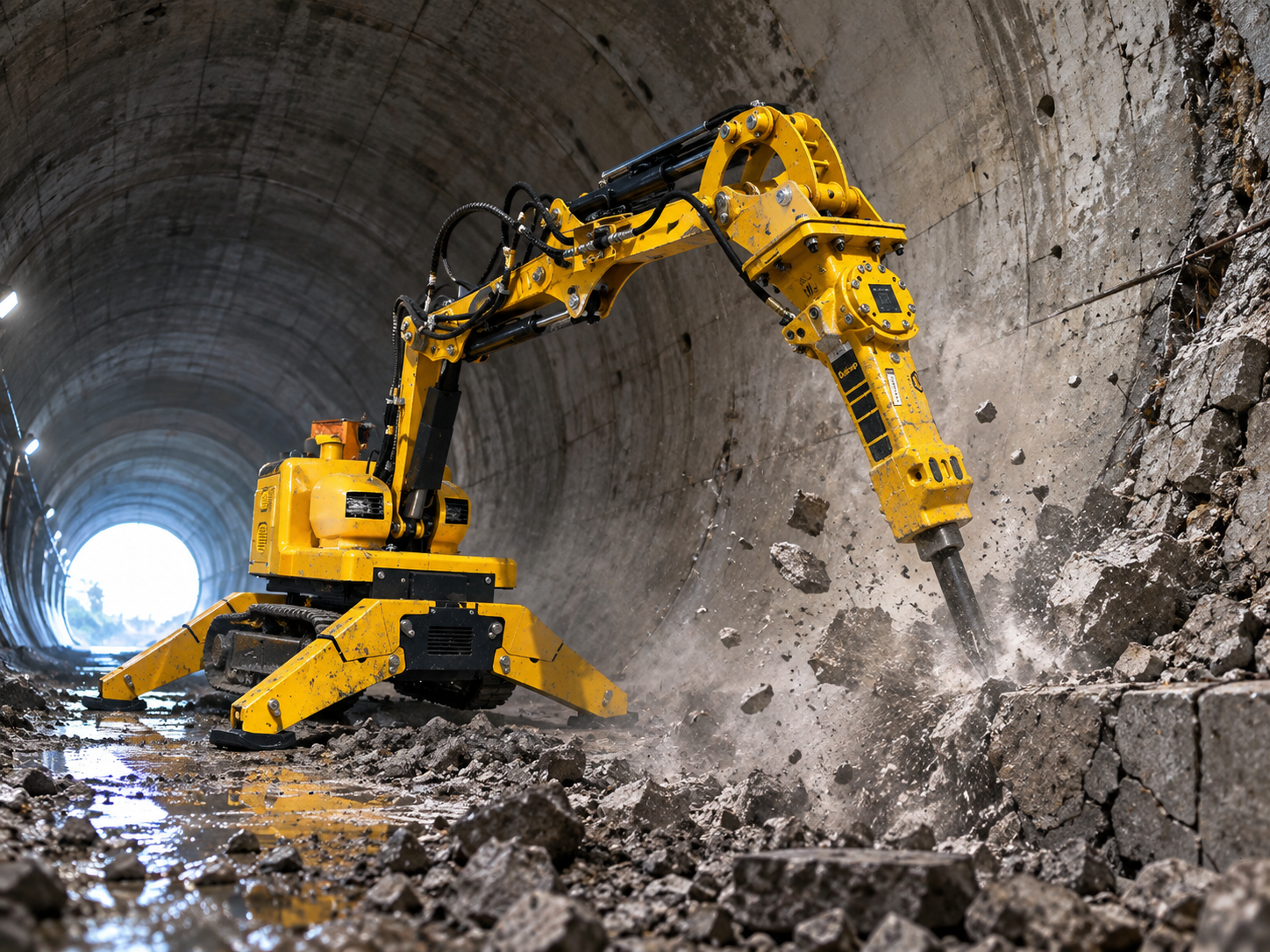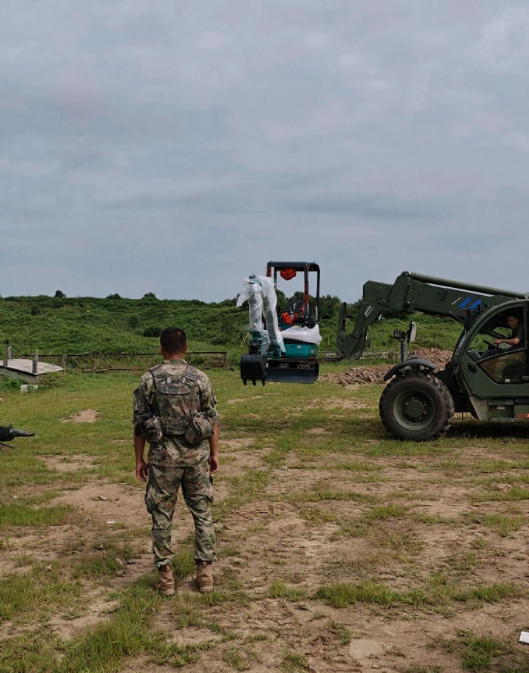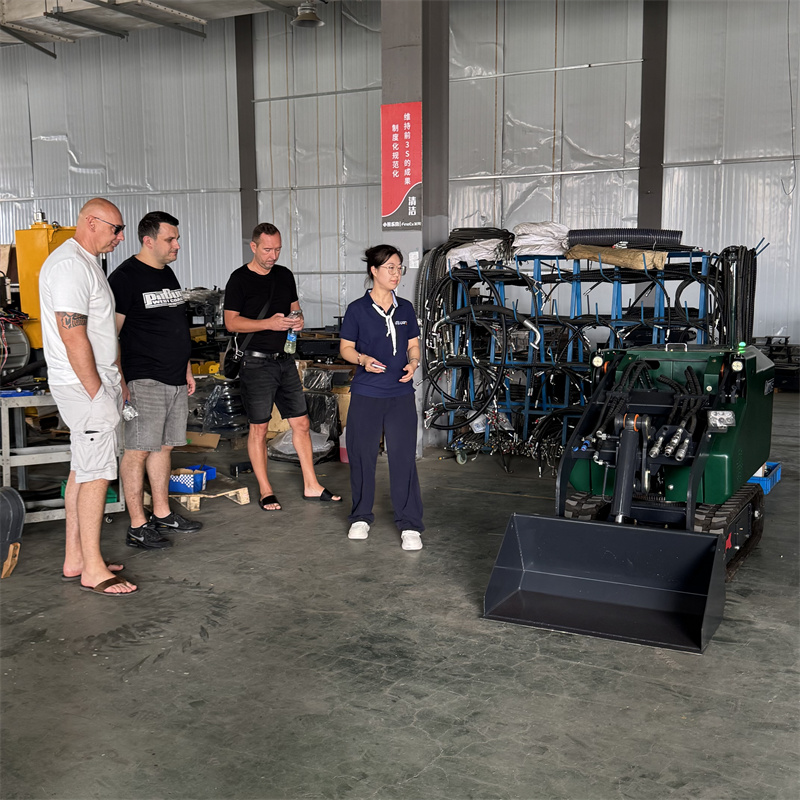
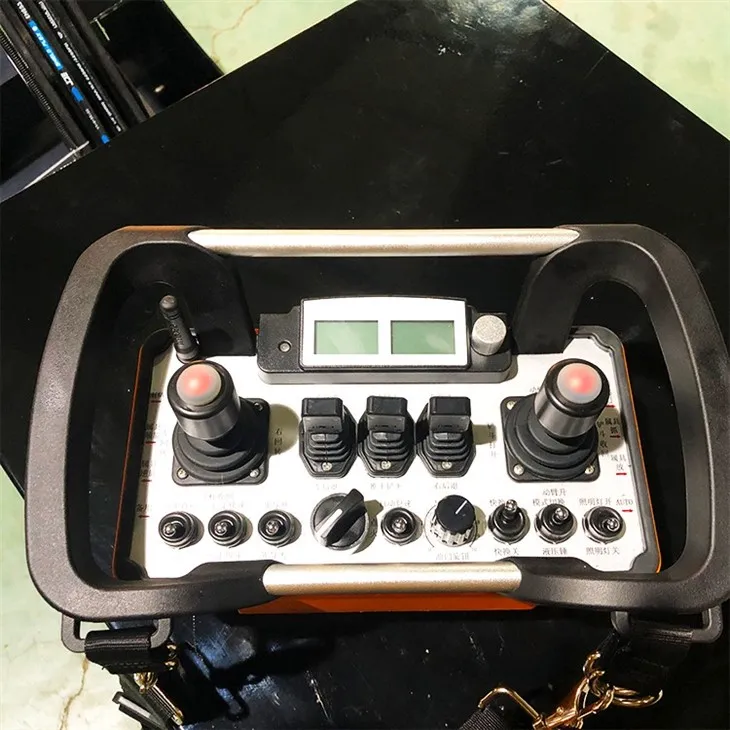
Hey there, fellow RC enthusiasts! As a supplier of Rc Mining Excavator, I’ve gotten tons of questions about the stability of these awesome machines on slopes. Today, I’m gonna dive deep into this topic and share some insights that’ll hopefully clear up any confusion you might have.
Understanding the Basics of RC Mining Excavator Stability
First off, let’s talk about what stability really means for an RC mining excavator. When we say a machine is stable, we’re talking about its ability to stay upright and operate safely, especially when dealing with uneven terrain like slopes. An unstable excavator can tip over, which not only ruins the fun but can also cause some serious damage to the machine.
There are a few key factors that affect the stability of an RC mining excavator on slopes. The center of gravity is one of the most important ones. Think of the center of gravity as the point where all the weight of the excavator is concentrated. If the center of gravity is too high or too far to one side, the excavator is more likely to tip over. For example, if you load up the bucket with a lot of dirt on a slope, it can shift the center of gravity and make the machine less stable.
Another factor is the track or wheel base of the excavator. A wider base generally means more stability. It’s like standing with your feet shoulder-width apart versus standing on one foot. The wider stance gives you more balance and makes it harder to fall over. So, RC mining excavators with wider tracks or wheelbases tend to be more stable on slopes.
Design Features for Slope Stability
Manufacturers of RC mining excavators have come up with some cool design features to improve stability on slopes. One of these is the use of low-profile bodies. A low-profile design keeps the center of gravity closer to the ground, which makes the excavator less likely to tip. It’s kind of like a race car – the lower it is to the ground, the more stable it is when taking corners at high speeds.
Some excavators also have adjustable tracks. This means you can widen or narrow the tracks depending on the terrain. On a slope, widening the tracks can increase stability by giving the machine a broader base. It’s like having an extra set of training wheels that you can adjust as needed.
Another neat feature is the use of counterweights. These are heavy weights placed at the back of the excavator to balance out the weight of the bucket and the load it’s carrying. By adding a counterweight, you can keep the center of gravity in a more stable position, even when the bucket is full.
Testing and Evaluating Stability
As a supplier, we take stability seriously. Before we offer an RC mining excavator for sale, we put it through a series of tests to make sure it can handle slopes safely. One of the tests we do is the static stability test. In this test, we place the excavator on a slope at a specific angle and see if it can stay upright without tipping over. We also test the stability under different load conditions, such as when the bucket is empty or full.
We also do dynamic stability tests, where we operate the excavator on a slope and see how it performs while moving and digging. This helps us evaluate how the machine behaves in real-world conditions. If we find any issues with stability, we work with the manufacturers to make improvements.
Tips for Operating an RC Mining Excavator on Slopes
Now that you know a bit about the factors that affect stability, here are some tips for operating your RC mining excavator on slopes:
Choose the right slope angle: Not all slopes are created equal. Start with gentle slopes and gradually work your way up to steeper ones as you gain more experience. If the slope is too steep, the excavator may not be able to maintain stability, even with all the design features.
Keep the load balanced: Try to keep the load in the bucket as centered as possible. Avoid overloading one side of the bucket, as this can shift the center of gravity and make the machine less stable.
Use the tracks or wheels effectively: On a slope, make sure the tracks or wheels are firmly planted on the ground. Avoid sudden movements or turns, as these can cause the excavator to lose balance.
Be aware of the terrain: Look out for any obstacles or uneven spots on the slope. These can affect the stability of the excavator and cause it to tip over. If you encounter an obstacle, try to go around it or remove it carefully.
The Importance of Stability in Real-World Applications
Stability isn’t just important for having fun with your RC mining excavator. In real-world applications, such as in construction or mining, stability is crucial for safety and efficiency. A stable excavator can work more effectively on slopes, which can save time and money. It also reduces the risk of accidents and damage to the machine.
For example, in a mining operation, an unstable excavator could cause a landslide or damage the surrounding environment. By using a stable RC mining excavator, operators can work more safely and with greater precision.
Comparing Different Models for Slope Stability
There are many different models of RC mining excavators on the market, and not all of them are created equal when it comes to slope stability. Some models are specifically designed for use on slopes and have features like low-profile bodies, adjustable tracks, and counterweights.
When choosing an RC mining excavator, it’s important to consider the slope conditions you’ll be operating in. If you’ll be working on steep slopes, look for a model with a wide base and a low center of gravity. You may also want to consider a model with adjustable tracks or counterweights for added stability.
Conclusion
So, there you have it – a breakdown of what affects the stability of an RC mining excavator on slopes. Whether you’re a hobbyist looking for some fun or a professional in the construction or mining industry, understanding stability is key to getting the most out of your machine.
As a supplier of Rc Mining Excavator, Earth Moving Machinery Remote-controlled Excavator, and Mini Miner Rc Excavator, we’re here to help you find the right excavator for your needs. If you have any questions or want to learn more about our products, don’t hesitate to reach out. We’re always happy to chat and help you make the best choice.
Let’s get those RC mining excavators out on the slopes and have some fun!
References
Engineering Principles of Earth-Moving Machinery, by John O. Miller
Remote-Controlled Vehicles: Design and Applications, by Sarah K. Thompson