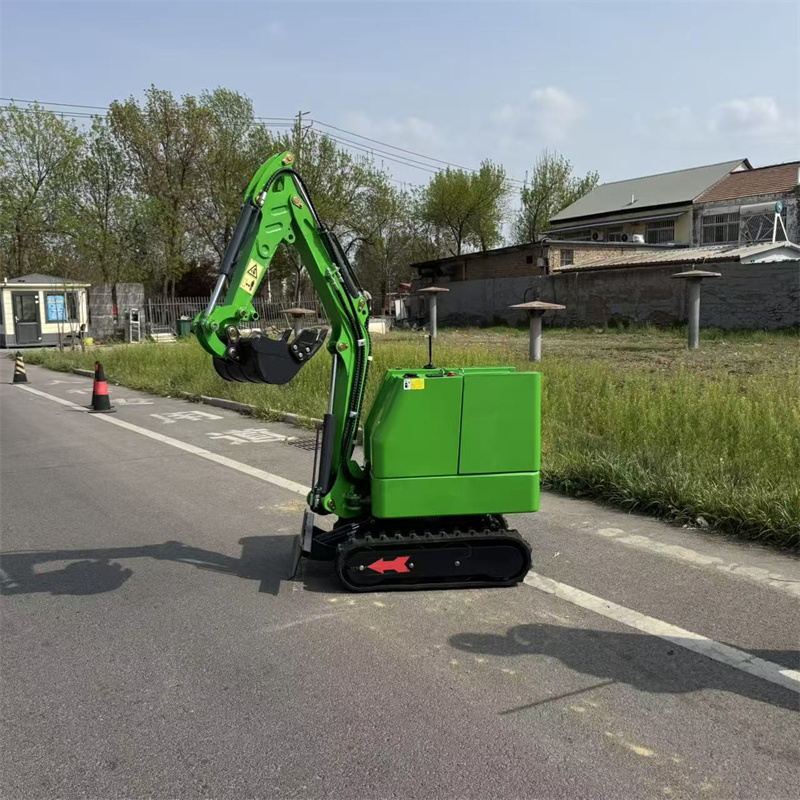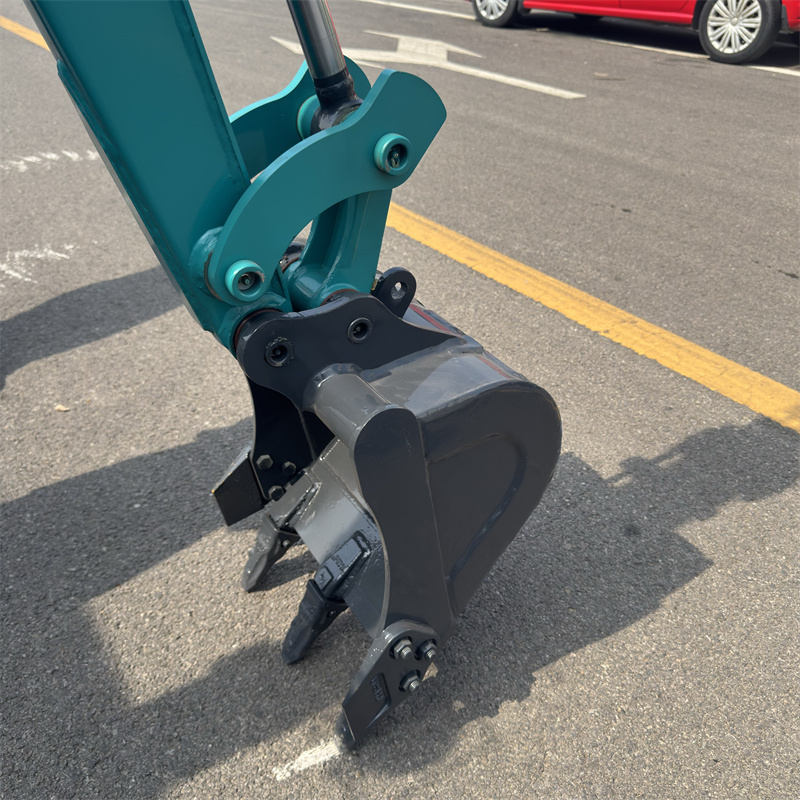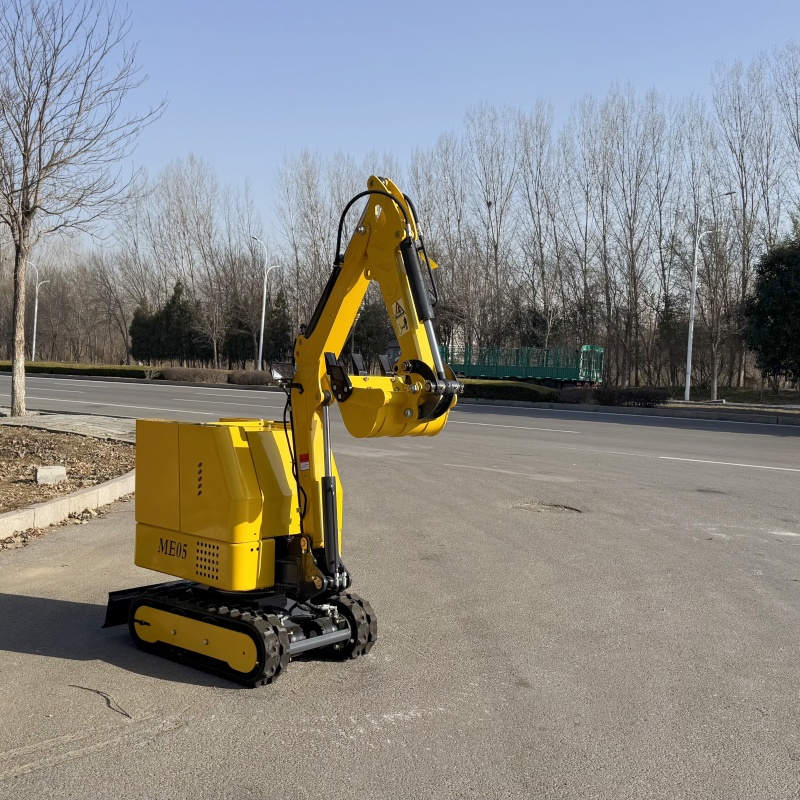
Hey there! As a supplier of demolition robots, I’ve seen firsthand the incredible versatility and power these machines bring to the table. In this blog, I’m gonna break down the different types of structures that a demolition robot can handle.
Concrete Structures
Concrete is one of the most common materials in construction, and it’s also a prime target for demolition. Whether it’s a small concrete wall or a massive high – rise foundation, our demolition robots are up for the task.
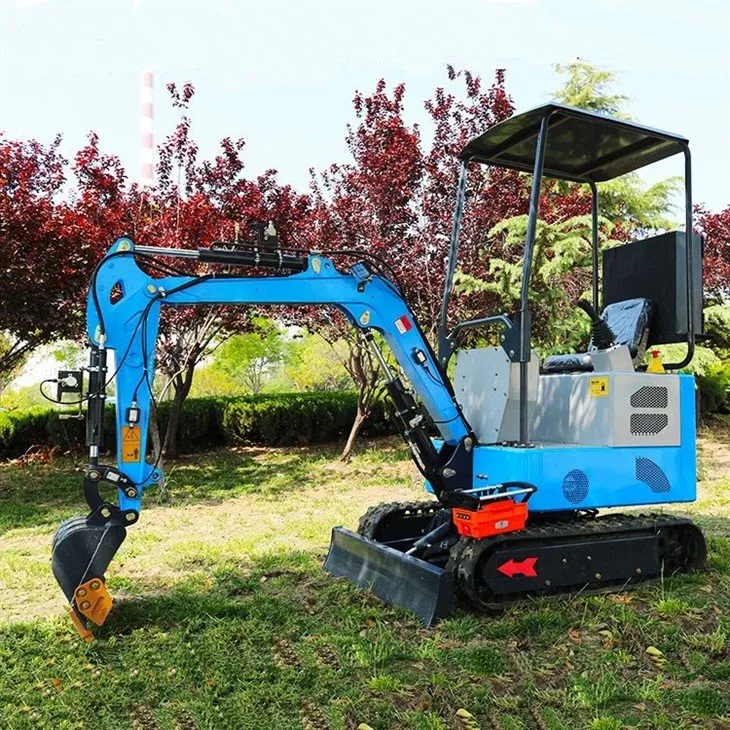
For smaller concrete jobs, like breaking up a concrete sidewalk or a basement floor, our ANTS Mini Excavator Robot is a great choice. It’s compact and maneuverable, allowing it to get into tight spaces with ease. The robot’s hydraulic breaker can deliver powerful blows to break up the concrete into manageable pieces.
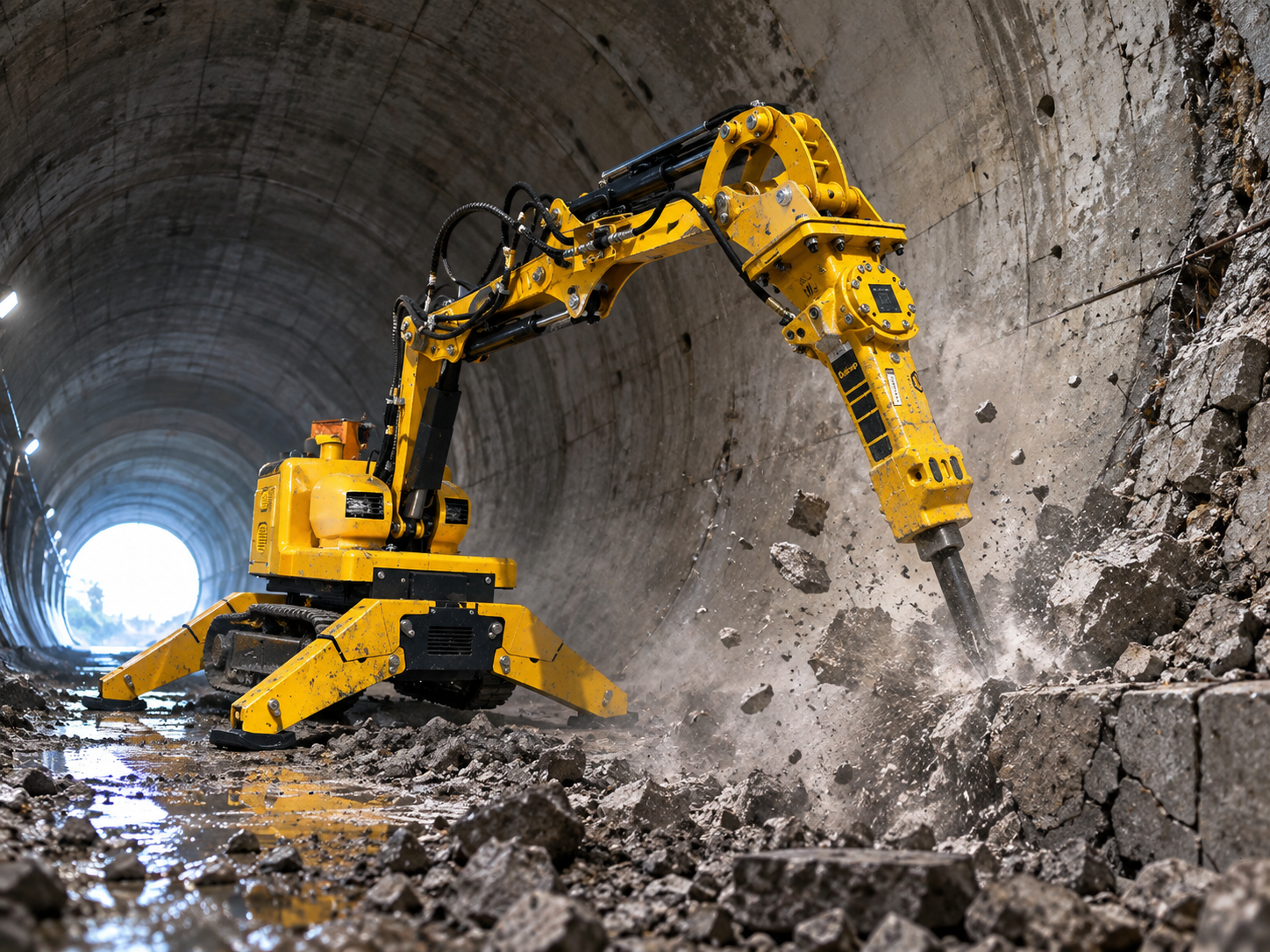
When it comes to larger concrete structures, such as multi – story building columns or thick concrete slabs in industrial facilities, we have more heavy – duty options. These robots are equipped with larger and more powerful breakers that can handle the high – impact forces required to break through thick concrete. They can work continuously for long periods, making them ideal for large – scale demolition projects.
Brick and Masonry Structures
Brick and masonry structures are also commonly found in both old and new buildings. Demolishing these structures requires a different approach compared to concrete. Our demolition robots are designed to handle the unique properties of brick and masonry.
The precision of our robots is a huge advantage when working on brick and masonry. They can be controlled to break individual bricks or sections of a wall without causing unnecessary damage to the surrounding areas. For example, in historical building renovations where only a part of the brick facade needs to be removed, our robots can do the job with surgical precision.
The ANTS Snow Blower Robot, although not typically thought of as a demolition tool, can be adapted for certain brick and masonry demolition tasks. Its adjustable attachments can be used to gently remove loose bricks or break up small sections of masonry in a controlled manner.
Steel Structures
Steel structures are often found in industrial buildings, bridges, and high – rise buildings. Demolishing steel requires a combination of cutting and breaking capabilities. Our demolition robots are equipped with specialized tools to handle steel structures.
Some of our robots come with hydraulic shears that can cut through steel beams and columns. These shears are incredibly powerful and can make quick work of even thick steel members. The remote – control feature of our robots is especially useful when working on steel structures, as it allows the operator to stay at a safe distance while the robot does the dangerous work.
In addition to shears, we also have robots with crushing attachments for steel. These attachments can crush smaller steel components, such as pipes and bars, into more manageable pieces for recycling. For large – scale steel demolition projects, like the decommissioning of an old steel – framed factory, our Rc Mining Excavator can be used. It has the strength and reach to access hard – to – reach steel structures and break them down efficiently.
Wood Structures
Wood structures, including old houses, barns, and wooden bridges, are another type of structure that our demolition robots can handle. Wood is a relatively softer material compared to concrete, steel, or brick, but it still requires careful handling during demolition.
Our robots can be equipped with saws or cutting blades that are designed for wood. These tools can quickly and cleanly cut through wooden beams, planks, and frames. The precision control of our robots ensures that the wood can be removed in a way that maximizes recycling opportunities. For example, in a house demolition, the robot can carefully separate the wooden components for reuse or recycling.
Hazardous and Confined Spaces
One of the biggest advantages of our demolition robots is their ability to work in hazardous and confined spaces. In areas where there are asbestos, lead paint, or other hazardous materials, sending human workers can be extremely dangerous. Our robots can be sent in to do the demolition work while the operators control them from a safe distance.
Confined spaces, such as small basements, tunnels, or crawl spaces, are also no problem for our robots. Their compact size and maneuverability allow them to navigate through tight spaces with ease. They can be used to demolish structures in these areas without the need for extensive manual labor.
Conclusion
As you can see, our demolition robots are incredibly versatile and can handle a wide variety of structures. Whether it’s concrete, brick, steel, wood, or working in hazardous and confined spaces, our robots have the right tools and capabilities to get the job done.
If you’re in the market for a demolition robot for your next project, I’d love to talk to you. We can discuss your specific needs, the type of structures you need to demolish, and find the perfect robot for your job. Don’t hesitate to reach out and start the conversation about how our demolition robots can make your demolition projects more efficient, safer, and cost – effective.
References
Construction Demolition Handbook
Robotics in the Construction Industry: A Practical Guide