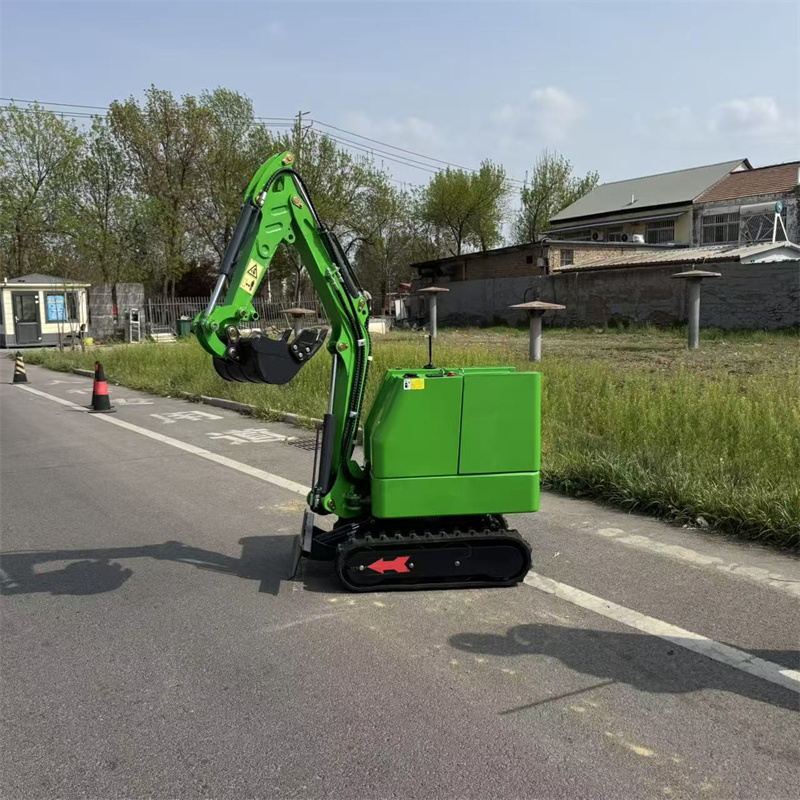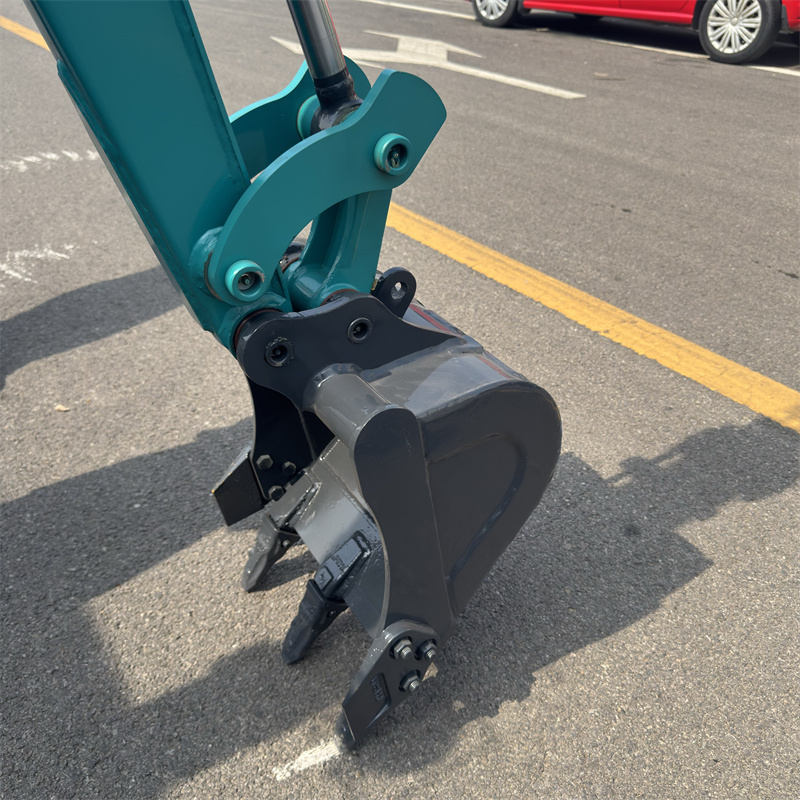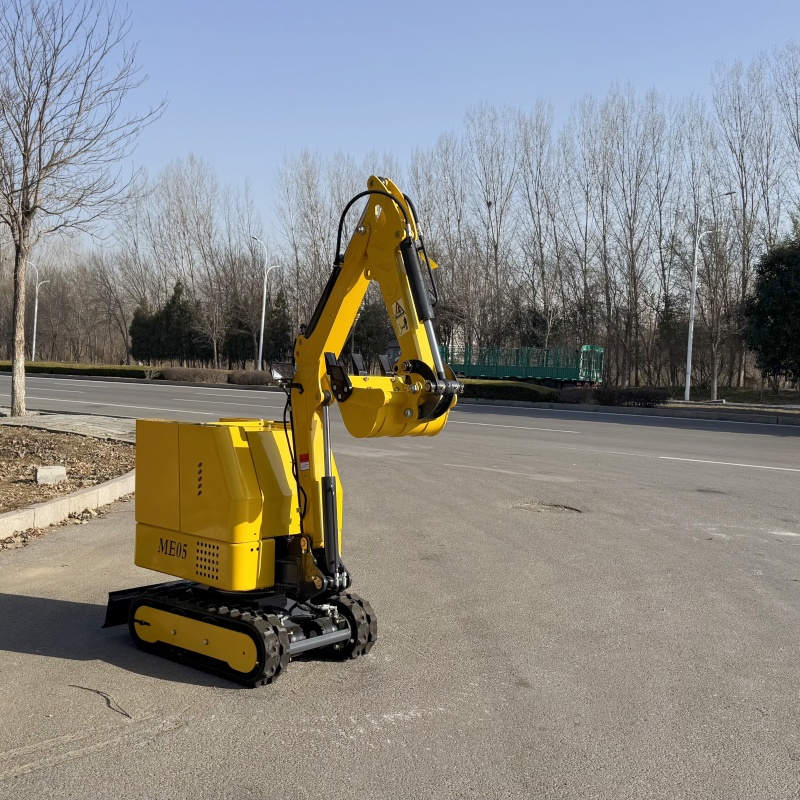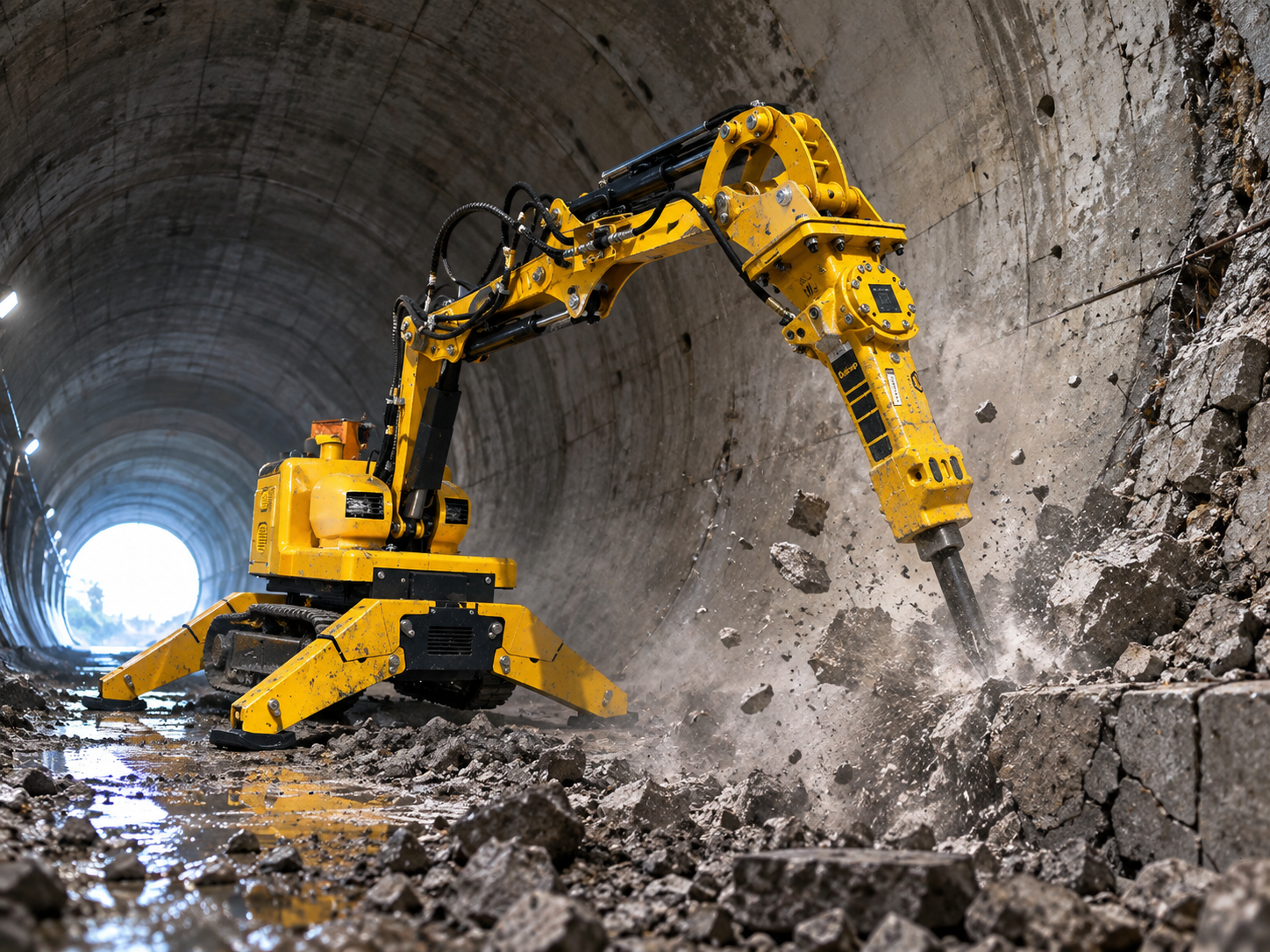
Hydraulic excavators and electric excavators are two common types of heavy machinery in modern civil engineering and mining, and they have significant differences in design, operation, efficiency, environmental performance and application scenarios. Next, we will explore the differences between the two excavators in detail.
A hydraulic excavator is a device that drives a hydraulic system through an internal combustion engine. Internal combustion engines, which typically use diesel fuel, generate power and convert mechanical energy into hydraulic energy through a series of hydraulic pumps, valves and cylinders to control the action of components such as digging arms and buckets. The advantages of hydraulic excavators are:
1. Powerful power: The internal combustion engine provides sufficient power, making the hydraulic excavator perform well in complex terrain and hard soil.
2. Flexibility and versatility: The hydraulic system allows for fine control, enabling the excavator to operate in small Spaces, and can adapt to a variety of work needs by changing different accessories.
3. Wide applicability: Due to its high power output, hydraulic excavators are suitable for large-scale earthwork, road construction, building construction, etc.
However, hydraulic excavators also have their limitations, such as high fuel consumption, pollution emissions, loud noise, and high maintenance costs.
The electric excavator drives the motor by electricity, and then the mechanical structure is driven by the motor to complete the excavation. In recent years, with advances in battery technology and electric motor technology, electric excavators have gradually become a cleaner and more efficient alternative. Its features include:
1. Environmental protection: Electric excavators have almost no emissions, low noise, and meet increasingly stringent environmental standards.
2. Energy saving: Compared with fuel drive, the power conversion efficiency is higher, and the long-term operation cost is lower.
3. Operation comfort: The internal environment of the electric excavator is quieter, reducing the hearing damage to the operator and reducing the need for maintenance.
4. Precise control: Electric systems often provide smoother and more precise control, helping to improve operational accuracy and safety.
Despite the above advantages of electric excavators, their development also faces some challenges, such as high initial investment costs, insufficient charging facilities, and continuous operation time limited by battery life.